Share
The Intelligence from The Economist
A figure of speeches: Volodymyr Zelensky in his own words
•
At the beginning of the war, editors from The Economist went to Kyiv, the first Western journalists to interview Ukraine’s president. Our Russia editor has now returned, finding a brighter capital—and a wearier leader still capable of flashes of humour. We consider the power the president has wielded through hundreds of speeches, and share his Christmas message to our listeners.
For full access to print, digital and audio editions of The Economist, subscribe here www.economist.com/intelligenceoffer
More episodes
View all episodes
Burning questions: a more fire-prone world
24:17|Wildfires in France and Spain are only growing worse by the day. We examine what can be done as a future of more fires, and worse ones, becomes more assured. A dig into data on women at work shows several indicators starting to move in the wrong direction. And the American cities rethinking how to handle their after-dark economies.Guests and host:Oliver Morton, planetary affairs editorVinjeru Mkandawire, Britain correspondentDaniella Raz, US corespondentRosie Blau, co-host of “The Intelligence”Jason Palmer, co-host of “The Intelligence”Topics covered: fires, France, Spain, fire ecologywomen in the workplace, equalityAmerica, night-time economyListen to what matters most, from global politics and business to science and technology—subscribe to The Economist.
Cockroaches 1, Modi 0: India’s remarkable protests
22:34|The resignation of India’s education minister was a stunning capitulation by Prime Minister Narendra Modi’s government. The Cockroach Janta Party, a fast-growing youth movement, has the upper hand for now. So-called macro trading is hard: even with advance knowledge of events, neither man nor machine seems to make much money. And hunting the mosaics of Invader, an anonymous French street artist.Guests and host:Kira Huju, Asia correspondentJoshua Roberts, capital markets correspondentCaitlin Talbot, digital culture correspondentRosie Blau, co-host of “The Intelligence”Jason Palmer, co-host of “The Intelligence”Topics covered: India, Cockroach Janta Party, protest, Narendra Modimacro trading, retail investingInvader, Flashinvader, street artListen to what matters most, from global politics and business to science and technology—subscribe to The Economist.
The Weekend Intelligence: Sleepless in Havana
53:25|All across the island of Cuba time has slowed down. With little access to fuel there is nowhere to go. With little access to power there is nothing to do, but wait— for the power to come back on, for America to tighten the screw further, and for the government to give in to their demands. In June, Sarah Birke travelled to Cuba to ask how the island is coping under America’s fuel blockade. Everyone is ready for change, the question is, what change is coming?Listen to what matters most, from global politics and business to science and technology—subscribe to The Economist.Music by Blue dot and EpidemicThis podcast transcript is generated by third-party AI. It has not been reviewed prior to publication. We make no representations or warranties in relation to the transcript, its accuracy or its completeness, and we disclaim all liability regarding its receipt, content and use. If you have any concerns about the transcript, please email us at podcasts@economist.com.Read more about how we are using AI.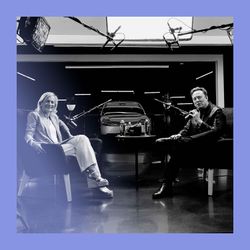
The Elon game: Musk’s vision of the future
27:42|After Elon Musk’s first extended interview since SpaceX’s blockbuster IPO, The Economist editor-in-chief reflects on what he told her: that AIs will be in charge in ten years, his dark view of Europe and the inevitably of civil war in Britain. At what age is a child responsible for their crimes? And remembering Mona Khalil, Lebanese protector of turtles. Watch extended clips from Elon Musk on “Insider” hereGuests and host:Zanny Minton Beddoes, editor-in-chief of The EconomistMaighna Nanu, editor of foreign newsletters Ann Wroe, obituaries editorRosie Blau, co-host of “The Intelligence”Topics covered: Elon Musk, AI, killer robots, far right, The Insiderchild criminals, criminal responsibility, gangsMona Khalil, Lebanon, turtles, conservationListen to what matters most, from global politics and business to science and technology—subscribe to The Economist.
An interview with Elon Musk
01:20:40|Elon Musk may be the most powerful man in the world. For his first extended interview since SpaceX’s blockbuster IPO, he sits down with Zanny Minton Beddoes, The Economist’s editor-in-chief, for The Insider, our video show for premium subscribers. They discuss the timeline for AI overtaking human intelligence, the rapid progress of China, the reasons for his interest in Europe and why he thinks he “got a little too involved” in politics.Watch the full show—and sign up to the Insider newsletter.Listen to what matters most, from global politics and business to science and technology—subscribe to The Economist.
For bucks’ sake: the rise of self-made billionaires
25:10|Many people, including politicians, love to hate the super-rich, and assume they have gamed the system. Yet our correspondent reports that a growing share of today’s wealthiest earned their money providing goods and services we all want. A new crackdown on scam compounds in Cambodia. And lessons from the ultimate political animal, Downing Street’s Larry the Cat. Watch “The Insider” interview with Elon Musk from 6pm BST, 1pm EST. Listen to our podcast series “Scam Inc”. Guests and host:Callum Williams, senior economics writerSue-Lin Wong, Asia correspondentChris Impey, co-editor of “The Intelligence”Rosie Blau, co-host of “The Intelligence”Topics covered: Billionaires, Elon Musk, Lionel Messi, Taylor SwiftScams, scam compounds, CambodiaLarry the Cat, Andy Burnham, Downing StreetListen to what matters most, from global politics and business to science and technology—subscribe to The Economist.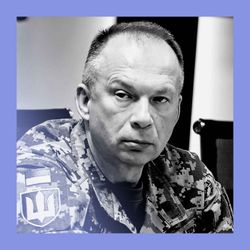
Kyiv brawl: Ukraine’s top general fired
21:34|Ukraine’s president Volodymyr Zelensky has fired the commander-in-chief of the armed forces, Oleksandr Syrsky. That follows days of protests at his sacking of the defence minister. Our correspondent analyses the fallout. America’s murder rate is falling, so why are cops killing more people? And a shift in the Japanese taboo on living in homes where people have died.Guests and host:Shashank Joshi, defence editorDaniel Knowles, US Midwest correspondentMoeka Iida, East Asia reporterRosie Blau, co-host of “The Intelligence”Topics covered: Fedorov, Syrsky, Zelensky, UkrainePolice killings, gun crime, murderJapan, haunted houses, jiko bukkenListen to what matters most, from global politics and business to science and technology—subscribe to The Economist.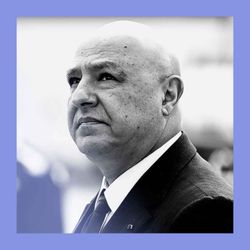
Hard cedar: Lebanon seeks Trump’s help
22:24|Today, Lebanon’s president Joseph Aoun visits the White House to ask for Donald Trump’s help rebuilding the country. Our correspondent reports from his recent trip to Lebanon on the challenges it faces. Threats to Red Bull’s magnificent marketing machine. And why the age gap between the wealthiest men and their wives is shrinking.Guests and host:Gregg Carlstrom, Middle East correspondentVendeline von Bredow, senior Germany correspondentDoug Dowson, data journalistRosie Blau, co-host of “The Intelligence”Jason Palmer, co-host of “The Intelligence”Topics covered: Lebanon, Beirut, Joseph Aoun, HizbullahRed Bull, energy drinks, extreme sportsTrophy wives, age gap, misogynyListen to what matters most, from global politics and business to science and technology—subscribe to The Economist.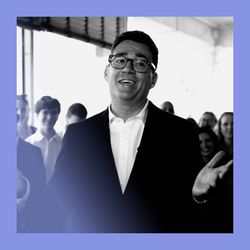
A firm Andy: what are new British PM’s plans?
26:19|Andy Burnham faces tough challenges as Britain’s new prime minister, both within his party and the country at large. Our correspondent analyses his prospects. After years of strife, how can Syria be rebuilt? And food markets have changed New York.Guests and host:Hugo Gye, Britain political correspondentGareth Browne, Middle East correspondentAnnie Crabill, senior digital editorRosie Blau, co-host of “The Intelligence”Topics covered: Andy Burnham, Keir Starmer, prime ministerSyria, Ahmad al-Sharaa, AssadNew York, street markets, farmers’ marketsListen to what matters most, from global politics and business to science and technology—subscribe to The Economist.