Share
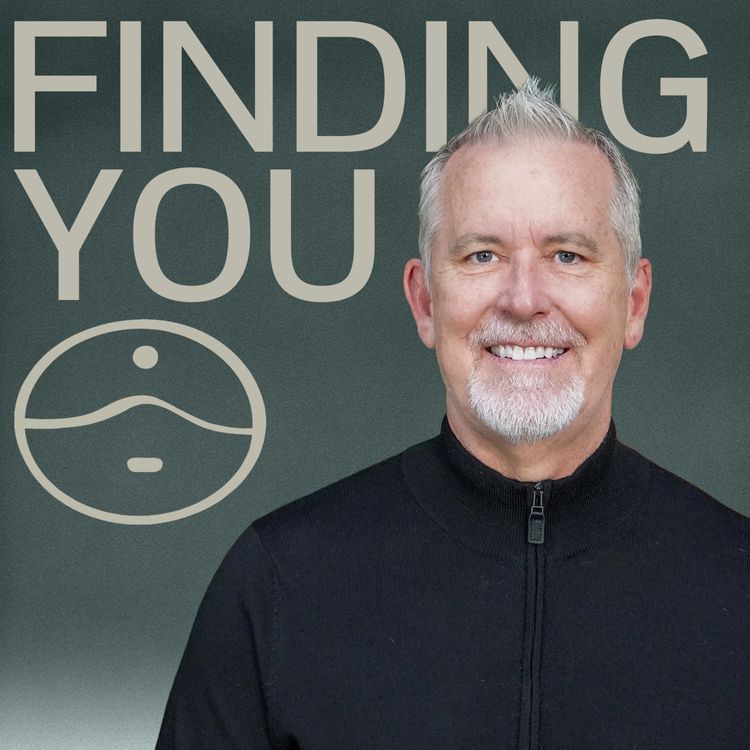
Finding You: with Dr. Brad Reedy
Describing the Look and Feel of the Work (A.M.A.) - Ep 725
•
Dr. Reedy takes live questions from the live audience. He addresses the practical look/steps/feel of the work we are engaged in on our therapeutic journey. He talks about loneliness on the journey. And he explains the best way to invite loved ones into the work with you.
More episodes
View all episodes
Building Intimacy - Ep 739
01:01:46|Why don't we do the things we know would bring us closer to the people we love?We're not short on instructions. Speak your truth. Tell your story. Be vulnerable. But a script for intimacy doesn't create intimacy - because the barrier was never knowing what to say. It's what happens in your body when you try.Last night's episode: Creating Intimacy. The shift from doing to being, why "just communicate better" doesn't move the needle, and what actually makes closeness possible - with your partner, your kids, your friends.Listen wherever you get your podcasts. Link in bio.#FindingYouPodcast #DrBradReedy #Intimacy #Relationships #Attachment #CouplesTherapy #MentalHealth #Therapy #Podcast #SelfWork #ConsciousRelationships #EmotionalHealth
Couple's Work: Letting Go of the Old Fights
57:26|Dr. Reedy talks about how in marriage we often project onto our partners things which are our responsibility. He explains that when we ask our partners to be responsible for our peace, we will use punishment to manipulate and control them. He explains that individual work must form the foundation of the work we do in couples.
The Odyssey: The journey back to yourself - Ep 738
01:01:19|Dr. Reedy, discusses mythology and the Odyssey. He explains that the story of Odysseus and his journey home is about the journey back to ourselves. He emphasizes the patience required to reverse this journey. He talks about the costs we pay along the way. And eventually, like Odysseus, the new version of ourselves may become unrecognizable and unacceptable to the people that expect us to be who we were.
Emotional Warmth (& Child Development) - Ep 737
46:53|Dr. Reedy discusses the impact on the development of the child when a warm, resonant part is present. He discusses the impact of affluence on a family's process around boundaries.
Choosing to Go "No Contact" with Family - Ep 736
01:00:27|Dr. Reedy discusses the trend of people going no contact with their family members. He explains how to respond when someone shares that they want to go no contact. He explains why people do and don't set such a boundary with family. members.
Sharing Feelings with Intention (AMA) - Ep 735
56:01|Dr. Reedy takes questions from the Inner Circle audience. He talks about the difference between sharing your feelings and asking others to be responsible for your feelings. He talks about the challenge when children don't forgive parents.
The Heroic Task of Listening - Ep 734
01:03:27|Dr. Reedy talks about what is required for us to be able to listen to the people that we love. He explains that unless we do our healing and account for our energy and capacity, listening to somebody share their painful feelings about us may feel like self betrayal. He explains that listening is one of loves other names. And the act of doing our healing work, may be the greatest act of love we can show to the people that are important to us.
Parental Anxiety and Children - Ep 733
59:34|Dr. Reedy discusses the impact of parental anxiety, especially anxiety that is un-owned by the parent, on the child. He explains that the child will interpret this distress in the parent as "something is wrong we me, the child." He also describes how a parent's nervous system becomes the blueprint for the child's developing nervous system and sense e of Self. He describes the coping strategies employed by the child when parental anxiety prevents attunement, connection, and a secure attachment.
Guilt, Blame and Accountability - Ep 732
01:09:01|Dr. Reedy discuss the negative influence of guilt on our lives and our relationships. He minimizes the often cited distinction between guilt and shame and talks about how both are obstacles on our journey towards mental health and intimacy.