Share

Torque
How To Talk To Your Children: A Clinical Psychologist's Toolkit for Parents Who Want To Connect
How To Talk To Your Children
A Clinical Psychologist's Toolkit for Parents Who Want To Connect
Guest: Dr David Marcus — clinical psychologist, 40 years working with families
Episode Description
Dr David Marcus has spent 40 years working with families under stress. What he sees, consistently, is not bad parents. It's parents making assumptions about their children that stop communication before it starts.
In this conversation, David walks through the four assumptions parents make about their children's emotionality — and why, if any one of them is false, you're not going to get a response. He introduces the concept of the soothing presence — what it actually means to be okay when the person in front of you isn't, and how that skill, when a child internalises it, becomes the foundation of their emotional resilience for life.
He talks about why asking why did you do that might be the worst question a parent can ask, what to say instead, and the power of the word something as a non-judgmental way into a difficult conversation. About the fairness trap with siblings. About how the history level — the accumulated memory of how conversations have gone before — fills us up before we even begin. About the pressures teenagers face. And about what he'd tell any parent right now who wants to connect more with their children.
This is an episode for parents. But as Dom reflects in the takeaway, the skills David describes go well beyond parenting — they apply to every difficult conversation you will ever have.
Timestamps
01:17 Introducing Dr David Marcus
01:36 What Does He Typically Witness in Families Under Stress?
02:42 The Four Assumptions Parents Make About Their Children
02:42 Assumption 1 — That Children Experience Their Emotions
03:46 Assumption 2 — That Children Can Tolerate the Intensity of Their Emotions
04:07 Assumption 3 — That Children Have the Language to Express Their Emotions
05:11 Assumption 4 — That It's Safe for the Child to Express Their Emotions With This Person
05:36 The Soothing Presence — Being OK When the Person in Front of You Isn't
06:40 The Temptation to Fix — Why It Doesn't Work
07:02 Emptying Out — Why Logic Doesn't Land When Someone Is Filled Up
07:50 How Parents Feel About Children Often Reflects How Children Feel About Themselves
08:16 Predictability as the Source of Trust
09:47 Unpredictable Parents — What It Does to a Child's Sense of Security
13:00 Screen Time — The Soothing Presence Problem of Modern Parenting
14:00 David's Pillow Story — When the Clinical Psychologist Got Mad
16:00 Why Children Need a Predictable Time When You Are Really There
18:00 The Dinner Table Conversation — Tell Me About Your Day
20:32 Why Did You Do That — The Worst Question You Can Ask
20:47 Something Made That Happen — A Better Way In
21:01 The Power of the Word Something — Non-Judgmental and Open
22:10 Mirroring Back — Emptying the Child Out
23:14 No Wonder You Did What You Did — Validating Without Approving
23:28 Productive Discipline and Building Resilience
25:03 Siblings — The Fairness Trap
26:53 The Emptying Out Process — What It Actually Means
29:01 The History Level — Getting Filled Up Before You Even Begin
32:00 Walls That Build Up Between People — How Communication Breaks Down
33:47 A Different Definition of Support
35:20 Teenagers Under Pressure — The Cost of Meeting Everyone Else's Expectations
36:58 David as a Parent — His Own Pitfalls
41:26 The Key Thing — Be OK Yourself First
42:44 Dom's Closing Reflection
You can find Dr David Marcus at
ParentRX - Dr. David Marcus Ph. D.
All Previous Episodes
https://shows.acast.com/torque
We want to hear from you
Get in touch through
Email - connect@mantorquexy.com
Instagram / Facebook / TikTok - @mantorquexy
Subscribe and leave a review
Original music composed and used with permission from Alex Tilley
Video Editing for Socials assistance provided by Lily O'Connor
More episodes
View all episodes
22. What having a Child with Autism Taught me about Connection and How to Let Go of the Child you Expected
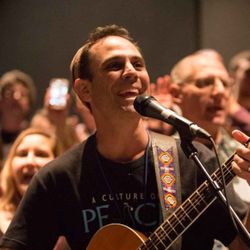
49:26||Season 1, Ep. 22Episode 22What Having a Child with Autism Taught Me About ConnectionHow to Let Go of the Child You ExpectedGuest: Craig Parks — camp director, musician and founder of Parenting HarmonyEpisode DescriptionCraig Parks has spent 30 years working with other people’s children. He’s a camp director, a musician and a parenting coach. When his son was diagnosed with autism at around 18 months, Craig and his wife had to readjust everything — the future they’d imagined, the social life they’d assumed, the milestones they’d expected. Their home became a place of constant therapy. They stopped going to gatherings. They became isolated. And Craig, for all his professional expertise with children, found himself learning that everything is harder with your own kids.In this conversation, Craig talks about what that early diagnosis actually meant for the family — emotionally, spiritually, financially. About the fear of never hearing his son say ‘I love you’. About the years of letting go, slowly, of the child he’d imagined. And about what he found instead: a son who teaches skateboarding to kids, DJs parties, plays drums in one of Craig’s bands, and is — as Craig says simply — a shining soul in this world.He also talks about the mundane moments that build a childhood — why the memories that last are almost never the big planned ones. About technology and how to navigate it with kids. About physical presence and what it does. And about his coaching work through Parenting Harmony, helping parents create a childhood both they and their children can look back on with gratitude rather than regret.Timestamps00:00 Cold Open — He Didn’t Get a High School Diploma. He Is a Shining Soul.00:48 Show Description and Coming Up01:37 Talk Ten — Quickfire Questions with Craig02:50 Craig Welcome to Talk02:57 30 Years Working With Other People’s Children — Is Your Own Easier?07:26 The Early Autism Diagnosis 08:57 What Craig Had Imagined — And What Had to Change10:21 The Home Becomes a Place of Constant Therapy11:49 Isolation — Stopping Going to Gatherings13:25 Letting Go of the Child You Expected15:00 The Fear of Never Hearing ‘Daddy’ or ‘I Love You’17:00 Grief — What Craig and His Wife Went Through23:00 Technology and Kids — What the Research Shows25:00 Physical Presence — Why Connection Requires the Body27:00 The Mundane Moments — Where the Real Memories Are Made29:00 Character Voices, Bedtime, Bathtime — Making the Ordinary Special31:00 Relationships Are Built on Moments33:00 Dom’s Experience — Being There for Sporting Fixtures35:00 Parenting Harmony — What It Is and Who It’s For38:00 Reactive Parenting — How to Catch Yourself42:00 His Son Today — Group Home, Skateboarding Business, Drummer44:43 The Fears That Came True — And Why They Don’t Define Him46:58 Dom’s Closing ReflectionAbout Craig ParksCraig Parks is a camp director, musician and the founder of Parenting Harmony — a coaching practice helping parents create deeper connection with their children and build a childhood both can look back on with gratitude. He has spent 30 years working with children of all ages and has 22 years of experience raising his autistic son Jonah alongside his daughter Nishama.Craig is based in the United States. Find him and Parenting Harmony at [insert website / social handles].You can find out about Craig and his work at Parenting Harmony | Notice More. Create More.InstagramAll previous Torque episodes available atTorque - Hosted by Dom FioreSome Episodes to tryFrom Patrol To Podium - Torque | AcastDebunking Sleep Myths - Torque | AcastLessons From A Father's Influence - Torque | AcastDiving Into Olympic Pressure - Torque | AcastOff Screen - Torque | AcastDo You Feel Frozen Out? - Torque | AcastWhat Makes A Man? Part 1 - From Anger to Understanding, A Journey of Growth - Torque | Acast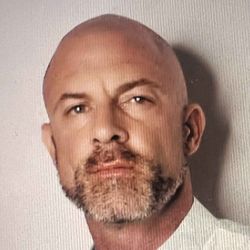
21. Big Brother to Bollywood: A Life Beyond Normal
52:01||Season 1, Ep. 21Episode 21Big Brother to BollywoodA Life Beyond NormalGuest: Benedict Garrett — British actor based in Mumbai, Bollywood film and TVTrigger WarningThis episode contains discussion of sexual assault and the adult entertainment industry. Timestamps for both sections are included below so you can skip them if needed.Sexual assault is discussed from approximately 07:31 to 13:54.The adult entertainment industry is discussed from approximately 05:18 to 07:31 and briefly again later in the episode.Timestamps00:37 Trigger Warning03:13 Growing Up in Middle England — Supportive Parents, High Expectations04:33 Obsessions05:18 The Adult Entertainment Industry — Liberating or an Act?06:34 Stripping, Escorting, Adult Film — What the Experiences Were Actually Like07:31 Sexual Assault — Three Incidents, Photographers and an Agent08:22 The Agent Who Used His Past Against Him10:00 Freezing — Why He Didn’t Stop It and Why That’s Normal13:54 Teaching — The One Job His Parents Told Him Never to Do15:21 The Tabloid Exposure — Past and Present Colliding17:30 Being Outed as a Former Adult Entertainment Worker While Still Teaching19:00 Big Brother 2012 — How He Got There21:00 What Big Brother Was Actually Like24:00 The Marriage Breakdown and the Decision to Go to India27:00 Arriving in Mumbai With Two Suitcases29:00 How He Got His First Roles in Bollywood32:00 23 Films in Four Years — Playing British Raj Officers35:13 How India Has Changed Him — Professionally and Personally38:13 Learning the History He Was Never Taught at School40:00 The British Empire’s Legacy — What He’s Learned Living It42:00 Immigration Hypocrisy — His Perspective as a British Expat in India44:00 His Social Media Presence and Why He Speaks Out46:00 What He Misses About the UK48:07 Quickfire Questions with Benedict50:39 Dom’s Closing ReflectionAbout Benedict GarrettBenedict Garrett is a British actor based in Mumbai, India. He has appeared in over 23 Bollywood feature films and multiple web series since moving to India in 2021, frequently playing British Raj era characters. Before India, he worked across banking, Transport for London, consulting, high school teaching, and spent time in the adult entertainment industry. He appeared on Big Brother in 2012.Benedict speaks openly on social media about immigration, the legacy of the British Empire, and life as a British expat in India.You can find Benedict atInstagramAll previous Torque episodes available atTorque - Hosted by Dom FioreSome Episodes to tryFrom Patrol To Podium - Torque | AcastDebunking Sleep Myths - Torque | AcastLessons From A Father's Influence - Torque | AcastDiving Into Olympic Pressure - Torque | AcastOff Screen - Torque | AcastDo You Feel Frozen Out? - Torque | AcastWhat Makes A Man? Part 1 - From Anger to Understanding, A Journey of Growth - Torque | Acast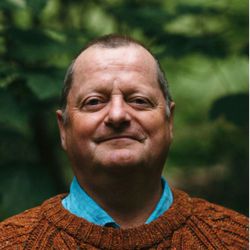
20. The High-Functioning Addict: A Foraging Teacher on How Plants Saved His Life
57:11||Season 1, Ep. 20Episode 20The High-Functioning AddictA Foraging Teacher on How Plants Saved His LifeGuest: Robin Halford — forager, somatic teacher and founder of EatWeedsTrigger WarningThis episode contains themes of addiction, homelessness and drug use. Please be aware before listening.Episode DescriptionRobin Halford spent years running a digital marketing training company — 15 hours a day, 7 days a week. He also spent years as a drug addict, hiding it well enough that he could stand in front of professional chefs, deliver a three-hour session, and nobody would know. High functioning, in the specific sense that he could still do the work. But as Robin says: the rest of your life is a shit show.By the time he hit rock bottom, his wife had divorced him, he’d lost his house, his daughter didn’t want to see him, he had a granddaughter he wasn’t allowed to meet, and none of his friends wanted him around. He ended up homeless for over a year — not a rough sleeper, but wandering Britain, teaching plants in exchange for a bed and a meal.In this conversation, Robin traces his story from a brutal childhood and an early calling to the priesthood, through 20 years of using, through getting clean in a Buddhist recovery community in Thailand, to the work he now does with plants — teaching people to forage, to heal, and to feel their body again through direct sensory experience.This is a conversation based in reality, not romanticism. It goes to some dark places and comes back with something real.Timestamps00:00 That’s What Happens When You’re a Really Good Drug Addict01:21 Talk Ten — Quickfire Questions with Robin03:37 The Calling to the Priesthood — Running Away From His Body07:20 A Brutal Childhood — Not Unusual, But Real07:50 Religion as a Drug — A Way to Bypass the Existential Void08:30 The Independent Catholic Bishop and the Contemplative Group10:15 The Out of Body Experience — The Choice to Come Back12:45 Belief Systems and Why He Left — I Want Direct Experience14:30 Setting Up EatWeeds in 200816:00 The Digital Marketing Company — 15 Hours a Day, 7 Days a Week18:30 When the Addiction Started to Take Hold21:00 The High-Functioning Addict — Delivering Three-Hour Sessions High as a Kite24:00 Eye Drops and Masking — How He Hid It26:00 The Friends Leaving — Can’t Deal With You, Rob28:00 How Good Could You Be If You Weren’t Using?30:30 Getting Clean in a Buddhist Recovery Community in Thailand31:30 The Fear That He Wouldn’t Be Able to Create Without the Drugs32:00 Get Out of Your Head, Come to Your Senses33:00 The TED Conference in Edinburgh — Better Sober35:00 Losing Everything — Wife, House, Daughter, Granddaughter37:00 Homeless for Over a Year — Teaching Plants for a Bed and a Meal40:00 Not a Rough Sleeper, But Homeless Nonetheless42:00 How Plants Became the Route Back Into His Body44:00 The Radio Analogy — Turning Up the Volume on Feeling46:00 The Practices That Kept Him From Dying48:00 Trauma in the Body — Monsters in the Dungeon50:00 Life Is the Workshop — Not a Process Weekend52:00 How Are You Behaving Every Day? That’s the Practice54:00 The Car Crash — Nine Lives Used Up55:27 Dom’s Closing ReflectionYou can find Robin at;W: https://www.eatweeds.co.ukW: https://www.thewayofdomeiIG:https://www.instagram.com/robinharfordofficial/ResourcesIf this episode has raised issues for you:Narcotics Anonymous UK: 0300 999 1212 — ukna.orgAlcoholics Anonymous UK: 0800 9177 650 — alcoholics-anonymous.org.ukSamaritans — free, 24 hours a day, 7 days a week: 116 123All previous Torque episodes available atTorque - Hosted by Dom FioreSome Episodes to tryFrom Patrol To Podium - Torque | AcastDebunking Sleep Myths - Torque | AcastLessons From A Father's Influence - Torque | AcastDiving Into Olympic Pressure - Torque | AcastOff Screen - Torque | AcastDo You Feel Frozen Out? - Torque | AcastWhat Makes A Man? Part 1 - From Anger to Understanding, A Journey of Growth - Torque | Acast
19. Duncan Rich — Somatic Healing for Men: On Dissociation, Men's Groups, and Getting Out of Your Head and Into Your Body
51:37||Season 1, Ep. 19Episode 19Somatic Healing for MenOn Dissociation, Men’s Groups, and Getting Out of Your Head and Into Your BodyGuest: Duncan Rich — musician, somatic coach and founder of MeldEpisode DescriptionDuncan Rich grew up in a household where the rules were strict and the emotional space was narrow. He learned early to dissociate — to cut off from what he was feeling because feeling it wasn’t safe. At 18 he was asked to leave the house. What followed was 15 years on the road as a drummer, touring, self-destructive behaviour, living in his head while his body carried everything he wasn’t able to process.The shift came slowly. He left New York City for the mountains, almost by accident — evicted from his apartment, went for a month, stayed. In the quiet, things started emerging. He found a men’s group, started doing body-based work, and spent a decade showing up every week to practice being present in himself. From that, Meld was born — an organisation building somatic practice and community for men.In this conversation, Duncan explains what dissociation actually is and where it comes from, how the body stores what the mind can’t process, and why understanding your problem doesn’t always solve it. He talks about the gap between knowing something and feeling it — and why that gap is where the real work lives.He also talks about men’s groups — why they work, how they’re different from therapy, what it means to sit in a circle with other men and actually practise being present. And about what he’s building with Meld: programmes, retreats, and a book on how to start your own men’s group using somatic practice.Dom also opens up in this episode about his own experience since the accident last year — a growing intolerance for people who aren’t willing to be genuine, and what Duncan said in response that quietly landed.Timestamps00:00 Ask a Man How He’s Feeling and It’s Like, Good00:47 Note from Dom — Urgent Arm Operation and What It Made Him Think About01:59 Torque Ten — Quickfire Questions with Duncan04:09 What Is Dissociation — Duncan’s Definition05:37 The Body’s Signal — There’s More Here, There’s More Here06:25 It’s a Survival Mechanism We’ve Turned Against Ourselves06:55 The Origin for Duncan — An Overbearing Household08:45 Not Allowed Out After School — The Rules and the Punishment10:10 Teaching Him He’s Unsafe, Not Teaching Him the Skills11:00 Shutting Down the Desire to Have Needs at All14:30 15 Years on the Road as a Drummer — Risky Behaviour and Running17:00 The Slow Down — Leaving New York City for the Mountains19:00 Things Starting to Emerge in the Quiet20:30 The Healing Space Is Very Feminine — Where’s the Stuff for Men?22:00 Finding the Men’s Group and the Somatic Practice24:00 What Happens in the Group — Presence, Breath, Body25:30 Why Children Dissociate — When Caregivers Can’t Handle What’s Happening27:10 It’s Not My Fault, But It Is My Responsibility28:50 Breaking the Cycle — Passing Something Different to His Son30:30 The Gap Between Knowing and Feeling32:00 Understanding Your Problem Doesn’t Always Solve It34:00 Why Men’s Groups Work — What’s Different About Being in a Circle36:30 The Nervous System in a Group Setting — Co-Regulation38:30 Somatic Practice — What It Actually Involves45:00 The CORE Programme — 10 Weeks, Men’s Group, Nervous System Education46:46 Where to Find Duncan and Meld48:09 Dom’s Closing ReflectionYou can find more about MELD @ InstagramAll previous Torque episodes available at Torque - Hosted by Dom FioreSome Episodes to tryFrom Patrol To Podium - Torque | AcastDebunking Sleep Myths - Torque | AcastLessons From A Father's Influence - Torque | AcastDiving Into Olympic Pressure - Torque | AcastOff Screen - Torque | AcastDo You Feel Frozen Out? - Torque | AcastWhat Makes A Man? Part 1 - From Anger to Understanding, A Journey of Growth - Torque | Acast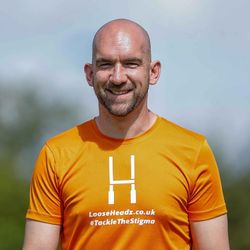
18. The Bald Ref: The Referee Standing Up to Abuse and Why Men Need to Talk
43:28||Season 1, Ep. 18The Bald RefThe Referee Standing Up to Abuse and Why Men Need to TalkGuest: Johnny Cartwright — rugby referee, primary school teacher, Loose Heads ambassadorEpisode DescriptionJohnny Cartwright is a primary school teacher, a dad, and a rugby referee operating at RFU National League level in the Manchester area. He is also the Manchester Referee Society Chair of Training and Development and a proud Loose Heads ambassador — an organisation that champions respecting the game and men's mental health beyond rugby.Known in the rugby world as the Bald Ref, Johnny has built a social media presence around calling out the abuse referees face on the pitch — not from the comfort of the touchline, but from the middle of it. In this conversation he talks about the incidents that shaped him: the under-15s coach who tried to get his home address after a game, the time nobody on the touchline spoke up to defend him and the silence that changed the way he operates, and the paradox of being reported for calling out abuse while the abuser walked away.He also talks about Waffle Wednesdays — a weekly voice note routine he built with two close friends to keep the lines of communication open between men who don't always find it easy to say how they're actually doing. And about Loose Heads, the world record attempts, and the goal of putting a mental health ambassador in every rugby club in the world.This is a conversation about standing up, speaking out, and the small habits that keep men connected.Timestamps01:28 Torque Ten — Quickfire Questions with Johnny02:42 Johnny Welcome to Talk02:49 Entry Into Refereeing — From Coaching to the Whistle03:39 The First Match — Nerves and a Ladies Game at a Familiar Club05:44 Women’s vs Men’s Rugby — The Difference in Spirit06:37 The First Time He Was Really Abused — An Under-15s County Cup Game08:40 The Coach Who Pointed, Made Accusations, and Tried to Get His Home Address10:20 Insinuations About Him as a Teacher — Where It Crossed a Line11:30 Nobody Said Anything — The Silence That Changed Him13:00 Becoming an Active Bystander — The Man Who Doesn’t Walk Past14:30 Why He Started Posting About It — The Bald Ref on Social Media16:00 The Paradox — Reported for Calling Out Abuse, the Abuser Walked Away18:00 What the RFU Is Doing — and Where the Gaps Are19:30 Respect the Ref — What Good Looks Like on a Touchline20:45 Waffle Wednesdays — Where It Came From21:38 How It Works — Voice Note, Two Close Friends, Every Week22:00 Why a Voice Note Rather Than a Phone Call23:13 The Beauty of Considered Rather Than Reactive Feedback24:25 What Happens When He Misses a Wednesday25:40 Men and Platitudes — Why We Don’t Say What We Mean27:00 LooseHeadz — What It Is and What It’s Trying to Do29:00 A Mental Health Ambassador in Every Rugby Club in the World30:30 The Personal Loss Behind Why He Does This32:00 Teaching Primary School Children vs Refereeing Adults34:00 Parents at Kids’ Rugby — The Grandma and the Forward Pass40:53 The Guinness World Record Attempt — Longest Game of Sevens Rugby42:09 Dom’s Closing ReflectionYou can find Jonny at https://www.linkedin.com/in/jonathan-cartwright-7401712b?utm_source=share_via&utm_content=profile&utm_medium=member_ioshttps://www.instagram.com/the_bald_ref?igsi=cjNoZXFjZXkyd20w&utm_source=qr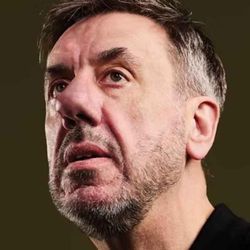
17. Losing Everything and Rebuilding a Life - My Journey with Alcohol and ADHD
38:33||Season 1, Ep. 17Losing Everything and Rebuilding a Life - My Journey with Alcohol and ADHDGuest: Cliff Sewell — mindset coach, ultramarathon runner and authorTrigger WarningThis episode deals with alcoholism, ADHD and suicidal thoughts. Please take care and bear that in mind before listening.Episode DescriptionCliff Sewell grew up in working-class northern England, built a highly successful recruitment business, became a millionaire, and spent years manufacturing every waking moment around one question: can I get to a pub? He was in the pub from 11 in the morning until 11 at night. He was constantly pretending to be somebody else.From the outside, he had everything. Inside, he was searching for something he couldn’t name. The business eventually collapsed. The money went. He found himself on a park bench waiting for the phone call that would tell him whether he’d lost everything he’d built. He reached the darkest point a man can reach.In this conversation, Cliff talks about when he first realised he was an alcoholic, what drove the drinking, the long road to sobriety, the suicidal thoughts that came with losing everything, and what it took to come back from that place. He also talks about a late ADHD diagnosis that reframed much of his story, becoming an ultramarathon runner in his 50s, and the mindset coaching work he now does with individuals and organisations.This is an honest conversation that goes to some dark places. It is also one of genuine hope.Timestamps01:01 Trigger Warning — Alcoholism, ADHD, Suicidal Thoughts01:39 Torque Ten — Quickfire Questions with Cliff04:57 When Did He First Realise He Was an Alcoholic?07:42 Everybody Thought He Had It All09:39 Cash, Success and the Drinking That Came With It10:30 Constantly Pretending to Be Somebody Else13:22 On the Park Bench — Waiting for the Call15:05 Carrying On Drinking After the Business Survived — Then Losing It17:16 When He Wasn’t Rich Anymore17:52 The Sobriety Journey — Where It Began20:14 The Really Dark Place — Suicidal Thoughts21:49 Coming Out the Other Side — Being Cautious About Talking22:52 His Daughter — Living Together Through the Dark Times24:19 Nobody Sets Out for Things to Go Wrong27:07 99% of Days He Doesn’t Think About Drinking28:38 Starting to Run — Typical Cliff, Going All In29:59 The 100K Goal — Getting to 84K32:35 Mindset Coaching — Making It Affordable and Accessible34:16 The Noise of Self-Help and What Actually Works37:11 It’s Not Just One Thing — Building Habits That Last37:31 The Real Benefits Beyond the Physical38:18 Dom’s Closing ReflectionResourcesIf this episode has raised issues for you, the following organisations can help:Samaritans — free, 24 hours a day, 7 days a week: 116 123Alcoholics Anonymous UK: 0800 9177 650 — alcoholics-anonymous.org.ukYou can find Cliff atCliff Sewell | High Performance & Success CoachCliff Sewell (@cliff_sewell) • Instagram photos and videosThe Magical Mindset Podcast with Cliff Sewell | Podcast on SpotifySuccess It's Personal: A clear and positive plan around change and achieving success: Amazon.co.uk: Sewell, Mr Cliff: 9798325562792: BooksPREVIOUS EPISODES - Torque - Hosted by Dom Fiore
16. The Millionaire Skydiver: How Winning the Lottery as an Addict Nearly Cost Me Everything
57:17||Season 1, Ep. 16The Millionaire SkydiverHow Winning the Lottery as an Addict Nearly Cost Me EverythingGuest: Peter John Mather — skydiver, entrepreneur, life coach and founder of Healthy Mindset RebelsTrigger WarningThis episode contains themes of addiction and suicide. Please be aware before listening.Episode DescriptionPeter John Mather won 5.2 million pounds on the lottery with his mum twenty years ago. He was 20 years old, already working in bars, already drinking, already using drugs. The money didn't solve any of that. As Peter says himself: it doesn't solve your problems, it just enhances them.What followed was almost two decades of addiction running alongside an extraordinary life — representing Great Britain at skydiving, building businesses in fireworks and sky sports, living across multiple countries, getting to within days of losing everything. A heart attack at 21. Suicide attempts. A relationship that left the country. Rock bottom in a foreign country, alone, having driven 26 hours through the night with everything he owned in the back of a car.And then — a phone call from a friend who had no idea what was going on. A Tony Robbins audiobook on a drive back from a party. Six words: change your environment, change your life. Five years clean and sober later, Peter is building Healthy Mindset Rebels and helping others find the same way out.This is a long, honest, and at times very dark conversation. It is also one of genuine resilience.Timestamps01:56 Torque Ten — Quickfire Questions with Peter03:05 What Life Looked Like Before the Lottery Win03:18 His Mum's Accident, Giving Up Golf, Going Into Bar Work04:27 Becoming a Cocktail Flair Bartender — When Alcohol Started06:38 Rinse and Repeat — Getting Clean, Falling Back In07:02 May 2005 — The Lottery Win With His Mum07:50 What 5.2 Million Did to a 20-Year-Old Addict08:20 It Didn't Solve the Problems — It Enhanced Them09:20 The People Around Him10:28 The Magaluf Job Offer — and Why the Money Stopped That11:40 The Most Publicised Lottery Winner12:55 The Heart Attack at 2114:30 What Caused It16:00 The Businesses — Fireworks, Skydiving, Seasonal and Unstable17:00 How He Got Into Skydiving21:00 Representing Great Britain — Sponsored, Competing, Still Drinking23:24 Skydiving as a Dopamine Hit — Same as a Line of Cocaine24:32 The Culture of Drink and Drugs in Skydiving26:10 Buying the Drop Zone — Three Days Before COVID Shut Everything Down27:47 From Zero Debt to 1.7 Million Overnight28:45 His Partner Leaving the Country31:35 Very Fortunate Not to Be Locked Up, Dead or Kill Someone32:20 Rock Bottom — Driving 26 Hours to Resolve the Relationship35:00 She Didn't Want to Be With Him — That Was the Real Rock Bottom36:30 The Suicide Attempts38:00 The Phone Call That Saved Him — A Friend Who Had No Idea40:20 Getting a Commitment to Go and Have a Meal With Someone41:00 The Recovery Journey — Bumpy, Non-Linear, Doing It for Her at First43:15 One Slip in the Caribbean — Then the Moment Everything Changed44:30 The Tony Robbins Audiobook on the Drive Home45:18 Change Your Environment, Change Your Life46:00 Moving to America, Starting Again47:00 Tony Robbins in His Life — Senior Leader, UPW Events48:00 Healthy Mindset Rebels — What He's Building Now50:00 Helping People Design a Healthy Lifestyle Around Food and Body51:30 Five Years Clean and Sober52:18 Protecting His Sobriety53:52 What He'd Say to Anyone Who Wants to Change Their Life55:22 Dom's Closing ReflectionYou can find Peter athttps://www.instagram.com/healthymindsetrebels/https://www.facebook.com/profile.php?id=61584908998789https://www.instagram.com/peterjohnmather1984/https://www.facebook.com/peterjohnmather1984Peter John Mather | LinkedInResourcesIf this episode has raised issues for you:Samaritans — free, 24 hours a day, 7 days a week: 116 123Alcoholics Anonymous UK: 0800 9177 650 — alcoholics-anonymous.org.ukNarcotics Anonymous UK: 0300 999 1212 — ukna.orgCALM (Campaign Against Living Miserably): 0800 58 58 58Previous EpisodesTorque - Hosted by Dom Fiore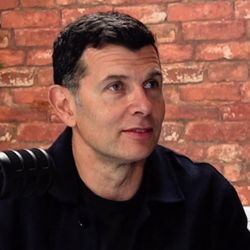
14. Just the Beginning — What 13 Conversations About Men's Mental Health Taught Me
09:52||Season 1, Ep. 14Just the BeginningWhat 13 Conversations About Men’s Mental Health Taught MeA solo episode with Dom FioreEpisode DescriptionThis episode wasn’t planned. A guest asked Dom to hold their episode back at short notice — for good reason — and rather than fill the gap with something formulaic, Dom used it to reflect on what thirteen conversations with men about pressure, identity and connection have actually taught him.It’s also almost exactly a year since Dom had an accident that resulted in a brain injury — the event that led directly to this podcast existing. This episode is the first time he talks about it publicly.Dom reflects on the thread that runs through every conversation so far: the gap between the version of ourselves we show the world and the version we actually are. Where that gap shows up. What it costs. And what it takes to begin to close it.He also talks about David ‘Jacko’ Jackson — a former professional rugby player who sustained a brain injury and is currently running 100 consecutive ultra marathons for Headway, the brain injury charity — and what Jacko’s challenge says about the human capacity to find purpose in the hardest circumstances.The episode ends with a direct message to the listener: you have the power and the agency to write your own story. This is just the beginning.Timestamps00:00 Why This Episode Is Different — A Guest Asked to Hold Their Episode Back00:53 What It Means — A Chance to Reflect on 13 Conversations01:00 13 Episodes, 13 Conversations With Men About Life Under Pressure01:25 Why This Show Exists — The Brain Injury Anniversary01:39 What the Brain Injury Changed — Physically, Cognitively, and How Dom Connects02:03 Talk Came Out of the Accident, Not in Spite of It02:37 David ‘Jacko’ Jackson — 100 Ultra Marathons for Headway03:17 What Jacko’s Challenge Says About Finding Purpose in Hard Circumstances03:29 The Thread — The Gap Between the Version We Show and the Version We Are03:50 How the Gap Shows Up Differently Across Every Episode04:26 What the Men in These Conversations Have in Common04:43 Reflection 1 — Most Men Are Carrying Something They Haven’t Named05:26 Reflection 2 — The Gap Between the Outside and the Inside05:53 Freddie at the Olympics Feeling Like a Fraud. Jason Feeling Invisible.06:01 Connection Is the Answer — Not Therapy or a Programme or a Book06:18 The Moment Things Usually Change — Feeling Heard for the First Time06:33 The Well Actually There Is Something Moment06:51 Identity — Who Are You When the Job, the Sport, the Title Disappears?07:11 What Every Guest Has Had in Common — Willing to Find Out What’s on the Other Side07:21 This Has Been a Journey of Discovery and It’s Far From Over07:31 The Brain Injury — What It’s Taken Away and What It’s Given07:53 Lower Tolerance for the Superficial Version of Connection08:00 Here’s How to Connect Properly08:13 I’m Not Willing to Let the Accident Be the End of My Story08:25 You Have the Power and the Agency to Write Your Own Story08:36 The Pressure Men Feel — Real, But Not Fixed08:48 It Shifts When We Talk. It Shifts When We Listen.09:05 Thank You — 48 Countries, 13 Episodes, Just the BeginningAbout JackoDavid ‘Jacko’ Jackson sustained a brain injury during his career as a professional rugby player. He is currently running 100 consecutive ultra marathons to raise money for Headway, the brain injury charity. He is also a running coach. Find him on InstagramHeadway is the UK’s leading brain injury charity: Headway - the brain injury association | Headway