Share
Talking General Practice
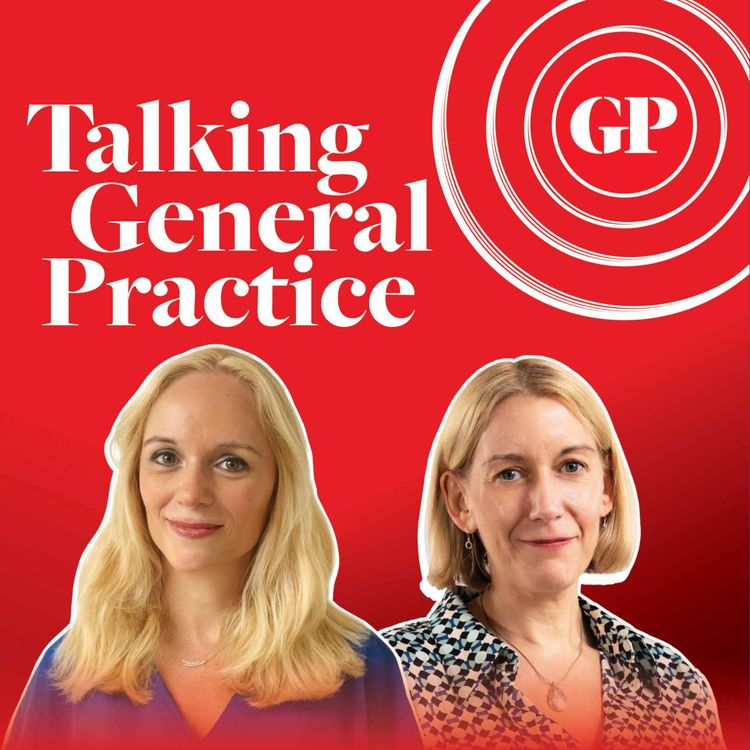
New RCGP chair Dr Victoria Tzortziou Brown on how to restore joy and pride in general practice
Emma speaks to the new chair of the Royal College of GPs Dr Victoria Tzortziou Brown, who took on the post at the end of November.
Victoria is the first international medical graduate to chair the college and has worked as a GP in East London for 20 years.
In this conversation, Victoria sets out her priorities for her time as chair, including defining the role of general practice in a changing healthcare system, tackling workload pressures and ensuring new technology supports GPs in practice - and why the college is running a consultation with members on these key issues.
She explains why she wants to bring hope back to the profession and help make general practice a sustainable and fulfilling career once again and highlights the importance of the college championing continuity of care as part of this.
Victoria also talks about the college's relationship with the government, her views on plans for a neighbourhood NHS and the current jobs crisis facing GPs, as well as the college's ongoing campaign to secure better visa rights for IMG GP registrars.
This episode was presented by GPonline editor Emma Bower. It was produced by Czarina Deen.
Useful links
Details of the RCGP consultation on its key priorities
Low pay could force IMG GPs to quit UK, doctors warn
Quarter of GPs use AI but 'wild west' rollout sparks safety fears
Nuffield Trust/RCGP report on how GPs are using AI
More episodes
View all episodes
37. Lessons from a pioneering practice on making neighbourhood health work
33:18||Season 6, Ep. 37Emma speaks to Dr John Ribchester, a GP partner at Whitstable Medical Practice in Kent, a practice that is frequently cited as a leading example of the ‘neighbourhood NHS’ in action. The practice has spent years shifting services like diagnostics, day surgery, and urgent care out of hospital and into the community.John explains the journey his practice took to develop this model, including the financial risks involved in building GP-owned premises capable of housing consultant clinics, diagnostics and an urgent treatment centre and why he believes working as a single-practice PCN has helped them to do this.He also highlights some of the challenges the practice has faced along the way and the changes he thinks the government could introduce to make working in this way easier. And he offers some practical advice for GPs and primary care teams looking to create change from the ground up.As part of the MIMS Healthcare Network, GPonline has produced a new report for our subscribers on neighbourhood health - view the report here..This episode was produced by Czarina Deen.MIMS Learning LiveMIMS Learning Live South is returning to London on Friday 12 June 2026, and tickets are free to book.This is your chance to boost your clinical know-how, connect with peers from across the UK, and gain fresh insights that can make a real difference in your patients’ lives. This year’s clinical programme covers issues including obesity management, paediatrics, women's health and cardiology.We’re also running a GP Business hub stream aimed at GP partners, practice managers and PCN managers, which will cover practice finance, neighbourhood working, using AI in practice and how to meet the challenges of rising patient demand.Get your tickets here www.mimslearninglive.com/south
36. Can the NHS win GPs over on advice and guidance, plus GP partnership fears
34:16||Season 6, Ep. 36In our regular news review, the GPonline team talks about advice and guidance after NHS England was forced to clarify that there was no national target for diverting GP referrals. They also look at some new guidance from the BMA on advice and guidance and whether GPs have been involved locally with the development of controversial single point of access systems that NHS England say will overhaul referrals.They discuss the state of the GP partnership after a private company, Operose Health, approached GP partners with the offer to ‘liberate them’ from the pressure of running a practice. And there’s a brief look ahead to the UK LMCs conference, which starts on 13 May.Our good news story this week is about a practice in North Yorkshire that has been saved from closure.This episode was presented by GPonline editor Emma Bower, deputy editor Nick Bostock and senior reporter Kimberley Hackett. It was produced by Czarina Deen.Useful linksCan NHS England bring GPs on board with advice and guidance reforms?NHS rules out 'national target' to cut GP referrals in advice and guidance updateBMA hails progress in talks with DHSC as GP collective action deadline nearsPrivate provider offers to 'liberate GP partners' from running NHS practicesGPs to debate quitting NHS amid warnings over 'Amazon-style' accessPractices rally round to stop village losing GP services
35. Why more research should happen in general practice - and how to get involved
28:59||Season 6, Ep. 35Emma speaks to Professor Greg Irving, an academic GP and the national specialty lead for general practice at the National Institute for Health and Care Research (NIHR).In this conversation, Greg discusses the essential role of research in general practice and how it is being embedded into the government’s 10-year plan as the NHS shifts focus from hospitals to the community. He explains the various ways the NIHR supports and funds research in primary care, highlighting opportunities for practices to get involved—from light-touch studies to more complex commercial research.Greg also addresses common concerns about the workload associated with research and highlights how it can improve quality of care, boost job satisfaction for the practice team, and help tackle health inequalities and offers practical advice for practices wanting to get involved.And Emma and Greg also discuss the shift toward neighbourhood working and how general practice is uniquely placed to lead research into complex challenges like multiple long-term conditions.This episode was presented by GPonline editor Emma Bower. It was produced by Czarina Deen.Useful linksNIHR School for Primary Care ResearchNIHR Regional Research Delivery Network (RRDN) Practices can access commercial study opportunities via the National Contract Value Review (NCVR)Funding and infrastructure opportunities that are available, such as the NIHR Capital Infrastructure NIHR primary care strategy and research programme
34. Why experienced GPs are leaving the NHS, spiralling GP workload, collective action
27:32||Season 6, Ep. 34This week Nick and Emma discuss GP retention and look at the reasons why experienced doctors are leaving the role and what the NHS needs to do to ensure more GPs remain in the job for longer.They talk about how the expanded use of online consultations has impacted on GP workload and fears about what this year’s GP contract – which introduces new same-day access targets and changes to GP referrals – and the push towards neighbourhoods could mean for practice workload.And they discuss the latest on this year’s GP contract, including what we know about the practice-level reimbursement scheme for GPs and possible collective action by GPs.This episode was presented by GPonline editor Emma Bower and deputy editor Nick Bostock. It was produced by Czarina Deen.Useful linksAdvice and guidance 'ping-pong' fuelling the GP retention crisisViewpoint: Why experienced GPs are leaving the NHS and how we can keep themGP workforce at 10-year high, government claimsGPs working 20 hours a day to clear avalanche of online requestsSteep rise in online consultations over past year, latest data showPreparations underway for return to GP collective actionPractice-level GP reimbursement scheme will not begin until May
33. Improving perinatal care and the role of primary care
33:36||Season 6, Ep. 33Emma talks to Dr Liz Dapré, an academic GP and co-chair of the group GPs Championing Perinatal Care (GPCPC) about the vital role of primary care in maternal and perinatal health.In this conversation Liz and Emma discuss the key problems in perinatal care across the NHS and what needs to happen to address some of these issues.Liz explains how GPCPC is working to ensure the voice of general practice is heard by national policymakers and what it does to support GPs.She also talks about health inequalities in maternal health, the role GPs can play in tackling these and provides practical advice on delivering high-quality 6-to-8-week postnatal checks – explaining why these should be seen as a holistic review of a woman’s transition to parenthood rather than just a series of clinical boxes to tick.And they talk about how GPs can better identify and support women following birth trauma, as well as managing gestational diabetes and the ongoing risks for women affected by this.This episode was presented by GPonline editor Emma Bower. It was produced by Czarina Deen.Useful links● Women with gestational diabetes should be referred to the Diabetes Prevention Programme● GPs Championing Perinatal Care● NHS England 6- to 8-week postnatal check guidance● Improving maternal postnatal check uptake in general practice using an opt-out equitable model of access: results of a 12- month quality improvement project, by Dr Dhiviya Tharan● City Birth Trauma Scale questionnaire
32. What happens now GPs have rejected the contract, plus will GP pay rise by 3.5%?
34:27||Season 6, Ep. 32Emma and Nick discuss the results of the BMA referendum on the GP contract and what happens next, including whether GPs will take action and what health and social care secretary Wes Streeting has said about this.They talk about this year’s GP contract deal after the DDRB recommended a 3.5% pay increase for GPs and practice staff and updated contract guidance for PCNs was published - highlighting some of the key challenges facing practices as the new financial year begins.Our good news story this week is about the annual British Social Attitudes survey, which showed satisfaction with general practice has risen to its highest point since 2021.This episode was presented by GPonline editor Emma Bower and deputy editor Nick Bostock. It was produced by Czarina Deen.Useful linksGPs vote overwhelmingly to reject 2026/27 contractGPs could start collective action in April if contract talks failGP pay rise 'could fall short' amid rising inflationGovernment reveals details of 2026/27 GP contract fundingGPs already hired with PCN cash can move to new practice-level schemeLack of detail on new GP reimbursement scheme ‘completely unacceptable’Public satisfaction with general practice highest since 2021
31. RCGP registrar co-chairs on the jobs crisis, the future of GP training and IMG GP visas
33:11||Season 6, Ep. 31This week Emma speaks to the RCGP’s registrar co-chairs, Dr Tom France and Dr Molly Dineen about the issues currently facing GP registrars across the UK.Tom and Molly talk about the ongoing GP jobs crisis and the intense frustration surrounding underemployment and unemployment at the end of training.They explain their concerns about the GP jobs available under the additional roles reimbursement scheme and stress the importance of a fully funded, detailed workforce plan from the government to address the mismatch between rising training numbers and available jobs.Tom and Molly also outline their key priorities for the year ahead, including the need for greater consistency in training and the urgent requirement for better visa sponsorship support for international medical graduates.And they discuss how GP training might need to change and what they would like to see from policymakers to ensure that general practice remains an attractive and viable career for the next generation of doctors.This episode was presented by GPonline editor Emma Bower. It was produced by Czarina Deen.Useful links● RCGP registrar committee● GP training resources on GPonline● Why a 'heartbroken' new GP gave up his dream career in UK general practice - Former RCGP registrar co-chair speaks to GPonline
30. What NHS guidance reveals about neighbourhoods, advice and guidance shake-up, GP locum rates
42:06||Season 6, Ep. 30This week Emma, Nick and Kimberley talk about the government’s plans for neighbourhoods - after the long-awaited neighbourhood health framework was published this week - and what it all means for general practice.They also look in more detail at how GP contract changes to advice and guidance link into this and whether these changes could impede GPs’ right to refer, what they could mean for workload in general practice and concerns about patient safety.And they discuss the results of our annual GP locum rates survey and what it tells us about rates of pay for locum GPs and how the jobs crisis has impacted on locums.Our good news story this week is about a new ADHD service set up by the GP federation in Leeds which is helping to cut waiting times for assessment and treatment.This episode was presented by GPonline editor Emma Bower, deputy editor Nick Bostock and senior reporter Kimberley Hackett. It was produced by Czarina Deen.Useful linksGovernment reveals how neighbourhood model will fit with GP contractNeighbourhood plans ramp up focus on GP access and advice and guidanceMinister outlines timetable for 'new Carr-Hill formula'Mandatory advice and guidance adds to patient safety risks, warns LMCGP locum rates fall in England but rise in rest of UKLocum GP earnings hit as most struggle to find enough workUncoordinated NHS reforms causing 'widespread disruption'
29. Tackling the GP jobs crisis and standing up for salaried and locum GPs
34:49||Season 6, Ep. 29This week Emma speaks to the co-chairs of the BMA sessional GP committee Dr Amy Small and Dr Kim Rollinson about the jobs crisis and how they hope to better represent sessional GPs.In this conversation they discuss how the shortage of jobs is affecting locum and salaried GPs across the country and what needs to be done to address this issue.They explain what salaried GPs should look out for when signing contracts, and what GP partners can do to be good employers and ensure their staff and locum GPs feel valued. They also talk about the push towards a neighbourhood NHS and what that could mean for sessional GPs, as well as how the rise in portfolio working is helping many doctors manage the intense pressures associated with being a GP.This episode was presented by GPonline editor Emma Bower. It was produced by Czarina Deen.Useful linksBMA sessional GP committee websiteGPs in Scotland end dispute as £531m funding deal agreedRaid on PCN cash to fund practice-level recruitment as ARRS rules changed