Share
Talking General Practice
Why more research should happen in general practice - and how to get involved
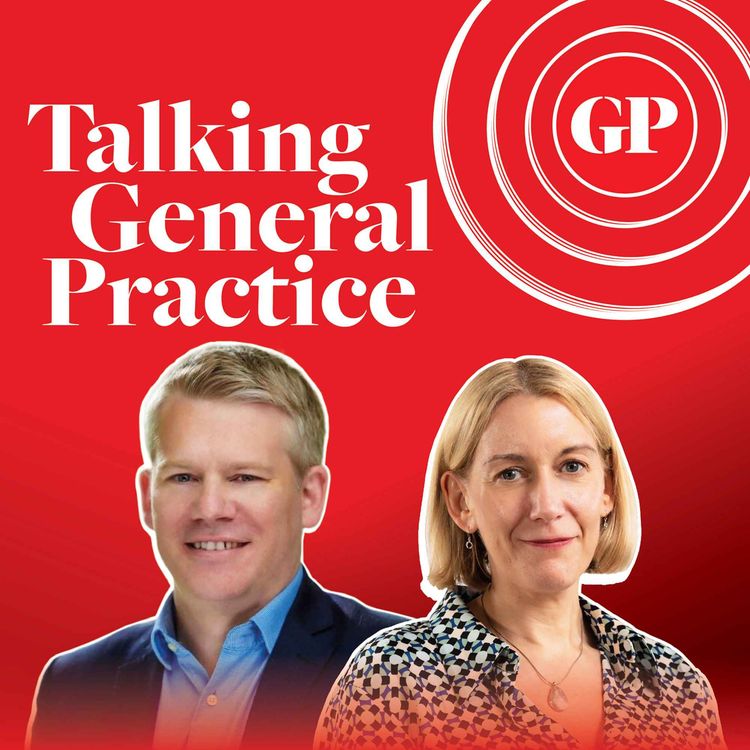
Emma speaks to Professor Greg Irving, an academic GP and the national specialty lead for general practice at the National Institute for Health and Care Research (NIHR).
In this conversation, Greg discusses the essential role of research in general practice and how it is being embedded into the government’s 10-year plan as the NHS shifts focus from hospitals to the community.
He explains the various ways the NIHR supports and funds research in primary care, highlighting opportunities for practices to get involved—from light-touch studies to more complex commercial research.
Greg also addresses common concerns about the workload associated with research and highlights how it can improve quality of care, boost job satisfaction for the practice team, and help tackle health inequalities and offers practical advice for practices wanting to get involved.
And Emma and Greg also discuss the shift toward neighbourhood working and how general practice is uniquely placed to lead research into complex challenges like multiple long-term conditions.
This episode was presented by GPonline editor Emma Bower. It was produced by Czarina Deen.
Useful links
NIHR School for Primary Care Research
NIHR Regional Research Delivery Network (RRDN)
Practices can access commercial study opportunities via the National Contract Value Review (NCVR)
Funding and infrastructure opportunities that are available, such as the NIHR Capital Infrastructure
More episodes
View all episodes
48. How women’s health hubs can help improve care
33:32||Season 6, Ep. 48This week Emma speaks to Dr Stephanie Cook, clinical lead for the Women's Health Hubs in Liverpool, a GP with a special interest in women's health, and a director of the Primary Care Women's Health Society.Stephanie discusses how women’s health hubs can bring care closer to home, slash waiting times, and help tackle health inequalities - and explains how the Liverpool hub model works in practice,We also discuss the systemic barriers facing women’s health services, including the lack of sustainable funding, the impact of removing women's health from the NHS planning guidance, and the importance of moving care from hospitals and into the community.This episode is presented by GPonline editor Emma Bower. It was produced by Czarina Deen.Useful linksRenewed Women's Health Strategy for EnglandPrimary Care Women’s Health Society women’s health hub toolkit
47. How can we ensure women GPs thrive in general practice?
29:49||Season 6, Ep. 47Emma speaks with Dr Ruth Abrams, an organisational psychologist and associate professor at the University of Surrey School of Health Sciences , about her recent research published in the BJGP on the conditions in which women GPs thrive.Ruth discusses why women GPs experience disproportionate rates of stress and lower career progression. She talks about the medical gender pay gap and outlines five practical actions individual GP practices can take right now to foster a fairer, more flexible, and supportive environment.Ruth also highlights critical gaps in current research and explains why we need national, systemic policy changes to ensure workforce sustainability, rather than simply telling individuals to be more resilient.This episode was presented by GPonline editor Emma Bower. It was produced by Czarina Deen.Useful linksInvestigating the conditions in which women GPs thrive in General Practice: A realist review - Ruth’s paper in the BJGPWorkplace Thriving - the website Ruth mentions in this conversationEasing parenting challenges in primary care workforce - an article by Ruth in the BMJ
46. Is the 10-year plan on track, GP premises challenges, job shortage for new GPs
39:54||Season 6, Ep. 46This week Emma, Nick and Kimberley look at the government’s 10-year health plan one year on and ask how much progress has been made, whether it is on track and what needs to happen next. They also talk about PCN contract variations after every practice in Kent signed up to the first deal of this kind.They look at GP premises after the government announced its 10-year capital investment plan for the NHS and NHS England chair Dr Penny Dash angered GPs after saying that GP practices have ‘twice as much floor space’ as they need. They also discuss some of the challenges of getting new premises developments off the ground.And they look at whether or not the GP jobs crisis is beginning to ease as thousands of GP registrars prepare to qualify in the coming weeks.This episode was presented by GPonline editor Emma Bower, deputy editor Nick Bostock and senior reporter Kimberley Hackett. It was produced by Czarina DeenUseful linksOne year on, is the 10-year health plan on track?Kent DES variation hands GPs ARRS cash upfrontAI triage rollout fast-tracked for GP surgeriesGP premises fund falls short of upgrade targetGP fury as NHS boss claims practices have twice the space they need'There aren't enough jobs': new GPs face waiting lists for shifts
45. Dr Katie Bramall on three years as BMA GP chair and why it's time to step back
40:38||Season 6, Ep. 45Emma speaks to BMA England GP committee chair Dr Katie Bramall about her decision not to stand for re-election when her three-year term ends this month and the highs and lows of her time in the role. Katie reflects on an extraordinary three years for general practice, including navigating challenging GP contract negotiations during a tight funding climate and leading historic collective action by the profession. She explains the personal and organisational reasons behind her decision to pass on the baton, and how she managed the intense internal and external challenges facing the committee. Katie also outlines what her departure means for the ongoing dispute with the government, updates us on the next phases of collective action, and shares her advice for her successor as well as her hopes for the future of general practice. This episode was presented by GPonline editor Emma Bower. It was produced by Czarina Deen. Useful linksGPs to refuse shared care agreements in third phase of collective actionBMA to ballot GPs on switch to 'Plan B' semi-private contract
GP Money Matters: GP career trends and financial planning
23:12|GP Money Matters is a series of special bonus episodes of Talking General Practice sponsored by Wesleyan where we look at key personal finance issues that affect GPs.In this episode GPonline editor Emma Bower talks to Wendy Baillie, a chartered financial planner and the retirement lead for the medical division at Wesleyan, about research the company recently undertook looking at GP career trends and GPs’ views on various personal finance issues.Wendy explains how GPs’ attitude to work has changed in recent years, the impact workload and future uncertainty about the GP contract has had on decisions to retire early or move towards a portfolio career, and what that means for GPs’ finances.She also offers some practical guidance for GPs on financial planning and ensuring they have the money they need for the future that they want.This episode was produced by Czarina Deen.This podcast is intended for general information purposes only and does not constitute financial advice. Individual circumstances may vary.Useful linksThe research mentioned in this podcast was commissioned by Wesleyan Assurance Society – visit wesleyan.co.uk/theory-in-practice for more information. To learn more about the financial considerations discussed in this podcast, you can book an appointment with a specialist financial adviser at Wesleyan Financial Services. Charges may apply. If you want to find out more about Wesleyan following this podcast, you can visit wesleyan.co.uk/gppodcastAbout WesleyanWesleyan Financial Services supports doctors with advice shaped around the realities of the profession.From complex income structures and portfolio careers to the NHS Pension Scheme and retirement options, its Specialist Financial Advisers work closely with doctors every day. Recognised by the NHS as able to give guidance on the NHS Pension Scheme, Wesleyan brings trusted expertise to key financial decisions. Combining financial planning, investment advice and protection, it helps doctors make confident, informed choices.96% of doctors rated their specialist financial adviser as very good or excellent, reflecting a focused service that helps doctors protect their income, grow wealth and plan ahead with confidence.Remember: The value of investments can go down as well as up, and you may get back less than you invest.'WESLEYAN' is the trading name of the Wesleyan Group of companies. Financial advice is provided by Wesleyan Financial Services Ltd.Wesleyan Assurance Society is authorised by the Prudential Regulation Authority and regulated by the Financial Conduct Authority and the Prudential Regulation Authority. Wesleyan Financial Services Ltd and Wesleyan Unit Trust Managers Ltd are authorised and regulated by the Financial Conduct Authority. Read more information about the Wesleyan group of companies.
44. GPs push back on list cleaning, QOF obesity flaws, ARRS underspend
27:27||Season 6, Ep. 44Nick and Emma look at the impact the current list cleaning drive has had on GP practices and explain why GP leaders have called for a pause in the process amid fears of inappropriate removals and a huge loss of funding for the profession.They talk about prescribing for obesity, after the BMA warned that the funding practices will receive for new QOF targets on this is unlikely to cover the cost of the work involved, and the union warned that some ICBs are cutting back on locally commissioned services related to prescribing Mounjaro since it has been added to the QOF.And they look at the additional roles reimbursement scheme after we found that millions of pounds earmarked for the scheme went unspent in 2025/26.Our good news story this week is about those GPs who received awards in the King’s Birthday Honours List.This episode was presented by GPonline editor Emma Bower and deputy editor Nick Bostock. It was produced by Czarina Deen.Useful linksGP funding 'siphoned off' by unprecedented scale of patient removals, warns BMALMCs demand urgent list cleaning review as fears rise over inappropriate removalsList cleaning chaos leaves popular GP practice on the brinkWhere have GP practices been hit hardest by list cleaning?GP practices could boycott underfunded QOF obesity targetMore than £81m of ARRS cash unclaimed in 2025/26GPs recognised in King's Birthday Honours List
43. Addressing the challenges facing rural general practice
30:10||Season 6, Ep. 43This week Emma speaks to GP Dr Emma Watts, a dispensing doctor based in Surrey and the chair of the RCGP's Rural Forum, about the distinct challenges facing rural general practice. Emma discusses how urban-centric policies, mounting financial constraints, and operational pressures are driving rural practice closures. She also highlights hidden health inequalities in rural areas, such as homelessness, and explains why the government's proposed framework for a neighbourhood NHS fails to consider the reality facing remote, rural, and dispensing practices. And she explains the Rural Minds Project, an innovative training programme using virtual reality headsets to support mental health in UK farming communities. This episode was presented by GPonline editor Emma Bower. It was produced by Czarina Deen. Useful linksRCGP Rural ForumRural Minds ProjectTalking General Practice episode with Dr Richard West from the Dispensing Doctors’ AssociationDispensing Doctors’ Association
42. GPs hit by list cleaning chaos, neighbourhood contracts, access vs continuity
37:26||Season 6, Ep. 42This week Nick and Emma talk about list cleaning, after an analysis by Nick showed that 350,000 patients have been removed from GP practice lists, resulting in a loss of around £45m from practice funding. Nick explains why this happens and the impact it has on individual practices.They discuss GP contracts, looking at the first area in England that has agreed a local variation to PCN contracts, BMA fears about what neighbourhood and integrated health organisation contracts could mean for general practice and whether financial pressures on the current GP contract could make GPs back an alternative model.And they look at the impact successive governments’ obsession with GP access has had, after a report from the House of Commons public accounts committee found that practices struggle to provide the care frail, older patients need because they are overwhelmed with targets linked to improving access.Our good news story this week is about an initiative in Greater Manchester that has helped cut hazardous prescribing.This episode was presented by GPonline editor Emma Bower and deputy editor Nick Bostock. It was produced by Czarina Deen.Useful links'Aggressive' list-cleaning drive strips 350,000 patients from GP practices'We're overwhelmed' - practices swamped by scale of patient removalsGPs agree first local PCN contract variation in £10m neighbourhood dealHospital-led general practice 'likely' outcome of government NHS plans, warns BMANHS England has overloaded GPs with access targets, MPs warn
GP Money Matters: Understanding your NHS pension and the McCloud judgment
32:41|GP Money Matters is a series of special bonus episodes of Talking General Practice sponsored by Wesleyan where we look at key personal finance issues that affect GPs.In this episode GPonline editor Emma Bower talks to Wendy Baillie, a chartered financial planner and the retirement lead for the medical division at Wesleyan, about the complexities of the NHS pension scheme and the specific challenges currently facing GPs.Wendy provides a recap on the McCloud judgment, the high court ruling about unfair changes to public pension schemes, and explains why the resulting administrative backlog is making it difficult for doctors to get the finalised numbers they need to plan their retirement.She discusses the risks of making decisions about retirement without full information on your pension and practical steps GPs can take at different stages of their careers to ensure their pension is in good health.Wendy outlines what you need to consider to ensure you have the retirement you want, particularly if you hope to retire early.This episode was produced by Czarina Deen.Useful linksFind out more about Wesleyan About WesleyanWesleyan Financial Services supports doctors with advice shaped around the realities of the profession.From complex income structures and portfolio careers to the NHS Pension Scheme and retirement options, its Specialist Financial Advisers work closely with doctors every day. Recognised by the NHS as able to give guidance on the NHS Pension Scheme, Wesleyan brings trusted expertise to key financial decisions. Combining financial planning, investment advice and protection, it helps doctors make confident, informed choices.96% of doctors rated their specialist financial adviser as very good or excellent, reflecting a focused service that helps doctors protect their income, grow wealth and plan ahead with confidence.Remember: The value of investments can go down as well as up, and you may get back less than you invest.Wesleyan Financial Services Ltd (Registered in England and Wales No. 1651212) is authorised and regulated by the Financial Conduct Authority. Registered Office: Colmore Circus, Birmingham B4 6AR. Telephone: 0345 351 2352. Calls may be recorded to help us provide, monitor and improve our services to you.