Talking General Practice
All Episodes
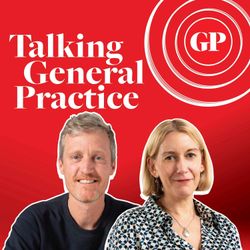
14. GPs face 2.4% pay rise, Yvette Cooper’s neighbourhood vision, LMC conference preview
36:22||Season 7, Ep. 14Emma and Nick discuss the government’s evidence to the Doctors and Dentists Review Body and what it had to say about the pay rise GPs should receive next year - and look at how the budget might affect general practice.They talk about health and social care secretary Yvette Cooper’s first appearance in front of the health and social care committee since she took on the role - and what she had to say about the NHS workforce plan, neighbourhoods and the abolition of NHS England. And discuss a report from the National Audit Office about the impact recent cuts to ICBs have had.They also look ahead to the England LMCs’ conference later this month and the issues that GP leaders will be debating and what this tells us about the profession’s big concerns at the moment.Our good news story this week is about the GP winners of the RCGP Research Paper of the Year awards and GPs and their teams who have been recognised for improving end of life care in the RCGP/Marie Curie Daffodil Standards Awards.This episode was presented by GPonline editor Emma Bower and deputy editor Nick Bostock. It was produced by Czarina Deen.Useful linksGovernment plans 2.4% pay rise for GPs in 2027/28Budget minimum wage rise and tax changes threaten extra pressure on GPsGPs in talks over taking control of hospital outpatient budgetWatchdog flags deep concern over ICB reformsRCGP Research Paper of the Year winners announcedGeneral practice teams recognised for improving end-of-life care
13. RCGP conference – Continuity of care, AI in general practice, value of a GP
45:48||Season 7, Ep. 13GPonline is the media partner for the RCGP annual conference and this is a special episode from a very packed event in Glasgow this week.Emma looks at what RCGP president Professor Victoria Tzortziou Brown said in her first speech to the conference as president.She speaks to vice presidents Dr Margaret Ikpoh and Dr Thomas Patel-Campbell about whether there is a bright future for general practice, how to protect GPs from burnout and art in medicine. Emma also talks to vice presidents Dr Munro Stewart and Dr Jamie Hynes about how AI is likely to change general practice and the RCGP’s role in supporting safe implementation of new technology.And she speaks to the outgoing RCGP Scotland chair Dr Chris Provan about his time in the post and some of the college’s work north of the border, including the college’s Value of a GP report. It was produced by Czarina DeenYou can find all of GPonline’s coverage from this week’s conference at https://www.gponline.com/rcgpSupported by MDDUSThis episode of Talking General Practice is supported by MDDUS. For more than 120 years, MDDUS has supported doctors with medico-legal expertise, professional indemnity and dedicated member support. From complaints and claims to ethical and professional challenges, their experts help doctors practise with confidence. Visit mddus.com to learn more.
12. RCGP president Professor Victoria Tzortziou Brown on the state of general practice, continuity and neighbourhoods
37:45||Season 7, Ep. 12Emma speaks to Professor Victoria Tzortziou Brown, president of the Royal College of GPs, ahead of the college’s annual conference in Glasgow this week.GPonline is the media partner for the RCGP annual conference and this is the first of two episodes that we’ll be producing from the event this week.In this episode, Victoria discusses the college’s first State of General Practice report, which was published this week, and the stark gap between government ambitions to shift care into the community and the reality of frontline capacity, funding, and GP retention. She explains why access targets must not come at the expense of continuity of care, why GP leadership remains vital on ICB boards, and discusses the safeguards needed around neighbourhood working, the single patient record, and AI.Victoria also talks about the college’s plans to strengthen research within general practice, what she hopes to convey to delegates in her first conference speech as president, and what gives her optimism for the future of the profession.This episode was presented by GPonline editor Emma Bower. It was produced by Czarina Deen.Read all of GPonline’s coverage from the RCGP annual conference this week at https://www.gpponline.com/rcgpSupported by MDDUSThis episode of Talking General Practice is supported by MDDUS. For more than 120 years, MDDUS has supported doctors with medico-legal expertise, professional indemnity and dedicated member support. From complaints and claims to ethical and professional challenges, their experts help doctors practise with confidence. Visit mddus.com to learn more.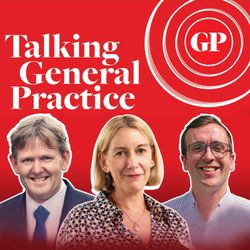
11. Unlocking the benefits of neighbourhoods - in conversation with the NAPC
39:28||Season 7, Ep. 11This week Emma speaks to Professor Andy Brooks and Dr Liam Loftus from the National Association of Primary Care, about the drive towards neighbourhood health and what it means for general practice. Andy is the NAPC’s clinical chair and Liam is head of policy at the organisation.Andy and Liam share insights from NAPC’s work supporting sites in the National Neighbourhood Health Implementation Programme, and explain why local relationships, trust, and leadership matter far more than new neighbourhood contracts.They also discuss concerns around proposed multi-neighbourhood providers, why general practice must form the foundation of neighbourhood working, and how to protect continuity of care and provide practical advice on what practices can do right now to get started. This episode was presented by GPonline editor Emma Bower and was produced by Czarina Deen.You can watch a video with more practical advice from this interview on how practices and PCNs can make the most of neighbourhoods on our GP Business website here - you will need to register for the site to watch the video, or use your GPonline login if you have one.Useful linksNAPC websiteViewpoint: Neighbourhood contracts bring risk - but also opportunity for GPsNeighbourhood contracts risk imposing form over function, warns NAPCHospital deficits block funding shift to neighbourhoods, NHS official admits
10. What GPs want from next year’s contract, how NHS delays affect GPs, the ‘left shift’ of funding
37:53||Season 7, Ep. 10This week Emma and Nick look at a whole host of GP contract issues, including changes to the GP reimbursement scheme, an update on list cleaning, NHS England threatening possible contractual action over same-day access and what GPs want from next year’s contract.They also discuss how specialist waiting lists and problems elsewhere in the system are piling pressure on general practice, following a recent survey of the public by the RCGP.And they talk about why the so-called ‘left shift’ of resources from hospitals to secondary care is so difficult and how the NHS is hoping neighbourhoods will enable the change this time around.Our good news story this week is about a practice that closed for four years due to short-staffing which is set to reopen.This episode was presented by GPonline editor Emma Bower and deputy editor Nick Bostock. It was produced by Czarina Deen.Useful resourcesFull details of practice-level GP reimbursement schemeMultimillion-pound list cleaning cuts 'will be reinvested in core general practice'What can GPs expect from the 2027/28 contract?GPs slam impact on capacity and safety after a year of unlimited online demandHow NHS delays are piling extra work on GPsHospital deficits block funding shift to neighbourhoods, NHS official admitsPractice to reopen and hire more GPs after £336,000 boost
9. GP and NICE CMO Dr Adrian Hayter on improving guidance for GPs, new tech and prescribing
37:18||Season 7, Ep. 9This week Emma speaks to Dr Adrian Hayter, a GP partner in Windsor and Chief Medical Officer at NICE.Adrian discusses why he made the move to NICE and what having a practicing GP in senior leadership at the organisation means for primary care as the NHS shifts focus towards community-based care and neighbourhood health teams.He explains how NICE is working to accelerate guidance approvals, how guidelines can be made more accessible for frontline clinicians managing patients with complex multi-morbidities, and the role of the upcoming Single National Formulary - and what it will mean for GPs, pharmacists and primary care teams. Adrian also explains how NICE is adapting its evaluation frameworks for emerging health technologies, including AI tools and medical-grade wearables.This episode was presented by GPonline editor Emma Bower. It was produced by Czarina Deen.Useful linksMHRA and NICE aligned pathway: how it's working in practice - article on NICE’s websiteInformation about NICE’s lifecycle approach to guidance developmentThe Pharmacists’ Summit - from MIMS Healthcare NetworkTwo evenings of online learning on 30 November and 1 December for pharmacists working in primary care. For more information and to register for your free place visit:https://www.mimshealthcarenetwork.co.uk/mims-learning-live-digital-the-pharmacists-summit
8. ARRS goes back to basics, GP contract priorities this year, Labour conference
37:19||Season 7, Ep. 8The GPonline team discusses the latest news affecting general practice. This week they look at the additional roles reimbursement scheme after an analysis of NHS data by Nick suggested that PCNs are starting to switch funding towards paying for more GPs and nurses as opposed to other healthcare professionals.Nick and Emma discuss the BMA England GP committee’s decision to postpone any escalation to collective action in a bid to reset its relationship with the government ahead of this year’s contract negotiations.They look at what that means and the key issues the BMA will be pushing for in this year’s contract talks.Meanwhile, this week Kimberley went to Liverpool to the Labour Party conference - she explains what the mood was like and what GPs attending the conference thought about it. And the team looks at what prime minister Andy Burnham and health and social care secretary Yvette Cooper had to say.And our good news story this week is about an innovative GP-led falls prevention initiative.This episode was presented by GPonline editor Emma Bower, deputy editor Nick Bostock and senior reporter Kimberley Hackett. It was produced by Czarina Deen.Sign up for GPonline updates with our 60-second GP email hereUseful linksARRS funding shift as PCNs prioritise doctors and nurses GPs in England postpone further action in 'reset' with governmentGPs urged to 'seize' neighbourhood model as Cooper hails improved access If hospital to community shift doesn't work - stop it, says RCGPInnovative GP-led falls scheme 'strong example' of neighbourhood benefitsThe Pharmacists’ Summit - from MIMS Healthcare NetworkTwo evenings of online learning on 30 November and 1 December for pharmacists working in primary care. For more information and to register for your free place visit:https://www.mimshealthcarenetwork.co.uk/mims-learning-live-digital-the-pharmacists-summit
Bonus episode: Urological cancer - key advice for GPs on referral, diagnosis and treatment
29:11|In this bonus episode of Talking General Practice Dr Netty Kinsella, uro-oncology nurse consultant and clinical lead for urology cancer diagnostics and active surveillance at The Royal Marsden NHS Foundation Trust, speaks to GPonline editor Emma Bower about urological cancer.Netty explains what makes the Royal Marsden's urology diagnostic service unique, and provides essential guidance for GPs on when to refer patients with suspected urological cancer.She talks about the latest on prostate cancer screening, including the National Screening Committee’s recent recommendation for a targeted programme, and how GPs should approach risk-adapted PSA testing. Netty also shares key insights into the role of MRIs, advanced biopsy technologies, and provides advice on managing haematuria and urgent testicular presentations in primary care.This episode was produced by Czarina Deen.This episode of the podcast has been sponsored by The Royal Marsden Private Care.About The Royal Marsden Private CareThe Royal Marsden opened in 1851 as the world's first hospital dedicated to cancer diagnosis, treatment, research, and education. Today, it operates as a specialist cancer centre and, working closely with its principal academic partner, the Institute of Cancer Research, is ranked among the top four institutions globally for the impact of its research. As a centre of excellence, The Royal Marsden pioneers the latest cancer treatments and technologies while leading the way in innovative cancer diagnosis, research, and education.As a specialist cancer centre, The Royal Marsden has the clinical expertise, facilities and technology to provide the very highest levels of private cancer care. Every cancer is different, and their multidisciplinary teams, consisting of over 2,500 world-leading cancer experts, provide patients with personalised and bespoke treatment plans.NHS and Private Care services are provided in parallel at The Royal Marsden, ensuring clinical need and urgency is prioritised over NHS or private status. Revenue generated by private care is reinvested back into the hospital, for the benefit of everyone. Find out more about this unique care model, including how revenue generated by Private Care is reinvested into the hospital, here: royalmarsden.nhs.uk/our-care-model.The Royal Marsden Private Care operates across sites in Chelsea and Sutton, a Medical Day Unit at Kingston Hospital, as well as a diagnostic and treatment centre at Cavendish Square in central London.Find out more about The Royal Marsden’s cancer services: royalmarsden.nhs.uk/private-care/londonGP.
7. Rethinking grief in primary care - how to deliver effective bereavement care
35:13||Season 7, Ep. 7This week Emma talks to Dr Lynsey Bennett, a GP in Oxford, about the educational resource she has co-developed to help primary care teams better understand grief and deliver effective bereavement care.Lindsay explains the simple, three-part consultation framework designed to help clinicians navigate conversations about loss within standard short appointments. She explains why outdated linear models of grief can be unhelpful, how to support patients without trying to 'fix' their pain, and simple changes practices can make to better support bereaved patients.She also covers how to spot signs of complex grief that require specialist psychological input, how practices can protect staff wellbeing, and why bereavement care needs higher priority across NHS training and policy.This episode was presented by GPonline editor Emma Bower. It was produced by Czarina Deen.Useful linksA primary care approach to bereavement | British Journal of General PracticeA compassionate bereavement response - Poster for clinical and waiting roomsNational Grief Awareness Week - Resources for running an awareness campaignExplaining grief - This is a resource compiled by GPs in London, and includes a poster summary of the consultation modelGrief and Bereavement in Primary Care - Good Grief - A short course for anyone who works in primary care. Broken down into seven one-hour webinars and available on demand for six months from the time you subscribe. Could be listened to as a podcast if downloaded.Good Grief – an online community which hosts events and courses that bring people together to gain insight and knowledge, hear stories they can relate to, and find support and healing as part of the Good Grief community.The Bristol Centre for Grief Research and Engagement - Mentioned in the interviewThe Pharmacists’ Summit - from MIMS Healthcare NetworkTwo evenings of online learning on 30 November and 1 December for pharmacists working in primary care. For more information and to register for your free place visit:https://www.mimshealthcarenetwork.co.uk/mims-learning-live-digital-the-pharmacists-summit
loading...