Share
Limitless Africa
"It wasn't just an overnight thing. Seeds were planted."
Season 2, Ep. 49
•
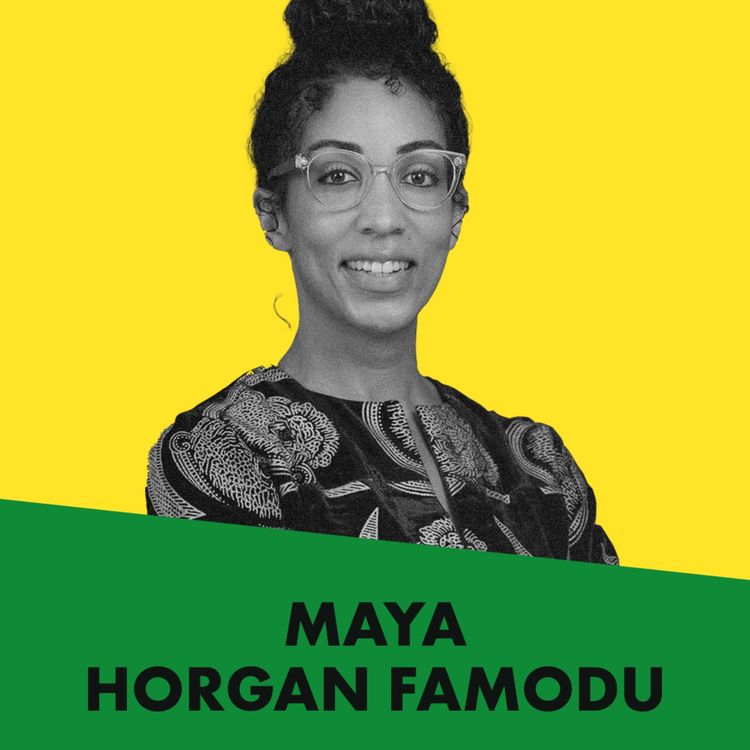
Maya Horgan Famodu is a American-Nigerian venture capitalist. She talks about being a third-culture kid, what it takes to raise a $50-million fund, and what she looks for when she invests in African start-ups.
More episodes
View all episodes
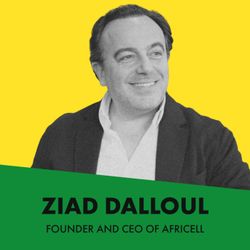
50. Ziad Dalloul - "We are a vocal and active champion of U.S. private sector investment on the continent"
29:11||Season 3, Ep. 50"It is important to present DRC and Angola in the way it should be presented."On Limitless Africa, we look at the ways in which Africans can fulfill their limitless potential. And we also look at how partnerships with allies like the United States can help that happen. That's why we're talking to Ziad Dalloul, the founder, president and CEO of AfriCell, the only U.S.-owned mobile network operator in Africa.AFRICEL's main hubs are Angola, the Democratic Republic of Congo, the DRC, the Gambia, and Sierra Leone. They have four thousand full time staff and have been going for over a quarter of a century. They have almost 20 million users across those four countries and generate $400million in revenue. It's worth reminding you AFRICEL is also responsible for the documentary Lobito Bound. It’s about the train line that connects Angola's Atlantic port of Lobito to the mineral-rich regions of the DRC and Zambia.And that's the key word: connects... connectivity is Africell's business. And when Africans connect among themselves and with the world, they will be able to fulfill their limitless potential.Plus: How American and Chinese telecommunications businesses differ.🌟 IN THIS EPISODE:00:00 — Africa + America: a new growth story00:24 — The only U.S.-owned mobile network in Africa02:13 — “Africa needs me”04:32 — Taking on telecom giants07:30 — The real risk of doing business in Africa10:27 — Why mobile money is still just getting started13:06 — Crypto, Binance and Africa’s digital future21:53 — The markets investors keep missing💬 QUOTES TO REMEMBER:“People should start paying closer attention to the extraordinary potential of markets like Angola, DRC, Sierra Leone and Gambia.”“We wanted to have something different — a more human touch, a more boutique kind of approach.”“It’s hard to predict exactly what innovations will come, but Africans always give things a local twist.”“There are a lot of opportunities in these countries — the growth and the dynamism are all there.”🌍 ABOUT LIMITLESS AFRICAThe podcast that asks how Africans and Americans can work together for shared prosperityEvery Monday: 15-minute episodes that dive into an issue that matters to AfricansEvery Thursday: extended interview with someone unlocking Africa's limitless potential➕ WANT MORE?How the Lobito Corridor could open up connectivity in central Africa https://trueafrica.co/article/podcast/the-railway-opening-up-mining-opportunity-in-africa/"How do you merge technology with human potential?" - the tech platform helping independent retailers https://trueafrica.co/article/podcast/how-do-you-merge-technology-with-human-potential/“African AI solutions are not being talked about” - Alex Tsado, the AI architect https://trueafrica.co/article/podcast/african-homegrown-ai-solutions-are-not-being-talked-about/💗 LOVE LIMITLESS AFRICA?Subscribe on Spotify, Apple or wherever you get your podcastsLeave a 5⭐ review – it helps get the word outShare with someone passionate about innovation in Africa🚀 FOLLOW LIMITLESS AFRICAInstagram: @_trueafricaWebsite: https://trueafrica.co/Substack: https://limitlessafrica.substack.com/🤝 FRIENDS OF LIMITLESS AFRICALimitless Africa is sponsored by the US Department of State and the Seenfire Foundation.
49. What should Africa be talking about?
15:44||Season 3, Ep. 49"A thriving Africa is better for the world than the Africa that we have today"Season 3 comes to a close, and this time, the hosts are in the hot seat. In this finale episode of Limitless Africa, Claude Grunitzky and Dimpho Lekgeu reflect on the conversations that defined the season, from Tomiwa Aladekomo on Africa's next chapter to Jean-Claude Homawoo on building Africa's own Silicon Valley, from Molly Jensen on podcasting across borders to GNL Zamba on peace and moral authority. They revisit standout moments, connect the dots across episodes, and finally answer the question they asked every guest: what should we be talking about that we're not talking about enough?Plus: Why an Apple producer is in Kenya🌟 IN THIS EPISODE:00:00 Africa’s limitless future starts here00:56 Why Africa must take control of its own destiny02:01 The secret behind Africa’s next tech boom: diversity04:25 How African creativity is making billions worldwide06:35 Why African art could change global power dynamics11:11 Can Africa’s stability shape the world’s future?14:12 The confidence revolution of young Africans💬 QUOTES TO REMEMBER:"The financial impact of African creativity is not just realized on the continent, but it's also felt in the diaspora. ""It's important to recognize the greatness in our African societies.""We all come from the same birthplace, which is Africa. So all of us have a lot in common and we are different"🌍 ABOUT LIMITLESS AFRICAThe podcast that asks how Africans and Americans can work together for shared prosperityEvery Monday: 15 minute episodes that dive into an issue that matters to AfricansEvery Thursday: extended interviews with people unlocking Africa’s limitless potential➕ WANT MORE?Why would an African-founded luxury brand choose to build its headquarters in the United States? https://trueafrica.co/article/podcast/why-an-african-luxury-shoe-brand-is-headquartered-in-the-u-s/Claude talks about what Africans can learn from the American mindset https://trueafrica.co/article/podcast/the-most-successful-people-have-had-their-own-failures/Who really benefits when African creativity goes global? https://trueafrica.co/article/podcast/how-can-african-creatives-make-money-from-their-art/💗 LOVE LIMITLESS AFRICA?Subscribe on Spotify, Apple, or wherever you get your podcastsLeave a 5⭐ review. It helps more people find the showShare with someone interested in sport in Africa🚀 FOLLOW LIMITLESS AFRICAInstagram: @_trueafricaWebsite: https://trueafrica.co/Substack: https://limitlessafrica.substack.com/🤝 FRIENDS OF LIMITLESS AFRICALimitless Africa is sponsored by the US Department of State and the Seenfire Foundation.
48. World Cup Special: "Ghana and South Africa just went there to compete the numbers"
55:03||Season 3, Ep. 48"Ghana, South Africa… they just went there to complete the numbers."Join the banter - The 2026 FIFA World Cup is almost here, and for the first time ever, 48 teams will compete across the US, Mexico, and Canada. Nine African nations have qualified, and the stakes have never been higher. In this extended episode of Limitless Africa, host Esther Appiah-Fei brings together three voices from across the African football world. They tell us what they really think: UltimateKombo (Obi Kevin Nduka), Nigeria's biggest football content creator; Gabriel Ajala, founder of Africa Sports Unified; and Ndeye Diara, founder of Africa Scores. Plus: Why the weather could play in Africa's favour🌟 IN THIS EPISODE:3:0 Ultimate Kombo's life choices5:50 Why France V Senegal is one to remember11:28 The US sports calendar16:40 How Nigeria missed an opportunity20:17 What it means to come to the US38:32 Looking forward to half time44:28 The fixtures to look out for47:36 Ambassadors for Africa💬 QUOTES TO REMEMBER:"For the first time ever, 48 teams will compete… and nine African countries have qualified.""On the African front, every African should be supporting Morocco and Senegal." – Ultimate Kombo"The World Cup is where the world comes together to see the best of players, cultures and food." – Gabriel Ajala"This is an opportunity for African players to showcase themselves on the biggest stage." – Gabriel Ajala🌍 ABOUT LIMITLESS AFRICAThe podcast that asks how Africans and Americans can work together for shared prosperityEvery Monday: 15-minute episodes that dive into an issue that matters to AfricansEvery Thursday: extended interview with someone unlocking Africa's limitless potential➕ WANT MORE?Why young Africans could be the champions in e-sports https://trueafrica.co/article/podcast/why-young-africans-could-be-the-champions-in-e-sports/Why Hollywood moguls are investing in African wrestling https://trueafrica.co/article/podcast/how-hollywood-moguls-are-investing-in-african-wrestling/How Africa is transforming video gaming https://trueafrica.co/article/podcast/how-is-africa-transforming-the-future-of-video-gaming/💗 LOVE LIMITLESS AFRICA?Subscribe on Spotify, Apple or wherever you get your podcastsLeave a 5⭐ review – it helps get the word outShare with someone passionate about tech in Africa🚀 FOLLOW LIMITLESS AFRICAInstagram: @_trueafricaWebsite: https://trueafrica.co/Substack: https://limitlessafrica.substack.com/🤝 FRIENDS OF LIMITLESS AFRICALimitless Africa is sponsored by the US Department of State and the Seenfire Foundation.
47. World Cup 2026: What does it mean for Africa?
15:01||Season 3, Ep. 47"Ghana, South Africa… they just went there to complete the numbers."Join the banter - The 2026 FIFA World Cup is almost here, and for the first time ever, 48 teams will compete across the US, Mexico, and Canada. Nine African nations have qualified, and the stakes have never been higher. In this episode of Limitless Africa, host Esther Appiah-Fei brings together three voices from across the African football world: UltimateKombo (Obi Kevin Nduka), Nigeria's biggest football content creator; Gabriel Ajala, founder of Africa Sports Unified; and Ndeye Diara, founder of Africa Scores and co-host of the Africa Business of Sports podcast. Together, they get into team predictions, the business of African football, what nine African teams on the world stage actually means, and why this tournament feels different.Plus: Why the Norwegians could suffer🌟 IN THIS EPISODE:00:00 World Cup Special: Africa’s Moment on the Global Stage 🌍00:00:42 Why the 2026 World Cup Will Change Football Forever ⚽00:01:19 Meet the Experts: Fans, Analysts & Creators 🎙️00:02:09 Argentina, Spain or Africa? Who Are We Supporting? 🤔00:04:42 Senegal vs France: Can History Repeat Itself? 🔥00:07:07 Nigeria’s Pain: Missing the 2026 World Cup 💔00:08:49 Can African Teams Finally Go Further? 📈00:12:04 Biggest Matches to Watch + Final Messages to Fans 🏆💬 QUOTES TO REMEMBER:"For the first time ever, 48 teams will compete… and nine African countries have qualified.""On the African front, every African should be supporting Morocco and Senegal." – Ultimate Kombo"The World Cup is where the world comes together to see the best of players, cultures and food." – Gabriel Ajala"This is an opportunity for African players to showcase themselves on the biggest stage." – Gabriel Ajala🌍 ABOUT LIMITLESS AFRICAThe podcast that asks how Africans and Americans can work together for shared prosperityEvery Monday: 15 minute episodes that dive into an issue that matters to AfricansEvery Thursday: extended interviews with people unlocking Africa’s limitless potential➕ WANT MORE?Why young Africans could be the champions in e-sportsWhy Hollywood moguls are investing in African wrestlingHow Africa is transforming video gaming💗 LOVE LIMITLESS AFRICA?Subscribe on Spotify, Apple, or wherever you get your podcastsLeave a 5⭐ review. It helps more people find the showShare with someone interested in sport in Africa🚀 FOLLOW LIMITLESS AFRICAInstagram: @_trueafricaWebsite: https://trueafrica.co/Substack: https://limitlessafrica.substack.com/🤝 FRIENDS OF LIMITLESS AFRICALimitless Africa is sponsored by the US Department of State and the Seenfire Foundation.
46. Andela - "Brilliance is evenly distributed. Opportunity is not."
28:54||Season 3, Ep. 46"Talent is global but opportunity sadly isn't."This week on the Limitless Africa podcast, we look at something young Africans care about: work! How work is changing, how you can get hired, how you can upskill, and what kind of work is out there - in fact these days more and more jobs can be done remotely, parrticularly in tech. For us, for young Africans, this shift matters. It allows talent from Lagos to Nairobi and Johannesburg (that’s me!) to work for companies based in California or New York or wherever really without leaving home. Andela is an American company doing just that - it’s a talent marketplace that trains and connects technologists from the continent and other emerging markets with leading companies around the world. It means American tech companies are getting high quality tech talent and Africans are sharing in the prosperity of Silicon Valley. We speak to Koffi Kelvin, who trained with Andela, and Nicola Lyons, the company’s talent lead.Plus: How Koffi helped his family🌟 IN THIS EPISODE:1:28 The Andela mission6:20 Why character matters more than skills10:14 The importance of AI skills14:15 Working remote17:59 Are Africans cheap labour?23:03 How to stand apart💬 QUOTES TO REMEMBER:"I'm able to be present in the lives of the people who matter to me""Price isn't really what Andela competes on with our global North American clients. It's the skills.""I feel like it's a huge plus for the companies which I get to work in to get my perspective as an African"🌍 ABOUT LIMITLESS AFRICAThe podcast that asks how Africans and Americans can work together for shared prosperityEvery Monday: 15-minute episodes that dive into an issue that matters to AfricansEvery Thursday: extended interview with someone unlocking Africa's limitless potential➕ WANT MORE?"How do you merge technology with human potential?" - the tech platform helping independent retailers https://trueafrica.co/article/podcast/how-do-you-merge-technology-with-human-potential/“African AI solutions are not being talked about” - Alex Tsado, the AI architect https://trueafrica.co/article/podcast/african-homegrown-ai-solutions-are-not-being-talked-about/Can Africa and America win the AI race? https://trueafrica.co/article/podcast/why-america-is-africas-best-partner-in-the-ai-race/💗 LOVE LIMITLESS AFRICA?Subscribe on Spotify, Apple or wherever you get your podcastsLeave a 5⭐ review – it helps get the word outShare with someone passionate about tech in Africa🚀 FOLLOW LIMITLESS AFRICAInstagram: @_trueafricaWebsite: https://trueafrica.co/Substack: https://limitlessafrica.substack.com/🤝 FRIENDS OF LIMITLESS AFRICALimitless Africa is sponsored by the US Department of State and the Seenfire Foundation.We've also included a little plug for one of our other favourite podcasts 'Unlocking Africa' hosted by Terser Adamu. Have a listen here: https://podcasts.apple.com/gb/podcast/unlocking-africa/id1603210129
45. How American tech platforms are changing the future of work in Africa
15:12||Season 3, Ep. 45"I was able to take my younger brother through university"Young Africans care about work because work is now the clearest route to mobility. In this episode of Limitless Africa, Claude Grunitzky explores how American tech platforms are transforming opportunity across the continent through remote work, AI upskilling, and online networking.Nicola Lyons explains how Andela evolved from a Lagos founded fellowship into an AI native data and services company supporting global enterprises. Koffi Kelvin, an engineer trained through Andela, describes how remote work makes it possible to contribute to companies like GitHub from Nairobi while earning above local market rates. Preston Ideh argues that Africa must not become only a consumer of AI tools and should move earlier in the value chain by building talent and products. Temi Badru closes with practical LinkedIn advice: share value, connect like a human, and stay consistent.Plus: The most annoying habit on LinkedIn🌟 IN THIS EPISODE:💬 QUOTES TO REMEMBER:🌍 ABOUT LIMITLESS AFRICAThe podcast that asks how Africans and Americans can work together for shared prosperityEvery Monday: 15 minute episodes that dive into an issue that matters to AfricansEvery Thursday: extended interviews with people unlocking Africa’s limitless potential➕ WANT MORE?💗 LOVE LIMITLESS AFRICA?Subscribe on Spotify, Apple, or wherever you get your podcastsLeave a 5⭐ review. It helps more people find the showShare with someone interested in tech in Africa🚀 FOLLOW LIMITLESS AFRICAInstagram: @_trueafricaWebsite: https://trueafrica.co/Substack: https://limitlessafrica.substack.com/🤝 FRIENDS OF LIMITLESS AFRICALimitless Africa is sponsored by the US Department of State and the Seenfire Foundation.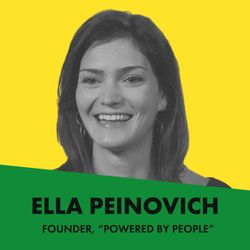
44. Ella Peinovich - "How do you merge technology with human potential?"
27:39||Season 3, Ep. 44"We ultimately are trying to level the playing field for independent brands to be able to sell into big major retailers."On this episode of Limitless Africa, we’re looking at how African businesses can sell to US customers. If you’re a homeware brand in Togo, or a clean beauty maker in South Africa or a jewelry manufacturer in Kenya, how can you get your product to American customers, those consumers shopping on Target, Etsy or Bloomingdale's? And it’s not a one-way street: those American retailers are also looking to stock amazing African homeware, accessories, lotions and potions - they are crying out for high quality products that are unique, and will delight their customers.That’s where amazing entrepreneurs like Ella Pienovich come in. She’s the co-founder behind PoweredByPeople, a multi-channel distribution platform that connects independent brands to over 100 million customers across more than 200 leading online retailers & marketplaces. Ella is opening up huge new markets, and offering digital innovation to African entrepreneurs.Plus: How clean beauty is the next trend.🌟 IN THIS EPISODE:1:35 Her first business4:13 Tech-powered humans5:52 The power of drop shipping11:51 Building a business in Kenya15:19 How to raise $20m18:49 Transparency and compliance22:55 The trends in retail25:52 The power of thinking big💬 QUOTES TO REMEMBER:"Transparency is part of the conversation, but the real shift I'm seeing is around compliance.""That's my own little secret ambition is to replace mass produced product in the retail market."🌍 ABOUT LIMITLESS AFRICAThe podcast that asks how Africans and Americans can work together for shared prosperityEvery Monday: 15-minute episodes that dive into an issue that matters to AfricansEvery Thursday: extended interview with someone unlocking Africa's limitless potential➕ WANT MORE?Why an African luxury shoe brand is headquartered in the U.S. https://trueafrica.co/article/podcast/why-an-african-luxury-shoe-brand-is-headquartered-in-the-u-s/How hip hop can build empires https://trueafrica.co/article/podcast/how-hip-hop-can-build-a-business-empire/💗 LOVE LIMITLESS AFRICA?Subscribe on Spotify, Apple or wherever you get your podcastsLeave a 5⭐ review – it helps get the word outShare with someone passionate about creativity in Africa🚀 FOLLOW LIMITLESS AFRICAInstagram: @_trueafricaWebsite: https://trueafrica.co/Substack: https://limitlessafrica.substack.com/🤝 FRIENDS OF LIMITLESS AFRICALimitless Africa is sponsored by the US Department of State and the Seenfire Foundation.
43. Why an African luxury shoe brand is headquartered in the U.S.
15:01||Season 3, Ep. 43"I became extremely fascinated with Mansa Musa's story."Why would an African-founded luxury brand choose to build its headquarters in the United States?In this episode of Limitless Africa, host Claude Grunitzky speaks with Armando Cabral, founder of Armando Cabral Footwear, who was born in Guinea-Bissau and now runs his brand from New York. Cabral explains how his African heritage shapes his design philosophy, why he describes himself as a “cultural design activist,” and how the pandemic pushed him to research West African history more deeply, including the Mali Empire and Mansa Musa.Cabral also breaks down the practical business logic behind locating in the U.S. market: access to entrepreneurial energy, stronger retail networks, and an ecosystem that responds to ambition with enthusiasm rather than skepticism. He shares what it took to land major American retail partnerships, including Bloomingdale’s, and how collaborations with brands like Allen Edmonds validated the global appetite for authentic African storytelling paired with uncompromising quality.Finally, the episode confronts a hard question: why not manufacture in Africa today? Cabral offers an unglamorous but important answer about infrastructure, expertise, and the realities of scaling craft at luxury standards, while still articulating a long-term vision of expanding retail presence across the African continent.Plus: Three tips for entrepreneurs🌟 IN THIS EPISODE:1:12 From model to cultural design activist2:36 Why Mansa Musa inspired a fashion label4:49 Expansion in Africa5:42 U.S. H.Q7:30 The African consumer9:19 Manfacturing in Africa10:52 Getting Bloomingdale's💬 QUOTES TO REMEMBER:"In order to know where you're going, you need to know where you come from.""African heritage is very unique.""It's going to be tough, but eventually you will succeed. "🌍 ABOUT LIMITLESS AFRICAThe podcast that asks how Africans and Americans can work together for shared prosperityEvery Monday: 15 minute episodes that dive into an issue that matters to AfricansEvery Thursday: extended interviews with people unlocking Africa’s limitless potential➕ WANT MORE?"If there is something that Africa can learn from America, it's that abundance mindset." - Olugbenga Ogunbowale https://trueafrica.co/article/podcast/if-there-is-something-that-africa-can-learn-from-america-its-that-abundance-mindset/"Sometimes to build Africa, you have to leave Africa" https://trueafrica.co/article/podcast/sometimes-to-build-africa-you-have-to-leave-africa/💗 LOVE LIMITLESS AFRICA?Subscribe on Spotify, Apple, or wherever you get your podcastsLeave a 5⭐ review. It helps more people find the showShare with someone interested in Africa’s creative industries🚀 FOLLOW LIMITLESS AFRICAInstagram: @_trueafricaWebsite: https://trueafrica.co/Substack: https://limitlessafrica.substack.com/🤝 FRIENDS OF LIMITLESS AFRICALimitless Africa is sponsored by the US Department of State and the Seenfire Foundation.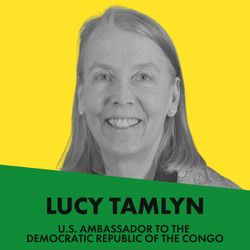
42. Ambassador Tamlyn - "It's a youth boom that the world has never seen"
22:02||Season 3, Ep. 42"One thing that I really was not as aware of as perhaps I should have been, was the deep and abiding Congolese sense of having a long term relationship with the United States."Ambassador Tamlyn has spent much of her career working across Africa, from Sudan and the Central African Republic to Mozambique, Chad, and now the Democratic Republic of the Congo. The DRC has Africa’s fourth-largest population at around 112 million. Yet it remains one of its poorest countries and that's despite being the world’s biggest producer of cobalt. Vast mineral wealth has in part fuelled a two-decade-long conflict in the east, one the United States has been trying to end. Could this be a breakthrough for a new foreign policy approach known as 'commercial diplomacy'? I spoke to one of Washington’s most experienced ambassadors. Plus: Why the US needs to care about Congo🌟 IN THIS EPISODE:2:41 The shared DNA between Congo and the USA4:08 Congo's potential7:44 The American company boosting connectivity in Congo9:10 The competing interests in South Kivu14:07 Can business bring peace?16:06 Battling corruption18:23 The Congolese consumer💬 QUOTES TO REMEMBER:"The Congolese are very proud of the Ali - Foreman fight.""They're consumers of American goods, American services, American education, American sports activities.""Our goal through encouraging better government, governance, transparent governance, accountability is to try to encourage the government to hold all investors, all economic partners, to the same standard, the standards of the laws of the country."🌍 ABOUT LIMITLESS AFRICAThe podcast that asks how Africans and Americans can work together for shared prosperityEvery Monday: 15-minute episodes that dive into an issue that matters to AfricansEvery Thursday: extended interview with someone unlocking Africa's limitless potential➕ WANT MORE?“Foreign aid has fuelled corruption, dependence, weak governance” Maya Horgan Famodu doesn't hold back https://trueafrica.co/article/podcast/foreign-aid-has-fuelled-corruption-dependence-weak-governance/The next generation of mines bringing value to Africa https://trueafrica.co/article/limitless/the-next-generation-of-mines-bringing-value-to-africa/Is venture capital the right choice for African start-ups? https://trueafrica.co/article/podcast/is-venture-capital-the-right-choice-for-african-start-ups/💗 LOVE LIMITLESS AFRICA?Subscribe on Spotify, Apple or wherever you get your podcastsLeave a 5⭐ review – it helps get the word outShare with someone passionate about industry in Africa🚀 FOLLOW LIMITLESS AFRICAInstagram: @_trueafricaWebsite: https://trueafrica.co/Substack: https://limitlessafrica.substack.com/🤝 FRIENDS OF LIMITLESS AFRICALimitless Africa is sponsored by the US Department of State and the Seenfire Foundation.