Latest episode
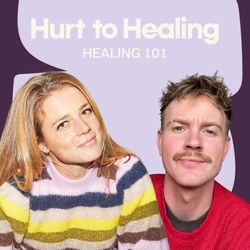
HEALING 101: Understanding Intrusive Thoughts | Zachary Tucker
10:33|Today I'm joined by OCD advocate and content creator Zachary Tucker for a conversation about one of the most misunderstood aspects of OCD: intrusive thoughts.We explore what intrusive thoughts really are, why reassurance can actually keep OCD going, some of the lesser-known forms of the condition, and where to find support if you think you might be struggling yourself.
More episodes
View all episodes
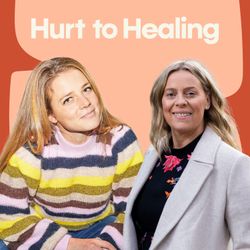
Why We Never Feel 'Enough' | Katriona O'Sullivan
38:58|Today I'm joined by the brilliant Katriona O'Sullivan - psychologist, bestselling author, and one of the most insightful voices on trauma, self-worth and our relationship with our bodies. We talk about her powerful new book, Hungry, and explore how our earliest experiences shape the way we see ourselves, why so many of us feel we're never enough, and what it really takes to heal. This is an honest, moving conversation about body image, eating disorders, trauma, self-compassion and finding freedom in your own skin. I hope you enjoy our conversation.Find Katriona:https://katrionaosullivan.co.uk/Read her book 'Hungry': https://amzn.eu/d/00OPjRTX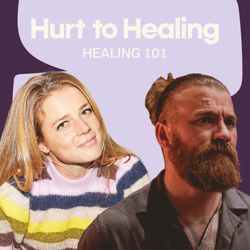
HEALING 101: How Breathwork Can Help You Heal with Josh Connolly
17:17|Today I'm joined by resilience coach and breathwork facilitator Josh Connolly for a conversation about somatic healing, breathwork and the powerful connection between our minds and bodies.We explore how emotions can become trapped in the body, why practices like breathwork and movement can help us process difficult experiences, and some simple tools you can use to feel more grounded, present and connected to yourself.
The Truth About Teen Mental Health, Smartphones & Social Media | Natasha Devon
39:15|This week I'm joined by writer, broadcaster and mental health campaigner Natasha Devon.Natasha has spent nearly two decades working in schools, speaking to thousands of young people about everything from anxiety and perfectionism to social media, body image and friendship. In this episode, we get into what's really happening to the next generation, from the impact of smartphones and AI to why genuine human connection is becoming harder to find.We also talk about why banning social media might not be the answer, what parents are getting wrong, and why Natasha believes authenticity, not perfection, is what young people need most. We also chat about her brilliant new book, The Nuance Drought, which explores how we've lost the ability to have thoughtful, balanced conversations in an increasingly polarised world.Find Natasha:Website: https://www.natashadevon.com/Instagram: @_natashadevonBuy her books: https://www.natashadevon.com/books
HEALING 101: What We Get Wrong About Autism with Ella Willis
16:46|Today I'm joined by content creator and autism advocate Ella Willis for a conversation all about autism spectrum disorder, diagnosis, sensory overwhelm and what it's really like to navigate the world as an autistic person.We explore some of the biggest misconceptions about autism, how autism can present differently in women, the diagnosis process, and practical ways to better understand and support both yourself and the autistic people in your life.Find Ella:Instagram: @_ellawillisBuy Ella’s book: https://amzn.eu/d/0cmX9SiQ
ADHD, Autism & the Hidden Cost of Masking | Ellie Middleton
49:28|This week I'm chatting to author, speaker and neurodiversity advocate Ellie Middleton, whose brilliant book Unmasked has helped thousands of people better understand what it really means to be autistic or ADHD.We talk about what it feels like to receive a late diagnosis, the exhausting reality of masking, why so many women go undiagnosed for years, and how finally understanding your brain can completely change the way you see yourself. Ellie also shares her experience of burnout, people-pleasing and learning to build a life that works with her brain, rather than constantly fighting against it.Find Ellie:Website: https://www.weareunmasked.com/ellieInstagram: @elliemiddsBuy her books: https://amzn.eu/d/0hpH8QNl
HEALING 101: How to Build a Healthier Relationship with Sex | Kate Moyle
15:09|On today's Healing 101, I'm joined by the brilliant Kate Moyle, psychosexual therapist and relationship expert, for a conversation all about intimacy, desire, communication and what it really means to have a healthy relationship with sex.We talk about why so many people feel disconnected from their bodies, the impact mental health can have on intimacy, how to communicate your needs with a partner, and the small things we can do to feel more connected to ourselves and each other.Find Kate:Instagram: @katemoyletherapyWebsite: https://www.katemoyle.co.uk/Listen to Kate's podcast, The Sexual Wellness Sessions: https://podcasts.apple.com/gb/podcast/the-sexual-wellness-sessions/id1527311547