Share
![cover art for [Encore] Taylor Swift is Autistic](https://open-images.acast.com/shows/6889fedbbe8bca0ca288454a/1755096976152-78e4494b-d98d-4066-ba5a-6e43ba3728f8.jpeg?height=750)
Autistic Culture Presents...
[Encore] Taylor Swift is Autistic
Episode originally aired: April 9 2024
With the announcement of TS12, Taylor Swifts new album 'The Life of a Showgirl', this episode is more relevant than ever. We're on hiatus, but bringing this powerful conversation back into the feed for any Autistic Swiftie listeners.
💡 What You’ll Learn in This Episode
- Autistic-coded traits in Taylor Swift – From encyclopaedic cat knowledge to embedding riddles, puzzles, and Easter eggs into her music.
- Outsider perspective in her lyrics – How her songs describe masking, outsider feelings, and belonging in ways deeply resonant with autistic experience.
- Justice sensitivity – Exploring the intersection of fairness, expectation sensitivity, and creative expression.
- Family tree and neurodivergence – Why Swift’s relatives may offer hints of autism’s genetic component.
- The role of privilege – How capitalism, public image, and access shape her career and influence.
- Cultural anthems – Why “Shake It Off” feels like a rallying cry for many autistic individuals.
🌟 Connect With Us
📱 Follow us on Instagram
🎧 Find us on Apple Podcasts and Spotify
🛍️Our Autism-affirming merch shop
🌐 Learn more at www.autisticculturepodcast.com
🎙️ Executive Producers: Amy Burns, Anamaria B Call, Andrew Banner, Anna Goodson, Ashley Apelzin, Audrea Volker, Ben Coulson, Brian Churcek, Cappy Hamper, Carley Biblin, Charlene Deva, Chloe Cross, Clay Duhigg, Clayton Oliver, Danny Dunn, Daria Brown, David Garrido, Emily Burgess, Eric Crane, Erik Stenerud, Fiona Baker, Grace Norman, Helen Shaddock, Jaimie Collins, Jason Killian, Jen Unruh, Jennifer Carpenter, Julia Tretter, Kathie Watson-Gray, Kenneth Knowles, Kira Cotter, Kristine Lang, Kyle Raney, Llew P Williams, Laura Alvarado, Laura De Vito, Laura Provonsha, Lily George, Nelly Darmi, Nigel Rogers, Rachel Miller, Tim Scott, Tyler Kunz, Victoria Steed, Yanina Wood.
🎧 Producers: AJ Knight, Bobby Simon, Da Kovac, Eleanor Collins, Emily Griffiths, Hannah Hughes, Jennifer Kemp, Jonas Fløde, Kate F, Katie N Benitez, Kendra Murphy, Lisa Dennys, Logan Wall, Louise Lomas, Melissa Nance, Nicola Owen, Rebecka Johansson, Sam Morris, Sarah Hannah Morris.
More episodes
View all episodes

33. Late Diagnosis Club: How Dale Missed His Autism Diagnosis Despite Working in Special Education
58:43||Ep. 33In this meeting of The Late Diagnosis Club, Dr Angela Kingdon welcomes Dale Pickles — host of Sendcast and Managing Director of B Squared — for a wide-ranging conversation on late diagnosis, education systems, and what it really means to support neurodivergent people.Dale shares how he grew up surrounded by special education — yet still missed his own Autism and ADHD. It wasn’t until 2023, prompted by supporting his daughter through her diagnosis journey, that everything finally clicked.This is a conversation about understanding yourself, supporting the next generation, and rethinking systems that weren’t built for neurodivergent minds.🪑 AttendeesChair: Dr Angela Kingdon — Author, community-builder, and Autistic advocateGuest: Dale Pickles — SEND specialist, podcast host, and Managing Director of B SquaredYou: The Listener!🗒️ Meeting AgendaOpening remarks from the ChairMember introduction: Family neurodivergence and missed recognitionLearning social rules and maskingLate diagnosis through parentingNavigating the UK diagnosis systemEducation system challenges and executive function in schoolsSEND reform and needs-led supportAI and neurodivergent support toolsKey learningsClub announcements🧾 Minutes from the Meeting1️⃣ Opening RemarksAngela introduces Dale Pickles and reflects on how someone can grow up immersed in special education and still miss their own neurodivergence.2️⃣ Member Introduction: Dale’s StoryDale grew up in a family deeply connected to special education, yet his own Autism and ADHD were not identified.Although he recognised he was different, he didn’t feel he met diagnostic criteria. Instead, he developed ways to adapt, learning social rules, structuring his environment, and building a life that worked for him.His path to diagnosis came later, prompted by supporting his daughter through her own challenges and recognition.3️⃣ Discussion HighlightsMissed in plain sight: Growing up around SEND without recognising himselfFamily neurodivergence: Traits present across generationsLong-term relationships: Building connections through learned skillsDiagnosis trigger: Supporting his daughter through school strugglesSelf-accommodation: Designing life to reduce frictionLabels vs reality: Diagnosis doesn’t define abilityFail-first system: Support often comes only after crisisSEND reform: Moving toward needs-led supportEarly intervention: Preventing long-term harmExecutive function gap: A missing focus in schoolsAI support: Tools for communication, reflection, and preparationEnvironmental impact: Needs to change depending on context4️⃣ Key LearningsYou can build a life that works without knowing why it works.Late diagnosis often comes through supporting others.Self-accommodation is a powerful but often invisible skill.Diagnosis is personal and not always necessary for everyone.Education systems often require failure before support.Early support can prevent long-term harm and trauma.Executive function is a key area often overlooked in schools.📌 Notice BoardDale’s Podcast - https://thesendcast.com/sendcast-episodes/Dale’s LinkedIn - www.linkedin.com/in/dalepicklesBrain in Hand App📣 Club Announcements🎧 The Late Diagnosis Club is available on Spotify, Apple Podcasts, and all major platforms.💬 Join our online meetups and community at latediagnosis.club.📌 Check the LDC Notice Board for Member Contributions💜 There is a small charge — but no one is turned away for lack of funds.🌈 Celebrate autistic voices with early access, ad-free listening, and our full archive at AutisticCulturePlus.com🌐 Visit www.autisticculturepodcast.com📲 Follow us on Instagram: @autisticculturepodcast
Hot Topic: ADHD & Blue Badges — Who Gets to Be “Disabled Enough”?
26:09|In this Hot Topic episode of The Neurodivergent Experience, Jordan James and Simon Scott react to controversial headlines claiming people with ADHD and anxiety “shouldn’t automatically get blue badges” — and unpack the wider stigma surrounding invisible disabilities.The discussion explores the public backlash around disabled parking permits for hidden disabilities, including ADHD, autism, anxiety, dyspraxia, and other non-visible conditions. Jordan and Simon reflect on why so many people still struggle to understand disability unless it is physically obvious, and how media narratives often frame disabled people as “cheating the system.”Funny, fiery, and deeply honest — this episode is a passionate discussion about disability, stigma, support systems, and why invisible disabilities are still disabilities.Our Sponsors:🧘♀️ Ashley Dupuy – Integrative Coaching, Breathwork & Hypnotherapy→ https://bit.ly/ashleynde🤝 Sophie James - Neurodivergent Mentoring→ sophiejamesndmentoring.com🔗 Stay ConnectedInstagram: @theneurodivergentexperiencepodFacebook: The Neurodivergent Experience & Jordan's Facebook pageYouTube: @TheNeurodivergentExperienceTikTok: @neurodivergentexperience🎧 The Neurodivergent Experience is available on Spotify, Apple Podcasts, and all major platforms.⭐ Leave a quick review on Apple Podcasts or Spotify🔔 Turn on notifications for new weekly episodes🌈 Celebrate autistic voices with early access, ad-free listening, and our full archive at AutisticCulturePlus.com🌐 Visit www.autisticculturepodcast.com
114. The Neurodivergent Experience | Executive Dysfunction & Procrastination: Why Neurodivergent People Struggle With Deadlines
44:21||Ep. 114In this episode of The Neurodivergent Experience, Jordan James and Simon Scott explore the exhausting reality of procrastination, executive dysfunction, and navigating deadlines as neurodivergent adults.From forgotten weddings and last-minute panic buying to missed emails, time blindness, and overwhelming admin tasks, they unpack how procrastination is rarely about laziness — and far more often linked to anxiety, perfectionism, burnout, and fear of failure.They discuss practical coping strategies too, including body doubling, breaking tasks into smaller steps, momentum-building, and learning to work with your brain rather than against it.Funny, chaotic, painfully relatable, and deeply honest — this episode is a raw look at the emotional reality of executive dysfunction and the hidden energy cost of simply trying to keep up.Our Sponsors:🧘♀️ Ashley Dupuy – Integrative Coaching, Breathwork & Hypnotherapy→ https://bit.ly/ashleynde🤝 Sophie James - Neurodivergent Mentoring→ sophiejamesndmentoring.com🔗 Stay ConnectedInstagram: @theneurodivergentexperiencepodFacebook: The Neurodivergent Experience & Jordan's Facebook pageYouTube: @TheNeurodivergentExperienceTikTok: @neurodivergentexperience🎧 The Neurodivergent Experience is available on Spotify, Apple Podcasts, and all major platforms.⭐ Leave a quick review on Apple Podcasts or Spotify🔔 Turn on notifications for new weekly episodes🌈 Celebrate autistic voices with early access, ad-free listening, and our full archive at AutisticCulturePlus.com🌐 Visit www.autisticculturepodcast.com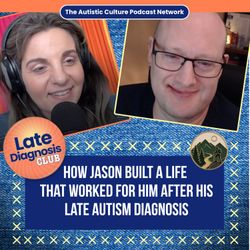
32. Late Diagnosis Club: How Jason Built a Life That Worked for Him After His Late Autism Diagnosis
50:56||Ep. 32In this meeting of The Late Diagnosis Club, Dr Angela Kingdon welcomes Jason Killian, an engineer, hiking instructor, and long time member of the club, who shares his journey to understanding himself as Autistic in his 40s.Growing up in a neurodivergent household, Jason was unknowingly accommodated in early childhood. Despite strong academic performance, Jason struggled with social integration, bullying, and later workplace dynamics, experiences that only made sense years later through the lens of Autism.This is a conversation about understanding your needs, building a life that fits, and what changes when you finally have the right framework.🪑 AttendeesChair: Dr Angela Kingdon — Author, community-builder, and Autistic advocateGuest: Jason Killian — Engineer, hiking instructor, and Autistic advocateYou: The Listener!🗒️ Meeting AgendaOpening remarks from the ChairMember introduction: Early environment and hidden accommodationsDiscussion: School overwhelm and social expectationsIEPs, missed diagnoses, and academic maskingWorkplace challenges and burnoutLate identification and diagnosis journeySelf-accommodation and relationshipsHiking, regulation, and sensory experienceKey learningsClub announcements🧾 Minutes from the Meeting1️⃣ Opening RemarksAngela introduces Jason Killian, a longtime LDC member whose story explores what it means to grow up supported, but not understood, and to find clarity later in life.2️⃣ Member Introduction: Jason’s StoryJason grew up in a neurodivergent family where his needs were naturally accommodated — quiet spaces, independence, and room to explore interests.But once he entered school, sensory overwhelm, social expectations, and group environments became challenging. Without a framework for Autism, these struggles were interpreted as social difficulties rather than unmet needs.Although he performed well academically, Jason experienced bullying, isolation, and later workplace challenges, particularly around communication, expectations, and social norms.It wasn’t until adulthood — after years of reflection, therapy, and recognising patterns — that Jason identified as Autistic and sought a formal diagnosis.3️⃣ Discussion HighlightsNeurodivergent household: Early needs met without formal recognitionSchool shock: Sensory overwhelm and social confusion in group settingsIEP limitations: Focus on social skills, not sensory or learning needsBullying experience: Social differences targeted in adolescence and workCollege turning point: Finding acceptance in the queer communityPandemic reflection: Patterns recognised through shared experiences onlineRelationship clarity: Shared neurodivergence improves understandingWorkplace shift: Smaller company enabling better fit and autonomyHiking regulation: Nature as a consistent nervous system supportSensory joy: Smell, sound, and visual richness in outdoor environments4️⃣ Key LearningsSupport without understanding can still leave gaps.Academic success does not mean needs are being met.Late identification often comes through pattern recognition over time.Self-accommodation is a critical skill for wellbeing.Relationships can improve with shared understanding and language.Environment plays a major role in regulation and success.Special interests can become both careers and lifelines.📣 Club Announcements🎧 The Late Diagnosis Club is available on Spotify, Apple Podcasts, and all major platforms.💬 Join our online meetups and community at latediagnosis.club.📌 Check the LDC Notice Board for Member Contributions💜 There is a small charge — but no one is turned away for lack of funds.🌈 Celebrate autistic voices with early access, ad-free listening, and our full archive at AutisticCulturePlus.com🌐 Visit www.autisticculturepodcast.com📲 Follow us on Instagram: @autisticculturepodcast
Hot Topic: Magnetic Brain Pulses & Autism — Breakthrough or Ethical Concern?
24:55|In this Hot Topic episode of The Neurodivergent Experience, Jordan James and Simon Scott discuss a new study exploring whether magnetic brain stimulation could help autistic children with communication difficulties.The conversation dives into the complicated ethical questions surrounding emerging neurodivergent research: where is the line between support and “fixing”? Can new technologies genuinely improve quality of life, or are researchers still approaching autism through a deficit-based lens?A thoughtful, balanced, and deeply neurodivergent discussion about science, ethics, identity, and the future of autism support.Our Sponsors:🧘♀️ Ashley Dupuy – Integrative Coaching, Breathwork & Hypnotherapy→ https://bit.ly/ashleynde🤝 Sophie James - Neurodivergent Mentoring→ sophiejamesndmentoring.com🔗 Stay ConnectedInstagram: @theneurodivergentexperiencepodFacebook: The Neurodivergent Experience & Jordan's Facebook pageYouTube: @TheNeurodivergentExperienceTikTok: @neurodivergentexperience🎧 The Neurodivergent Experience is available on Spotify, Apple Podcasts, and all major platforms.⭐ Leave a quick review on Apple Podcasts or Spotify🔔 Turn on notifications for new weekly episodes🌈 Celebrate autistic voices with early access, ad-free listening, and our full archive at AutisticCulturePlus.com🌐 Visit www.autisticculturepodcast.com
113. The Neurodivergent Experience | Neurodivergent Reddit Stories: Dyspraxia, Sleep Problems & Neurotypical Social Rules
01:01:29||Ep. 113In this Neurodivergent Reddit Stories episode of The Neurodivergent Experience, Jordan James and Simon Scott unpack three relatable neurodivergent struggles: dyspraxia and coordination issues, the confusing world of neurotypical “social greasing,” and the never-ending battle with sleep.Funny, chaotic, emotional, and painfully relatable — this episode is a deep dive into the everyday realities of living in a neurodivergent brain.Our Sponsors:🧘♀️ Ashley Dupuy – Integrative Coaching, Breathwork & Hypnotherapy→ https://bit.ly/ashleynde🤝 Sophie James - Neurodivergent Mentoring→ sophiejamesndmentoring.com🔗 Stay ConnectedInstagram: @theneurodivergentexperiencepodFacebook: The Neurodivergent Experience & Jordan's Facebook pageYouTube: @TheNeurodivergentExperienceTikTok: @neurodivergentexperience🎧 The Neurodivergent Experience is available on Spotify, Apple Podcasts, and all major platforms.⭐ Leave a quick review on Apple Podcasts or Spotify🔔 Turn on notifications for new weekly episodes🌈 Celebrate autistic voices with early access, ad-free listening, and our full archive at AutisticCulturePlus.com🌐 Visit www.autisticculturepodcast.com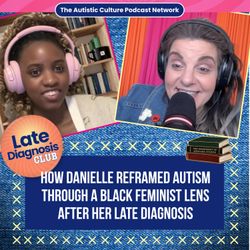
31. Late Diagnosis Club: How Danielle Reframed Autism Through a Black Feminist Lens After Her Late Diagnosis
58:05||Ep. 31In this meeting of The Late Diagnosis Club, Dr Angela Kingdon welcomes Danielle Procope Bell, PhD, an Autistic Black feminist scholar and Assistant Professor of Africana Studies at the University of Tennessee, Knoxville.Danielle shares how she knew from early childhood that she was different, finding other children chaotic, preferring books and structure, and feeling an invisible glass wall between herself and others.Like many late-identified adults, Danielle’s recognition journey deepened after her son’s Autism diagnosis, when family patterns suddenly came into focus and helped her understand herself in a new way.This is a conversation about identity, lineage, belonging, and what becomes possible when you finally see yourself clearly.🪑 AttendeesChair: Dr Angela Kingdon — Author, community-builder, and Autistic advocateGuest: Danielle Procope Bell, PhD. — Scholar, professor, and Black feminist thinkerYou: The Listener!🗒️ Meeting AgendaOpening remarks from the ChairMember introduction: Early difference, late recognitionDiscussion: Hyperlexia, gifted programs, and childhood belongingFamily neurodivergence and being accepted at homeSon’s diagnosis and family pattern recognitionRace, gender, and what gets missed in Autism conversationsAutigendering and Black feminist theoryKey learningsClub announcements🧾 Minutes from the Meeting1️⃣ Opening RemarksAngela introduces Danielle Procope Bell, PhD, whose work sits at the intersection of Autism, Black feminism, gender, and identity.2️⃣ Member Introduction: Danielle’s StoryDanielle recognised from kindergarten that she related differently to the world. While other children felt unpredictable and chaotic, she preferred reading, routine, and solitary play.Her traits were interpreted as shyness and giftedness rather than Autism. She was moved into a gifted program, but the transition also brought racial and class isolation.Later, after her son was diagnosed as Autistic, Danielle began to recognise familiar patterns in herself, her father, and wider family members — leading to her own formal diagnosis.3️⃣ Discussion HighlightsKindergarten awareness: Knowing early that other children felt chaoticHyperlexia signs: Reading from age three and a deep love of booksSon’s diagnosis: Recognition through seeing herself reflected in himRepresentation gap: Autism narratives dominated by white male stereotypesTraits misread: Black Autistic traits interpreted as aggression or defianceODD pipeline: Black children funnelled into behavioural labels instead of supportMedical privilege: Access to quality adult assessment shaped outcomesBlack feminism as home: Intellectual spaces that affirmed difference before diagnosis4️⃣ Key LearningsMany Autistic people know they are different long before they know why.Diagnosis journeys are shaped by race, gender, and class.Traits are often interpreted differently depending on who displays them.Representation changes who gets recognised and supported.Identity can be built through community as much as through medicine.📌 Notice BoardThe Department of Africana Studies at the University of Tennessee, KnoxvilleBlack, White, and in Colour: Essays on American Literature and Culture by Hortense J. SpillersParable of the Sower by Octavia ButlerSister Outsider: Essays and Speeches by Audry LordeThe users of the erotic - centring your internal experience by Audry LordeSula by Toni MorrisonThe Deep by River Solomon📣 Club Announcements🎧 The Late Diagnosis Club is available on Spotify, Apple Podcasts, and all major platforms.💬 Join our online meetups and community at latediagnosis.club.📌 Check the LDC Notice Board for Member Contributions💜 There is a small charge — but no one is turned away for lack of funds.🌈 Celebrate autistic voices with early access, ad-free listening, and our full archive at AutisticCulturePlus.com🌐 Visit www.autisticculturepodcast.com📲 Follow us on Instagram: @autisticculturepodcast
Hot Topic: Tom Hardy Comes Out As Neurodivergent
16:05|The Hot Topic is back! In this return episode, Jordan James and Simon Scott react to actor Tom Hardy publicly revealing that he is neurodivergent.The conversation explores why representation matters, especially when someone as widely respected and traditionally “masculine” as Tom Hardy openly discusses being on the spectrum, as well as Tom Hardy’s collaboration with Tatami Fightwear on a new neurodiversity-themed jiu-jitsu clothing range, with profits supporting autism charities.A funny, passionate, and honest return for the Hot Topic episodes — exploring celebrity representation, neurodivergent identity, and why visibility still matters.Our Sponsors:🧘♀️ Ashley Dupuy – Integrative Coaching, Breathwork & Hypnotherapy→ https://bit.ly/ashleynde🤝 Sophie James - Neurodivergent Mentoring→ sophiejamesndmentoring.com🔗 Stay ConnectedInstagram: @theneurodivergentexperiencepodFacebook: The Neurodivergent Experience & Jordan's Facebook pageYouTube: @TheNeurodivergentExperienceTikTok: @neurodivergentexperience🎧 The Neurodivergent Experience is available on Spotify, Apple Podcasts, and all major platforms.⭐ Leave a quick review on Apple Podcasts or Spotify🔔 Turn on notifications for new weekly episodes🌈 Celebrate autistic voices with early access, ad-free listening, and our full archive at AutisticCulturePlus.com🌐 Visit www.autisticculturepodcast.com
112. The Neurodivergent Experience | Tourette’s Syndrome, Tics & Me: Paul Stevenson’s Neurodivergent Journey
01:32:12||Ep. 112In this episode of The Neurodivergent Experience, Jordan James and Simon Scott are joined by author, advocate, and lived experience ambassador Paul Stevenson for a powerful conversation about Tourette’s Syndrome, ADHD, late diagnosis, masking, trauma, and finding strength through neurodivergence.Paul reflects on growing up in a time when neurodivergence was misunderstood and punished, sharing how years of masking, shame, and feeling “different” shaped his life before eventually receiving diagnoses of Tourette’s Syndrome and ADHD later in adulthood.Together, they discuss neurodivergent strengths, workplace accommodations, education reform, creativity, anxiety, community, and the importance of helping young neurodivergent people feel seen before life teaches them to hide themselves.A deeply honest and inspiring conversation about resilience, self-understanding, and the power of opening doors for others.About Paul Stevenson:Paul Stevenson is a lived experience ambassador at Genius Within, international speaker, author, and advocate for neurodiversity and inclusion. He is widely recognised for his work raising awareness around Tourette’s Syndrome, ADHD, and neurodivergent lived experience.Paul is the author of My Tics and Me, an educational children’s book designed to promote understanding and acceptance of neurodiversity from an early age.3 Men with Tourette's go on holiday (National Geographic Taboo Series)Our Sponsors:🧘♀️ Ashley Dupuy – Integrative Coaching, Breathwork & Hypnotherapy→ https://bit.ly/ashleynde🤝 Sophie James - Neurodivergent Mentoring→ sophiejamesndmentoring.com🔗 Stay ConnectedInstagram: @theneurodivergentexperiencepodFacebook: The Neurodivergent Experience & Jordan's Facebook pageYouTube: @TheNeurodivergentExperienceTikTok: @neurodivergentexperience🎧 The Neurodivergent Experience is available on Spotify, Apple Podcasts, and all major platforms.⭐ Leave a quick review on Apple Podcasts or Spotify🔔 Turn on notifications for new weekly episodes🌈 Celebrate autistic voices with early access, ad-free listening, and our full archive at AutisticCulturePlus.com🌐 Visit www.autisticculturepodcast.com