Share

Business Leader
The venture capital firm helping UK businesses take on the US (and what it looks for in founders)
•
Highland Europe was founded on the basis that promising European businesses, including those in the UK, can take on the US tech giants if they get the right funding. In this episode of the Business Leader Podcast, Fergal Mullen, the co-founder of Highland Europe, explains what he looks for in founders and promising businesses (and what he avoids). And why Europe could take on the US by merging the major stock markets across the continent, including London
Business Leader is a membership community for ambitious CEOs and founders of mid-sized UK companies, designed to help them grow with purpose through strategic support, peer-to-peer learning, expert coaching, and high-impact events. Sign up for our Business Leader newsletter here.
More episodes
View all episodes

How Little Moons went from family bakery to TikTok star
37:23|Vivian Wong, co-founder of Little Moons, shares the unfiltered story of building the UK's most talked-about mochi ice cream brand — from a small family bakery to a £27mn pound run rate overnight.Vivian talks to Sir Richard Harpin, founder of Homeserve, about how a single TikTok video sent shoppers queuing outside Tesco at 7am, and why ten years of groundwork meant Little Moons was ready to seize the moment rather than be consumed by it. She reveals her learnings from a costly factory mistake — and the sunk cost fallacy that nearly upended the business. Vivian also shares the personal catalyst that made her start the business, the reality of co-founding with a sibling, and how she now lives by a simple rule: no regrets.Themes covered:Why owning your manufacturing is a genuine competitive advantage in the FMCG worldHow Vivien bootstrapped Little Moons for 12 years before taking private equity investmentWhen and how to bring in a professional CEOThe difference between a coach and a mentor, and why you need both
Vinted nearly went bust, now it's worth €8 billion
37:58|Vinted wasn't an overnight success. The game-changing decision that saved it from failure? Making selling completely free. Adam Jay, CEO of Vinted's Marketplace arm, talks to Sir Richard Harpin about how he helped perfect the Vinted playbook and rolled it out into 26 markets worldwide – France was the first success story.Adam reveals the mistakes made along the way, the pivots that mattered, and the leadership lessons every founder and CEO needs to hear. Drawing on his experience at Boston Consulting Group and Expedia, he breaks down how Vinted transformed from a struggling startup into a profitable, fast-scaling platform now valued at €8 billion. Themes include:Why removing seller fees was the turning point for Vinted's growthHow to scale a marketplace business across multiple international marketsWhat CEOs can learn from failure, pivoting, and resilienceWhy joining an external board of directors can sharpen your leadershipVinted's mission to make second-hand items the first choice globally
How Humble Crumble went from viral video to stores across London
38:12|Kim Innes, the founder of the dessert brand Humble Crumble, recounts her extraordinary business journey to Sir Richard Harpin. It begins with tough shifts at a vendor's stall in Spitalfields market in east London and ends with a chain of successful shops devoted to her product, the fruit crumble pudding. She didn't get it right at first in the market stall, she explains. She was too fixated on exotic flavours and she hadn't yet started to cook live on site, creating those appetising aromas. She also had to learn, as a small brand, how to leverage social media though a series of posts that went viral. These cooked up huge demand and people began to seek her out, including the Royal Family. Though looking back, she thinks she could have approached it in a smarter way. She also shares with Harpin her plans for the future, which include a possible move into retail environments like supermarkets.
How to build an AI startup in the UK
46:18|Nnamdi Emelifeonwu left a top London law firm to set up one of the UK’s fastest-growing legal tech companies. He talks to host, Sir Richard Harpin, about how building a tool to help his visually impaired colleague to navigate complex legal documents led to co-founding Definely. It is an AI-powered legal tech platform designed to help lawyers access definitions, clauses and key information instantly without leaving the Word document they’re working on. It is used by some of the world’s leading law firms and global businesses and is now integrated into Anthropic’s Claude. Nnamdi shares the reality of becoming a founder, the challenges of raising investment, and how solving one deeply personal problem evolved into a multi-million-dollar AI business. Themes include:The future of AI in the legal industry Building a startup from scratch Entrepreneurship, risk and resilience Scaling a B2B company Expanding into the USStarting a business in the UK
From €2.5bn to €16bn: How Sephora redefined beauty retail
51:26|Chris de Lapuente, former Executive at LVMH and CEO of Sephora, played a pivotal role in scaling the business from €2.5bn to €16bn during his 13 years at the helm of the beauty retailer. He first met host Sir Richard Harpin at Procter and Gamble and shares reflections on their training which led to many successful business leaders. Chris describes how he grew Sephora, expanded globally and learned to be adaptable, as well as the mistakes that define his journey. Also, what is it like to work with Europe’s richest man and CEO of LVMH, Bernard Arnault?Topics covered:Procter and GambleWork-Life balanceTransformationExpansionRetail brands and experienceHigh-performing teamsLVMH and Bernard ArnaultTips for Scaling businesses
Using AI to fight cyber risk
43:22|Jonathan Spry, co-founder and CEO of reinsurance startup Envelop Risk, talks to Sir Richard Harpin about how cyber-attacks are now inevitable for modern businesses — and how business leaders can mitigate the risks. From ransomware and Black Swan events to AI-generated threats, Jonathan reveals how his company uses AI and advanced analytics to model catastrophic cyber scenarios for insurers around the world. He also shares how he scaled a Bristol-based B2B business, raised major investment and built competitive moats. Also, how many Jonathans has he hired? Topics covered:InsuranceArtificial IntelligenceB2BSalesCyber attacksBlack SwanGeopoliticsInvestmentQuantum ComputingLeadershipHiring talentLondon and IPOBristolMentoring
The art of the possible: Scaling to £240M
38:49|If something isn’t working in your business – at what point do you say – let’s adapt and change course? Sir Richard Harpin talks to Kai Feller, the co-founder of Bark.com, the online marketplace that connects you to a local gardener or event planner. Kai Feller had a make-or-break moment and changed his business model in response. After that the company grew by 200 percent over three years and Kai sold it for £240 million. How did he pivot so successfully and how important is harnessing AI for the future of businesses? Also Kai Feller recommends reading Stephen Covey's book "The 7 habits of highly effective people" and he compares notes with Richard about buying the local village pub.Topics covered:LeadershipBuilding and scaling a businessArtificial IntelligenceInternational expansionManaging peopleWork/Life balanceLocal pub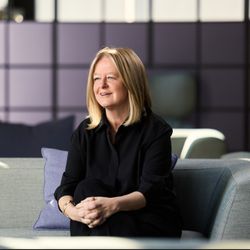
Can BT beat the odds?
46:59|BT's chief executive, Allison Kirkby, talks to Sir Richard Harpin about how her working class upbringing and training at Procter & Gamble set her up for becoming CEO. Kirkby built her reputation as a straight-talking turnaround leader and since taking the top job at BT, over two year’s ago, she’s been cutting costs, reshaping the leadership team, and trying to bring clarity to the business. As its first female CEO in 180 years, she is bringing back BT as a brand and is determined to return the company to growth. Kirkby says more needs to be done to encourage British investment in the UK stock market and reveals what it is like having Sunil Bharti Mittal, the Indian 'telecoms tiger', as the company's biggest shareholder and board member.
How the UK was Omazed
39:31|Omaze's co-founder and CEO Matt Pohlson learnt the art of storytelling in Hollywood and used it to build a £200m revenue, for-profit, prize-draw business. He tells Sir Richard Harpin how two near-death experiences made him more determined to grow the company and how intuition is more powerful than he realised. The sweepstake specialist is a rare example of a business idea born in the US that found success when it moved to the UK, but why does the UK not match the US's growth-mindset? Also, Pohlson gives his top three tips for founders.