Share

Business Leader
Vinted nearly went bust, now it's worth €8 billion
Vinted wasn't an overnight success. The game-changing decision that saved it from failure? Making selling completely free. Adam Jay, CEO of Vinted's Marketplace arm, talks to Sir Richard Harpin about how he helped perfect the Vinted playbook and rolled it out into 26 markets worldwide – France was the first success story.
Adam reveals the mistakes made along the way, the pivots that mattered, and the leadership lessons every founder and CEO needs to hear. Drawing on his experience at Boston Consulting Group and Expedia, he breaks down how Vinted transformed from a struggling startup into a profitable, fast-scaling platform now valued at €8 billion.
Themes include:
- Why removing seller fees was the turning point for Vinted's growth
- How to scale a marketplace business across multiple international markets
- What CEOs can learn from failure, pivoting, and resilience
- Why joining an external board of directors can sharpen your leadership
- Vinted's mission to make second-hand items the first choice globally
Join the Business Leader community for coaching, peer to peer forums and exclusive learning events. Sign up to our free weekly newsletter at businessleader.co.uk/newsletters.
Business Leader is a membership community for ambitious CEOs and founders of mid-sized UK companies, designed to help them grow with purpose through strategic support, peer-to-peer learning, expert coaching, and high-impact events. Sign up for our Business Leader newsletter here.
More episodes
View all episodes

Emmie Faust secured a Dragons' Den deal - now she's helping Female Founders Rise
45:31|Emmie Faust founded 11 businesses - some of them failed and some of them succeeded - one sold for £7 million. She now runs Female Founders Rise, a 12,000-strong community helping women build, grow and scale their businesses. Faust talks to Sir Richard Harpin, host of the Business Leader Podcast, about the advantages of bootstrapping and scaling a business without outside investment, the real story behind her Dragons' Den investment from Theo Paphitis and why it ultimately failed, and how a personal health crisis during the pandemic led her to build a community for female founders - backed by Google, Shoosmiths, and the British Business Bank. Faust explains how she is supporting women in business at the early stages, through 127 angel investments in women-led businesses, and gives advice for founders preparing to pitch for investment.Subscribe to the Business Leader Podcast for weekly entrepreneur stories from founders and CEOs who’ve built and scaled great businesses. Join the Business Leader community for coaching, peer to peer forums and exclusive learning events. Sign up to our free weekly newsletter at businessleader.co.uk/newsletters.
How a Police Officer built a £100m business: Mehma Bridgen's Fuel Store
37:17|Mehma Bridgen co-founded The Fuel Store with her husband Jamie after leaving the police force — where she was working on a covert operation at just 22. Starting with nothing but cold calling and a small Birmingham office, she helped build a fuel card and fleet management business turning over more than £100 million. Bridgen talks to the host of the Business Leader Podcast, Sir Richard Harpin, about scaling a business from zero — the discipline, the mistakes, the moment they knew they needed an external CEO, her sales philosophy, and what working with your spouse is really like when the pressure mounts.Subscribe to the Business Leader Podcast for weekly entrepreneur stories from founders and CEOs who’ve built and scaled great businesses. Join the Business Leader community for coaching, peer to peer forums and exclusive learning events. Sign up to our free weekly newsletter at businessleader.co.uk/newsletters.
Moonpig Founder Nick Jenkins: "We Came Close To Failing Several Times"
44:28|Nick Jenkins, founder of Moonpig, former Dragons' Den investor, and now a prolific angel investor with over 38 investments to his name, talks to Sir Richard Harpin on the Business Leader Podcast about the lessons he has learned along the way. Jenkins reveals how the business nearly collapsed several times and how a single comment from an investor director (raising the price of a card from £1.99 to £2.99) turned Moonpig from a business on the brink into a survivable, scalable company — and how a bold £50k TV advertising bet snowballed into £1.2 million a month in spend, taking turnover from £3 million to £45 million in three years. Also, how the money on the table in Dragons’ Den is not all real.Subscribe to the Business Leader Podcast and sign up to our free weekly newsletter at businessleader.co.uk/newsletters.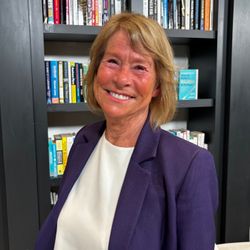
Dame Irene Hays: “Never one penny of debt” | How Hays Travel reached £3 Billion
51:15|In 1980, a young couple opened a travel agency in the back of a baby-wear shop in County Durham. Forty-six years later, Hays Travel is the UK’s largest independent travel agency with over 500 branches and more than £3 billion in annual turnover. It has never taken on a penny of debt. Dame Irene Hays talks to Sir Richard Harpin, the host of the Business Leader Podcast, about acquiring the entire retail estate of collapsed travel giant Thomas Cook in a matter of days, saving nearly 3,000 jobs with little due diligence and no safety net. Then the covid pandemic hit and her husband died suddenly — leaving Dame Irene as sole leader of a company haemorrhaging £1million a day. She didn't just hold it together. She built it into something bigger.Dame Irene explains what the golden thread of the business looks like — putting her staff at the heart and how nearly half of Hays Travel's senior managers started as apprentices. Also, she reflects on her success as part owner of Sunderland FC and the importance of sport for young people.Subscribe to the Business Leader Podcast and sign up to our free weekly newsletter at businessleader.co.uk/newsletters.
She turned £6k into a £1bn business
45:55|£6,000, 399 meetings and one idea. Mia Drennan, founder and CEO of GLAS, turned a gap in bank-led loan administration into a global platform for servicing institutional debt that manages over $850 billion assets under management. GLAS, Global Loan Agency Services Limited, is now valued at over £1 billion. On this episode of the Business Leader Podcast, host Sir Richard Harpin unpacks how she bootstrapped her way to a successful business without giving up a single share until 2022, how she scaled it internationally and how to encourage more female-founded unicorns.Subscribe to the Business Leader Podcast and sign up to our free weekly newsletter at businessleader.co.uk/newsletters.
Loveholidays CEO: From Covid to £350m revenue and the road to IPO
43:08|Donat Rétif joined Loveholidays in December 2019 — just three months before Covid shut down global travel. In this episode of the Business Leader Podcast, the CEO of the UK's largest online travel agent for package holidays talks to Sir Richard Harpin about how he not only survived that crisis but used it to triple the size of the business, build one of Britain's most impressive tech-driven growth stories, and put Loveholidays on course for an IPO. Also, what it's really like to run a private equity-backed business — and he advises CEOs to never deviate from your North Star.Subscribe to the Business Leader Podcast and sign up to our free weekly newsletter at businessleader.co.uk/newsletters.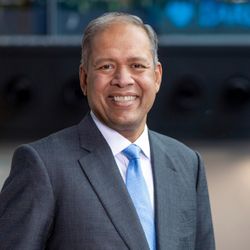
Barclays CEO Venkat: business turnaround, cancer, capital requirements and an £800m crisis
44:59|C.S. Venkatakrishnan — known as Venkat — took over as Barclays CEO in 2021, inheriting a bank with a share price under pressure and no shortage of sceptics. Four years on, profits are up, returns are up, and Barclays has committed to returning over £15 billion to shareholders by 2028. In this episode of the Business Leader Podcast, host Sir Richard Harpin asks the Barclays chief executive to unpack the strategy behind one of the UK's most closely-watched banking turnarounds. Venkat shares his lessons from 22 years at JP Morgan and working with Jamie Dimon, the inside story of Barclays' 2024 restructuring, why he believes the UK's Consumer Credit Act of 1973 is holding back consumer lending, and what banks should — and shouldn't — be liable for when it comes to motor finance, heat pumps and solar panels.He also opens up about being diagnosed with cancer four months into the top job, working through treatment, and the leadership lessons that got him — and Barclays — through it.Subscribe to the Business Leader Podcast and sign up to our free weekly newsletter at businessleader.co.uk/newsletters.
Seams Impossible: How Nadine Merabi built a £40m fashion brand
46:12|Manchester-based Nadine Merabi played Hockey professionally for England, bought a £250 sewing machine from Argos and taught herself how to sew. With no formal training she sold a collection to Selfridges and from there she stitched together a £40 million luxury fashion business. She talks candidly with host Sir Richard Harpin about the resilience needed to build a business from scratch —the only thing standing in entrepreneurs’ way is themselves. Merabi pivoted during covid into a Darcie pyjama line, which was worn by celebrities and still makes up a significant proportion of sales, but she draws the line at loungewear. She reveals why growing 800% in a year was her biggest mistake and what it taught her about culture and leadership. And her why her mantra has shifted from "pressure makes diamonds" to "planning makes profit". Also, she explains how her decision to hire a CEO frees her up to focus on what she does best: giving women confidence. Subscribe to the Business Leader Podcast and sign up to our free weekly newsletter at businessleader.co.uk/newsletters
The CEO who doubled Blue Light Card membership in 3 years
41:57|Alidad Moghaddam, CEO of Blue Light Card the UK's leading discount platform for frontline and emergency service workers, talks to Sir Richard Harpin about what he's learned on his journey as a first-time chief executive and from his experiences in a private equity environment. Blue Light Card has grown from a small startup founded by a serving police officer into a platform supporting more than six million frontline workers. From expanding into Australia, to building a high-performance culture rooted in radical candour and mission-driven hiring, Alidad offers tips for any business leader scaling a business. He shares the lessons he learned helping grow Trainline and taking it to a successful IPO, what the perspective of an angel investor taught him, and why culture matters most during periods of mergers and acquisitions. He explains why being clear about the strategy and vision, defining the operating model and making the difficult calls early are key to success.Subscribe to the Business Leader Podcast and sign up to our free weekly newsletter at businessleader.co.uk/newsletters