Share
World War 2 LIVE
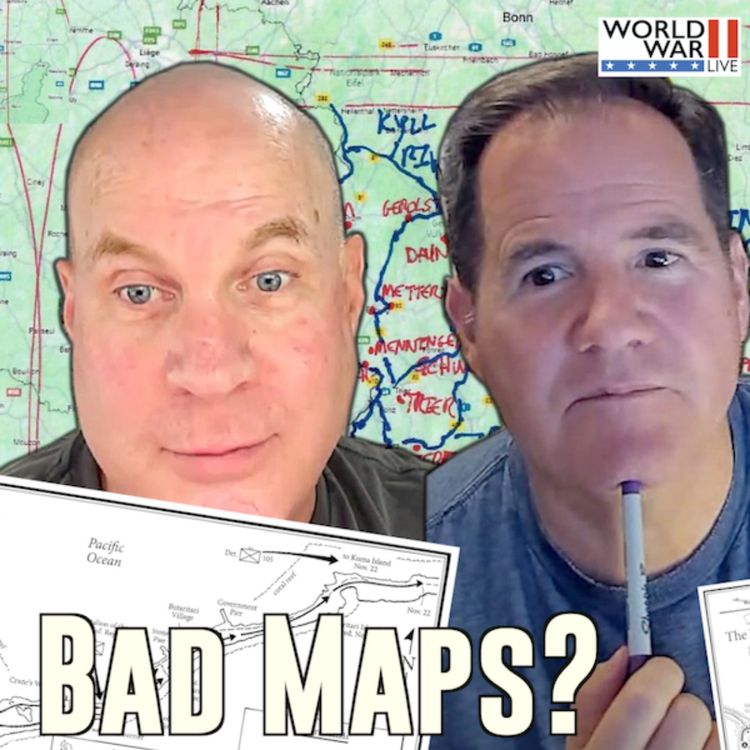
How Historians Create WWII Battle Maps
How do historians turn battlefield chaos into maps readers can actually understand?
In this episode of World War 2 Live, Dr. John C. McManus and Kevin Hymel pull back the curtain on one of the most overlooked parts of writing military history: creating maps of World War II battles. From tracing troop movements to simplifying confusing terrain and conflicting accounts, John and Kevin discuss how maps are researched, designed, and refined for history books and presentations.
They explore:
• How battlefield maps help readers understand combat
• The challenges of turning historical records into visual storytelling
• What makes a good military history map—and what makes a bad one
• How terrain, timing, and troop movement are translated into graphics
• The balance between historical accuracy and readability
Whether you’re a military history enthusiast, writer, gamer, or map lover, this episode offers a fascinating look at the behind-the-scenes work that goes into bringing World War II history to life on the page.
🎯 Stump the Chumps Returns!
Stick around for our viewer Q&A segment, where John and Kevin tackle your World War II questions and mysteries from the audience.
Have a question for the show?
📩 Send it to: worldwar2live@gmail.com
📈 Help the Channel Grow
If you enjoy World War 2 Live:
👉 Subscribe on YouTube
👉 Leave us a review on your favorite podcast platform
👉 Share the show with fellow history fans
Your support helps us continue producing in-depth World War II content.
🎬 More Episodes Coming Soon
As Mark transitions out of his work at PBS, we’re ramping up production—so stay tuned for even more episodes, discussions, and deep dives into World War II history.
Join us as we continue exploring the battles, personalities, stories, and craftsmanship behind the history of World War II.
More episodes
View all episodes
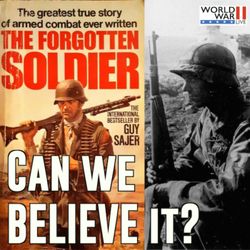
46. THE FORGOTTEN SOLDIER: Can We Believe This Russian Front Memoir?
01:08:23||Season 1, Ep. 46Is The Forgotten Soldier one of the greatest firsthand accounts of World War II—or is it a story we can't completely trust?Guy Sajer's The Forgotten Soldier has become one of the best-known memoirs of the German experience on the Russian Front. For generations of readers, it has offered a gripping, often brutal account of combat on the Eastern Front.But how accurate is it?In this episode of World War 2 Live, John, Kevin and Mark take a closer look at the book, its extraordinary claims, the details that have been questioned, and the debate over whether Sajer's account can be taken at face value.Kevin considers it one of the best firsthand accounts of the war. John points to details that are difficult to document—or demonstrably questionable. And somewhere in between those two positions is a fascinating question:Can we believe The Forgotten Soldier?Have you read the book? What did you think? Let us know in the comments.And if you enjoy World War 2 Live, consider subscribing and joining the conversation with the World War 2 Live community on Facebook. That's where we'll be sharing behind-the-scenes material, asking for your questions, and bringing you along to events like We Have Ways Fest.https://www.facebook.com/groups/1841249357237679#WorldWar2 #TheForgottenSoldier #WWII #EasternFront #RussianFront #WW2History #WorldWar2Live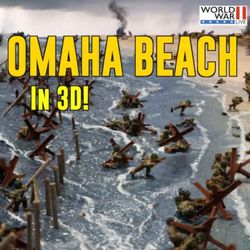
45. Omaha Beach in 3D: The Story Behind Keith Rocco's Incredible Diorama
01:03:12||Season 1, Ep. 45What happens when World War 2 Live meets Someone Talked at the National D-Day Memorial in Bedford, Virginia? You get a special crossover episode—and a fascinating look at one of the most ambitious D-Day projects we've been involved with.The centerpiece of this episode is Keith Rocco's extraordinary Omaha Beach diorama, created with dioramist Bernie Kempinski. The massive 3D recreation captures Omaha Beach in remarkable detail, from the landing craft and soldiers to the terrain and German gun positions. John and Kevin discuss how the diorama was created, the historical research behind it, and how closely it reflects what actually happened on Omaha Beach on June 6, 1944.The project also includes historical videos featuring John and Kevin, explaining details shown in the diorama and helping visitors understand the history behind what they're seeing. And, of course, Mark is still involved—but he's calling in from the beach! That means it's time for everyone's favorite part of the show: Stump the Chumps.If you're anywhere near Bedford, the Omaha Beach diorama will be on display at the National D-Day Memorial through the end of 2026.Watch, learn, and then tell us: what detail of the Omaha Beach diorama caught your eye?#WorldWar2 #WWII #DDay #OmahaBeach #KeithRocco #WorldWar2Live #SomeoneTalked #DDayMemorial #MilitaryHistory
44. How REAL is GREYHOUND?
01:01:35||Season 1, Ep. 44How realistic is Greyhound? John McManus and Kevin Hymel take a close look at the Tom Hanks WWII movie and separate Hollywood from the reality of the Battle of the Atlantic.Greyhound puts viewers on the bridge of a destroyer escorting an Allied convoy across the North Atlantic as German U-boats close in. But how much of what we see on screen actually reflects what it was like to fight the Battle of the Atlantic? John and Kevin examine the movie's portrayal of convoy escorts, U-boats, sonar, radar, depth charges, ammunition, communications, weather, and the pressure of commanding a ship under attack.We also compare Greyhound with other famous World War II movies and ask why some films feel more authentic than others. And we've got a new development in the 1942 Reading Race: Mark and Kevin are still competing to finish Jonathan Parshall's massive 1942: Crux of War. Who's ahead?We've also been asking World War 2 Live viewers to choose their favorite WWII movies. Greyhound didn't make the current Top 5—but does it deserve to be there? And remember, your #1 movie right now is A Bridge Too Far, which we'll be discussing in a future episode.What do you think? Is Greyhound one of the most realistic WWII movies ever made? Let us know in the comments.Subscribe to World War 2 Live for more WWII history, military history, battlefield stories, WWII movies, historical debates, and Stump the Chumps with John McManus and Kevin Hymel.#WorldWar2 #Greyhound #TomHanks #WWII #BattleOfTheAtlantic #WorldWarII #MilitaryHistory #WWIIMovies
43. The Italian Campaign Debate | WW2 Hot Takes
01:05:06||Season 1, Ep. 43Was the Italian Campaign Worth It? John McManus and Kevin Hymel DebateWas the Allied campaign in Italy a necessary step toward victory in Europe—or a costly strategic mistake?In this special debate episode of World War 2 Live, Dr. John C. McManus and Kevin Hymel take opposite sides of one of the most enduring controversies of World War II. After exploring the Italian Campaign over several episodes, it's time to tackle the big question: Was it worth it?Kevin argues that the campaign was an essential front that tied down German divisions, demonstrated Allied commitment to the Soviet Union, and helped pave the way to victory in Europe. John counters that, after Italy was knocked out of the war and the Foggia airfields were secured, the Allies should have shifted their focus entirely to preparing for the invasion of France.Along the way, they discuss:Was Winston Churchill right to champion the Italian Campaign?Did the campaign truly pin down enough German forces to justify the cost?Was Anzio a bold gamble—or an avoidable disaster?Did fighting in Italy delay the Normandy invasion?Could Allied resources have been better used elsewhere?How should historians judge the campaign more than 80 years later?Whether you agree with John, Kevin, or somewhere in between, this is a lively, evidence-based discussion of one of World War II's most debated strategic decisions.🎯 Stump the Chumps Returns!Stick around for our viewer Q&A, where John and Kevin answer questions from around the world—including:The Australian contribution to the New Guinea CampaignAnd more great questions from the World War 2 Live audience!Have a question that might stump John and Kevin?📩 WorldWar2Live@gmail.com🇬🇧 See Us LIVE at We Have Ways Fest!We'll be appearing live at We Have Ways Fest in the UK this September, where we'll record World War 2 Live in front of a live audience—including a special edition of Stump the Chumps!If you're attending the festival, we'd love to hear your question. Email it to:📩 WorldWar2Live@gmail.comBe sure to put "We Have Ways" in the subject line. If we choose your question, you may have the opportunity to ask it live during the show!📈 Help World War 2 Live GrowIf you enjoy the show:👍 Like this video📺 Subscribe to the World War 2 Live YouTube channel💬 Leave a comment and tell us: Was the Italian Campaign worth it?🎧 Follow us on your favorite podcast platform and leave a review.Your support helps us continue bringing thoughtful conversations, expert analysis, and spirited debates about the history of World War II.Roger out!
42. Guadalcanal Was Only Half the Story | WW2 Hot Takes
01:06:31||Season 1, Ep. 42Most accounts of the Pacific War treat Guadalcanal and New Guinea as two separate campaigns. But from the Japanese perspective, they were part of the same desperate struggle—and understanding that connection changes how we view the turning point of the Pacific War. In this episode of World War 2 Live, Dr. John C. McManus and Kevin Hymel connect the dots between these two epic campaigns and explain why they must be studied together. While the U.S. Navy fought under Admiral Chester Nimitz in the Solomon Islands and General Douglas MacArthur drove through New Guinea, the Japanese were forced to divide their troops, ships, aircraft, and supplies between both fronts—a decision that would ultimately contribute to their defeat.In this episode, John and Kevin discuss:Why Guadalcanal and New Guinea were really one campaign from the Japanese point of viewHow the struggle for Port Moresby and the Buna campaign influenced the fighting on GuadalcanalWhy Henderson Field and Allied air superiority became decisive in both campaignsThe logistical nightmare of fighting in the jungles of New GuineaHow MacArthur's and Nimitz's offensives complemented one another despite operating in separate commandsWhy the campaigns at Buna and Guadalcanal deserve to be remembered together as twin turning points in the Pacific War.The conversation also explores the staggering human cost of the New Guinea campaign, where disease, starvation, and the unforgiving jungle claimed thousands of lives—often before soldiers ever encountered the enemy.🎯 Stump the Chumps Returns!Stick around for our viewer Q&A segment, where John and Kevin tackle your World War II questions, explore lesser-known stories, and occasionally find themselves pleasantly challenged by the audience.Have a question that might stump John and Kevin?📩 WorldWar2Live@gmail.com📈 Help World War 2 Live GrowIf you enjoy the show:👉 Subscribe to the channel 👉 Like the video and leave a comment 👉 Share it with fellow history enthusiasts 👉 Follow us on your favorite podcast platform and leave a reviewEvery subscription, comment, and share helps us bring more in-depth conversations about the people, battles, and decisions that shaped World War II.Join us as we continue our chronological journey through the Pacific War and uncover the connections that make history far richer than the headlines suggest.
41. Was the Invasion of Anzio Worth It?
01:06:32||Season 1, Ep. 41Why did one of the boldest Allied operations in Italy turn into months of brutal stalemate?In this episode of World War 2 Live, Dr. John C. McManus and Kevin Hymel examine the Battle of Anzio, one of the most controversial campaigns of the Italian Campaign. Conceived as a daring amphibious landing that would outflank the German Gustav Line and open the road to Rome, Operation Shingle instead became a desperate fight for survival as Allied troops found themselves trapped inside a shrinking beachhead.John and Kevin discuss:Why the Allies launched the invasion at AnzioThe bold strategy behind Operation ShingleWhy the initial success wasn't exploitedField Marshal Albert Kesselring's swift German responseThe leadership of Major General John P. Lucas and the controversy surrounding his decisionsThe fierce fighting that followed as both sides battled for control of the beachheadHow the Battle of Anzio influenced the rest of the Italian Campaign and the eventual liberation of RomeWas Anzio a missed opportunity, or were Allied commanders facing impossible circumstances? John and Kevin explore one of the most debated operations of World War II and separate hindsight from the realities faced by commanders on the ground.🎯 Stump the Chumps Returns!Stick around for our viewer Q&A segment, where John and Kevin answer your World War II questions, tackle military history mysteries, and dive into fascinating topics suggested by the audience.Have a question that might stump John and Kevin?📩 WorldWar2Live@gmail.com📈 Help World War 2 Live GrowIf you enjoy the show:👉 Subscribe to the channel👉 Like the video and leave a comment👉 Share this episode with fellow history enthusiasts👉 Follow us on your favorite podcast platform and leave a reviewYour support helps us continue bringing thoughtful conversations, expert analysis, and the stories behind World War II to audiences around the world.From the beaches of Sicily to Salerno, and now Anzio, we're continuing our chronological journey through the Italian Campaign. Join us as we uncover the battles, commanders, and decisions that shaped the road to victory in Europe.
40. The WWII Story That Brought America to Tears: Ernie Pyle & Captain Waskow
01:04:50||Season 1, Ep. 40What makes a great leader in combat?In this episode of World War 2 Live, Dr. John C. McManus and Kevin Hymel explore one of the most moving stories to emerge from World War II: the bond between famed war correspondent Ernie Pyle and the soldiers of the U.S. Army's 36th Infantry Division, culminating in his unforgettable column about Captain Henry T. Waskow.During the brutal fighting around San Pietro in Italy, Pyle witnessed an intimate moment that would become one of the most celebrated pieces of wartime journalism ever written. As Captain Waskow's body was brought down from the mountains, Pyle watched his soldiers quietly say goodbye to the young company commander they deeply admired. That column would resonate across America and earn Pyle the Pulitzer Prize, forever capturing the human cost of war.In this episode, John and Kevin discuss:The Battle of San Pietro and why it became one of the toughest fights of the Italian Campaign.Who Captain Henry Waskow really was—and why his men loved him so deeply.How Ernie Pyle transformed a quiet moment of grief into one of the greatest pieces of American journalism.Why Pyle believed telling the ordinary soldier's story was the most important job a war correspondent could do.The lasting legacy of both Pyle and Waskow, whose stories continue to remind us of the courage, sacrifice, and humanity behind the headlines.More than 80 years later, Ernie Pyle's words still have the power to move readers—and Captain Waskow's story remains a timeless example of leadership, service, and the extraordinary bond between an officer and the soldiers he led.🎯 Stump the Chumps Returns!This episode also features your favorite viewer Q&A segment, where John and Kevin answer questions from the audience. This week, they discuss legendary cartoonist and fellow war correspondent Bill Mauldin, whose Willie and Joe cartoons captured the hardships—and humor—of the American infantryman during World War II.Have a question that might stump John and Kevin?📩 WorldWar2Live@gmail.com📈 Help World War 2 Live GrowIf you enjoy the show:👉 Subscribe on YouTube👉 Follow us on your favorite podcast platform👉 Leave a review, like the video, and share it with fellow history enthusiasts.Your support helps us continue bringing thoughtful conversations, expert analysis, and the remarkable stories of the men and women who lived through World War II.
39. Patton vs. Rommel: Who Was the Better General?
01:02:41||Season 1, Ep. 39Why did two of World War II's most famous generals become legends—and do they deserve their reputations?In this episode of World War 2 Live, Dr. John C. McManus and Kevin Hymel tackle one of the most enduring debates in military history: George S. Patton vs. Erwin Rommel. Although the two iconic commanders never actually faced each other in battle, Hollywood, popular culture, and decades of military history have linked them as rival masterminds. But how much of that image is fact, and how much is myth?John and Kevin examine:Why Patton and Rommel became larger-than-life figuresHow wartime propaganda helped create the "Desert Fox" legendRommel's relationship with Hitler and the Nazi regime—and why the "Good German" narrative deserves a closer lookPatton's strengths as an operational commander and his unique style of leadershipWhich general had the greater military impact—and why the comparison isn't as simple as it seemsAlong the way, they separate Hollywood from history and explore why these two commanders continue to fascinate historians and military enthusiasts more than 80 years after the war.🎯 Stump the Chumps Returns!This episode's viewer questions include:Which American commanders attended the Potsdam Conference—and why many of the Pacific War's biggest names weren't there.Have a question that might stump John and Kevin?📩 WorldWar2Live@gmail.com📈 Help World War 2 Live GrowIf you enjoy the show:👉 Subscribe on YouTube👉 Follow us on your favorite podcast platform👉 Like, comment, and share this episode with fellow history enthusiastsYour support helps us continue bringing thoughtful conversations, expert analysis, and the stories behind the Second World War to audiences around the world.Who was the better general—Patton or Rommel? Watch the episode, hear the evidence, and let us know your verdict in the comments.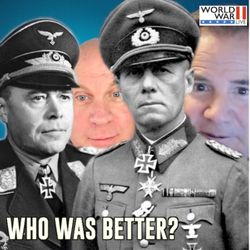
38. Rommel vs. Kesselring: How Should Germany Defend Italy?
01:04:48||Season 1, Ep. 38After surviving the brutal landings at Salerno, the Allies faced a new challenge: breaking through some of the strongest defensive terrain in Europe.In this episode of World War 2 Live, Dr. John C. McManus and Kevin Hymel continue their exploration of the Italian Campaign by examining what happened after the Allies secured the Salerno beachhead. Why did the campaign in Italy become such a long, grinding struggle? And did the Germans have a better strategy than the Allies anticipated?John and Kevin discuss:• How the Germans recovered after the Allied landings at Salerno• Why Field Marshal Albert Kesselring's defensive strategy proved so effective• Erwin Rommel's very different vision for defending Italy—and why Hitler rejected it• The unique geography that made Italy a defender's dream• The difficult choices facing Allied commanders as they pushed toward Rome• How the Italian Campaign shaped the broader war in EuropeThe fighting in Italy is often overshadowed by Normandy and the Battle of the Bulge, but it became one of the longest and most costly campaigns fought by the Western Allies.🎯 Stump the Chumps Returns!This episode's viewer questions take John and Kevin in some fascinating directions, including:• Was there really German sabotage inside the United States during World War II?• The little-known story of Operation Pastorius, Germany's attempt to land saboteurs on American soil.Have a World War II question that might stump John and Kevin?📩 worldwar2live@gmail.com📈 Help World War 2 Live GrowIf you enjoy the show:👉 Subscribe on YouTube👉 Follow us on your favorite podcast platform👉 Like, comment, and share with fellow history enthusiastsYour support helps us continue bringing thoughtful discussions, expert analysis, and untold stories from World War II.The road to Rome would be far more difficult than anyone expected. Join us as we continue our chronological journey through the Italian Campaign, exploring the battles, commanders, and decisions that shaped the war in Europe.