Share
World War 2 LIVE
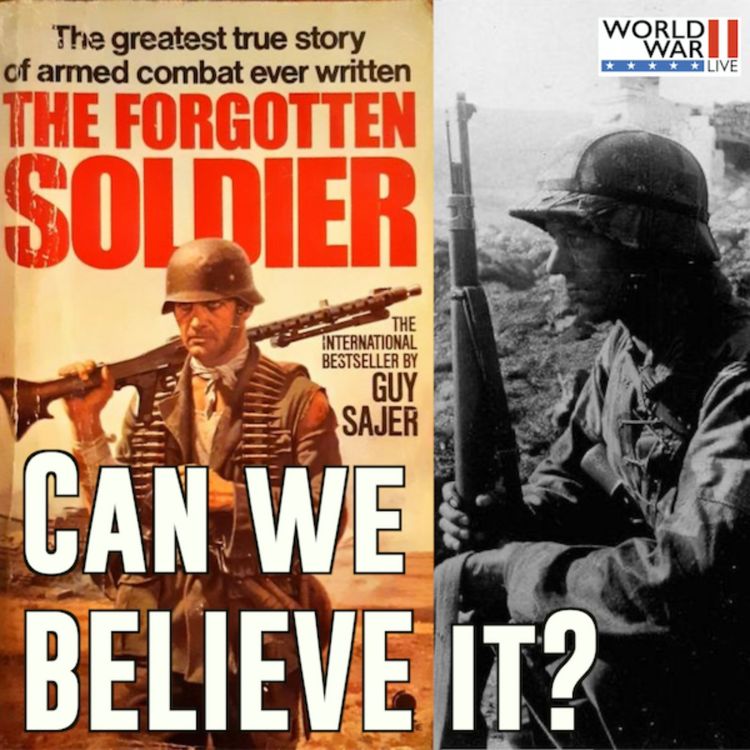
THE FORGOTTEN SOLDIER: Can We Believe This Russian Front Memoir?
Is The Forgotten Soldier one of the greatest firsthand accounts of World War II—or is it a story we can't completely trust?
Guy Sajer's The Forgotten Soldier has become one of the best-known memoirs of the German experience on the Russian Front. For generations of readers, it has offered a gripping, often brutal account of combat on the Eastern Front.
But how accurate is it?
In this episode of World War 2 Live, John, Kevin and Mark take a closer look at the book, its extraordinary claims, the details that have been questioned, and the debate over whether Sajer's account can be taken at face value.
Kevin considers it one of the best firsthand accounts of the war. John points to details that are difficult to document—or demonstrably questionable. And somewhere in between those two positions is a fascinating question:
Can we believe The Forgotten Soldier?
Have you read the book? What did you think? Let us know in the comments.
And if you enjoy World War 2 Live, consider subscribing and joining the conversation with the World War 2 Live community on Facebook. That's where we'll be sharing behind-the-scenes material, asking for your questions, and bringing you along to events like We Have Ways Fest.
https://www.facebook.com/groups/1841249357237679
#WorldWar2 #TheForgottenSoldier #WWII #EasternFront #RussianFront #WW2History #WorldWar2Live
More episodes
View all episodes

53. Why Allied Bombers Missed Omaha Beach on D-Day
54:54||Season 1, Ep. 53Why did hundreds of American bombers fail to hit the German defenses at Omaha Beach on D-Day? And why was the bombing at Utah Beach so much more effective? In this episode of World War 2 Live, Kevin Hymel is joined by military historian and author Joe Balkoski, filling in for John C. McManus, to examine one of the most consequential failures of Allied airpower on June 6, 1944. The plan called for 450 B-24 Liberators of the Eighth Air Force to pound German defenses at Omaha Beach with millions of pounds of bombs. But when the troops came ashore, the German strongpoints remained largely intact. What went wrong? Joe draws on his extensive research into the American D-Day landings to explain the problems with the plan, the challenges facing the bomber crews, and the decisions that left the troops without the protection they had been promised. Then we turn to Utah Beach, where the Ninth Air Force took a very different approach—with dramatically better results. Kevin and Joe explore why the two missions differed so much and how the Allies eventually learned to coordinate airpower with troops on the ground. IN THIS EPISODE: -Why the Eighth Air Force’s Omaha Beach bombing mission failed -Omar Bradley’s expectations for the pre-invasion bombardment -The challenges of bombing through cloud cover with friendly troops approaching the beach -Why the Ninth Air Force’s attack at Utah Beach was more effective -How the Allies improved close air support as the war progressed -Whether General George S. Patton was consulted during D-Day planning -Your questions in our regular Stump the Chumps segment—including a question about WWII aircraft-recognition guides ABOUT OUR GUEST Joe Balkoski is a military historian and author of eight books on the European Theater of Operations. His two-volume history of the American landings at Utah and Omaha Beaches, along with his five-volume history of the 29th Infantry Division, draws on decades of research into the American experience in Normandy. JOIN THE WORLD WAR 2 LIVE COMMUNITY! If you enjoy thoughtful WWII history, fascinating research, and a little fun along the way, subscribe to World War 2 Live and turn on notifications. We have more great guests, new topics, and exciting projects in the works—and we want you to be part of it. We're also choosing a name for our audience! The finalists are The 2 Live Crew, The Stumpers, The Dogfaces, and The Chairborne Rangers. Vote in our poll on the YouTube Community tab, or send your suggestion to worldwar2live@gmail.com. We'll announce the winner around Thanksgiving. Have a question for Stump the Chumps? Email us at worldwar2live@gmail.com. Thanks for watching—and remember, Kevin promises that subscribing means you'll never have another cold sore! #WWII #DDay #OmahaBeach
52. Operation Market Garden: The American Story They Missed
59:22||Season 1, Ep. 52What was the American experience of Operation Market Garden—and is there more to the story than A Bridge Too Far tells us? In this episode of World War 2 Live, John C. McManus and Kevin Hymel dive into John’s book, September Hope, to explore the American side of Operation Market Garden. From the 82nd and 101st Airborne Divisions to the American infantry and armored units fighting in the Netherlands, we look beyond the familiar story of Arnhem to examine the wider campaign, its challenges, and the men who fought it. We discuss the airborne landings, the struggle to capture and hold key bridges, the fighting around Nijmegen and the Waal River crossing, and the decisions that shaped the operation’s outcome. Along the way, John shares insights from his research, and Kevin brings his own questions and perspectives to the conversation. Help us name our World War 2 Live audience! We want a name for the people who watch, listen, ask questions, and join us on this WWII history adventure. Some of the ideas already suggested include: 2 Live Crew The Never Stumpers The North Platte Canteen Band The Stumpers But we want to hear from you! Have a better idea? Tell us in the comments below or send us an email at worldwar2live@gmail.com. We’re collecting suggestions and will put the leading contenders to a vote. And if you haven’t subscribed yet, now’s the time! We have a lot in the works for the future, with more great WWII history, fascinating guests, books, battles, questions, and plenty of new ideas we want to explore with you. Subscribe to World War 2 Live and be part of what comes next. Have a question for John and Kevin? Send it to worldwar2live@gmail.com for a future edition of Stump the Chumps. Thanks for watching and listening—and for helping us build this community! #WorldWar2 #OperationMarketGarden #SeptemberHope
51. A Bridge Too Far: Are the Battle Scenes Accurate?
01:05:31||Season 1, Ep. 51You voted A Bridge Too Far your favorite World War II movie. Now it’s time to get into the action! In Part 2 of our look at this classic 1977 film, John C. McManus and Kevin Hymel break down its major battle scenes and compare Hollywood’s depiction of Operation Market Garden with what really happened in September 1944. From the desperate fighting at Arnhem Bridge and the iconic command to “Bring up the PIAT!” to the perilous Waal River crossing, we examine what the film gets right, where it takes dramatic liberties, and how effectively it captures the chaos and human cost of combat. Along the way, we discuss the real soldiers behind the movie’s memorable moments, debate a story about how the Nijmegen bridge was saved, and explore why A Bridge Too Far remains such a compelling portrayal of one of the Allies’ most ambitious—and costly—operations of World War II. What do you think? Does A Bridge Too Far deserve its reputation as one of the greatest WWII movies ever made? Tell us in the comments! If you enjoy World War II history without losing sight of the people who fought it, subscribe to World War II Live and join the conversation. #WorldWarII #ABridgeTooFar #OperationMarketGarden
50. Our Fans Chose the Greatest WWII Movie — A Bridge Too Far
01:03:02||Season 1, Ep. 50Our fans have spoken: A Bridge Too Far is the greatest World War II movie ever made. After months of voting, World War 2 Live viewers chose the 1977 epic A Bridge Too Far as their #1 WWII movie, beating out classics including Patton, Saving Private Ryan, The Longest Day, Das Boot, and Tora! Tora! Tora! So why did this movie win? John McManus and Kevin Hymel take a deep dive into A Bridge Too Far, the story of Operation Market Garden, and what makes the film still hold up nearly 50 years after its release. They discuss the enormous scale of the production, the use of real aircraft and real paratroopers, the film's portrayal of Arnhem and the Allied defeat, and some of its most memorable characters and scenes. Was A Bridge Too Far the right choice for #1? You voted for it—now let's find out why. Subscribe to World War 2 Live for more WWII history, fascinating stories, expert discussion, and our weekly Stump the Chumps. Submit questions for Stump the Chumps to: worldwar2live@gmail.com #WWII #WorldWar2 #ABridgeTooFar #OperationMarketGarden #WW2Movies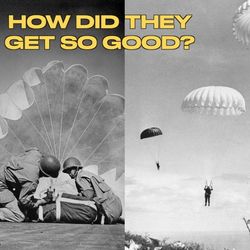
49. FROM NORTH AFRICA TO CORREGIDOR: The Evolution of American Airborne Warfare
52:51||Season 1, Ep. 49The first American combat parachute drop of World War II was a disaster. By the end of the war, American airborne forces were conducting extraordinarily sophisticated operations. So how did they get from one to the other? In this episode of World War 2 Live, John McManus, Kevin Hymel and Mark Fastoso trace the evolution of American airborne operations from the first combat drop in North Africa in 1942 through Sicily and ultimately to the remarkable operation at Corregidor in 1945. The story includes missed targets, scattered paratroopers, bad weather, friendly fire, lessons learned—and some remarkable innovations that changed the way American airborne forces went to war. We also look at the personalities behind the evolution of the American airborne, including Edson Raff, Matthew Ridgway and James Gavin, and examine how the lessons of early airborne operations shaped later drops in Normandy, Market Garden and beyond. And, as always, Mark puts John and Kevin to the test with questions from World War 2 Live viewers in Stump the Chumps. Have a question about World War II? Send it to worldwar2live@gmail.com and it could be featured in a future episode. If you enjoy World War 2 Live, subscribe and join the conversation. #WorldWar2 #WWII #Airborne #Paratroopers #MilitaryHistory
48. We Took World War 2 Live to We Have Ways Fest
01:02:30||Season 1, Ep. 48What happens when World War 2 Live leaves the studio and meets its audience? John McManus, Kevin Hymel and producer Mark Fastoso headed to We Have Ways Fest in the UK—and found ourselves in the middle of thousands of World War II enthusiasts, historians, authors, reenactors, aircraft, tanks, and one unforgettable live World War 2 Live show. In this episode, we take you behind the scenes of the festival and talk about what it was like to finally meet so many of the people who listen to and watch the show. We talk about: • Performing World War 2 Live in front of a packed audience • The live show that brought John and Kevin back to the stage where the podcast was born • Kevin's unexpected moment playing General George S. Patton • Meeting some of the biggest names in World War II history • Mark's experience of finding himself in “World War Two Nerdvana” • Live Stump the Chumps—and the questions our audience brought to the festival • Why doing World War 2 Live in front of a live audience felt completely different • And whether there might someday be a World War 2 Live event in the United States... It was an extraordinary few days—and this time, you get to come along with us. If you enjoy World War 2 Live, subscribe, like the video, and share it with someone who loves World War II history. Have a question for a future episode of Stump the Chumps? Email us at worldwar2live@gmail.com with “We Have Ways” in the subject line. #WorldWar2 #WWII #WorldWar2Live #WeHaveWaysFest #MilitaryHistory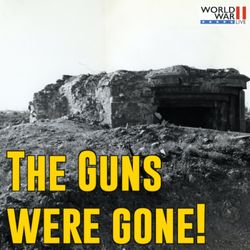
47. POINTE DU HOC: Debunking D-Day's Biggest Myth
01:05:12||Season 1, Ep. 47POINTE DU HOC: Debunking D-Day's Biggest Myth | World War II LiveThe guns were gone by the time the Rangers scaled the cliffs — but that fact has fueled one of the most persistent myths of D-Day. Dr. John C. McManus and Kevin Hymel take aim at the idea, popularized by Cornelius Ryan's The Longest Day and cemented in the 1962 film of the same name, that the mission was a pointless waste because the guns "weren't there."In this episode, John and Kevin dig into what actually happened to the German battery at Pointe du Hoc: how French Resistance intelligence tracked the guns before the invasion, why the Germans moved them inland after relentless Allied bombing, and how Rangers Leonard Lomell and Jack Kuhn tracked down and destroyed the relocated guns anyway. They also unpack why taking the point still mattered even without the guns in place, how "perishable" intelligence shaped the mission, and how a gripping first draft of history can calcify into myth once it hits the big screen.Plus: a favorite World War II movies update, a reading-race check-in, and a book recommendation on the role of freed people during Sherman's March.🎖️ Hosted by Dr. John C. McManus and Kevin Hymel, with producer Mark Filoso👍 Like, subscribe, and drop a comment with your take on the Pointe du Hoc controversy📘 Join our new World War II Live Facebook group for behind-the-scenes content🎙️ Catch us live at We Have Ways Fest#WWII #DDay #PointeDuHoc #Normandy #MilitaryHistory #Rangers #WorldWarIILive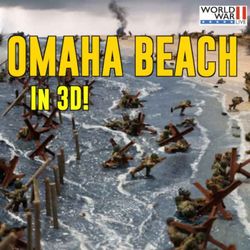
45. Omaha Beach in 3D: The Story Behind Keith Rocco's Incredible Diorama
01:03:12||Season 1, Ep. 45What happens when World War 2 Live meets Someone Talked at the National D-Day Memorial in Bedford, Virginia? You get a special crossover episode—and a fascinating look at one of the most ambitious D-Day projects we've been involved with.The centerpiece of this episode is Keith Rocco's extraordinary Omaha Beach diorama, created with dioramist Bernie Kempinski. The massive 3D recreation captures Omaha Beach in remarkable detail, from the landing craft and soldiers to the terrain and German gun positions. John and Kevin discuss how the diorama was created, the historical research behind it, and how closely it reflects what actually happened on Omaha Beach on June 6, 1944.The project also includes historical videos featuring John and Kevin, explaining details shown in the diorama and helping visitors understand the history behind what they're seeing. And, of course, Mark is still involved—but he's calling in from the beach! That means it's time for everyone's favorite part of the show: Stump the Chumps.If you're anywhere near Bedford, the Omaha Beach diorama will be on display at the National D-Day Memorial through the end of 2026.Watch, learn, and then tell us: what detail of the Omaha Beach diorama caught your eye?#WorldWar2 #WWII #DDay #OmahaBeach #KeithRocco #WorldWar2Live #SomeoneTalked #DDayMemorial #MilitaryHistory