Share

Therapy Works
Sophie Ellis-Bextor on Juggling Music and Motherhood
In this heartwarming episode, Sophie Ellis-Bextor opens up about her diverse roles as a musician, songwriter, podcaster, and mother of five boys. She delves into how music has been a constant, deeply personal passion since childhood, likening its impact to a time portal connecting her with her past selves. The conversation explores her early career highs and lows, her pragmatic and resilient approach to life's challenges, and the importance she places on family and close relationships. Sophie also reflects on how motherhood has influenced her work and vice versa, her structured approach to juggling professional and personal life, and her recent experiences rejuvenating her music career. Sophie also discusses the importance of surrounding oneself with good people, and the wisdom she's gained along the way. Don't miss this candid conversation filled with honesty, joy, and inspiration.
00:35 The Power of Music
03:52 Facing Challenges and Overcoming Adversity
05:32 Early Career and Lessons Learned
07:46 Family Life and Parenting
12:04 Balancing Fame and Core Values
15:18 Navigating Work and Motherhood
21:19 Unexpected Success and Future Plans
23:45 Unpredictable Work and Family Life
24:27 School Closures and Bedroom Changes
25:15 Managing Parental Expectations
25:39 A Call from Elton John
26:45 Balancing Work and Family
27:53 The Joy of Performing
32:41 The Challenge of Engaging Crowds
36:17 Maintaining Perspective and Humility
39:46 The Importance of Friendships
41:02 Wisdom and Reflections
Find Sophie:
Instagram: @sophieellisbextor
Podcast: You can listen to her podcast, Spinning Plates, where she interviews inspiring women about balancing work and family on platforms like Apple Podcasts or Spotify.
Music: Stream her music on Spotify and YouTube.
If you’d like to connect, follow me on Instagram @juliasamuelmbe. And for more info, check out my new website: juliasamuel.co.uk.
Learn more about your ad choices. Visit podcastchoices.com/adchoices
More episodes
View all episodes
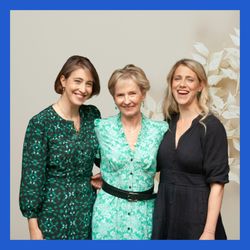
My adult sons have stopped speaking. Should I intervene? | Agony Aunties
12:00|This week’s listener is heartbroken by sibling estrangement. Psychotherapist Julia Samuel and her daughters Sophie and Emily explore the pain it causes, why family conflicts can be so difficult to repair and the challenges of parenting adult children when you can no longer influence their decisions.The listener’s two adult sons, once incredibly close, have stopped speaking to each other following a family fallout. What began as unresolved tensions from their younger years escalated when their partners fell out, leaving the brothers locked in sibling estrangement for over a year. Although she still has a loving relationship with both sons, she is processing grief for the family they once were and wonders whether she should step in to help them reconcile or leave them to work things out themselves.The Agony Aunties discuss the risks of taking sides, the necessity of creating healthy boundaries, the importance of allowing time for reconciliation, and how parents can support their children’s emotional healing without becoming caught in the middle.They also reflect on the guilt parents can feel when their adult children fall out, why sibling estrangement doesn't always last forever and how families can hold on to hope even when reconciliation feels impossible.Please do send in your Agony Aunties questions to: jsamuelpod@gmail.comNever miss an episode: follow the show on Apple Podcasts or Spotify.You can also watch episodes of Therapy Works on Julia’s YouTube page.Subscribe here to Therapy Works on Substack for weekly insights into emotional well-being.Subscribe here to The Times and The Sunday Times to enjoy unlimited digital access to all our journalism.Hosts: Julia Samuel, Emily Samuel, Sophie SamuelProducer: Georgie RutherfordExecutive Producer: Emily LeahyVideo Producer: Darren Michael- 57:50|Warning: This episode contains detailed discussion of termination for medical reasons (TFMR), baby loss and pregnancy loss.To mark Baby Loss Awareness Week, author and former teacher Rosanna Brown joins Julia Samuel to share the story of her son William and her experience of termination for medical reasons (TFMR).Rosanna was approaching 24 weeks pregnant when she and her husband learnt that William had a condition incompatible with life. She speaks candidly about the trauma of ending a much-wanted pregnancy, the medical procedure itself and the words from a midwife that helped her begin to reframe what had happened: “You didn't choose, you consented to medical advice.”Rosanna and Julia explore the often hidden grief surrounding TFMR and baby loss, the difference between grief and trauma, and why Rosanna struggled to feel entitled to mourn her son. They also discuss how couples can grieve differently, the role talking therapy played in her recovery and how she and her husband found ways to remember William together.Rosanna also reflects on pregnancy after loss, becoming a mother again and why another baby can bring enormous joy without replacing the child who died.Now an advocate for greater awareness of TFMR, Rosanna shares why she wants other parents facing termination for medical reasons to feel less alone, ashamed and silenced.If you found this conversation helpful:Listen to Julia's conversation with Geraint John, on losing his wife, navigating grief as a family and learning to rebuild life after loss: Listen here.You may also enjoy Agony Aunties: How Do You Handle the "Death Admin" While You're Still Grieving?, exploring the emotional and practical challenges of bereavement, and why we need to give ourselves time and support after losing someone we love: Listen here.Never miss an episode: follow the show on Apple Podcasts or Spotify.Subscribe here to Therapy Works on Substack for weekly insights into emotional well-being.Subscribe here to The Times and The Sunday Times to enjoy unlimited digital access to all our journalism.Guest: Rosanna BrownProducer: Georgie RutherfordExecutive Producer: Emily LeahyVideo Producer: Darren Michael
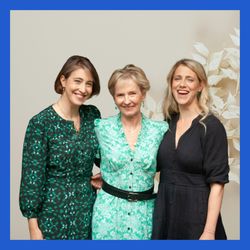
My family doesn’t believe my ADHD diagnosis. What Do I Do? | Agony Aunties
11:05|This week’s listener has recently been diagnosed with ADHD after a lifetime of struggling with strong emotions and impulsivity. While the diagnosis has brought her and her husband a huge sense of relief, understanding and emotional healing, her mother and sisters refuse to accept it, believing her successful career and relationship mean she couldn’t possibly have ADHD.Julia, Sophie and Emily explore what happens when a new diagnosis challenges long-held family roles, why we can so quickly revert to childhood dynamics and how reparenting supports personal growth. They discuss setting boundaries when family members see things differently, learning to tolerate different versions of the same family story, navigating family expectations, and protecting your mental health when old childhood wounds are reopened.Please do send in your Agony Aunties questions to: jsamuelpod@gmail.comNever miss an episode: follow the show on Apple Podcasts or Spotify.You can also watch episodes of Therapy Works on Julia’s YouTube page.Subscribe here to Therapy Works on Substack for weekly insights into emotional well-being.Subscribe here to The Times and The Sunday Times to enjoy unlimited digital access to all our journalism.Hosts: Julia Samuel, Emily Samuel, Sophie SamuelProducer: Georgie RutherfordExecutive Producer: Emily LeahyVideo Producer: Darren Michael
Elif Shafak: “All I wanted from my father was an apology”
01:08:24|What happens when a parent is absent from your childhood, and how does that shape the person you become?Bestselling author Elif Shafak joins Julia Samuel to explore her relationship with her father, the loneliness she experienced growing up and how storytelling became a tool for personal growth and mental health recovery by helping her find connection and belonging. Raised largely by her grandmother and mother in Turkey, Elif grew up surrounded by strong women but with very little contact with her father. She opens up about the pain of discovering that he had been a present and loving parent to her half-brothers, the anger that followed and how those early experiences influenced her personal growth and instinct to write about people whose voices have been forgotten or silenced.They also explore the emotional cost of Elif Shafak's prosecution in Turkey following the publication of her novel, The Bastard of Istanbul, her complicated relationship with her homeland and the sense of grief that can accompany living between cultures. Elif speaks candidly about her mental health and experiencing postnatal depression, losing her ability to write during that period and the challenges of navigating motherhood alongside her creative identity, experiences she later explored in her memoir Black Milk.Elif Shafak reflects on the family patterns we inherit, why literature helps personal growth by helping us understand ourselves and others, and the importance of human connection in an increasingly anxious and divided world.Elif Shafak’s new novel is In One Brief Moment All Eternity (published on 15 Oct).If you enjoyed this conversation:Listen to Julia’s conversation with Mary Berry, on family, grief and learning to live alongside loss: https://podcasts.apple.com/gb/podcast/therapy-works/id1646616622?i=1000791219769You may also enjoy Sathnam Sanghera on bridging conflicting cultures, exploring family, identity, heritage and the search for belonging: https://podcasts.apple.com/gb/podcast/therapy-works/id1646616622?i=1000674940873Never miss an episode: follow the show on Apple Podcasts or Spotify.Subscribe here to Therapy Works on Substack for weekly insights into emotional well-being.Subscribe here to The Times and The Sunday Times to enjoy unlimited digital access to all our journalism.Guest: Elif ShafakProducer: Georgie RutherfordExecutive Producer: Emily LeahyVideo Producer: Darren Michael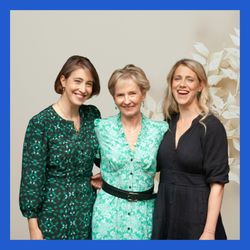
Can I care for my elderly father without getting overwhelmed? | Agony Aunties
11:46|This week’s listener is struggling with the growing responsibility of caring for her elderly father. Although increasingly frail, he refuses offers of help and becomes angry when she tries to intervene, leaving her constantly worried about the next crisis. Julia, Sophie and Emily explore how to care for an ageing parent while protecting your own wellbeing, and what happens when old parent-child dynamics continue long into adulthood.Please do send in your Agony Aunties questions to: jsamuelpod@gmail.comNever miss an episode: follow the show on Apple Podcasts or Spotify. You can also watch episodes of Therapy Works on Julia’s YouTube page.Subscribe here to Therapy Works on Substack for weekly insights into emotional well-being (hyperlink 'subscribe here' with the link)Subscribe here to The Times and The Sunday Times to enjoy unlimited digital access to all our journalism.Hosts: Julia Samuel, Emily Samuel, Sophie Samuel Producer: Georgie RutherfordVideo Producer: Darren Michael
Mark Foster on hiding his sexuality and learning to be himself
58:13|What happens when the person the world sees doesn’t quite match who you are behind closed doors? In this open conversation with five-time Olympian and former world champion swimmer Mark Foster, we explore the double life he lived for much of his extraordinary sporting career.For 20 years, Mark was one of the fastest swimmers in the world, breaking world records and competing at five Olympic Games. But while his public identity was defined by success in the pool, privately he kept his sexuality hidden from teammates, coaches and much of the world around him. He opens up about why he felt unable to share that part of himself, and the fears that kept his public and private lives separate.Mark Foster also shares his relentless pursuit of improvement at the highest level of sport, why even becoming the fastest swimmer in the world never felt like an endpoint, and what years of competition taught him about failure, resilience and separating what you achieve from who you are.We talk about his childhood, his relationship with his parents and the importance of finding people who give us a sense of belonging. Mark also reflects on why he eventually decided to speak publicly about his sexuality at 47, the importance of visibility and what he discovered when he allowed himself to be more vulnerable in therapy.From Olympic success to self-acceptance, this is a conversation about identity, happiness and what can happen when we feel able to show other people who we really are.Never miss an episode: follow the show on Apple Podcasts or Spotify. Subscribe here to Therapy Works on Substack for weekly insights into emotional well-being.Subscribe here to The Times and The Sunday Times to enjoy unlimited digital access to all our journalism.Guest: Mark FosterProducer: Georgie RutherfordExecutive Producer: Emily LeahyVideo Producer: Darren Michael
Off Air X Therapy Works
25:31|Welcome to this special Off Air X Therapy Works crossover episode, celebrating Therapy Works joining The Times podcast family.Julia joins Jane Garvey and Fi Glover from Off Air for a wide-ranging conversation about therapy, relationships and mental health. They discuss how to find a good therapist, whether therapy should have an end date, the value of the stiff upper lip and what to do when you find yourself overthinking at 3am. Julia also answers some of Jane and Fi’s listeners’ questions along the way.Off Air with Jane & Fi is available wherever you get your podcasts.If you’d like to send a question to Therapy Works, please email: jsamuelpod@gmail.comOff Air Producer: Eve SalusburyTherapy Works Producer: Georgie Rutherford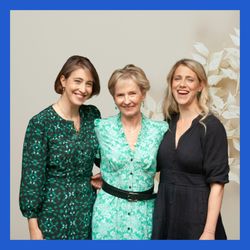
Agony Aunties: How do you know when something in your life needs to change?
10:16|After some time away from her usual routine, this week’s listener found herself questioning parts of her work and relationships, only to feel those doubts fade once normal life resumed. Julia, Sophie and Emily explore how to tell the difference between a passing feeling and something that genuinely needs our attention, why busyness can sometimes stop us noticing what we really feel, and how looking for patterns can help.Please do send in your Agony Aunties questions to: jsamuelpod@gmail.comNever miss an episode: follow the show on Apple Podcasts or Spotify. Subscribe here to Therapy Works on Substack for weekly insights into emotional well-being Subscribe here to The Times and The Sunday Times to enjoy unlimited digital access to all our journalism.You can also watch episodes of Therapy Works on my YouTube page.Hosts: Julia Samuel, Emily Samuel, Sophie SamuelProducer: Georgie RutherfordExecutive Producer: Emily LeahyVideo Producer: Darren Michael
Dame Mary Berry: "I never asked why after my son died"
54:25|How do you move forward after the loss of a child? In this personal conversation with cooking legend Dame Mary Berry, we explore raw grief, building resilience and the most meaningful lessons she’s learnt in 91 years of life. Behind the warmth so many know her for in her cooking shows and books, is a life shaped by profound loss. In this conversation Dame Mary Berry opens up about the devastating death of her son William, how her family approached processing grief, and how she found the strength to keep moving forward.She also shares the traumatic experience of surviving polio as a teenager, how she’s developed resilience and her emotional healing capacity, and the power of talking therapy during challenging times. Dame Mary Berry also reflects on the secrets of a 60 year marriage, why kindness matters above all else, as well as the comfort of cooking and food when life feels uncertain. From navigating grief to finding joy, this is a profound conversation about connection, care, and family.Never miss an episode: follow the show on Apple Podcasts or Spotify. Subscribe here to Therapy Works on Substack for weekly insights into emotional well-being Subscribe here to The Times and The Sunday Times to enjoy unlimited digital access to all our journalism.You can also watch episodes of Therapy Works on my YouTube page.Guests: Dame Mary BerryProducer: Georgie RutherfordExecutive Producer: Emily LeahyVideo Producer: Darren Michael