Share

The New Music Business with Ari Herstand
In this show, Ari deconstructs the brightest minds in the music industry, digging deep to find the tools, tactics, and strategies that listeners can use to run successful careers of their own.
Latest episode
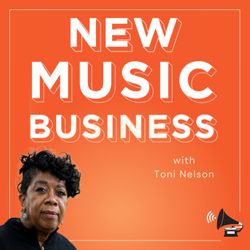
24. How To Build An Independent Artist Career From The Ground Up
53:43||Season 7, Ep. 24This week on the New Music Business podcast, Ari sits down with Toni Nelson, artist manager, business manager, and co-founder of 1990 Records.Toni Nelson is an artist manager and co-founder of 1990 Records with a background in retail fashion and mental health clinical work. Combining expertise in behavioral science with music industry operations, Nelson specializes in sustainable artist development, data analytics, and guiding independent artists like Adrian Daniel, to build long-term, monetizable careers while protecting their intellectual property. Follow Toni Nelson:https://www.instagram.com/1990records19/https://1990records.org/Check out Ari’s Take:https://aristake.com04:01 - What it Means to Build a Creative & Fan Community 09:00 - Protecting IP & Using Split Sheets in the Studio 13:14 - Navigating Producer Credits, Writer Splits & Work for Hire 18:18 - Release Strategies & Tracking Data with Music Analytics 23:27 - How Independent Artists Can Monetize Their Audience 27:38 - Staying Independent vs. Label Licensing Deals 32:45 - When is an Emerging Artist Ready to Tour? 36:22 - Case Study: Developing Adrian Daniel's Career 43:17 - Mental Health & What It Means to Make It in Music Edited and mixed by Ruben ZarateMusic by Brassroots DistrictProduced by the team at Ari’s TakeOrder the THIRD EDITION of How to Make It in the New Music Business: https://book.aristake.com
More episodes
View all episodes

23. How Deezer is Approaching AI Music And Payments
54:36||Season 7, Ep. 23This week on the New Music Business podcast, Ari sits down with Alexis Lanternier, the CEO of global music streaming platform Deezer. Together, they break down the massive influx of AI-generated music flooding streaming services, Deezer’s pioneering efforts in AI detection and fraud removal, and the future of fair artist payouts through user-centric royalty systems. Follow Alexis Lanternier:https://www.instagram.com/deezer/https://www.deezer.com/us/Check out Ari’s Take:https://aristake.com05:45 - The Reality of AI Music Flooding Streaming Services10:23 - How Deezer Detects Streaming Fraud & Purges AI Bots13:42 - Tagging AI Music & Algorithmic Recommendation Rules18:32 - Generative AI: Creative Assistive Tool vs. Fully AI Music24:40 - In-App Fan Remix Tools & Licensing Fair Payouts33:36 - The Flaw in Market-Centric Payouts vs. User-Centric Payouts42:15 - Major Label Licensing Deals & Independent Artist Royalty Rates50:37 - Powering Winamp & What It Means to "Make It" in Music TodayEdited and mixed by Ruben ZarateMusic by Brassroots DistrictProduced by the team at Ari’s TakeOrder the THIRD EDITION of How to Make It in the New Music Business: https://book.aristake.com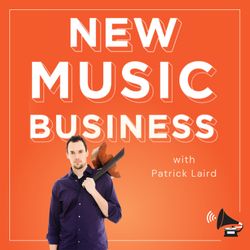
22. How This Classical Piano/Cello Duo Built a Sustainable Career For Their Family
01:11:46||Season 7, Ep. 22This week on the New Music Business podcast, Ari sits down with Patrick Laird, cellist and co-founder of the classical cover duo, Brooklyn Duo. Patrick breaks down how he and his wife built a music career without traditional touring. He discusses their journey from viral YouTube videos to building an evergreen passive income model, navigating revenue streams across Pandora, Spotify, and YouTube, the intricacies of sheet music publishing, catalog acquisition offers, and why creating utility-based music enabled the creative freedom to pursue personal projects. Follow Patrick Laird:https://www.patricklaird.com/https://www.instagram.com/brooklynduo/Check out Ari’s Take:https://aristake.com03:55 - Brooklyn Duo’s Origins & Moving Beyond Classical07:16 - Early Viral Success & Going Full Time12:50 - Monetization: Pandora, YouTube, and SoundExchange22:20 - Sheet Music Licensing & Publishing via Musicnotes30:20 - Arranging Process & Delegation Between Patrick & Marnie38:50 - Strategic Pivot to High Production Location Videos52:45 - Building an Evergreen "Utility" Model for Streaming58:30 - Retaining Masters & Rejecting Catalog Buyouts01:10:20 - What It Means to "Make It" in the New Music BusinessEdited and mixed by Ruben ZarateMusic by Brassroots DistrictProduced by the team at Ari’s TakeOrder the THIRD EDITION of How to Make It in the New Music Business: https://book.aristake.com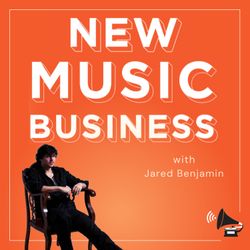
21. How He Got a Million Monthly Listeners and a Sold Out Tour Independently
01:09:12||Season 7, Ep. 21This week on the New Music Business podcast, Ari sits down with Nashville-based singer-songwriter Jared Benjamin. Jared broke down how he went from picking up a guitar during the pandemic to earning over 100 million streams, selling out headline tours, and building an intensely loyal community across TikTok and Discord. They discuss his creation process, content strategy, delegating production, leveraging pre-save ad campaigns, and releasing his debut album, Icarus Too Close to the Sun.Follow Jared Benjamin:https://www.instagram.com/jaredbenjaminofficial/http://tiktok.com/@jaredbenjaminofficialCheck out Ari’s Take:https://aristake.com4:05 Interview Begins: Welcome & Icarus Debut Album Announcement5:06 Transitioning from Fast Singles to a Cohesive Debut Album9:43 Early Short-Form Visual Strategy & Writing Skits17:25 Lessons from Bad Industry Deals & Going DIY20:15 Learning Production on YouTube & Collaborating with Producers25:20 Writing "Three Steps Ahead" at AntiSocial Writing Camp28:35 Building a Social Following & Meeting His Manager32:50 The Daily Grind: Posting 2 to 4 Videos a Day & Managing Burnout35:55 First Headline Tour Experiences: From Empty Rooms to Sold-Out Venues41:59 Managing Online Communities: Grouped vs. Discord Strategy50:20 Tapping into BookTok & Author Playlist Marketing01:01:35 Leveraging Feature.fm Pre-Save Ads to Funnel Fans into DiscordEdited and mixed by Ruben ZarateMusic by Brassroots DistrictProduced by the team at Ari’s TakeOrder the THIRD EDITION of How to Make It in the New Music Business: https://book.aristake.com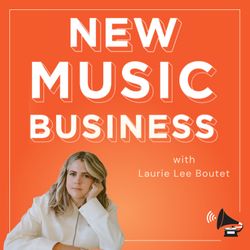
20. Artist Manager on Viral Syncs and the State of Music Marketing
01:01:34||Season 7, Ep. 20This week on the New Music Business podcast, Ari sits down with Laurie Lee Boutet, artist manager at Wednesday Management and manager of the chart-topping Canadian rock band The Beaches.Laurie shares the incredible story behind The Beaches' explosive rise following their breakout sync placement in Off Campus, why viral TikToks aren't enough anymore, and how artists can build lasting careers by creating cultural moments and not just chasing algorithms.Follow Laurie Lee:https://www.instagram.com/laurieleeboutet/https://www.wednesdaymgmt.com/Check out Ari’s Take:https://aristake.com05:21 Why Viral TikToks Don't Work Like They Used To 08:00 The Sync That Changed Everything 12:50 From 18,000 to 1 Million Streams a Day 18:42 TikTok vs. Instagram: Where Artists Should Focus 24:44 Should Indie Artists Skip Music Videos? 28:33 The New Era of Music Marketing 35:19 How to Create True Superfans 43:13 Stop Wasting Money on Content 52:08 The Future of Artist Growth 59:53 Laurie's Biggest Career LessonEdited and mixed by Ruben ZarateMusic by Brassroots DistrictProduced by the team at Ari’s TakeOrder the THIRD EDITION of How to Make It in the New Music Business: https://book.aristake.com
19. How To Be a Professional Hit Songwriter
01:14:19||Season 7, Ep. 19This week on the New Music Business podcast, Ari sits down with Andreas Schuller, hit songwriter, producer, and co-founder of music publishing company Honua Music. Andreas has written and produced songs for artists including The Weeknd, Jason Derulo, Madison Beer, and many more, accumulating billions of streams and numerous gold and platinum records.Andreas breaks down how hit songs are actually created, how publishing companies develop songwriters, and why today's music industry is more relationship-driven than ever. He shares the story behind Jason Derulo's smash hit "Wiggle," explains how songwriting camps work, discusses the evolution of professional songwriting, and offers practical advice for aspiring songwriters trying to break into the industry.Follow Andreas Schuller:https://honuamusic.com/Check out Ari’s Take:https://aristake.com03:48 - Meet Andreas Schuller: Hitmaker Turned Publisher12:19 - Music Publishing Explained: How Songwriters Make Money18:39 - The Story Behind Jason Derulo's "Wiggle"22:02 - Songwriting Splits, Credits, and Industry Politics30:37 - How Professional Songwriting Has Changed Since 201034:46 - Breaking Into the Music Industry as a Songwriter39:03 - Originality vs. Trend Chasing: What Actually Works?49:37 - Building Great Writing Rooms and Finding Creative Chemistry52:39 - AI, the Future of Music, and What's Next for SongwritersEdited and mixed by Ruben ZarateMusic by Brassroots DistrictProduced by the team at Ari’s TakeOrder the THIRD EDITION of How to Make It in the New Music Business: https://book.aristake.com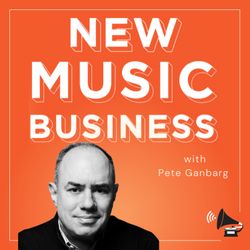
18. How Major Label A&R Has Evolved and How Hit Songs Are Written
55:18||Season 7, Ep. 18This week on the New Music Business podcast, Ari sits down with legendary A&R executive, publisher, and educator Pete Ganbarg.With more than three decades in the music industry, Pete has helped shape the careers of artists, songwriters, and hit records across multiple generations. In this conversation, he breaks down how A&R has evolved from the days of artist showcases and long-term development deals to today's algorithm-driven landscape. Pete explains why great A&R is still about connecting great artists with great songs, even as technology and discovery platforms continue to change.Follow Pete Ganbarg:https://substack.com/@peteganbargInstagram: https://www.instagram.com/peteganbarg/Check out Ari’s Take:https://aristake.com04:21 – The True Role of A&R: What Has Changed and What Hasn't09:00 – Artist Development vs. Chasing Quick Hits13:20 – Why Live Performance Still Matters to Labels16:05 – TikTok Stars, Viral Songs, and Building Careers20:50 – The Difference Between a Song, an Artist, and a Career25:55 – How Pete Discovers and Develops Songwriters30:10 – Michael Pollack's Journey to Writing "Flowers."35:15 – Songwriting by Committee, Sampling, and Publishing Trends40:50 – AI, Songwriting, and the Future of Music Creation48:15 – What Excites Pete Most About the Future of Music54:07 – What It Means to "Make It" in the New Music BusinessEdited and mixed by Ruben ZarateMusic by Brassroots DistrictProduced by the team at Ari’s TakeOrder the THIRD EDITION of How to Make It in the New Music Business: https://book.aristake.com