Share

The Intelligence from The Economist
Working through it: the AI jobs boom dawns
•
The labour data are in from America and a trend is becoming clearer: on balance AI is starting to create more jobs than it hoovers up. Despite advancements of just about every other kind, China cannot seem to escape its food-safety problems. We ask why not. And why Kenya’s ants have become the target of smugglers.
Guests and host:
- Alex Domash, economics correspondent
- Gabriel Crossley, China correspondent
- Carla Subirana, news editor
- Rosie Blau, co-host of “The Intelligence”
- Jason Palmer, co-host of “The Intelligence”
Topics covered:
- AI, labour statistics, labour market
- China, regulation, food safety
- ants, smuggling, Kenya
Listen to what matters most, from global politics and business to science and technology—subscribe to The Economist.
More episodes
View all episodes

Abate and switch: how China’s emissions fell
20:53|The world’s largest carbon emitter is finally turning a corner and the rest of the world ought to pay attention. El Salvador’s president Nayib Bukele is taking his gangbusting tactics beyond his borders. And how dogs disrupt wolves’ biology.Guests and host:Oliver Morton, senior editorSarah Birke, Bureau Chief for Mexico, Central America and the CaribbeanMatt Kaplan, science writerỌrẹ Ogunbiyi, co-host of “The Intelligence”Topics covered: China, carbon emissions, clean energyNayib Bukele, El Salvador, HaitiDogs, wolves, evolutionary anthropologyListen to what matters most, from global politics and business to science and technology—subscribe to The Economist.
Let’s get this party restarted: Republicans reel from the midterms
22:58|As Donald Trump’s party absorbs a sobering defeat at the ballot box, politicians are in reflective mood. Is Trumpism over? Parents across income groups are spending more to get their children ahead, but it might be for naught. And the dramas trying to turn viewers against the underdog.Guests and host:Shashank Joshi, Washington bureau chiefVinjeru Mkandawire, news editorAndrew Miller, special correspondentỌrẹ Ogunbiyi, co-host of “The Intelligence”Topics covered:American midterms, Republicans, DemocratsParenting, education, tutoringTelevision, “War”, villainsListen to what matters most, from global politics and business to science and technology—subscribe to The Economist.
When chips are down: Nvidia CEO’s risky relationship
22:20|The liaison has become more than just family business as Jensen Huang’s lover is allegedly a Chinese spy. The FBI and Nvidia’s board are investigating, but what will become of the man at the centre of the AI boom? The deadly Ebola epidemic is spreading unchecked beyond the Democratic Republic of Congo. And a rural American cooking contest reveals much about food culture.Guests and host:Henry Tricks, US technology editorGisa Tunbridge, Africa writerJon Fasman, senior culture correspondent Ọrẹ Ogunbiyi, co-host of “The Intelligence”Topics covered: Nvidia, Jensen Huang, AIEbola, Kenya, epidemicRoadkill, Appalachian mountains, nose-to-tailListen to what matters most, from global politics and business to science and technology—subscribe to The Economist.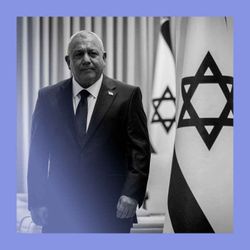
All eyes on Eisenkot: Israel’s could-be prime minister
23:46|The president has tasked the former general – and Binyamin Netanyahu’s strongest rival – with building a new government. With just six weeks and barely a third of the Knesset seats on his side, will he succeed? Russia has a stalled front line with Ukraine but is bombarding harder from the air. And why the sale of the world’s oldest biographical reference annual matters.Guests and host:Anshel Pfeffer, Israel correspondentSondre Solstad, data journalistCatherine Nixey, Britain correspondentỌrẹ Ogunbiyi, co-host of “The Intelligence”Topics covered: Israel, Gadi Eisenkot, Binyamin NetanyahuUkraine, Russia, Vladimir PutinWho’s Who, Britain, publishingListen to what matters most, from global politics and business to science and technology—subscribe to The Economist.
The Weekend Intelligence: When is a suit not a suit?
39:53|From politics and finance to weather and reality TV, prediction markets are letting ordinary people bet on almost anything. But unlike traditional bookmakers, they list questions that are inherently subjective: Did Zelensky wear a suit? Did Ronaldo cry at the World Cup? It raises a thorny question: who, in the end, is the arbiter of truth?Listen to what matters most, from global politics and business to science and technology—Subscribe to Economist Podcasts+For more information about how to access Economist Podcasts+, please visit our FAQs page or watch our video explaining how to link your account.This podcast transcript is generated by third-party AI. It has not been reviewed prior to publication. We make no representations or warranties in relation to the transcript, its accuracy or its completeness, and we disclaim all liability regarding its receipt, content and use. If you have any concerns about the transcript, please email us at podcasts@economist.com.
“Britain is back”: an interview with Andy Burnham
26:12|Ahead of the G20 summit in Manchester, Britain’s prime minister sets out his foreign-policy plans. From reviewing EU links, to brokering the relationship between America and China, he is making big promises. To Russia’s delight, war is eroding Ukraine's population. And a tribute to a renowned American labour leader. Watch extended clips from Insider hereGuests and host:Hugo Gye, Britain political correspondentPiotr Zalewski, Turkey correspondentJon Fasman, senior culture correspondentỌrẹ Ogunbiyi, co-host of “The Intelligence”Topics covered: Britain, Andy Burham, BrexitUkraine, Russia, demographicsDolores Huerta, César Chávez, labour rightsListen to what matters most, from global politics and business to science and technology—subscribe to The Economist.
Forever young: the business of longevity drugs
23:23|The success of GLP-1s has prompted biotechs to approach the challenge differently. After years of false starts and disappointing results, longevity drugs could be on the horizon. Do immigrants from some countries commit more sex crimes? And the big business of miniatures. Guests and host:Shailesh Chitnis, global business writerJames Fransham, data correspondentSascha Lowdermilk, culture internỌrẹ Ogunbiyi, co-host of “The Intelligence”Topics covered: Longevity drugs, biotechnology, ageingImmigration, sex crime, BritainMiniatures, 3D printing, hobbiesListen to what matters most, from global politics and business to science and technology—subscribe to The Economist.
Not in Kansas any more: Republicans get a thrashing
21:54|In the end, the result was clear and uncontested: Democrats had an astonishingly good night. Our editors and correspondents across America report on the proceedings, and we ask what comes next—for Democrats, for Republicans and for Trumpism more widely.Guests and host:Edward Carr, deputy editorCharlotte Howard, United States editorRebecca Jackson, Southern correspondentDaniel Knowles, Midwest correspondentJason Palmer, co-host of “The Intelligence”Topics covered: midterm elections, Congressional controlDonald Trump, MAGAthe future of the free worldListen to what matters most, from global politics and business to science and technology—subscribe to The Economist.
Fertile ambitions: scientists’ plans to slow the biological clock
21:37|Two European startups are tackling the chromosomal abnormalities that make it difficult for older women to get pregnant. Their innovations might also prevent younger women from miscarrying. Belarusian culture looks increasingly Russian. And the world is taking a liking to biltong.Guests and host:Catherine Brahic, environment editorKatie Bryant, senior video producerJohn McDermott, chief Africa correspondentỌrẹ Ogunbiyi, co-host of “The Intelligence”Rosie Blau, co-host of “The Intelligence”Topics covered: Infertility, in-vitro fertilisation (IVF), Belarus, Russia, Alexander LukashenkoBiltong, South Africa, meatListen to what matters most, from global politics and business to science and technology—subscribe to The Economist.