Share
The Intelligence from The Economist
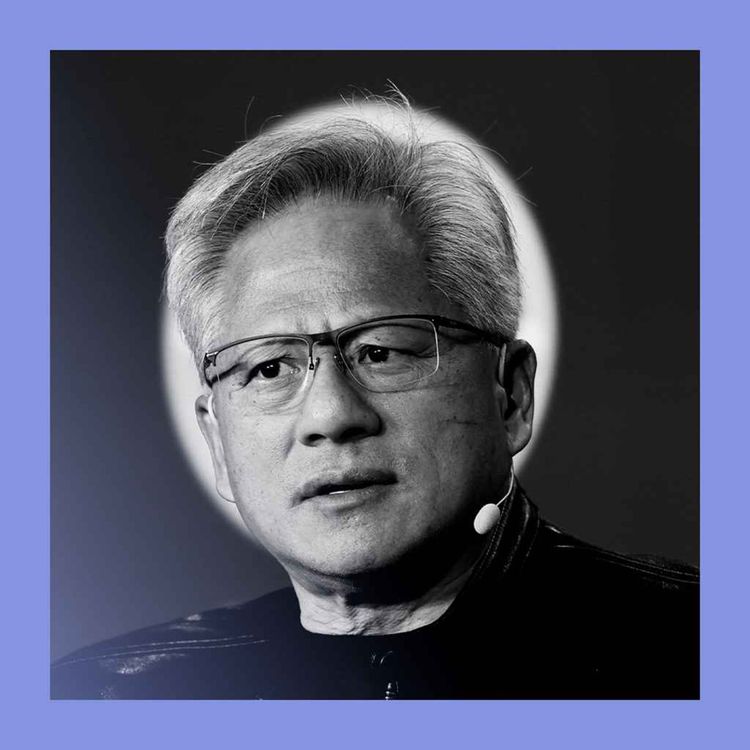
Alice forgiven? Jensen Huang back at Nvidia
•
And just like that, and just before markets opened, he was back. We take a look at how things will not and cannot be the same at the company Mr Huang leads once again. America has lost its measles-elimination status, thanks to wrong-headed public-health policy. And an interview with Max Richter, a wildly in-demand composer.
Guests and host:
- Shailesh Chitnis, global business writer
- Slavea Chankova, health-care correspondent
- Brooke Unger, senior digital editor
- Ọrẹ Ogunbiyi, co-host of “The Intelligence”
- Jason Palmer, co-host of “The Intelligence”
Topics covered:
- Jensen Huang, Nvidia
- measles, vaccines, America, public-health idiocy
- Max Richter, classical music, composing
Listen to what matters most, from global politics and business to science and technology—subscribe to The Economist.
More episodes
View all episodes

In the life of prime: AI’s latest maths triumph
24:09|As mathematics problems go, proving the Riemann hypothesis, about prime numbers, was enormous. Now that an AI solution appears to have cracked it, we ask what’s next for the field. In Japan natural disasters are a perpetual inevitability; we examine the country’s new agency dedicated to preparedness. And the economic signs that renters in America are in over their heads.Guests and host:Alex Hern, AI writerMoeka Iida, East Asia reporterDoug Dowson, data journalistỌrẹ Ogunbiyi, co-host of “The Intelligence”Jason Palmer, co-host of “The Intelligence”Topics covered: Riemann hypothesis, AI, mathematicsJapan, disaster preparednessAmerican renters, creditListen to what matters most, from global politics and business to science and technology—subscribe to The Economist.
The Weekend Intelligence: The real tech addicts
41:07|Are people too dependent on their devices? Britons are on track to spend nearly five years of their waking lives unintentionally scrolling. People everywhere worry they are “addicted”. Our Digital Culture Correspondent, Caitlin Talbot, went to rehab to find out who the real tech addicts are—and whether they are an early indication of what might happen to a generation raised on screens. Topics covered:Technology AddictionSocial MediaRehabGamingMusic by bluedot Sessions and Epidemic Sound.Listen to what matters most, from global politics and business to science and technology—subscribe to The Economist.
Delayed but not denied: justice for the Rohingyas
27:18|After decades of persecution, and seven years after the case was first brought before the UN’s highest court, judges ruled that Myanmar has committed genocide against the muslim minority. AI has facilitated new methods of cyber-crime, but for tech giants it has also created new opportunities to prevent them. And a tribute to Vladimir Uglev, the Russian chemist turned dissidentGuests and host:Irena Long, Asia writerAlex Hern, AI writerAnn Wroe, obituaries editorỌrẹ Ogunbiyi, co-host of “The Intelligence”Topics covered: Myanmar, Rohingyas, International Court of JusticeAI, cyber-crime, cyber-securityVladimir Uglev, Novichok, RussiaListen to what matters most, from global politics and business to science and technology—subscribe to The Economist.
Racing ahead: Anthropic’s big IPO
22:31|The leading AI lab is expected to raise over $80bn, the largest sum ever raised at an initial public offering. Where does this leave its rival OpenAI? The countries profiting from China and America’s battle for the world’s critical minerals. And why the colour of your rice might not matterGuests and host:Miles Kruppa, technology correspondentCerian Richmond Jones, international economics correspondentBenjamin Sutherland, science writerỌrẹ Ogunbiyi, co-host of “The Intelligence”Topics covered:Anthropic, OpenAI, artificial intelligenceCritical minerals, lithium, Democratic Republic of CongoBrown rice, starch, sugarsListen to what matters most, from global politics and business to science and technology—subscribe to The Economist.
Third wheeling: Xi, Putin and Trump meet in China
23:04|The APEC summit began in Shenzhen today and the leaders of China, Russia and America are set to sit down tomorrow. Will it amount to much? Scientists are finally taking a closer look at what causes the complicated disease of the uterine lining. And the highly-anticipated launch of the new Grand Theft Auto gameGuests and host:Jeremy Page, chief China correspondentAnjani Trivedi, global business correspondentTom Wainwright, culture correspondentỌrẹ Ogunbiyi, co-host of “The Intelligence”Jason Palmer, co-host of “The Intelligence”Topics covered: APEC, Donald Trump, Xi JinpingEndometriosis, women’s health, medical researchGrand Theft AutoListen to what matters most, from global politics and business to science and technology—subscribe to The Economist.
Transchipment: Huang and the AI aftershocks
22:19|Jensen Huang probably is not coming back to lead Nvidia. We look to other signals of what lies ahead for the AI juggernaut, from earnings calls to export controls. Britain’s politicians have long promised lower or even zero migration. What would happen if that came to pass? And examining Robert Pattinson’s fit in the storied past of James Bond.Guests and host:Shailesh Chitnis, global business writerDuncan Robinson, political editorCatherine Nixey, Britain correspondentỌrẹ Ogunbiyi, co-host of “The Intelligence”Jason Palmer, co-host of “The Intelligence”Topics covered: Nvidia, Jensen Huang, AIBritain’s migration policyJames Bond franchise, Robert PattinsonListen to what matters most, from global politics and business to science and technology—subscribe to The Economist.
Cede of doubt: a NATO offer to Ukraine
24:05|Reasons abound for scepticism about America’s Donbas-for-membership gambit. The truth that it reveals is the hurry the administration and its envoys are now in. A veto-loving president confronting Democratic majorities in Congress might spell interminable deadlock; our correspondent outlines the reasons to expect some compromise. And a field trip to see The Economist Education Foundation’s good work in practice. Donate here.Guests and host:Oliver Carroll, Ukraine correspondentAlex Domash, economics correspondentỌrẹ Ogunbiyi, co-host of “The Intelligence”Jason Palmer, co-host of “The Intelligence”Topics covered:Ukraine war, Russia, NATO, diplomacyDonald Trump, America’s Congress, dealmakingThe Economist Educational Foundation, news literacyListen to what matters most, from global politics and business to science and technology—subscribe to The Economist.
The Weekend Intelligence: Why is it only the Manosphere talking about abuse against men?
46:14|It’s common knowledge that a woman is killed by her partner or ex partner every week in Britain. But far less well known is the fact that, according to the ONS, a man is also killed by his female partner or ex every month. Domestic violence against men is rarely talked about except, it seems, in the Manosphere where debate turns toxic. Following the data, our Graphic Detail editor Michelle Hennessy investigates how domestic abuse became part of the culture wars.Listen to what matters most, from global politics and business to science and technology—Subscribe to Economist Podcasts+For more information about how to access Economist Podcasts+, please visit our FAQs page or watch our video explaining how to link your account.Music by bluedot Sessions and Epidemic Sound.This podcast transcript is generated by third-party AI. It has not been reviewed prior to publication. We make no representations or warranties in relation to the transcript, its accuracy or its completeness, and we disclaim all liability regarding its receipt, content and use. If you have any concerns about the transcript, please email us at podcasts@economist.com.Read more about how we are using AI.