Share

The Intelligence from The Economist
Stars and strikes: was America’s ship-bomb illegal?
America’s attacks on possible drug boats in the Caribbean is already controversial. Now critics are questioning the legality of one particular strike in September. What does this mean for the US secretary of war, Pete Hegseth? Why American firms are raising funding to explore gene-editing babies. And women in Japan face a long fight to play the national sport: sumo.
In “Babbage” earlier this year we interviewed Chinese scientist He Jiankui, whose use of gene-editing technology on babies landed him a three-year prison sentence.
Listen to what matters most, from global politics and business to science and technology—Subscribe to Economist Podcasts+
For more information about how to access Economist Podcasts+, please visit our FAQs page or watch our video explaining how to link your account.
More episodes
View all episodes

The Weekend Intelligence: The trials of Binyamin Netanyahu
39:36|Israel’s prime minister faces a corruption trial at home and an arrest warrant for war crimes in The Hague. But the real trial that will determine his fate won’t be held in a courtroom. On Tuesday, Israeli voters will deliver a verdict that could finally end the reign of the country’s ultimate political survivor. Listen to what matters most, from global politics and business to science and technology—subscribe to The Economist.Music by Blue dot and EpidemicThis podcast transcript is generated by third-party AI. It has not been reviewed prior to publication. We make no representations or warranties in relation to the transcript, its accuracy or its completeness, and we disclaim all liability regarding its receipt, content and use. If you have any concerns about the transcript, please email us at podcasts@economist.com.Read more about how we are using AI.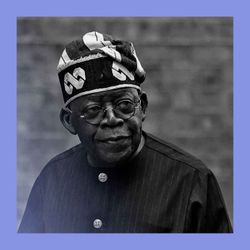
Songs of disenchantment: the sorrow of Nigeria
24:40|Nigeria is suffering a worsening security crisis, compounded by a lean harvest, global aid cuts and rising energy prices. So why is President Bola Tinubu likely to win January’s election? Europe is struggling to develop a rival to Starlink and reduce reliance on American satellites. And our obituaries editor recalls the improbable career of author and conman Jeffrey Archer.Watch extended clips from Insider here. Guests and host:Ore Ogunbiyi, Africa correspondentJonathan Rosenthal, international correspondentAnn Wroe, obituaries editorRosie Blau, co-host of “The Intelligence”Jason Palmer, co-host of “The Intelligence”Topics covered: Nigeria, Bola TinubuStarlink, Ukraine, Musk, OneWeb, EutelsatJeffrey Archer, Kane and Abel, perjuryListen to what matters most, from global politics and business to science and technology—subscribe to The Economist.
Dunes and gloom: MBS’s annus horribilis
24:21|This week, Muhammad bin Salman, crown prince of Saudi Arabia, was forced to postpone his annual investment summit. His other big bets on the kingdom’s future are also floundering. Sam Bankman-Fried, a crypto-billionaire supporter of effective altruism, calls our correspondent from prison. And things look hazy in Singapore and other Asian countries. Guests and host:Gregg Carlstrom, Middle East correspondentShera Avi-Yonah, US business correspondentVishnu Padmanabhan, Asia correspondentRosie Blau, co-host of “The Intelligence”Jason Palmer, co-host of “The Intelligence”Topics covered: MBS, Saudi, Davos in the desert, Future Investment InitiativeSam Bankman-Fried, FTX, effective altruismIndonesia, Singapore, wildfires, El NiñoListen to what matters most, from global politics and business to science and technology—subscribe to The Economist.
Cash test: can Europe support Ukraine alone?
23:50|Donald Trump’s administration is turning against Ukraine. But as European powers confront trouble at home, they are struggling to replace American support. Are US private science institutions entering a golden age? And the climb in art crime.Guests and host:Anton La Guardia, diplomatic editorShera Avi-Yonah, US business correspondentVendeline von Bredow, senior Germany correspondentRosie Blau, co-host of “The Intelligence”Jason Palmer, co-host of “The Intelligence”Topics covered: Ukraine, Witkoff, ZelenksyScientific research, National Science FoundationArt theft, Louvre, Museum for Applied ArtListen to what matters most, from global politics and business to science and technology—subscribe to The Economist.
Disorder of magnitude: France’s riots
21:27|What started as student protests ballooned into national lawlessness. The disorder plays into the hands of France’s political extremes; expect more of it. In Zimbabwe white farmers are returning to work land taken by Robert Mugabe a quarter-century ago. And our columnist considers the delicate wording that might indemnify AI firms if the bots happen to wipe out humanity. Guests and host:Sophie Pedder, Paris bureau chiefJohn McDermott, chief Africa correspondentAndrew Palmer, “Bartleby” columnistJason Palmer, co-host of “The Intelligence”Topics covered: France riots, French politicsZimbabwe, agriculture, white farmersAI, extinction-level events, legalese, parodyListen to what matters most, from global politics and business to science and technology—subscribe to The Economist.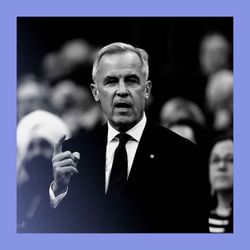
Independence eh? Canada’s referendum
21:43|The province of Alberta will vote on secession today. It is unlikely to go ahead, but the separatist vibe is just one of Prime Minister Mark Carney’s many headaches. Our correspondent examines China’s efforts toward brain-computer interfaces, finding the country is closing the gap with America. And Britain’s “bug superhighways” link up the shrinking number of lush insect habitats.Guests and host:Robert Russo, Canada writerDon Weinland, China business and finance editorBella King, news editorRosie Blau, co-host of “The Intelligence”Topics covered: Canada, Alberta, separatists, referendumChina, brain-computer interfacesBritain, insects, conservationListen to what matters most, from global politics and business to science and technology—subscribe to The Economist.
The Weekend Intelligence: The town that Disney built
44:36|Can a nostalgic throwback also be a bold urban planning experiment? The Disney Corporation thought so. In 1996 they built the town of Celebration, Florida as a model neighborhood blending the traditional charm of old-town life with radical urban design. On its 30th anniversary, Leo Mirani visits “the town that Disney built” to ask whether the experiment worked.Topics covered:DisneyCelebration, FloridaNew urbanismSuburbiaLinks to articles:Celebration in 2016EpcotListen to what matters most, from global politics and business to science and technology—Subscribe to Economist Podcasts+For more information about how to access Economist Podcasts+, please visit our FAQs page or watch our video explaining how to link your account.Music by bluedot Sessions and Epidemic Sound.This podcast transcript is generated by third-party AI. It has not been reviewed prior to publication. We make no representations or warranties in relation to the transcript, its accuracy or its completeness, and we disclaim all liability regarding its receipt, content and use. If you have any concerns about the transcript, please email us at podcasts@economist.com.Read more about how we are using AI.
Schrödinger’s chat: can AI and scientists co-exist?
27:53|In recent weeks, AI has solved hundreds of previously unanswered maths problems. Our correspondents ask if machines can do the same in other areas of science and what role human researchers may play. Why crisps are getting chunkier and chocolate chewier. And celebrating the life and work of author Annie Dillard. Watch extended clips from Insider here.Guests and host:Alex Hern, AI writerAlok Jha, science editorAvantika Chilkoti, global business writerAnn Wroe, obituaries editorRosie Blau, co-host of “The Intelligence”Jason Palmer, co-host of “The Intelligence”Topics covered: Scientific research, mathpocalypse, AI Crisps, snacks, texture, crunchtokAnnie Dillard, nature, obituaryListen to what matters most, from global politics and business to science and technology—subscribe to The Economist.
An interview with Alice Weidel
01:01:00|Under Alice Weidel’s leadership the Alternative for Germany (AfD), a right-wing populist party, has been riding high. A series of successes in state elections have brought it closer than ever to power at national level. Ms Weidel is perhaps best known for her calls for “remigration” and criticism of Germany’s support for Ukraine. She spoke to The Economist’s editor-in-chief, Zanny Minton Beddoes, for The Insider, our video show for premium subscribers. Hear their conversation in full.Watch the show—and sign up to the Insider newsletter.Listen to what matters most, from global politics and business to science and technology—subscribe to The Economist.