Share
The Intelligence from The Economist
Food awakening: Iran’s ripple effect
•
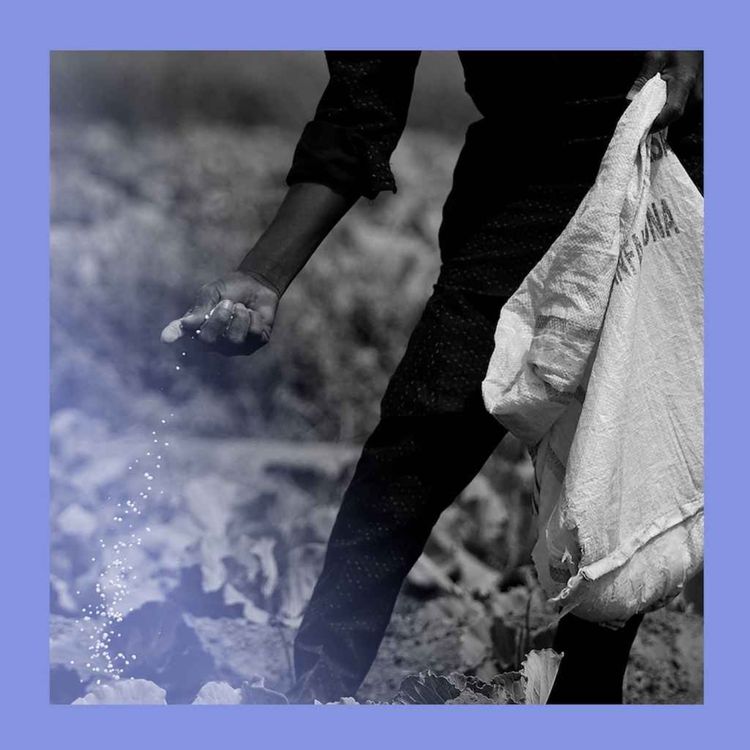
The Iran conflict and blockades in the Strait of Hormuz are slowing supply not just of fuel, but food and fertiliser. Geophysics could worsen the approaching hunger crisis: an El Niño weather event is predicted for this year. Anti-conversion laws are resulting in horrific scenes at Christian burial sites in India. And why Britain’s vets are struggling.
Guests and host:
- Catherine Brahic, environment editor
- Avantika Chilkoti, global business writer
- Kira Huju, Asia correspondent
- Carla Subirana, news desk editor
- Rosie Blau, host of “The Intelligence”
Topics covered:
- Iran conflict, oil, food crisis, fertilisers, El Niño
- India, Hindu nationalism, Christian conversions, Modi
- Britain, pets, vets
Listen to what matters most, from global politics and business to science and technology—Subscribe to Economist Podcasts+
For more information about how to access Economist Podcasts+, please visit our FAQs page or watch our video explaining how to link your account.
More episodes
View all episodes

The Weekend Intelligence: Baby, baby not? The people choosing to go childfree
44:48|Childfree folk are a substantial and growing minority. In Britain, almost 30% of childless adults under 40 say they haven’t made up their mind about whether they want kids. In America, the proportion of non-parents who say they don’t want them has more than doubled in 20 years. What does it mean to choose a different path and why does that choice matter so much?Listen to what matters most, from global politics and business to science and technology—Subscribe to Economist Podcasts+For more information about how to access Economist Podcasts+, please visit our FAQs page or watch our video explaining how to link your account.Music by bluedot Sessions and Epidemic Sound.This podcast transcript is generated by third-party AI. It has not been reviewed prior to publication. We make no representations or warranties in relation to the transcript, its accuracy or its completeness, and we disclaim all liability regarding its receipt, content and use. If you have any concerns about the transcript, please email us at podcasts@economist.com.Read more about how we are using AI.
Social-insecurity numbers: the money behind the manosphere
25:26|Many manosphere types claim great wealth, but the real money comes from the viewers and the views. We examine a tactically controversial market that exploits men’s insecurities. Will a recent fever for lower-league football do any good for China’s notoriously bad national game? And remembering Annette Green, who transformed Americans’ attitudes to perfume.Watch extended clips from Insider hereGuests and host:Shera Avi-Yonah, business correspondentSimon Rabinovitch, Beijing bureau chiefAnn Wroe, obituaries editorJason Palmer, co-host of “The Intelligence”Topics covered: manosphere, social media, gamblingChina, grassroots footballAnnette Green, perfume industryListen to what matters most, from global politics and business to science and technology—subscribe to The Economist.
Left in the lurch: Spain’s general election
17:30|Polls have been static and the message seems clear: Spaniards are fed up with their socialist prime minister. We look at the vote that is likely to unseat him. Mattel, a storied toymaker, has had a tough year; it needs a new chapter as children spend more time on screens. And “Ramayana” is a pulling-out-all-the-stops adaptation of an Indian epic poem. Have a listen to our Weekend Intelligence episode on “kidulting” Guests and host:Michael Reid, Spain correspondentAvantika Chilkoti, global business writerVishnu Padmanabhan, Asia correspondentJason Palmer, co-host of “The Intelligence”Topics covered: Spain’s elections, Pedro Sánchez, Alberto Núñez Feijóo, VoxMattel, toy companies, franchisingIndia, Ramayana, epic poetry, cinemaListen to what matters most, from global politics and business to science and technology—subscribe to The Economist.
Strait draw: Iran’s hot war cools
18:42|A sense of stalemate prevails between Iran and America. We ask how the impasse might break, and how the Gulf states are thinking about it. The “Bangladesh paradox” referred to good economic outcomes despite messy political ones. But now the country’s banking system is teetering. And a look under the bonnet of large-language models finds them being quietly profane. Guests and host:Josie Delap, Middle East editorChris Lockwood, Asia editorAlex Hern, AI writerỌrẹ Ogunbiyi, co-host of “The Intelligence”Jason Palmer, co-host of “The Intelligence”Topics covered: Iran war, America, Gulf statesBangladesh, development, corruptionAI models, LLMs, swearingListen to what matters most, from global politics and business to science and technology—subscribe to The Economist.
Alice forgiven? Jensen Huang back at Nvidia
23:42|And just like that, and just before markets opened, he was back. We take a look at how things will not and cannot be the same at the company Mr Huang leads once again. America has lost its measles-elimination status, thanks to wrong-headed public-health policy. And an interview with Max Richter, a wildly in-demand composer. Guests and host:Shailesh Chitnis, global business writerSlavea Chankova, health-care correspondentBrooke Unger, senior digital editorỌrẹ Ogunbiyi, co-host of “The Intelligence”Jason Palmer, co-host of “The Intelligence”Topics covered: Jensen Huang, Nvidiameasles, vaccines, America, public-health idiocyMax Richter, classical music, composing Listen to what matters most, from global politics and business to science and technology—subscribe to The Economist.
In the life of prime: AI’s latest maths triumph
24:09|As mathematics problems go, proving the Riemann hypothesis, about prime numbers, was enormous. Now that an AI solution appears to have cracked it, we ask what’s next for the field. In Japan natural disasters are a perpetual inevitability; we examine the country’s new agency dedicated to preparedness. And the economic signs that renters in America are in over their heads.Guests and host:Alex Hern, AI writerMoeka Iida, East Asia reporterDoug Dowson, data journalistỌrẹ Ogunbiyi, co-host of “The Intelligence”Jason Palmer, co-host of “The Intelligence”Topics covered: Riemann hypothesis, AI, mathematicsJapan, disaster preparednessAmerican renters, creditListen to what matters most, from global politics and business to science and technology—subscribe to The Economist.
The Weekend Intelligence: The real tech addicts
41:07|Are people too dependent on their devices? Britons are on track to spend nearly five years of their waking lives unintentionally scrolling. People everywhere worry they are “addicted”. Our Digital Culture Correspondent, Caitlin Talbot, went to rehab to find out who the real tech addicts are—and whether they are an early indication of what might happen to a generation raised on screens. Topics covered:Technology AddictionSocial MediaRehabGamingMusic by bluedot Sessions and Epidemic Sound.Listen to what matters most, from global politics and business to science and technology—subscribe to The Economist.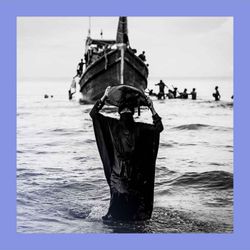
Delayed but not denied: justice for the Rohingyas
27:18|After decades of persecution, and seven years after the case was first brought before the UN’s highest court, judges ruled that Myanmar has committed genocide against the muslim minority. AI has facilitated new methods of cyber-crime, but for tech giants it has also created new opportunities to prevent them. And a tribute to Vladimir Uglev, the Russian chemist turned dissidentGuests and host:Irena Long, Asia writerAlex Hern, AI writerAnn Wroe, obituaries editorỌrẹ Ogunbiyi, co-host of “The Intelligence”Topics covered: Myanmar, Rohingyas, International Court of JusticeAI, cyber-crime, cyber-securityVladimir Uglev, Novichok, RussiaListen to what matters most, from global politics and business to science and technology—subscribe to The Economist.
Racing ahead: Anthropic’s big IPO
22:31|The leading AI lab is expected to raise over $80bn, the largest sum ever raised at an initial public offering. Where does this leave its rival OpenAI? The countries profiting from China and America’s battle for the world’s critical minerals. And why the colour of your rice might not matterGuests and host:Miles Kruppa, technology correspondentCerian Richmond Jones, international economics correspondentBenjamin Sutherland, science writerỌrẹ Ogunbiyi, co-host of “The Intelligence”Topics covered:Anthropic, OpenAI, artificial intelligenceCritical minerals, lithium, Democratic Republic of CongoBrown rice, starch, sugarsListen to what matters most, from global politics and business to science and technology—subscribe to The Economist.