Share
The Intelligence from The Economist
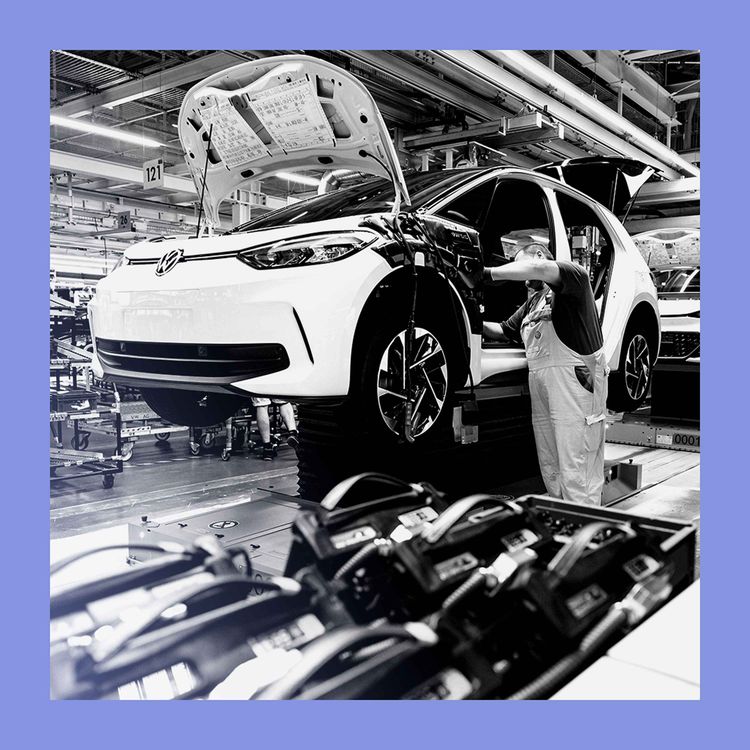
Emissions possible: EU petrol ban quashed
•
The European Union had promised to ban the sale of new diesel and petrol vehicles by 2035, as part of its environmental ambitions. Yesterday it watered down that commitment. Our correspondent explains the implications. Will Donald Trump’s choice of Federal Reserve chair politicise the institution? And The Economist announces its word of the year.
Listen to what matters most, from global politics and business to science and technology—Subscribe to Economist Podcasts+
For more information about how to access Economist Podcasts+, please visit our FAQs page or watch our video explaining how to link your account.
More episodes
View all episodes
Schrödinger’s chat: can AI and scientists co-exist?
27:53|In recent weeks, AI has solved hundreds of previously unanswered maths problems. Our correspondents ask if machines can do the same in other areas of science and what role human researchers may play. Why crisps are getting chunkier and chocolate chewier. And celebrating the life and work of author Annie Dillard. Watch extended clips from Insider here.Guests and host:Alex Hern, AI writerAlok Jha, science editorAvantika Chilkoti, global business writerAnn Wroe, obituaries editorRosie Blau, co-host of “The Intelligence”Jason Palmer, co-host of “The Intelligence”Topics covered: Scientific research, mathpocalypse, AI Crisps, snacks, texture, crunchtokAnnie Dillard, nature, obituaryListen to what matters most, from global politics and business to science and technology—subscribe to The Economist.
An interview with Alice Weidel
01:01:00|Under Alice Weidel’s leadership the Alternative for Germany (AfD), a right-wing populist party, has been riding high. A series of successes in state elections have brought it closer than ever to power at national level. Ms Weidel is perhaps best known for her calls for “remigration” and criticism of Germany’s support for Ukraine. She spoke to The Economist’s editor-in-chief, Zanny Minton Beddoes, for The Insider, our video show for premium subscribers. Hear their conversation in full.Watch the show—and sign up to the Insider newsletter.Listen to what matters most, from global politics and business to science and technology—subscribe to The Economist.
Who wants to be a millennial? Generation comeback
22:18|Their struggles to get jobs or buy homes once propelled political movements. Now many millennials are out-earning their parents and in positions of power. Our correspondent explains the transformation. Sophisticated tech tools are being used to sway voters in Israel. And why you should hold your tongue to high standards.Guests and host:Callum Williams, senior economics writerAnshel Pfeffer, Israel correspondentBella King, digital news editorRosie Blau, co-host of “The Intelligence”Topics covered: Millennials, home ownership, unemployment Israel, election, NetanyahuTongue-scrapers, dental hygieneListen to what matters most, from global politics and business to science and technology—subscribe to The Economist.
Kicking Kyiv: Trump’s doubtful deals
26:23|Donald Trump claims to have brokered a deal to import Russian diesel and an energy ceasefire between Russia and Ukraine. As attacks on Kyiv continue, our deputy editor says Trump is risking Ukraine’s future for a mid-term bounce. India’s government is failing to quell Gen Z protests. And how song binds us together and brings joy. Guests and host:Edward Carr, deputy editor of The EconomistKira Huju, Asia correspondentJoel Budd, Britain social affairs editorRosie Blau, co-host of “The Intelligence”Topics covered: Ukraine, diesel, energy ceasefire, StarlinkCockroach party, Modi, Abhijeet DipkeSinging, Sacha Langton-Gilks, choirListen to what matters most, from global politics and business to science and technology—subscribe to The Economist.
Unrest in peace: misery in Gaza
24:55|A year ago Donald Trump created the Board of Peace to rebuild Gaza. Yet for many Palestinians, life is even harder, as the ceasefire is repeatedly violated, crime is rising and poverty rife. Why record labels are in a spin over AI music. And Japan is struggling to benefit from the global matcha boom.Guests and host:Nicolas Pelham, Middle East correspondentHenry Tricks, US technology and media editorMoeka Iida, East Asia reporterRosie Blau, co-host of “The Intelligence”Jason Palmer, co-host of “The Intelligence”Topics covered: Gaza, Board of Peace, HamasAI music, slop, Warner Music Group Matcha, Japan, KagoshimaListen to what matters most, from global politics and business to science and technology—subscribe to The Economist.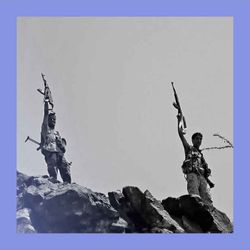
Saudi under siege: Houthis attack airport
22:38|This weekend, Yemeni rebels struck Saudi Arabia’s international airport in the deadliest attack on a Gulf Arab country since the Iran war began in February. Our correspondent reports from Riyadh. How European manufacturers are adjusting to high energy prices and war. And the revival of writing by hand.Guests and host:Gregg Carlstrom, Middle East correspondentGuy Scriven, global business writerCaitlin Talbot, culture correspondentRosie Blau, co-host of “The Intelligence”Topics covered: Saudi Arabia, Houthis, Yemen, Riyadh airportEuropean carmakers, energy prices, tariffsCursive, handwritingListen to what matters most, from global politics and business to science and technology—subscribe to The Economist.
The Weekend Intelligence: And Tango Makes Three
47:05|This is the story of one of the most challenged books in America, and the feathered-freedom fighters caught up in America’s culture wars.*This episode was first published in December 2023Listen to what matters most, from global politics and business to science and technology—Subscribe to Economist Podcasts+For more information about how to access Economist Podcasts+, please visit our FAQs page or watch our video explaining how to link your account.Music by bluedot Sessions and Epidemic Sound. AND TANGO MAKES THREE Copyright © 2005 by Justin Richardson and Peter Parnell. Audio excerpts courtesy of Simon & Schuster Audio, a Division of Simon & Schuster, Inc. read by Neil Patrick Harris from the audiobook by Justin Richardson and Peter Parnell.This podcast transcript is generated by third-party AI. It has not been reviewed prior to publication. We make no representations or warranties in relation to the transcript, its accuracy or its completeness, and we disclaim all liability regarding its receipt, content and use. If you have any concerns about the transcript, please email us at podcasts@economist.com.Read more about how we are using AI.
Saving your bacon: healthy-eating policy evolves
24:42|Decades of messaging have not worked, so governments are trying new ways to get citizens to eat well, from scary labelling to taxing the junkiest foods. Will it work? The death of a plague researcher in Russia is made more mysterious by the government’s resolute lack of transparency. And a tribute to Cyril Hilsum, the inventor behind ubiquitous flat-screen displays. Watch extended clips from Insider here.Guests and host:Slavea Chankova, health-care correspondentAlex Turner, defence editorAnn Wroe, obituaries editorJason Palmer, co-host of “The Intelligence”Topics covered: diet, public health, health policyRussia, plague, bioweaponsCyril Hilsum, liquid crystals, flat-screen displaysListen to what matters most, from global politics and business to science and technology—subscribe to The Economist.
Valley of the shadow of debt: bond-market jitters
21:39|Bond yields across the rich world keep ticking up. We take a global look at where the risks are mounting most, and just how much worry is warranted. What might have once seemed fanciful is becoming real: delivering daylight to dark parts of the world using mirrors in space. And the fatal earnestness of “The Social Reckoning”. Guests and host:Alex Domash, economics correspondentTim Cross, senior science writerTom Wainwright, culture correspondentRosie Blau, co-host of “The Intelligence”Jason Palmer, co-host of “The Intelligence”Topics covered: bond yields, monetary policy, animal spiritssatellite technology, darkness and light“The Social Reckoning”, Aaron SorkinListen to what matters most, from global politics and business to science and technology—subscribe to The Economist.