Latest episode

82. The Plot to Kill Ahmad Shah Massoud: Who Was Really Behind It? | Jon Lee Anderson (Part 2)
45:06||Ep. 82In Part 2 of this exclusive interview with acclaimed journalist and author Jon Lee Anderson, we investigate one of the most consequential assassinations in Afghanistan’s modern history: the killing of Ahmad Shah Massoud, just two days before the attacks of September 11, 2001. Drawing on his extensive reporting and personal investigations in Afghanistan, Jon takes us behind the scenes of Massoud’s assassination, examining how two al-Qaeda operatives posing as journalists gained access to the legendary Tajik commander, who helped facilitate their journey, and the troubling questions that remain unanswered more than two decades later. Jon recounts his encounters with some of Afghanistan’s most powerful figures, including Abdul Rasul Sayyaf, Burhanuddin Rabbani, Bismillah Khan, Marshal Fahim and Abdullah Abdullah. He explains why he came to suspect that Sayyaf may have been directly involved in the plot, his conversations with Massoud’s brother Ahmad Wali Massoud, and what British intelligence officials privately told him about the assassination. We also explore the rivalries, shifting loyalties and political calculations within the Northern Alliance, and the possibility that Massoud was betrayed by people close to him. Jon also reflects on how he foresaw the eventual defeat of the United States in Afghanistan, the failures of the two-decade Western intervention, and the decisions that ultimately paved the way for the Taliban’s return to power. Looking ahead, we discuss the possible scenarios awaiting Afghanistan, the country’s uncertain future under Taliban rule, and what its troubled history might tell us about what comes next. He, of course, shares incredibly fascinating stories of Afghanistan and its people. Jon Lee Anderson is a longtime staff writer at The New Yorker and one of the most respected foreign correspondents of his generation. His reporting from Afghanistan spans more than three decades, and his books include A Lion’s Grave and To Lose a War.📺 Watch/Subscribe on YouTubeProducer | Host: Roh YakobiAssistant Producer/Researcher: Sa-aadat YakobiMusic ©: Dawood SarkhoshEmail: hello@rohyakobi.comFacebook: https://www.facebook.com/rohyakobiInstagram: https://www.instagram.com/theafgpodX: https://x.com/theafgpod
More episodes
View all episodes
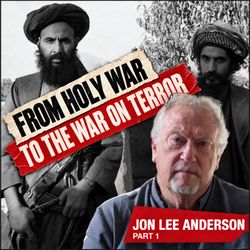
81. Afghanistan: The Road to 9/11, How Afghan Jihad Went Global | Jon Lee Anderson (Part 1)
50:09||Ep. 81In this episode, I sit down with acclaimed journalist and author Jon Lee Anderson to trace Afghanistan’s long road to 9/11 through the eyes of someone who witnessed or followed much of it firsthand.Jon first travelled into Afghanistan in the late 1980s, reporting from the front lines of the war against the Soviet Union and spending time with the Mujahideen. Over the decades that followed, he witnessed the rise of the Arab jihadists, the emergence of Osama bin Laden and al-Qaeda, Afghanistan’s devastating civil war, the rise of the Taliban, the post-9/11 intervention, and ultimately the return of the Taliban to power.We talk about the people he met along the way, the shifting alliances and loyalties, the warning signs that were visible long before 9/11, and why he came to believe that the Taliban would eventually prevail.Jon Lee Anderson is a longtime staff writer at The New Yorker and one of the most respected foreign correspondents of his generation. His reporting from Afghanistan spans more than three decades, and his books include A Lion’s Grave and To Lose a War.👍🏼 Support the show: Leave stars, comments, share with friends📺 Watch/Subscribe on YouTubeProducer | Host: Roh YakobiAssistant Producer/Researcher: Sa-aadat YakobiMusic ©: Dawood SarkhoshEmail: hello@rohyakobi.comFacebook: https://www.facebook.com/rohyakobiInstagram: https://www.instagram.com/theafgpodX: https://x.com/theafgpod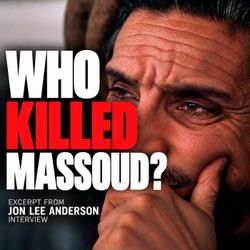
80. Inside the Plot That Killed Ahmad Shah Massoud
12:05||Ep. 80On 9 September 2001, two al-Qaeda operatives posing as journalists assassinated Ahmad Shah Massoud, just two days before the 9/11 attacks. But how did they manage to get so close to him?In this excerpt from my exclusive interview with veteran New Yorker journalist Jon Lee Anderson, he discusses his investigation into Massoud’s assassination, the route the killers took through Northern Alliance territory, and the local figures who helped them along the way. Anderson explains why he believes Abdul Rasul Sayyaf was directly involved in the plot to assassinate Massoud, as well as the questions he had about other senior figures in Massoud’s circle. He also reveals that British intelligence later approached him and said they too believed Sayyaf was involved in Massoud’s murder. This is an excerpt from the interview. The full exclusive conversation with Jon Lee Anderson will be released soon.👍🏼 Support the show: Leave stars, comments, share with friends📺 Watch/Subscribe on YouTubeProducer | Host: Roh YakobiAssistant Producer/Researcher: Sa-aadat YakobiMusic ©: Dawood SarkhoshEmail: hello@rohyakobi.comFacebook: https://www.facebook.com/rohyakobiInstagram: https://www.instagram.com/theafgpodX: https://x.com/theafgpod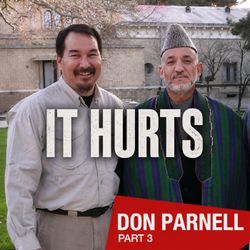
79. The Inside Story of Hamid Karzai’s Rise to Power | Don Parnell (Part 3)
36:44||Ep. 79More than two decades after helping overthrow the Taliban and witnessing the birth of Afghanistan’s new government, Don Parnell looks back at what became of the country — and the people — he left behind.In the final part of this exclusive three-part interview, the former CIA Chief of Ground Branch reflects on the aftermath of the 2001 campaign, his relationship with Hamid Karzai, and the extraordinary experiences that followed the fall of Kandahar.Parnell shares some of the more human — and at times surprisingly amusing — stories from those days: the personalities he encountered, the friendships forged under extraordinary circumstances, and the strange, mundane and occasionally absurd problems that existed alongside the deadly serious business of war. His recollections offer a glimpse of Afghanistan rarely captured in official histories: not simply strategy, intelligence and politics, but the people, humour and everyday realities behind them.He also recalls returning to Afghanistan and being honoured by President Hamid Karzai with Afghanistan’s Wazir Akbar Khan Medal, alongside the late former King Mohammad Zahir Shah — an extraordinary moment in a relationship that had begun amid the chaos of war.Parnell reflects on the Afghans he worked alongside and the personal cost of watching a mission that once seemed so full of possibility end with the Taliban’s return to power in 2021. Speaking candidly about the US withdrawal and the fate of people he knew and cared about, his verdict is strikingly simple: “It hurts.”Looking back across the twenty-year intervention, Parnell discusses the constant rotation of commanders, the drift from the original counterterrorism mission into nation-building, and what he believes was a fundamental misunderstanding of Afghanistan itself. In his view, attempts to construct a highly centralised Western-style state failed to account for the country’s local, tribal and regional realities.Yet this concluding episode is as much about people as politics. Parnell remembers the Afghans he fought and worked alongside, the risks they took, the bonds created in war, and the extraordinary contrast between the optimism of 2001 and the collapse two decades later.Funny, candid, poignant and at times painful, this is the concluding chapter of a remarkable first-hand account from a CIA officer who witnessed the Taliban’s first regime fall — and, twenty years later, watched the Taliban return.👍🏼 Support the show: Leave stars, comments, share with friends📺 Watch/Subscribe on YouTubeProducer | Host: Roh YakobiAssistant Producer/Researcher: Sa-aadat YakobiMusic ©: Dawood SarkhoshEmail: hello@rohyakobi.comFacebook: https://www.facebook.com/rohyakobiInstagram: https://www.instagram.com/theafgpodX: https://x.com/theafgpod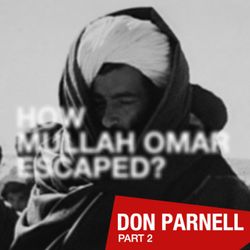
78. The Inside Story of Hamid Karzai’s Rise to Power | Don Parnell (Part 2)
30:50||Ep. 78As Hamid Karzai emerged as Afghanistan’s new interim leader, the Taliban’s first regime was collapsing. But behind the scenes, the final days of Taliban rule in their Pashtun heartland, were shaped as much by negotiations as by military force.In Part 2 of this 3 parts exclusive interview, former CIA Chief of Ground Branch Don Parnell recounts witnessing Hamid Karzai’s acceptance of the interim presidency, the secret negotiations that led to the surrender of Kandahar, and entering the city alongside Karzai as Mullah Omar slipped away. He describes establishing a base at Mullah Omar’s residence, the removal of the Taliban flag, the confusion surrounding Omar’s escape, and the remarkable scenes as Kandahar celebrated the end of Taliban rule with music, kites and a return to public life.Parnell also reflects on Hamid Karzai’s leadership during those pivotal days, the complex tribal politics that shaped the campaign, and offers a candid assessment of why he believes the West ultimately failed in Afghanistan. Rather than attempting to build a highly centralised nation-state, he argues, the coalition underestimated the country’s tribal realities and tried to impose a model of governance that Afghanistan was never structured to sustain.A rare first-hand account from one of the CIA officers who witnessed the collapse of the Taliban’s first regime, the birth of Afghanistan’s new government, and the decisions that would shape the next two decades of war. 👍🏼 Support the show: Leave stars, comments, share with friends📺 Watch/Subscribe on YouTubeProducer | Host: Roh YakobiAssistant Producer/Researcher: Sa-aadat YakobiMusic ©: Dawood SarkhoshEmail: hello@rohyakobi.comFacebook: https://www.facebook.com/rohyakobiInstagram: https://www.instagram.com/theafgpodX: https://x.com/theafgpod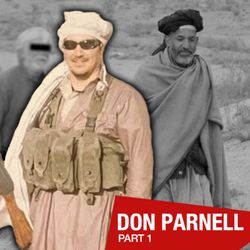
77. The Inside Story of Hamid Karzai’s Rise to Power | Don Parnell (Part 1)
30:48||Ep. 77On 14 November 2001, a small CIA team and U.S. Special Forces secretly inserted Hamid Karzai into southern Afghanistan. Less than a month later, Karzai would become Afghanistan’s interim leader.In Part 1 of this exclusive interview, Don Parnell, former CIA Chief of Ground Branch, who was by Karzai’s side throughout the mission, tells the inside story of one of the most consequential operations of the war in Afghanistan.Parnell recounts how the CIA assembled the mission in the aftermath of 9/11, the dangerous helicopter insertion into Uruzgan, working with Pashtun tribal elders, and the race to build a southern uprising against the Taliban. He also describes surviving behind Taliban lines with little food or water, the devastating U.S. friendly-fire strike that nearly killed Hamid Karzai, and witnessing the moment Karzai learned he had been chosen to lead Afghanistan’s new post-Taliban government.A rare first-hand account from one of the CIA officers at the centre of the campaign that toppled the Taliban.Coming in Parts 2 and 3: the secret negotiations with the Taliban, the fall of Kandahar, entering Mullah Omar’s residence, the removal of the Taliban flag, Mullah Omar’s escape, and the extraordinary final days of Taliban rule, and its aftermath.👍🏼 Support the show: Leave stars, comments, share with friends📺 Watch/Subscribe on YouTubeProducer | Host: Roh YakobiAssistant Producer/Researcher: Sa-aadat YakobiMusic ©: Dawood SarkhoshEmail: hello@rohyakobi.comFacebook: https://www.facebook.com/rohyakobiInstagram: https://www.instagram.com/theafgpodX: https://x.com/theafgpod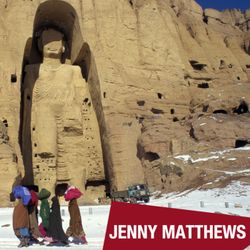
76. From Kabul to Bamiyan - Afghanistan’s Wars, Ruins and Resilience | Jenny Matthews
45:00||Ep. 76In this episode, renowned British photographer Jenny Matthews reflects on nearly four decades of documenting Afghanistan, from the final years of the Soviet occupation to the return of the Taliban.She recalls arriving in Kabul in 1988, photographing Afghan women during a time of war and uncertainty, and witnessing a society far more complex and vibrant than many outsiders imagined. The conversation explores her encounters with figures such as Gulbuddin Hekmatyar, the contrasts between Kabul and the refugee camps of Peshawar, and the experiences that shaped her career.Matthews also reflects on her remarkable journey to Bamiyan in 1998, where she found a landscape of breathtaking beauty and extreme hardship. She describes seeing families living in caves on the sides of the Bamiyan Buddhas, children enduring poverty and isolation, and the shock of coming under Taliban bombardment shortly after arriving.From war widows and women fighters to schoolchildren, midwives and future politicians, Matthews has spent decades documenting the lives of ordinary Afghans navigating extraordinary circumstances. She reflects on the profound changes she witnessed between 1988 and 2011, particularly in the lives and aspirations of Afghan women, and on the resilience that continues to define Afghanistan despite decades of conflict.A moving and deeply human conversation with one of the photographers who captured some of Afghanistan’s most enduring images.👍🏼 Support the show: Leave stars, comments, share with friends📺 Watch/Subscribe on YouTubeProducer | Host: Roh YakobiAssistant Producer/Researcher: Sa-aadat YakobiMusic ©: Dawood SarkhoshCover photo ©: Jenny Matthews/PanosEmail: hello@rohyakobi.comFacebook: https://www.facebook.com/rohyakobiInstagram: https://www.instagram.com/theafgpodX: https://x.com/theafgpod