Share
The Weekend Intelligence from The Economist
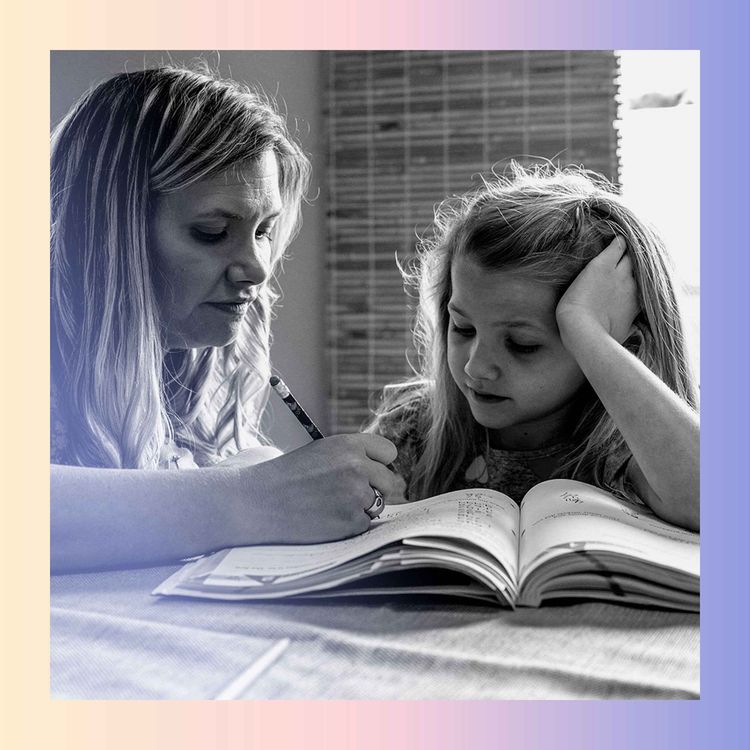
The new homeschoolers
Homeschooling is surging far beyond its roots in conservative Christian America. Across the US and around the world, more families are opting out of traditional classrooms. Emma Irving investigates why parents are making the leap and its impact on children and society.
Topics covered:
- homeschooling
- education
- Christian education
- Culture wars
Links to articles:
https://www.economist.com/international/2026/05/21/home-schooling-is-taking-off?utm_campaign=shared_article
Listen to what matters most, from global politics and business to science and technology—subscribe to The Economist.
Music by Blue dot and Epidemic
This podcast transcript is generated by third-party AI. It has not been reviewed prior to publication. We make no representations or warranties in relation to the transcript, its accuracy or its completeness, and we disclaim all liability regarding its receipt, content and use. If you have any concerns about the transcript, please email us at podcasts@economist.com.
More episodes
View all episodes

Laugh, think, move
43:05|FOR 35 years the Ig Nobel prizes—given for “research that makes people laugh, then think”—have been awarded at a madcap ceremony in Cambridge, Massachusetts. The “laugh” part highlights the sillier side of science; the “think” part reveals the same creative inquiry that drives the more dour-seeming side. Jason Palmer, co-host of “The Intelligence”, speaks to the prizes’ founder and past winners about the grave reasons the ceremony is moving this year to Zurich. Topics covered:Ig Nobel prizes Nobel prizesscientific inquiryAmerican science policyGuests:Marc Abrahams, founder, Ig Nobel prizesMarie Dacke, professor of sensory biology, Lund UniversitySir Andre Geim, professor of physics, University of ManchesterDavid Kaiser, professor of physics and professor of the history of science, MITLuca Luiselli, president, Institute for Development, Ecology, Conservation and Co-operationLinks to other episodes:The Weekend Intelligence: Science under siegeThe Weekend Intelligence: The War on Animal ResearchListen to what matters most, from global politics and business to science and technology—Subscribe to Economist Podcasts+For more information about how to access Economist Podcasts+, please visit our FAQs page or watch our video explaining how to link your account.***************This podcast transcript is generated by third-party AI. It has not been reviewed prior to publication. We make no representations or warranties in relation to the transcript, its accuracy or its completeness, and we disclaim all liability regarding its receipt, content and use. If you have any concerns about the transcript, please email us at podcasts@economist.com.Read more about how we are using AI.
Grave friends
38:14|Around 30% of Japan’s population is now over 65 and record numbers of people are dying. The weight of those deaths is falling on fewer shoulders, as births decline and the younger generation shrinks. On The Weekend Intelligence our East Asia reporter, Moeka Iida reports on kodokushi or "lonely deaths” and meets people finding ways to make the end of life less solitary. Topics covered:Aging society Lonely death Death cleaningEnd-of-life planning “Grave friends”Listen to what matters most, from global politics and business to science and technology—Subscribe to Economist Podcasts+For more information about how to access Economist Podcasts+, please visit our FAQs page or watch our video explaining how to link your account.This podcast transcript is generated by third-party AI. It has not been reviewed prior to publication. We make no representations or warranties in relation to the transcript, its accuracy or its completeness, and we disclaim all liability regarding its receipt, content and use. If you have any concerns about the transcript, please email us at podcasts@economist.com.Read more about how we are using AI.
TikTok humanitarianism
48:42|As aid systems come under growing strain, a new form of giving is emerging online. Catherine Brahic follows two people in Gaza who have come to rely on crowdfunding to survive. She also meets the volunteers who have become their fundraisers, and asks what happens when humanitarian aid is shaped by algorithms not institutions.Guests and host:Catherine Brahic, The Economist’s Environment EditorRosie Blau, co-host of ‘The Intelligence’Sami Alshannat, agricultural engineer in GazaAlaa Jaber, teacher in GazaNatalie Naudus, audiobook narrator and donorJosh Leigh, digital fundraising consultantOlga Boichack, media scholar at the University of SydneyTopics covered:CharityCrowdfundingSocial mediaGazaUkraineClick here to find out more about Sami and Alaa’s campaigns or Operation Olive Branch.Listen to what matters most, from global politics and business to science and technology—Subscribe to Economist Podcasts+For more information about how to access Economist Podcasts+, please visit our FAQs page or watch our video explaining how to link your account.Music by Ahmed Muin Abu Amsha & Gaza Birds Singing, blue dot and Epidemic.This podcast transcript is generated by third-party AI. It has not been reviewed prior to publication. We make no representations or warranties in relation to the transcript, its accuracy or its completeness, and we disclaim all liability regarding its receipt, content and use. If you have any concerns about the transcript, please email us at podcasts@economist.com.Read more about how we are using AI.
Attention, please!
43:42|What do medieval monks, Brazilian leftists and New York academics have in common? They all want to know where our attention has gone. How can we regain our focus?Barclay Bram visits The Strother School of Radical Attention in New York to find out. The founders hope to build a political movement to fight big tech’s domination of our attention. Their methods might not be what you expect. Guests and host:Barclay Bram, presenter and senior producer of ‘The Weekend Intelligence’D Graham Burnett, historian and co-founder of the Strother School of Radical AttentionAlyssa Loh, filmmaker, writer, and faculty member at the Strother School of Radical AttentionPeter Schmidt, programme director at the Strother School of Radical AttentionJamie Kreiner, historian of the early Middle Ages at UCLATim Wu, professor of law at Columbia University Topics covered:The attention economy The history of attentionBig tech Listen to what matters most, from global politics and business to science and technology—Subscribe to Economist Podcasts+For more information about how to access Economist Podcasts+, please visit our FAQs page or watch our video explaining how to link your account.Music by bluedot Sessions and Epidemic Sound.This podcast transcript is generated by third-party AI. It has not been reviewed prior to publication. We make no representations or warranties in relation to the transcript, its accuracy or its completeness, and we disclaim all liability regarding its receipt, content and use. If you have any concerns about the transcript, please email us at podcasts@economist.com.Read more about how we are using AI.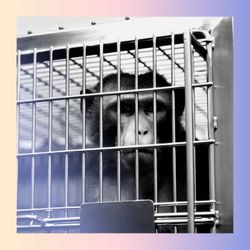
The war on animal research
52:13|PETA and other left-leaning groups have tried for decades to end research on animals. They mostly failed. Then a Republican strategist found a far more effective way to campaign. Daniella Raz examines how an activist group has gained enough power to challenge a critical part of America’s innovation economy–and what that means for the scientists now facing pressure from across the political spectrum. Topics covered:Animal testingMAGAMAHABiomedical researchInnovation economyListen to what matters most, from global politics and business to science and technology—subscribe to The Economist.Music by Blue dot and EpidemicFor transcripts please see this episode on our website.
Sleepless in Havana
53:25|All across the island of Cuba time has slowed down. With little access to fuel there is nowhere to go. With little access to power there is nothing to do, but wait— for the power to come back on, for America to tighten the screw further, and for the government to give in to their demands. In June, Sarah Birke travelled to Cuba to ask how the island is coping under America’s fuel blockade. Everyone is ready for change, the question is, what change is coming?Listen to what matters most, from global politics and business to science and technology—subscribe to The Economist.Music by Blue dot and EpidemicThis podcast transcript is generated by third-party AI. It has not been reviewed prior to publication. We make no representations or warranties in relation to the transcript, its accuracy or its completeness, and we disclaim all liability regarding its receipt, content and use. If you have any concerns about the transcript, please email us at podcasts@economist.com.
Better than a real boyfriend?
49:39|Imagine a boyfriend who is completely attuned to your needs. He cooks you dinner, nightly. He prepares a hot water bottle when you are on your period. And helps you drift off to sleep. He comes with no baggage, no expectations, other than you spend time with him. The catch? He’s not real. He’s a character in Love and Deepspace, a popular mobile game that’s got women all over the world hooked.The Economist’s Sue-Lin Wong investigates the Chinese game where women fall in love with virtual men. Topics covered:Modern love Dating SinglehoodGaming monetisation systems Otome games AI companionsListen to what matters most, from global politics and business to science and technology—subscribe to The Economist.For more information about how to access Economist Podcasts+, please visit our FAQs page or watch our video explaining how to link your account.Music by bluedot Sessions and Epidemic Sound.This podcast transcript is generated by third-party AI. It has not been reviewed prior to publication. We make no representations or warranties in relation to the transcript, its accuracy or its completeness, and we disclaim all liability regarding its receipt, content and use. If you have any concerns about the transcript, please email us at podcasts@economist.com.Read more about how we are using AI.
Fear and doping in Las Vegas
40:15|It’s a simple idea on the surface; host a rival to the olympics in which people can take performance enhancing drugs. But as The Economist’s Natasha Loder has found out over the past year, the games are just a shop window for a much bigger and more controversial idea – that we can all live better, happier lives by taking performance enhancing drugs. And Enhanced is here to sell them to you. Topics covered:DopingOlympics OptimisationBiohacking Links to articles:https://www.economist.com/interactive/1843/2026/05/21/dope-and-glory-inside-the-enhanced-games Listen to what matters most, from global politics and business to science and technology—Subscribe to Economist Podcasts+For more information about how to access Economist Podcasts+, please visit our FAQs page or watch our video explaining how to link your account.Music by bluedot Sessions and Epidemic Sound.This podcast transcript is generated by third-party AI. It has not been reviewed prior to publication. We make no representations or warranties in relation to the transcript, its accuracy or its completeness, and we disclaim all liability regarding its receipt, content and use. If you have any concerns about the transcript, please email us at podcasts@economist.com.Read more about how we are using AI.