Share
Age Better with Liz Earle
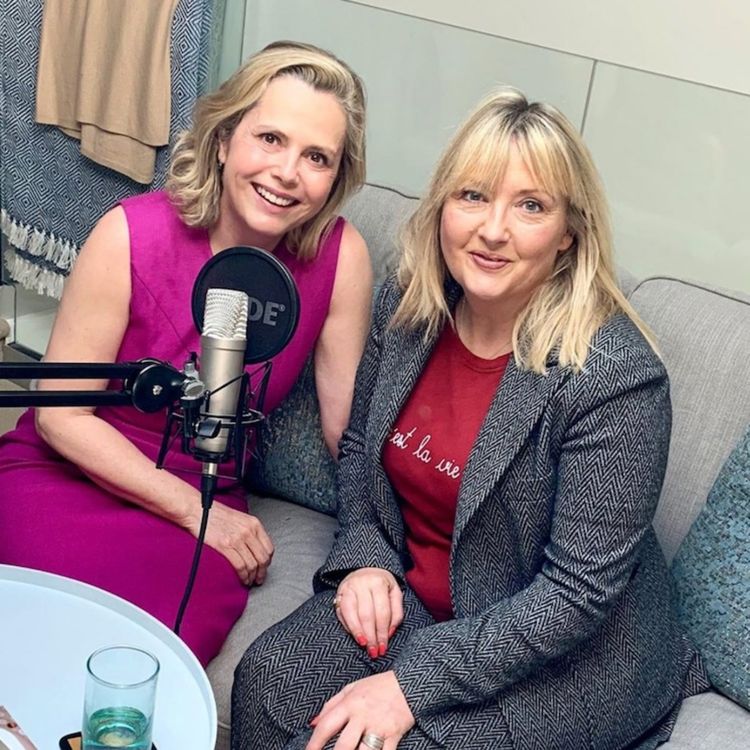
Skin secrets with Alison Young
In this week's episode, Liz is joined by beauty expert Alison Young. Ali is best known for being QVC’s longest standing and most trusted beauty presenter (where she met Liz!) but much of the work she’s done throughout her illustrious 30+ year career has, in fact, been off camera. Advising and directing some of our best-loved brands, it’s hard to overstate the influence she’s had on the beauty industry during this time. Strongly against the need for surgery and injectables, she’s an advocate for great results which can be achieved in our own homes, sharing her findings on screen, radio, in the press and on her own website Alison Young Beauty. She joins us today to discuss how we can all look our best in mid-life and beyond.
You can find the show notes with all the resources and links mentioned in the episode at https://lizearlewellbeing.com/s5e3-skin-secrets-alison-young/.
More episodes
View all episodes
7. Why I wouldn’t be without testosterone
35:22||Season 42, Ep. 7Struggling with brain fog and poor focus? Liz explains how declining hormones can affect cognitive function during perimenopause and menopause and tackles common misconceptions around hormone therapy. She also talks about her own experience with testosterone and mental clarity.Plus: Ways to treat skin hyper-pigmentation, what to do if you can't get an HRT referral, diet tweaks after gall bladder surgery and dealing with restless leg syndrome.In this episode:· Can testosterone cause cancer?· How to help with restless leg syndrome· Adapting your diet after gall-bladder surgery· What to do if you have high levels of lipoprotein· Treating skin hyper-pigmentation on a budget· How to find informed menopause supportLinks mentioned in the episode:· Newson Clinic· Read Louise Newson’s book The Power of Hormones· British Menopause Society information on HRT· Magnesium glycinate· Tudca supplement· Dr Mo Enyat podcast discussing lipoproteins and statins· Dr Ellen Fallows podcast explaining cholesterol and statins· Lumbrokinase supplement· Read How to fade age spots and pigmentation· Read Everything you need to know about niacinamide· Skin Diligent Vitamin C Serum-in-Oil· Read about hydroquinone for hyperpigmentation· Emr-tek.com red light therapyGet in touch with a question for Liz:· Email: podcast@lizearlewellbeing.com· WhatsApp: 07518 471 846More from Liz:· Order Liz's new book – How to Age· A Better Second Half· Follow Liz on Instagram· Follow Liz Earle Wellbeing on InstagramHost: Liz EarleProducer: Lynnike Swerts (Fresh Air Production)Social Media Manager: Naomi van GeelenContent Writer: Lucy ParleyHead of Brand: Ellie SmithSome links may be affiliate links, which help support the show at no extra cost to you. Read our Affiliate Policy for more information.
6. Why sunlight is key to a longer, healthier life – with Rowan Jacobsen
51:17||Season 42, Ep. 6For years we've been told to stay out of the sun to keep us safe, but have we got it all wrong? Award-winning science journalist Rowan Jacobsen joins Liz to discuss how each hour we spend outdoors could actually lower our risk of age-related diseases – and how sunlight deficiency is bad for our health.Liz and Rowan talk about the impact of light exposure on everything from mood and sleep to metabolism and energy, and how our bodies are not designed to live indoors.Rowan also shares surprising data about skin cancer and explains the difference between vitamin D supplements and the vitamin D our bodies produce from sunlight. In this episode:· How healthy sun exposure reduces age-related diseases· Why melanoma rates are higher in office workers· The importance of sunlight when you’re over 60· The impact of sunlight on your skin microbiome· Why a little sun every day is better than two weeks on a beach· Can supplements replace sun-derived vitamin D? Links mentioned in this episode:· Read The Fourth Phase of Water by Gerald Pollack More from Rowan:· Follow Rowan on Instagram· Read Rowan’s book, In Defense of Sunlight Get in touch with a question for Liz:· Email: podcast@lizearlewellbeing.com· WhatsApp: 07518 471 846More from Liz:· Order Liz's new book – How to Age· A Better Second Half· Follow Liz on Instagram· Follow Liz Earle Wellbeing on InstagramHost: Liz EarleProducer: Anouszka Tate (Fresh Air Production) Social Media Manager: Naomi van GeelenContent Writer: Lucy ParleyHead of Brand: Ellie SmithSome links may be affiliate links, which help support the show at no extra cost to you. Read our Affiliate Policy for more information.5. How to fade age spots and pigmentation
32:46||Season 42, Ep. 5If years of sun exposure have left you with age spots, freckles and uneven pigmentation, you’re certainly not alone. Liz explores the best ways to manage sun damage, sharing the skincare ingredients and treatments that can genuinely help – without the need to splash out on expensive creams.Plus: The impact of hair dye on gut health, whether testosterone causes hair loss, the health benefits of infrared saunas and choosing the right smart scales.In this episode:· Are infrared saunas good for my health?· The impact of hair dye on gut health· Are tallow creams effective for eczema-prone skin?· Is testosterone causing my hair to shed?· The benefits of smart scales and which to choose· How can I improve the look of my sun-damaged skin?· Liz’s tips for creating a healthy nighttime routine· Should I change my HRT now my periods have stopped? Links mentioned in the episode:· Read 11 ways to help thinning hair look thicker in midlife· Balance hormone app· Withings smart scale· Tanita smart scale· Renpho smart scaleGet in touch with a question for Liz:· Email: podcast@lizearlewellbeing.com· WhatsApp: 07518 471 846More from Liz:· Order Liz's new book – How to Age· A Better Second Half· Follow Liz on Instagram· Follow Liz Earle Wellbeing on InstagramHost: Liz EarleProducer: Lynnike Swerts (Fresh Air Production)Social Media Manager: Naomi van GeelenContent Writer: Lucy ParleyHead of Brand: Ellie SmithSome links may be affiliate links, which help support the show at no extra cost to you. Read our Affiliate Policy for more information.
4. 5 health checks every midlife woman should ask for – with Dr Florence Comite
50:34||Season 42, Ep. 4The future of medicine isn't treating disease – it's predicting and preventing it. Dr Florence Comite joins Liz to talk about the five tests she recommends for tracking important health markers, and how they can reveal future risks for conditions such as diabetes and dementia years before symptoms appear.In this episode, Liz and Florence discuss why understanding your health data could be one of the most important investments you make in your future wellbeing.Florence also shares the daily habits she uses to support healthy ageing, and the role of personalised medicine in extending healthspan.In this episode:· The data we should be collecting about ourselves daily· Getting the most out of wearables· The five biomarkers for women's longevity· Ways to adjust your lifestyle to prevent potential health disorders· The midlife symptoms that could indicate future health concerns· Why genes don’t determine our destiny More from Florence:· Follow Florence on Instagram· Read Florence’s book InvincibleGet in touch with a question for Liz:· Email: podcast@lizearlewellbeing.com· WhatsApp: 07518 471 846More from Liz:· Order Liz's new book – How to Age· A Better Second Half· Follow Liz on Instagram· Follow Liz Earle Wellbeing on InstagramHost: Liz EarleProducer: Anouszka Tate (Fresh Air Production) Social Media Manager: Naomi van GeelenContent Writer: Lucy ParleyHead of Brand: Ellie SmithSome links may be affiliate links, which help support the show at no extra cost to you. Read our Affiliate Policy for more information.3. Can perimenopause trigger a gluten intolerance?
28:50||Season 42, Ep. 3If foods you've eaten for years are suddenly leaving you bloated, uncomfortable or rushing to the loo, fluctuating hormones could be to blame. Liz explores how perimenopause can activate digestive discomfort and looks at ways to support the gut lining to improve symptoms.Plus: how to avoid injuries from strength training, managing acid reflux and indigestion, evening heart palpitations and can using a sauna reduce dementia risk?In this episode:• Are hormone fluctuations making me gluten intolerant?• Ways to manage heartburn and indigestion• Will using a sauna reduce my risk of dementia?• Advice for avoiding injuries when strength training• Why is my heartbeat so loud at night? Links mentioned in the episode:• Creatine - https://lizearlewellbeing.com/?s=creatine • Butyrate - https://lizearlewellbeing.com/?s=butyrate• The Good Gut Guide - https://shorturl.at/hwfDb• British Heart Foundation information on PPIs - https://www.bhf.org.uk/informationsupport/heart-matters-magazine/medical/drug-cabinet/proton-pump-inhibitorsGet in touch with a question for Liz: • Email: podcast@lizearlewellbeing.com• WhatsApp: 07518 471 846More from Liz:• Order Liz's new book – How to Age- https://www.amazon.co.uk/How-Age-Supercharge-Health-Better/dp/1399723715• A Better Second Half- https://www.amazon.co.uk/dp/1399723677?_encoding=UTF8&qid=1695723884&sr=8-1&linkCode=sl1&tag=lizearlewellb-21&linkId=5eefa1edb4d033e84befc25728bebcf0&language=en_GB&ref_=as_li_ss_tl• Follow Liz on Instagram- https://www.instagram.com/lizearleme/?hl=en• Follow Liz Earle Wellbeing on Instagram- https://www.instagram.com/lizearlewellbeing/?hl=enHost: Liz EarleProducer: Lynnike Swerts (Fresh Air Production)Social Media Manager: Naomi van GeelenContent Writer: Lucy ParleyHead of Brand: Ellie Smith Some links may be affiliate links, which help support the show at no extra cost to you. Read our Affiliate Policy for more information.
2. 5 ways to beat cravings and food noise in midlife – with Kim Pearson
48:00||Season 42, Ep. 2If you’re struggling to regulate food noise it might just be that you need to eat more – not less. Nutritionist Kim Pearson joins Liz to discuss how a few simple food swaps and easy lifestyle hacks can manage our appetite just as effectively as weight-loss jabs.They talk about the importance of muscle mass for healthy weight maintenance, and why protein and strength training are essential in midlife.Kim also explains how we’re getting breakfast all wrong, and shares ways we can hack our daily routine to train our body to turn off the cravings.In this episode:· Natural ways to reduce food cravings· Why we should be eating more – not less· Protein-rich meal ideas· How you can sleep yourself slim· The low-fat diet myth· How skipping breakfast is sabotaging your weight loss· Why olive oil might be nature’s GLP-1More from Kim:· Follow Kim on Instagram· Read Kim’s new book The Nozempic DietGet in touch with a question for Liz:· Email: podcast@lizearlewellbeing.com· WhatsApp: 07518 471 846More from Liz:· Order Liz's new book – How to Age· A Better Second Half· Follow Liz on Instagram· Follow Liz Earle Wellbeing on InstagramHost: Liz EarleProducer: Anouszka Tate (Fresh Air Production) Social Media Manager: Naomi van GeelenContent Writer: Lucy ParleyHead of Brand: Ellie SmithSome links may be affiliate links, which help support the show at no extra cost to you. Read our Affiliate Policy for more information.1. Simple ways to future-proof your joints
28:51||Season 42, Ep. 1If your joints feel stiffer than they used to, midlife hormone fluctuations might be at play- declining oestrogen can affect connective tissue, joint lubrication and bone health. Liz talks through the supplements and exercises that will help keep joints strong and flexible for longer, and why HRT could make a difference.Plus: gentle skincare after microneedling, getting the most nutrition from nuts and seeds, mouth-taping for improved sleep quality and can turmeric affect HRT?In this episode:· Do collagen supplements help with achy joints?· Skincare tips post-microneedling· What’s the best way to add nuts and seeds to my diet?· Mouth-breathing is disrupting my sleep· Will taking turmeric affect my HRT?Links mentioned in the episode:· Fushi Organic Rosehip Oil· By Sarah Hero Facial Oil· Collagen peptides· Turmeric/curcumin· Omega-3· Podcast with Dr Louise Oliver on mouth taping and breath workGet in touch with a question for Liz:· Email: podcast@lizearlewellbeing.com· WhatsApp: 07518 471 846More from Liz:· Order Liz's new book – How to Age· A Better Second Half· Follow Liz on Instagram· Follow Liz Earle Wellbeing on InstagramHost: Liz EarleProducer: Lynnike Swerts (Fresh Air Production)Social Media Manager: Naomi van GeelenContent Writer: Lucy ParleyHead of Brand: Ellie SmithSome links may be affiliate links, which help support the show at no extra cost to you. Read our Affiliate Policy for more information.
10. Could building muscle add years to your life? – with Dr Gabrielle Lyon
48:25||Season 41, Ep. 10Muscle doesn't just keep us strong and toned – it’s also an essential longevity tool. Physician and bestselling author Dr Gabrielle Lyon joins Liz to explain how lifting weights protects your bones, regulates blood sugar and promotes healthy ageing – and why it’s never too early or late to start.In this episode, Liz and Gabrielle discuss why we naturally lose muscle mass from our 30s, and how resistance training can protect against osteoporosis and metabolic disease.Gabrielle also shares practical advice on protein intake and simple, functional strength exercises to build into your week to help you feel stronger, fitter and more resilientIn this episode:· Why muscle is an organ of longevity· How perimenopause impacts muscle mass· The link between poor muscle health and type 2 diabetes· How building muscle can help you burn fat· The importance of protein for healthy ageing· Easy ways to build strength training into your weekMore from Gabrielle:· Follow Gabrielle on Instagram· The Forever Strong Playbook Get in touch with a question for Liz:· Email: podcast@lizearlewellbeing.com· WhatsApp: 07518 471 846More from Liz:· Order Liz's new book – How to Age· A Better Second Half· Follow Liz on Instagram· Follow Liz Earle Wellbeing on InstagramHost: Liz EarleProducer: Anouszka Tate (Fresh Air Production) Social Media Manager: Naomi van GeelenContent Writer: Lucy ParleyHead of Brand: Ellie SmithSome links may be affiliate links, which help support the show at no extra cost to you. Read our Affiliate Policy for more information.9. Is the contraceptive pill failing young women?
32:35||Season 41, Ep. 9While midlife women can be prescribed body-identical hormones on the NHS, their daughters and nieces are being given synthetic hormones that may carry more side effects and risks. Liz unpacks the differences between the two – and what every woman should know about her hormone healthcare, whether she’s weighing up the pill or navigating menopause.Plus: vibration plates for lymphatic drainage, the health benefits of seamoss, how to get rid of stubborn cellulite, and is it ever too late to start taking HRT?In this episode:· Natural ways to help with endometriosis· What is seamoss and should I be taking it?· Can vibration plates help with lymphatic drainage?· How to reduce the appearance of cellulite· Am I too old to start taking HRT? Links mentioned in the episode:· Newson Clinic for hormone health· Read Louise Newson’s book, The Power of Hormones· Am I too old to start HRT? podcast· Podcast The pill, HRT and medical gaslighting, with Kate Muir· Read Kate Muir’s book, Everything You Need to Know About the Pill (but were too afraid to ask)· NICE guidelines on Zoely contraceptive pill· Read Can diet help with endometriosis?· Vitamin C· Collagen peptides· Omega-3s· Magnesium Get in touch with a question for Liz:· Email: podcast@lizearlewellbeing.com· WhatsApp: 07518 471 846 More from Liz:· Order Liz's new book – How to Age· A Better Second Half· Follow Liz on Instagram· Follow Liz Earle Wellbeing on InstagramHost: Liz EarleProducer: Lynnike Swerts (Fresh Air Production)Social Media Manager: Naomi van GeelenContent Writer: Lucy ParleyHead of Brand: Ellie SmithSome links may be affiliate links, which help support the show at no extra cost to you. Read our Affiliate Policy for more information.