Latest episode
110. #110 Finding value as bond yields rise
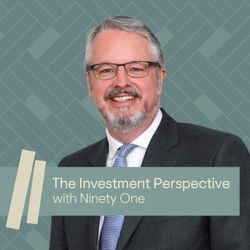
14:26||Season 1, Ep. 110Global bond yields are rising again, challenging decades of falling rates, but John Stopford sees a cyclical move, not a regime shock. He explains why he is turning constructive on bonds and why the AI boom is the key risk for equities and credit.
More episodes
View all episodes
109. #109 Gold's slide didn't break the bull case, it tested it
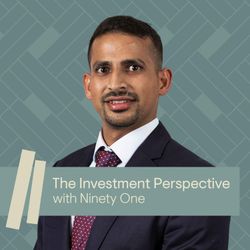
14:09||Season 1, Ep. 109Gold fell from over $5 500 to about $3 600 this year, and central banks stepped back before coming back in force in the second quarter. Muhammad Docrat explains why the structural case still holds and what gold does for a portfolio that other assets can't.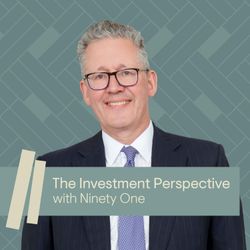
108. #108 Trump's welcome for Xi signals a shift markets shouldn't ignore
08:47||Season 1, Ep. 108Xi Jinping's Washington visit was more significant than the tariff concessions it produced. The symbolism, including Trump meeting Xi on the tarmac, points to Washington finally treating Beijing as a peer, Philip Saunders argues. For investors who've long priced in a Taiwan flashpoint, that shift deserves more attention than the trade headlines it generated.
107. #107 The biggest risk to SA bonds isn't the SARB decision, it’s DM yields
09:00||Season 1, Ep. 107Three central banks moved last week. A fourth, our own, decides this week. If you're trying to draw one lesson from all of it, Ruen Naidu argues, it’s this: the decision that matters most for South African bonds isn't the one the SARB is about to make.
106. #106 SA’s old economy is cashing in on the new economy's boom
13:00||Season 1, Ep. 106A JSE that looks strong on the surface is really two markets in one: diversified miners and gold and platinum names riding the global AI infrastructure and commodities boom, against an SA Inc split between struggling retailers and resilient banks. Samantha Hartard explains why SA, despite having almost no tech exposure, is still finding a way into the AI trade through copper, coal and the physical buildout behind it.
105. #105 Munitions, multiples and midterms: the risks the markets might be missing now
11:34||Season 1, Ep. 105Malcolm Charles breaks down why two wars, an AI-distorted equity market and an unpredictable US election are colliding at once, and what it means for investors.
104. #104 Bessent and Warsh at loggerheads: who controls the curve?
08:10||Season 1, Ep. 104US Treasury Secretary Scott Bessent has been buying back long bonds to calm a sell-off at the long end of the yield curve. Fed governor Kevin Warsh, fresh from a hawkish Jackson Hole speech, wants the opposite: a smaller balance sheet and a clear signal from the curve. Ruen Naidu unpacks why the two are at odds, and why an oil price spike could override both.