Share
Tech and Science Daily | The Standard
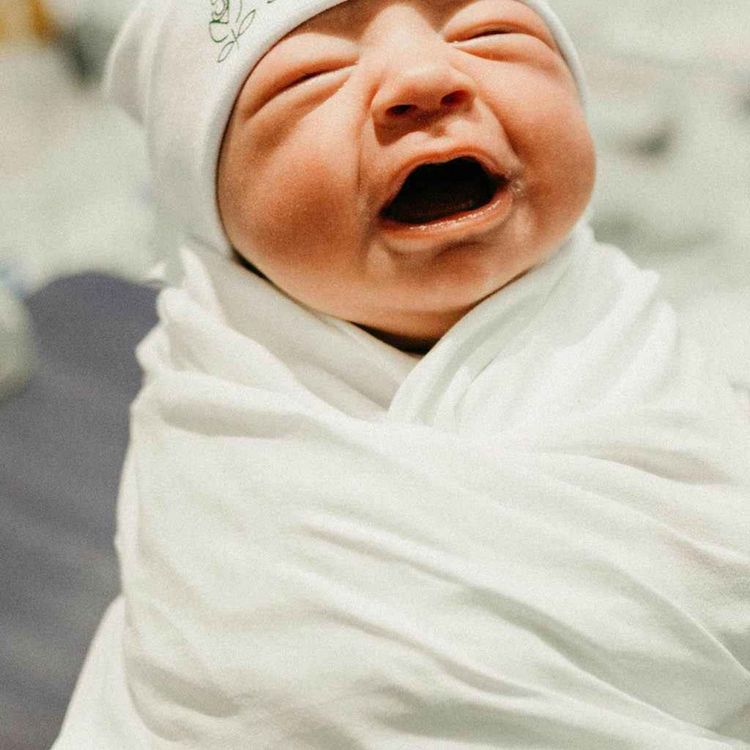
Babies can sense pain before they can understand it
That’s according to neuroscientists at UCL, UCLH and King's College London, who investigated how different types of pain processing develop very early on, by scanning the brains of premature babies two weeks after birth.
Tech & Science Daily spoke to the lead author of the breakthrough study, Lorenzo Fabrizi, professor in developmental system neuroscience at UCL.
We were told their research can help support vulnerable babies with paediatric care, tailored pain management, and contribute to the planning of medical interventions.
US President Donald Trump has extended the impending US TikTok ban for a third time.
The new deadline is September 17th, pushing the decision back another 90 days.
Plus, in a world-first discovery, researchers say that Australia’s nocturnal Bogong Moth - whose population is in decline - uses constellations of stars and the Milky Way to navigate hundreds of kilometres across the country during its annual migration.
Also in this episode:
-Be careful with heading your football; it can subtly alter the brain, regardless of whether there is a concussion or not.
-The UK's amber heat health warning, as London experiences its first "tropical night" forecast of the year.
-ESA's driverless spacecraft creates 'fake' solar eclipse in space.
-Ozzy Osbourne's iced tea cans, which include his DNA, for a price of £365 a piece.
More episodes
View all episodes
Episode 6: The Future of the Thames
22:36|Lucy Tobin looks to the future of the River Thames. From climate change and population growth to water shortages, pollution and emerging contaminants, she explores the challenges facing one of Britain's most important waterways. Hearing from scientists, campaigners, politicians and water industry experts, Lucy asks what needs to happen next to protect the Thames for future generations — and whether the decisions being made today will be enough to secure the river's long-term health.
Episode 5: Thames Water in the Hot Seat
26:37|Lucy Tobin investigates the challenges facing Thames Water as the company comes under increasing scrutiny from customers, politicians and campaigners. From flooding and compensation disputes to rising bills, debt and sewage pollution, she examines why public trust has been eroded and puts tough questions directly to one of Thames Water's most senior executives about the future of the company and the river it serves.
Episode 4: Inside London's Super Sewer
20:24|We hope you enjoy this new series from The Standard. To listen to more episodes now, check out Thames Unfiltered. In the fourth episode of Thames Unfiltered, host Lucy Tobin investigates the Tideway Tunnel — the vast engineering project built beneath the River Thames to tackle London's sewage pollution problem.Following decades of sewage spills into the river, the £4.6 billion "super sewer" was designed to capture millions of tonnes of wastewater that would otherwise overflow into the Thames during heavy rainfall.But while the tunnel is reducing pollution, can it protect London from the increasing threat of flash flooding?This episode features interviews with Thames Water's Head of Waste Operations Tim Davies, catchment management expert Alex Nickson, seventh-generation waterman Chris Livett, and Sir Peter Bazalgette.Listen to Thames Unfiltered, brought to you by The Standard, in association with Thames Water. All content has been created under The Standard's editorial control.Next episode: Lucy puts Thames Water director, Cathryn Ross, in the hot seat. She asks the questions Londoners want answered: bills, bonuses, sewage, and the future ownership of the company.
Episode 3: The Victorian Sewer That Built Modern London
21:49|We hope you enjoy this new series from The Standard. To listen to more episodes now, check out Thames Unfiltered. In the third episode of Thames Unfiltered, host Lucy Tobin explores the engineering marvel that is London’s sewer network.After the Great Stink of 1858 and cholera outbreaks that forced politicians to act, the Victorian system was designed by Sir Joseph Bazalgette in the mid-20th century.That same Victorian system still serves London today.Lucy pays a visit to Abbey Mills Pumping Station, or “Poo Palace”, to find out what happens when a 150-year-old system is pushed beyond the limits its creator could have imagined.This episode features interviews with the “Queen of London’s Poo”, Dina Gillespie, and Sir Peter Bazalgette, great-great-grandson of Joseph Bazalgette.Listen to Thames Unfiltered, brought to you by The Standard, in association with Thames Water. All content has been created under The Standard's editorial control.Next episode: We investigate whether the Tideway Tunnel — London's £5 billion "super sewer" — is delivering on its promise to reduce sewage pollution and relieve pressure on the Victorian network beneath the capital.
Episode 2: What Does Clean Really Mean?
26:54|We hope you enjoy this new series from The Standard. To listen to more episodes now, check out Thames Unfiltered. In the second episode of Thames Unfiltered, host Lucy Tobin asks the question:What does clean really mean?The River Thames is healthier than it was decades ago, with wildlife returning to parts of the river once declared biologically dead. But beneath the surface, the picture is far more complicated.In this episode, Lucy speaks to scientists, campaigners and conservationists about how river health is measured.From real-time sewage maps and wet wipe pollution to seahorses, porpoises and harbour seals, we discover that a healthy Thames isn't necessarily a pristine one — it's a living, thriving ecosystem.Listen to Thames Unfiltered, brought to you by The Standard, in association with Thames Water. All content has been created under The Standard's editorial control.Next episode: We go inside Abbey Mills pumping station — London's historic "Poo Palace" — to explore the Victorian engineering miracle that transformed the capital and still carries its waste more than 150 years later.We hope you enjoy this new series from The Standard. To listen to more episodes now, check out Thames Unfiltered.
Episode 1: How Healthy is the Thames?
27:20|We hope you enjoy this new series from The Standard. To listen to more episodes now, check out Thames Unfiltered. In the first episode of Thames Unfiltered, host Lucy Tobin asks the question:How healthy is the Thames today?Since being declared biologically dead in the mid-20th century, we explore the state of the Thames today, and who and what will impact its future.We examine the role of Thames Water, the impact of climate change and population growth, the importance of the river’s tributaries and ecosystems, and whether major projects like London’s £5 billion “super sewer” - the Tideway Tunnel - can help secure the river’s future.As the debate over Britain's waterways intensifies, this episode sets the scene for a series exploring one of the country's most important rivers—and everything that depends on it.Listen to Thames Unfiltered, brought to you by The Standard, in association with Thames Water. All content has been created under The Standard's editorial control.Next episode: What exactly is in the Thames? We investigate the pollutants, runoff and hidden contaminants affecting river health, and ask what "clean water" really means.We hope you enjoy this new series from The Standard. To listen to more episodes now, check out Thames Unfiltered.
Is it easier than ever to build a start up now? With AXA Startup Angel Competition judges
20:52||Season 1Small and medium-sized enterprises accounted for 99.9% of the UK’s 5.7 million new companies last year. So what does it really take to build a business from scratch today, and how easy is it to secure funding?In this episode, host Tamara Kormornick sits down with Raphael Sofoluke, the founder of the UK Black Business Show and UK Black Business Week, and Izzy Obeng, the founder and CEO of Foundervine. Both guests are on the judging panel for the AXA Startup Angel Competition from AXA Business Insurance - in partnership with the Standard - and in a couple of months they will select impressive entrepreneurs to win top prizes, including £25,000, expert mentoring, plus business insurance for a year. Together, they discuss what it takes to be a founder, including the most common mistakes, tips on how to impress investors, and how to build a supportive business network that pays dividends in the long run.Competition entries close on 21 June 2026. For more information and to enter this year's AXA startup Angel competition, visit https://axastartupangel.standard.co.uk/
Pesticide “Safe Levels” Questioned, SpaceX Falcon Heavy Scrubbed, and Diablo IV’s Lord of Hatred Lands — Al’s Final Episode
05:57||Season 1It’s the final show with Alan Leer, and we’re not going out quietly. A major study is mapping pesticide exposure against cancer hotspots and raising awkward questions about what “safe” even means when chemicals mix in the real world. Meanwhile SpaceX tries to get Falcon Heavy back up, but the weather does what it does. Back home, London gets a proper academic flex out of UCL, and in gaming, Diablo IV drops Lord of Hatred — the kind of expansion that eats your evening and asks for seconds. For the full reads, it’s all on standard.co.uk — and cheers for listening.
London’s new Imperial–Lenovo AI hub, Apple’s iPhone privacy patch, and Nintendo hit with a tariff refund lawsuit
06:05||Season 1Al’s on for your Monday commute as White City gets a fresh AI flex — Imperial and Lenovo are launching a new London AI Technology Centre aimed at turning big-model theory into real deployments. Then we pivot to your iPhone, because Apple’s patched a privacy flaw tied to message notifications that really shouldn’t have been hanging around. And in gaming, Nintendo’s dealing with a class-action headache as gamers argue tariff refunds should trickle down to customers — not just sit on a balance sheet. Plus, Motorola’s teasing a new Razr launch this week, because foldables refuse to die and honestly… fair enough.