Latest episode
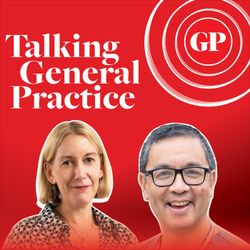
9. GP and NICE CMO Dr Adrian Hayter on improving guidance for GPs, new tech and prescribing
37:18||Season 7, Ep. 9This week Emma speaks to Dr Adrian Hayter, a GP partner in Windsor and Chief Medical Officer at NICE.Adrian discusses why he made the move to NICE and what having a practicing GP in senior leadership at the organisation means for primary care as the NHS shifts focus towards community-based care and neighbourhood health teams.He explains how NICE is working to accelerate guidance approvals, how guidelines can be made more accessible for frontline clinicians managing patients with complex multi-morbidities, and the role of the upcoming Single National Formulary - and what it will mean for GPs, pharmacists and primary care teams. Adrian also explains how NICE is adapting its evaluation frameworks for emerging health technologies, including AI tools and medical-grade wearables.This episode was presented by GPonline editor Emma Bower. It was produced by Czarina Deen.Useful linksMHRA and NICE aligned pathway: how it's working in practice - article on NICE’s websiteInformation about NICE’s lifecycle approach to guidance developmentThe Pharmacists’ Summit - from MIMS Healthcare NetworkTwo evenings of online learning on 30 November and 1 December for pharmacists working in primary care. For more information and to register for your free place visit:https://www.mimshealthcarenetwork.co.uk/mims-learning-live-digital-the-pharmacists-summit
More episodes
View all episodes
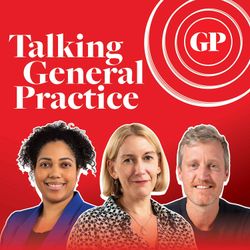
8. ARRS goes back to basics, GP contract priorities this year, Labour conference
37:19||Season 7, Ep. 8The GPonline team discusses the latest news affecting general practice. This week they look at the additional roles reimbursement scheme after an analysis of NHS data by Nick suggested that PCNs are starting to switch funding towards paying for more GPs and nurses as opposed to other healthcare professionals.Nick and Emma discuss the BMA England GP committee’s decision to postpone any escalation to collective action in a bid to reset its relationship with the government ahead of this year’s contract negotiations.They look at what that means and the key issues the BMA will be pushing for in this year’s contract talks.Meanwhile, this week Kimberley went to Liverpool to the Labour Party conference - she explains what the mood was like and what GPs attending the conference thought about it. And the team looks at what prime minister Andy Burnham and health and social care secretary Yvette Cooper had to say.And our good news story this week is about an innovative GP-led falls prevention initiative.This episode was presented by GPonline editor Emma Bower, deputy editor Nick Bostock and senior reporter Kimberley Hackett. It was produced by Czarina Deen.Sign up for GPonline updates with our 60-second GP email hereUseful linksARRS funding shift as PCNs prioritise doctors and nurses GPs in England postpone further action in 'reset' with governmentGPs urged to 'seize' neighbourhood model as Cooper hails improved access If hospital to community shift doesn't work - stop it, says RCGPInnovative GP-led falls scheme 'strong example' of neighbourhood benefitsThe Pharmacists’ Summit - from MIMS Healthcare NetworkTwo evenings of online learning on 30 November and 1 December for pharmacists working in primary care. For more information and to register for your free place visit:https://www.mimshealthcarenetwork.co.uk/mims-learning-live-digital-the-pharmacists-summit
Bonus episode: Urological cancer - key advice for GPs on referral, diagnosis and treatment
29:11|In this bonus episode of Talking General Practice Dr Netty Kinsella, uro-oncology nurse consultant and clinical lead for urology cancer diagnostics and active surveillance at The Royal Marsden NHS Foundation Trust, speaks to GPonline editor Emma Bower about urological cancer.Netty explains what makes the Royal Marsden's urology diagnostic service unique, and provides essential guidance for GPs on when to refer patients with suspected urological cancer.She talks about the latest on prostate cancer screening, including the National Screening Committee’s recent recommendation for a targeted programme, and how GPs should approach risk-adapted PSA testing. Netty also shares key insights into the role of MRIs, advanced biopsy technologies, and provides advice on managing haematuria and urgent testicular presentations in primary care.This episode was produced by Czarina Deen.This episode of the podcast has been sponsored by The Royal Marsden Private Care.About The Royal Marsden Private CareThe Royal Marsden opened in 1851 as the world's first hospital dedicated to cancer diagnosis, treatment, research, and education. Today, it operates as a specialist cancer centre and, working closely with its principal academic partner, the Institute of Cancer Research, is ranked among the top four institutions globally for the impact of its research. As a centre of excellence, The Royal Marsden pioneers the latest cancer treatments and technologies while leading the way in innovative cancer diagnosis, research, and education.As a specialist cancer centre, The Royal Marsden has the clinical expertise, facilities and technology to provide the very highest levels of private cancer care. Every cancer is different, and their multidisciplinary teams, consisting of over 2,500 world-leading cancer experts, provide patients with personalised and bespoke treatment plans.NHS and Private Care services are provided in parallel at The Royal Marsden, ensuring clinical need and urgency is prioritised over NHS or private status. Revenue generated by private care is reinvested back into the hospital, for the benefit of everyone. Find out more about this unique care model, including how revenue generated by Private Care is reinvested into the hospital, here: royalmarsden.nhs.uk/our-care-model.The Royal Marsden Private Care operates across sites in Chelsea and Sutton, a Medical Day Unit at Kingston Hospital, as well as a diagnostic and treatment centre at Cavendish Square in central London.Find out more about The Royal Marsden’s cancer services: royalmarsden.nhs.uk/private-care/londonGP.
7. Rethinking grief in primary care - how to deliver effective bereavement care
35:13||Season 7, Ep. 7This week Emma talks to Dr Lynsey Bennett, a GP in Oxford, about the educational resource she has co-developed to help primary care teams better understand grief and deliver effective bereavement care.Lindsay explains the simple, three-part consultation framework designed to help clinicians navigate conversations about loss within standard short appointments. She explains why outdated linear models of grief can be unhelpful, how to support patients without trying to 'fix' their pain, and simple changes practices can make to better support bereaved patients.She also covers how to spot signs of complex grief that require specialist psychological input, how practices can protect staff wellbeing, and why bereavement care needs higher priority across NHS training and policy.This episode was presented by GPonline editor Emma Bower. It was produced by Czarina Deen.Useful linksA primary care approach to bereavement | British Journal of General PracticeA compassionate bereavement response - Poster for clinical and waiting roomsNational Grief Awareness Week - Resources for running an awareness campaignExplaining grief - This is a resource compiled by GPs in London, and includes a poster summary of the consultation modelGrief and Bereavement in Primary Care - Good Grief - A short course for anyone who works in primary care. Broken down into seven one-hour webinars and available on demand for six months from the time you subscribe. Could be listened to as a podcast if downloaded.Good Grief – an online community which hosts events and courses that bring people together to gain insight and knowledge, hear stories they can relate to, and find support and healing as part of the Good Grief community.The Bristol Centre for Grief Research and Engagement - Mentioned in the interviewThe Pharmacists’ Summit - from MIMS Healthcare NetworkTwo evenings of online learning on 30 November and 1 December for pharmacists working in primary care. For more information and to register for your free place visit:https://www.mimshealthcarenetwork.co.uk/mims-learning-live-digital-the-pharmacists-summit
6. What list cleaning means for GP capacity, neighbourhood contract doubts, plus what is 'good' GP access?
42:24||Season 7, Ep. 6This week Nick and Emma discuss the latest on list cleaning and what it means for GP funding, as well as how it is affecting individual practices and patients.They look again at neighbourhood contracts after seeing various responses to NHS England’s consultation - they assess what GP organisations and others had to say about the proposals and what it could mean longer term.And they talk about access and continuity following the results from our own survey and also the publication of a report by MPs into access across all areas of primary care,.This week’s good news story is about the CQC showcasing positive work in general practice.This episode was presented by GPonline editor Emma Bower and deputy editor Nick Bostock. It was produced by Czarina Deen.Useful links● List cleaning has slashed equivalent of 30m appointments from GP practices● 'Patients have missed out on medication because they've been removed unfairly'● Neighbourhood contracts untested and may not be necessary, warns RCGP● Neighbourhood contracts risk imposing form over function, warns NAPC● Viewpoint: Neighbourhood contracts bring risk - but also opportunity for GPs● Government focus on GP access 'undermining quality and continuity'● NHS needs 'fundamental shift' of resources to primary care, MPs say● CQC highlights best practice examples from GP inspections
GP Money Matters: The pension gap explained (and what you can do)
21:04|GP Money Matters is a series of special bonus episodes of Talking General Practice sponsored by Wesleyan where we look at key personal finance issues that affect GPs.It’s pensions awareness week and in this episode Wendy Baillie, a chartered financial planner and regional manager at Wesleyan Financial Services, speaks to GPonline editor Emma Bower about the pension gap, what it is and what GPs can do about it.Wendy explains why GPs can face a shortfall between their expected retirement income and what their pension will deliver. She discusses how modern working patterns, including portfolio careers, reduced sessions, and taking time away for family or caring responsibilities, can impact NHS pension accumulation.Wendy also sets out practical steps GPs can take to assess their retirement outlook early, and explains the importance of reviewing financial plans whenever working arrangements change and the options available to help build flexibility into your future retirement.This episode was produced by Czarina Deen.This podcast is intended for general information purposes only and does not constitute financial advice. Individual circumstances may vary.Useful linksTo learn more about the financial considerations discussed in this podcast, you can book an appointment with a specialist financial adviser at Wesleyan Financial Services. Charges may apply. If you want to find out more about Wesleyan following this podcast, you can visit wesleyan.co.uk/gppodcast About WesleyanWesleyan Financial Services supports doctors with advice shaped around the realities of the profession.From complex income structures and portfolio careers to the NHS Pension Scheme and retirement options, its Specialist Financial Advisers work closely with doctors every day. Recognised by the NHS as able to give guidance on the NHS Pension Scheme, Wesleyan brings trusted expertise to key financial decisions. Combining financial planning, investment advice and protection, it helps doctors make confident, informed choices.According to Wesleyan Financial Service's survey data, 96% of doctors rated their specialist financial adviser as very good or excellent, reflecting a focused service that helps doctors protect their income, grow wealth and plan ahead with confidence.Remember: The value of investments can go down as well as up, and you may get back less than you invest.Wesleyan Financial Services Ltd (Registered in England and Wales No. 1651212) is authorised and regulated by the Financial Conduct Authority. Registered Office: Colmore Circus, Birmingham B4 6AR. Telephone: 0345 351 2352. VAT number: 487282114. Calls may be recorded to help us provide, monitor and improve our services to you. Read more information about the Wesleyan group of companies.
5. How GPs and practices can address health inequalities
33:36||Season 7, Ep. 5Emma speaks to Dr Dominic Patterson, a GP in Doncaster, chair of the Royal College of GPs Health Equity Special Interest Group, and CEO of the charity Fair Health.In this conversation, Dominic talks about the college’s new Fairer Practice Toolkit, which provides practical, evidence-informed steps GP practices can take to tackle health inequalities. He explains how the toolkit breaks down over 100 actions into accessible tiers, supporting practices to make a meaningful difference.He also explains why practices should consider reframing DNAs through the lens of ‘missingness’ to better support vulnerable groups, how health equity focused training schemes are encouraging GPs into deprived practices, and simple changes - such as reviewing practice registration barriers - that make a big difference.This episode was presented by GPonline editor Emma Bower. It was produced by Czarina Deen.Useful links● RCGP Fairer Practice Toolkit● RCGP Health Equity Special Interest Group● Fair Health● NHS England’s Core 20-plus framework