Share
Figuring It Out
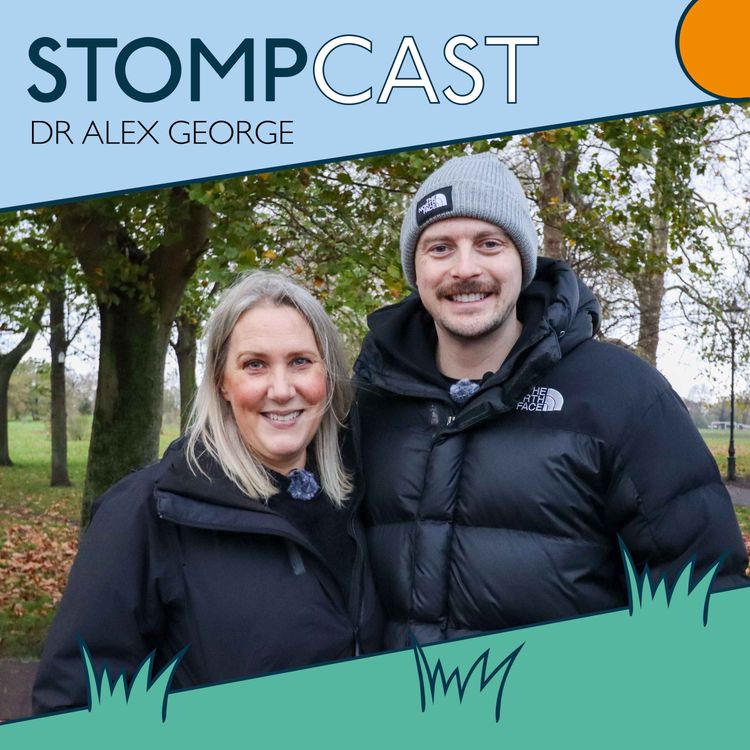
Pt 1: What Happens to Your Data When You Die? | Dr Elaine Kasket
Dr Elaine Kasket is a cyberpsychologist and expert in how our digital choices shape our experiences.
There’s no doubt that technology is at the core of pretty much everything we do now, and many of us couldn’t imagine our lives without it. But is our relationship with technology as good as it could be?
In part one, Elaine and Dr Alex George explore the concept of ‘digital remains’ and what happens to a person’s data and social media platforms once they pass away.
Plus, Elaine explains how technology can’t provide a shortcut through grief, and why it’s vital to remember that, no matter how convincing it may seem, artificial intelligence can never truly replicate human emotion.
Follow @elainekasket and check out her latest book Reset: Rethinking Your Digital World for a Happier Life. By using our affiliate bookshop you’ll help fund Stompcast by earning a small commission for every sale. Bookshop.org’s fees help support independent bookshops too!
Order Alex’s latest book Happy Habits - out now!
Follow the podcast on Instagram @thestompcast
Get the new, pocket guide version of The Mind Manual now
Download Mettle: the mental fitness app for men
More episodes
View all episodes

How Do You Keep Going When You Feel Like Giving Up? | Pt 1
29:44|Ever looked at someone going through a difficult time and wondered how they’re coping so well? What makes us more resilient, and how much of it comes from things we don’t see?In Part 1 of the Figuring It Out podcast, Dr Alex George and research scientist Dr Kathryn Bates explore what resilience really means, how researchers study it, and why there’s more to coping with adversity than individual willpower.From the way our brains and bodies respond to stress to the support we get from other people, they unpack what shapes our capacity to cope. And they ask an uncomfortable question: when we praise someone for being resilient, are we overlooking why they’ve had to be?No lectures. No easy answers. Just two people trying their best to figure it out.We're not here to give medical advice, we're just two friends exploring the science and figuring out life together. If you have any concerns about your health, please speak to your doctor.Each episode arrives in three parts from Monday to Wednesday. Part One tackles the Big Question. Part Two answers a real dilemma sent in by a listener. Part Three puts the most common claims to the test in Myth, Fact and It's Complicated.Have a question or dilemma you'd like us to tackle in a future episode? We'd love to hear from you. Email us at hello@figuringitoutpod.com.
Is Loneliness As Bad For You As Smoking? | Pt 3
15:27|Is loneliness really as bad for you as smoking? In Part 3, Dr Alex George and research scientist Dr Kathryn Bates put some of the most common claims about loneliness to the test. Does the quality of our relationships matter more than the quantity? Can being in a crowd actually make us feel lonelier? And are humans the only animals that experience loneliness?No lectures. No easy answers. Just two people trying their best to figure it out.We're not here to give medical advice, we're just two friends exploring the science and figuring out life together. If you have any concerns about your health, please speak to your doctor.Each episode arrives in three parts from Monday to Wednesday. Part One tackles the Big Question. Part Two answers a real dilemma sent in by a listener. Part Three puts the most common claims to the test in Myth, Fact and It's Complicated.Have a question or dilemma you'd like us to tackle in a future episode? We'd love to hear from you. Email us at hello@figuringitoutpod.com.
Why Is It So Hard To Make Friends As An Adult? | Pt 2
17:49|Why is it so hard to make friends as an adult? In Part 2, Dr Alex George and research scientist Dr Kathryn Bates explore how long it really takes to form a close friendship, why we tend to underestimate how much other people like us, and what changes when making friends no longer happens automatically. Plus, why even the smallest interactions with strangers and acquaintances might matter more than we realise.No lectures. No easy answers. Just two people trying their best to figure it out.We're not here to give medical advice, we're just two friends exploring the science and figuring out life together. If you have any concerns about your health, please speak to your doctor.Each episode arrives in three parts from Monday to Wednesday. Part One tackles the Big Question. Part Two answers a real dilemma sent in by a listener. Part Three puts the most common claims to the test in Myth, Fact and It's Complicated.Have a question or dilemma you'd like us to tackle in a future episode? We'd love to hear from you. Email us at hello@figuringitoutpod.com.
Why Are We Lonelier Than Ever? | Pt 1
32:04|Why are we lonelier than ever? In Part 1, Dr Alex George and research scientist Dr Kathryn Bates explore what loneliness actually is, why being alone isn’t the same as being lonely, and what can happen when loneliness becomes persistent. They also look at why meaningful connection may be getting harder to find, whether social media is really making us lonelier, and why loneliness isn’t simply an individual problem.No lectures. No easy answers. Just two people trying their best to figure it out.We're not here to give medical advice, we're just two friends exploring the science and figuring out life together. If you have any concerns about your health, please speak to your doctor.Each episode arrives in three parts from Monday to Wednesday. Part One tackles the Big Question. Part Two answers a real dilemma sent in by a listener. Part Three puts the most common claims to the test in Myth, Fact and It's Complicated.Have a question or dilemma you'd like us to tackle in a future episode? We'd love to hear from you. Email us at hello@figuringitoutpod.com.
Do All Animals Hold Grudges? | Pt 3
13:27|Do animals hold grudges? Can crows really remember someone who wronged them for 17 years? And does time heal all wounds?In Part 3, Dr Alex George and research scientist Dr Kathryn Bates put common claims about revenge and forgiveness to the test in Myth, Fact and It’s Complicated. They explore revenge-like behaviour across the animal kingdom, including the remarkable ability of crows to recognise and remember human faces. They also ask whether time naturally leads to forgiveness, how rumination can keep old hurt alive and what it really takes to let go. Plus, they end with a quick-fire round on the science of kindness.No lectures. No easy answers. Just two people trying their best to figure it out.We're not here to give medical advice, we're just two friends exploring the science and figuring out life together. If you have any concerns about your health, please speak to your doctor.Each episode arrives in three parts from Monday to Wednesday. Part One tackles the Big Question. Part Two answers a real dilemma sent in by a listener. Part Three puts the most common claims to the test in Myth, Fact and It's Complicated.Have a question or dilemma you'd like us to tackle in a future episode? We'd love to hear from you. Email us at hello@figuringitoutpod.com.
Why Is It So Hard to Forgive Someone? | Pt 2
14:15|Why is it so hard to forgive someone, especially when you believe they meant to hurt you? Why can we accept damage caused by a storm more easily than harm caused by another person?In Part 2, Dr Alex George and research scientist Dr Kathryn Bates work through a listener dilemma inspired by Oliver Sacks. They explore how our brains interpret intention, betrayal and broken trust, why these can make interpersonal harm so difficult to process, and what forgiveness really means. They also examine why forgiving is an active process rather than simply forgetting, and what research suggests about its impact on our mental and physical health.No lectures. No easy answers. Just two people trying their best to figure it out.We're not here to give medical advice, we're just two friends exploring the science and figuring out life together. If you have any concerns about your health, please speak to your doctor.Each episode arrives in three parts from Monday to Wednesday. Part One tackles the Big Question. Part Two answers a real dilemma sent in by a listener. Part Three puts the most common claims to the test in Myth, Fact and It's Complicated.Have a question or dilemma you'd like us to tackle in a future episode? We'd love to hear from you. Email us at hello@figuringitoutpod.com.
Is Revenge Good for You? | Pt 1
25:00|Is revenge ever good for you? Why does the idea of getting even feel so satisfying, and what happens after we act on it?In Part 1, Dr Alex George and research scientist Dr Kathryn Bates explore the evolutionary and psychological roots of revenge, from anger, shame and humiliation to the brain’s reward response. They examine why the anticipation of revenge can feel better than the reality, and how resentment, rumination and holding a grudge can affect our relationships, sleep, mental health and physical wellbeing.No lectures. No easy answers. Just two people trying their best to figure it out.We're not here to give medical advice, we're just two friends exploring the science and figuring out life together. If you have any concerns about your health, please speak to your doctor.Each episode arrives in three parts from Monday to Wednesday. Part One tackles the Big Question. Part Two answers a real dilemma sent in by a listener. Part Three puts the most common claims to the test in Myth, Fact and It's Complicated.Have a question or dilemma you'd like us to tackle in a future episode? We'd love to hear from you. Email us at hello@figuringitoutpod.com.
Can You Really Catch Up on Lost Sleep? | Pt 3
23:34|Can a weekend lie-in really help you catch up on lost sleep, or is repaying your sleep debt more complicated than that?In Part 3, Dr Alex George and research scientist Dr Kathryn Bates put common sleep myths to the test in Myth, Fact and It's Complicated. They explore catch-up sleep, power naps and whether napping deserves its lazy reputation. Plus, do you really need morning sunlight within the first 10 minutes of waking, and does sleeping in a cold room help you sleep better?No lectures. No easy answers. Just two people trying their best to figure it out.We're not here to give medical advice, we're just two friends exploring the science and figuring out life together. If you have any concerns about your health, please speak to your doctor.Each episode arrives in three parts from Monday to Wednesday. Part One tackles the Big Question. Part Two answers a real dilemma sent in by a listener. Part Three puts the most common claims to the test in Myth, Fact and It's Complicated.Have a question or dilemma you'd like us to tackle in a future episode? We'd love to hear from you. Email us at hello@figuringitoutpod.com.Enjoying Figuring It Out? Follow the podcast and leave us a review to help more people find the show.
8 Hours of Sleep but Still Exhausted? | Pt 2
15:44|Getting 8 hours of sleep but still waking up exhausted? In Part 2, Dr Alex George and research scientist Dr Kathryn Bates tackle a listener's dilemma: should you stick to an early wake-up time or make sure you get a full night's sleep?They explore sleep quality, deep sleep and the relationship between your sleep schedule and body clock, asking whether the eight-hour rule works for everyone. Plus, what can the history of biphasic sleep, or sleeping in two shifts, tell us about the way we sleep today?No lectures. No easy answers. Just two people trying their best to figure it out.We're not here to give medical advice, we're just two friends exploring the science and figuring out life together. If you have any concerns about your health, please speak to your doctor.Each episode arrives in three parts from Monday to Wednesday. Part One tackles the Big Question. Part Two answers a real dilemma sent in by a listener. Part Three puts the most common claims to the test in Myth, Fact and It's Complicated.Have a question or dilemma you'd like us to tackle in a future episode? We'd love to hear from you. Email us at hello@figuringitoutpod.com. Enjoying Figuring It Out? Follow the podcast and leave us a review to help more people find the show.