Share

Figuring It Out
Pt 1: Are More People Autistic Nowadays? | Professor Gina Rippon
Gina Rippon is Professor Emeritus of Cognitive NeuroImaging at Aston University, and is a leading researcher in understanding how autism shows up differently in women and girls.
There seems to be a consensus in the media that there’s been an influx of autism diagnoses in recent years, and in part one Gina joins Dr Alex George to discuss whether this is actually the case, what the diagnosis process is like and whether being labelled as autistic is actually beneficial for the individual…
Plus, Gina unpacks how autistic people see the world differently and whether we have become more or less accepting of difference as a society.
Follow @ginarippon1 and check out the books mentioned in this episode, The Lost Girls of Autism: The Untold Story of Women on the Spectrum and The Gendered Brain: The New Neuroscience that Shatters the Myth of the Female Brain. By using our affiliate bookshop you’ll help fund Stompcast by earning a small commission for every sale. Bookshop.org’s fees help support independent bookshops too!
Pre-order Alex’s latest book Am I Normal? - out 15th January
Order Happy Habits - out now!
Follow the podcast on Instagram @thestompcast
Get the new, pocket guide version of The Mind Manual now
Download Mettle: the mental fitness app for men
More episodes
View all episodes
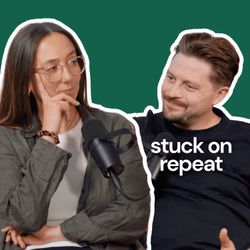
ADHD & Autism: Why Emotional Pain Can Hit Harder and Last Longer | Pt 2
24:24|Why can an upsetting interaction stay with you for days, or even weeks? And why can emotional pain feel so difficult to move on from?In Part 2 of Figuring It Out, Dr Alex George and research scientist Dr Kathryn Bates answer a listener's question about why emotional pain can feel stronger and last longer for some people with ADHD and autism.They explore emotional regulation, rumination, rejection sensitivity and alexithymia, which can make it difficult to identify and describe what you're feeling. Alex opens up about how he experiences frustration, why it can take him days to understand his own emotions, and how this has affected his relationships. They also discuss why misunderstandings between neurodivergent and neurotypical people can go both ways, and how learning to understand each other's needs can help.No lectures. No easy answers. Just two people trying their best to figure it out.We're not here to give medical advice, we're just two friends exploring the science and figuring out life together. If you have any concerns about your health, please speak to your doctor.Each episode arrives in three parts from Monday to Wednesday. Part One tackles the Big Question. Part Two answers a real dilemma sent in by a listener. Part Three puts the most common claims to the test in Myth, Fact and It's Complicated.Have a question or dilemma you'd like us to tackle in a future episode? We'd love to hear from you. Email us at hello@figuringitoutpod.com.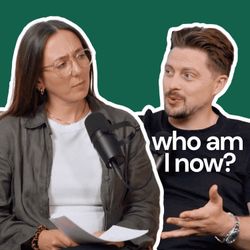
Late Autism & ADHD Diagnosis: Why It Changes How You See Yourself | Pt 1
25:55|Have you ever felt different without really understanding why? And what happens when an autism or ADHD diagnosis changes the way you've always seen yourself?In Part 1 of Figuring It Out, Dr Alex George and research scientist Dr Kathryn Bates explore how we develop our sense of identity, why it continues to change throughout our lives, and how a late diagnosis can bring a complicated mix of relief, grief and self-discovery.Alex opens up about questioning his own identity after being diagnosed with ADHD, OCD and autism, while Kathryn explores the research behind how our sense of self develops. They also discuss why receiving a diagnosis doesn't always mean getting the support you need, and how finding a community of people who understand your experiences can make such a difference.No lectures. No easy answers. Just two people trying their best to figure it out.We're not here to give medical advice, we're just two friends exploring the science and figuring out life together. If you have any concerns about your health, please speak to your doctor.Each episode arrives in three parts from Monday to Wednesday. Part One tackles the Big Question. Part Two answers a real dilemma sent in by a listener. Part Three puts the most common claims to the test in Myth, Fact and It's Complicated.Have a question or dilemma you'd like us to tackle in a future episode? We'd love to hear from you. Email us at hello@figuringitoutpod.com.
Autism & Special Interests: Why They're More Important Than You Think | Pt 3
22:22|Could your special interests be doing more for your wellbeing than you realise? For autistic people, these interests can be much more than hobbies, potentially helping with emotional regulation, reducing stress and providing a sense of comfort.In Part 3 of Figuring It Out, Dr Alex George and research scientist Dr Kathryn Bates explore the surprising benefits of autistic special interests and what the research tells us about their role in emotional wellbeing.They also put common claims about ADHD and autism to the test in Myth, Fact and It's Complicated. Does masking look different in autistic girls and women? Is ADHD masking the same as autistic masking? And how does recovery from ADHD burnout compare with autistic burnout?Plus, why is there still so much we don't know about masking, and what questions are researchers trying to answer?No lectures. No easy answers. Just two people trying their best to figure it out.We're not here to give medical advice, we're just two friends exploring the science and figuring out life together. If you have any concerns about your health, please speak to your doctor.Each episode arrives in three parts from Monday to Wednesday. Part One tackles the Big Question. Part Two answers a real dilemma sent in by a listener. Part Three puts the most common claims to the test in Myth, Fact and It's Complicated.Have a question or dilemma you'd like us to tackle in a future episode? We'd love to hear from you. Email us at hello@figuringitoutpod.com.
Autistic Burnout: Why It's More Than Just Being Tired | Pt 2
25:22|Autistic burnout is more than just feeling tired. It can involve overwhelming exhaustion, difficulty managing everyday tasks and a reduced tolerance to sensory input. But what causes it, and what can help?In Part 2 of Figuring It Out, Dr Alex George and research scientist Dr Kathryn Bates explore what autistic burnout actually is, how masking, sensory overload and the pressure to meet everyday expectations can contribute, and why recovery isn't always straightforward.They also answer a listener's dilemma: can you realistically manage a demanding full-time career as an autistic person without burning out? From workplace adjustments and supportive managers to the challenges of asking for help, Alex and Kathryn discuss what the research tells us about preventing burnout, and why the responsibility shouldn't fall entirely on the individual.No lectures. No easy answers. Just two people trying their best to figure it out.We're not here to give medical advice, we're just two friends exploring the science and figuring out life together. If you have any concerns about your health, please speak to your doctor.Each episode arrives in three parts from Monday to Wednesday. Part One tackles the Big Question. Part Two answers a real dilemma sent in by a listener. Part Three puts the most common claims to the test in Myth, Fact and It's Complicated.Have a question or dilemma you'd like us to tackle in a future episode? We'd love to hear from you. Email us at hello@figuringitoutpod.com.
ADHD & Autism: The Hidden Cost of Masking | Pt 1
34:14|Ever come home from a social event feeling completely drained? For many autistic people and people with ADHD, socialising can be exhausting, particularly when masking and sensory overload come into play.In Part 1 of Figuring It Out, Dr Alex George and research scientist Dr Kathryn Bates explore what ADHD and autistic masking actually look like, why people feel the need to hide certain traits, and the emotional toll of constantly trying to fit in.They also unpack the science behind sensory overload, why everyday environments can feel overwhelming, and what researchers are still discovering about how autistic people and people with ADHD process sensory information.No lectures. No easy answers. Just two people trying their best to figure it out.We're not here to give medical advice, we're just two friends exploring the science and figuring out life together. If you have any concerns about your health, please speak to your doctor.Each episode arrives in three parts from Monday to Wednesday. Part One tackles the Big Question. Part Two answers a real dilemma sent in by a listener. Part Three puts the most common claims to the test in Myth, Fact and It's Complicated.Have a question or dilemma you'd like us to tackle in a future episode? We'd love to hear from you. Email us at hello@figuringitoutpod.com.
The Science Behind Exercise and Chronic Pain | Pt 3
14:57|Does exercise help chronic pain, or could it make things worse? And what does the science actually say about treating chronic pain?In Part 3 of Figuring It Out, Dr Alex George and research scientist Dr Kathryn Bates investigate common myths about chronic pain and pain management in Myth, Fact and It's Complicated.From exercise and physical activity to pain medication, the nervous system and ageing, they explore what research tells us about chronic pain treatment, why there's no one-size-fits-all solution and why finding the right balance between movement and rest matters.No lectures. No easy answers. Just two people trying their best to figure it out.We're not here to give medical advice, we're just two friends exploring the science and figuring out life together. If you have any concerns about your health, please speak to your doctor.Each episode arrives in three parts from Monday to Wednesday. Part One tackles the Big Question. Part Two answers a real dilemma sent in by a listener. Part Three puts the most common claims to the test in Myth, Fact and It's Complicated.Have a question or dilemma you'd like us to tackle in a future episode? We'd love to hear from you. Email us at hello@figuringitoutpod.com.
What If Pain Is All In Your Head? | Pt 2
22:20|Can your mind change how much pain you feel? And why does chronic pain sometimes come and go, even when nothing else seems to have changed?In Part 2 of Figuring It Out, Dr Alex George and research scientist Dr Kathryn Bates answer a listener's dilemma about fluctuating chronic pain and explore the fascinating relationship between the brain, nervous system and our experience of pain.They unpack the mind-body connection, the cycle of pushing through pain and then crashing, and how our beliefs about our bodies may influence pain management. Plus, what can you do when your symptoms are invisible or difficult to explain to your doctor?No lectures. No easy answers. Just two people trying their best to figure it out.We're not here to give medical advice, we're just two friends exploring the science and figuring out life together. If you have any concerns about your health, please speak to your doctor.Each episode arrives in three parts from Monday to Wednesday. Part One tackles the Big Question. Part Two answers a real dilemma sent in by a listener. Part Three puts the most common claims to the test in Myth, Fact and It's Complicated.Have a question or dilemma you'd like us to tackle in a future episode? We'd love to hear from you. Email us at hello@figuringitoutpod.com.
The Gender Pain Gap: Why Aren't Women Being Heard? | Pt 1
27:18|Most of us think pain is simple: you get hurt, a signal travels to your brain, and it hurts. But what happens when there’s no injury to see, and no one believes you?In Part 1 of the Figuring It Out podcast, Dr Alex George and research scientist Dr Kathryn Bates explore what pain actually is, how the way experts define it has changed, and why chronic pain can be real even when scans show nothing.They also ask why some people are believed more than others. From the gender pain gap to the years it can take to get an endometriosis diagnosis, they look at how stereotypes shape whose pain is taken seriously.No lectures. No easy answers. Just two people trying their best to figure it out.We're not here to give medical advice, we're just two friends exploring the science and figuring out life together. If you have any concerns about your health, please speak to your doctor.Each episode arrives in three parts from Monday to Wednesday. Part One tackles the Big Question. Part Two answers a real dilemma sent in by a listener. Part Three puts the most common claims to the test in Myth, Fact and It's Complicated.Have a question or dilemma you'd like us to tackle in a future episode? We'd love to hear from you. Email us at hello@figuringitoutpod.com.
Does What Doesn’t Kill You Make You Stronger? | Pt 3
14:23|“Never give up” sounds like good advice. But is pushing through always helpful, or can being resilient mean knowing when to stop?In Part 3 of the Figuring It Out podcast, Dr Alex George and research scientist Dr Kathryn Bates put common claims about resilience to the test in Myth, Fact and It’s Complicated.Are we born resilient, or can we build resilience at any age? Can resilience and emotional distress exist at the same time? And how much does financial security affect our ability to cope? Alex and Kathryn explore the pressure to keep going, the importance of being adaptable and what the research tells us about getting through difficult times.No lectures. No easy answers. Just two people trying their best to figure it out.We're not here to give medical advice, we're just two friends exploring the science and figuring out life together. If you have any concerns about your health, please speak to your doctor.Each episode arrives in three parts from Monday to Wednesday. Part One tackles the Big Question. Part Two answers a real dilemma sent in by a listener. Part Three puts the most common claims to the test in Myth, Fact and It's Complicated.Have a question or dilemma you'd like us to tackle in a future episode? We'd love to hear from you. Email us at hello@figuringitoutpod.com.