Share
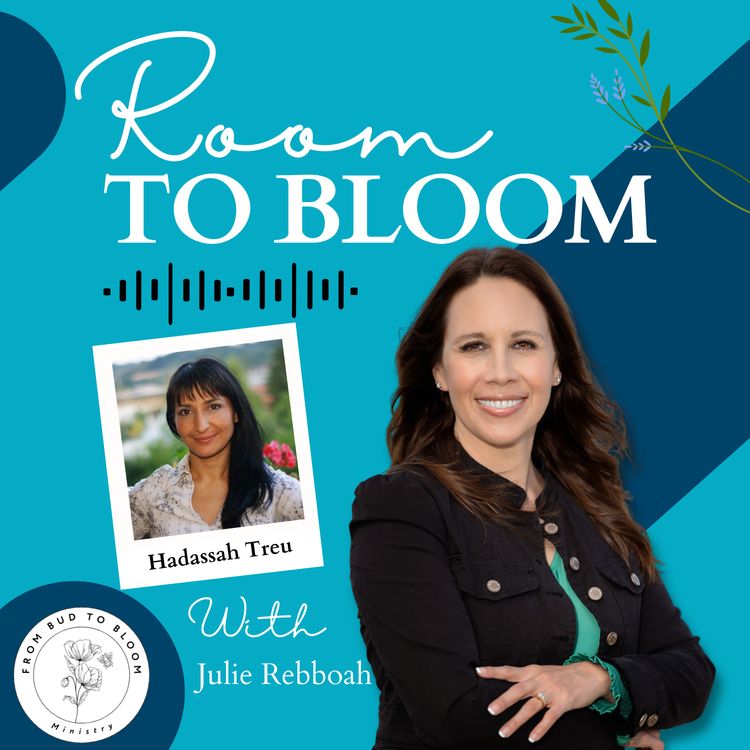
Room to Bloom
Why You Don't Have to Pursue Peace at Any Cost
Forgiveness doesn't always mean reconciliation. Healing doesn't always mean returning to the relationship that hurt you. And surrender doesn't mean giving up your boundaries.
For anyone carrying childhood wounds, questions about forgiveness, family, faith, and healing can become deeply intertwined. How do you forgive someone who hurt you? Can you experience peace without reconciling? And what happens when trauma has affected your identity, relationships, emotions, and ability to trust?
In this episode of Room to Bloom, Julie Rebboah speaks with author, writer, and trauma-informed coach Hadassah Treu about her journey through childhood trauma, fear, emotional suppression, depression, suicidal thoughts, faith, forgiveness, and healing.
Hadassah shares how a desperate prayer for God to reveal Himself became a turning point in her life and how discovering God's unconditional love changed the way she understood herself, her past, and her relationship with Him.
Julie and Hadassah also unpack the difference between forgiveness and reconciliation and why Christians don't have to pursue peace at any cost.
- Childhood trauma can influence identity, emotional health, relationships, and self-worth long after childhood.
- Healing is possible, even when it happens slowly and in layers.
- Forgiveness and reconciliation are not the same—and reconciliation isn't always possible or healthy.
- We can pursue forgiveness without ignoring boundaries or returning to unsafe relationships.
- God can be experienced as gentle, trustworthy, loving, and non-controlling.
- Surrender is a daily practice of trusting God that can create space for greater peace.
00:00 — Introduction to Hadassah Treu
00:23 — Her story and work as an author and trauma-informed coach
03:00 — Childhood trauma, fear, and violence
04:50 — Identity loss, emotional suppression, and depression
06:10 — Suicidal thoughts and searching for purpose
07:25 — Praying for God to reveal Himself
08:20 — Hearing the gospel for the first time
09:05 — Accepting Jesus
10:00 — Why healing is possible after deep trauma
11:05 — Forgiveness and healing her relationship with her father
15:35 — Forgiveness vs. reconciliation
17:05 — When reconciliation isn't possible or healthy
18:40 — Why Christians don't have to pursue peace at any cost
20:40 — Experiencing God's unconditional love
22:35 — Surrender as a daily practice of trust
Website: On the Way BG
Books: Hadassah Treu on Amazon
Community: Join Hadassah's Community
Join Julie on September 19, 2026, from 10 AM–2 PM PT for the Flourish in Hope Women's Virtual Reset & Retreat, with an optional VIP experience from 2:15–3 PM PT.
Get your Flourish in Hope ticket
Disclaimer: This podcast is for educational and inspirational purposes only and is not a replacement for medical, mental health, or other professional care.
More episodes
View all episodes

12. The Truth About Vulnerability: Why You May Be Doing It Wrong
33:47||Season 5, Ep. 12What if vulnerability isn't about telling everyone everything—but learning how to be honest with the right people?For many childhood trauma survivors, vulnerability can feel risky. If you grew up in an environment where your emotions weren't welcomed, where trust was inconsistent, or where being honest came with consequences, you may have learned to protect yourself by staying quiet, keeping people at a distance, or handling everything on your own.But healthy vulnerability can be part of building secure attachment, authentic community, healthier relationships, and deeper connection—with others, with God, and even with ourselves.In Season 5, Episode 12 of Room to Bloom, Julie Rebboah talks with Amber Bateman, LPC, author of Save Yourself Some Therapy, about healthy vulnerability, safe community, attachment, and a simple approach to communication that can reduce defensiveness and invite connection.🌱 In this episode, we explore:What healthy vulnerability really means—and why it doesn't mean oversharingThe difference between thoughts and feelings and how to communicate emotions more clearlyHow to recognize reasonably safe people and communitiesWhat makes a church or small-group culture healthier and more supportiveRed flags such as toxic positivity, gossip, shame around therapy, and a lack of authentic sharingA simple communication formula for expressing emotions and inviting connectionHow this approach can be used in marriage, friendships, parenting, work, and other relationshipsHow healthy vulnerability can strengthen attachment and help us feel less aloneNervous system regulation tools to use before difficult conversationsWhy self-compassion and smaller relational risks can be especially important for childhood trauma survivors⏱️ Timestamps00:00 – Introducing Amber Bateman and the purpose of healthy vulnerability00:32 – Amber's background and counseling work01:09 – What healthy vulnerability really means03:57 – Sharing present emotions instead of blaming others06:07 – How to recognize reasonably safe people09:44 – Creating safer small-group spaces10:23 – Signs of a healthy church culture16:21 – A simple formula for vulnerable, connected conversations20:26 – Healthy attachment and reciprocal care in relationships22:25 – Regulating your nervous system before hard conversations28:35 – Amber's book and resources29:36 – Final encouragement for practicing healthy vulnerability31:49 – Closing and where to find the book💬 The Communication FormulaAmber shares a simple formula for communicating honestly while inviting connection:“I feel ___ when ___. Would you be willing to ___?”Rather than assigning motives, blaming, or telling someone how they feel, this approach helps you own your emotions, describe the situation, and invite the other person into a conversation.As Amber puts it: “It's an invitation to connect.”🌿 Finding Safe CommunityJulie and Amber also discuss church and small-group environments and how to recognize cultures that support genuine connection rather than shame.A reasonably safe person or community demonstrates qualities such as consistency between words and actions, emotional responsiveness, and a willingness to make room for realness.If you've struggled with trusting others, finding authentic community, communicating your needs, or allowing yourself to be known, this conversation offers practical encouragement and tools to help you take your next step.Let's slow down and navigate this together.📖 About Amber Bateman, LPCAmber Bateman is a licensed professional counselor and the author of Save Yourself Some Therapy. Learn more about Amber and her work at Delve Mental Health: https://www.delvementalhealth.com/Get a copy of her book: https://www.amazon.com/Save-Yourself-Some-Therapy-Dangers/dp/1649607067⚠️ Disclaimer: This episode is for educational and informational purposes only and is not intended to replace professional medical or mental health care, diagnosis, or treatment.
10. Why You Feel Like Something Is Missing: Finding Your Calling & Joy
20:16||Season 5, Ep. 10What if the very thing you've been told is “wrong” with you is actually connected to the way God uniquely designed you?In Season 5, Episode 10 of Room to Bloom, Julie Rebboah welcomes John “JR” Rennie from BrushFires Ministry for an inspiring conversation about finding your God-given purpose, discovering spiritual gifts, healing from past wounds, spiritual warfare, and experiencing lasting joy through obedience to God.JR explains why being comes before doing and how living from an endless to-do list can steal our joy. He shares how understanding who God created you to be can help you recognize your gifts, step into your calling, and become more available to God's direction.We also explore the connection between trauma and purpose. JR explains that deep trauma should be addressed with qualified trauma professionals, while discovering your God-given design and potential can help restore hope and give you a new perspective on your life.One of the most powerful parts of this conversation is the reminder that there is no expiration date on your calling. JR shares examples of people who discovered their purpose later in life—including someone in her 80s who began a prayer ministry that eventually reached people throughout the nation.In This Episode00:00 — Welcome: Finding lasting joy through God’s purpose01:03 — JR’s story and the mission of BrushFires Ministry01:34 — Being over doing: identity, obedience, and joy03:55 — Discovering your gifts and calling05:36 — Spiritual warfare and recognizing attacks on your purpose08:06 — The A-T-P-I-I framework09:10 — Trauma, healing, and reclaiming your calling12:36 — Joy versus worldly happiness15:47 — Faith, purpose, and no expiration date on your calling17:21 — How to connect with BrushFires Ministry18:24 — Closing remarksThe A-T-P-I-I FrameworkJR introduces an acronym designed to help people recognize potential spiritual attacks:Accusation • Temptation • Provocation • Intimidation • InsinuationHe explains that these experiences can influence our perceptions and provoke reactions rooted in fear, anger, or shame.Faith, Healing & PurposeFor anyone healing from childhood trauma or painful experiences, this episode offers an important reminder: your past does not have to define the rest of your story.JR shares examples of people who had experienced addiction, homelessness, abuse, and other significant hardships but later discovered gifts for leadership, counseling, and helping others. Their experiences became part of the compassion and perspective they could bring to serving others.As JR emphasizes, there is no expiration date on your purpose.ScriptureHebrews 11:1 — “Now faith is the assurance of things hoped for, the conviction of things not seen.”Connect with BrushFires MinistryLearn more about JR and BrushFires Ministry, explore their programs, and access their Spiritual Gifts Assessment:https://www.brushfires-digital.com/More from Julie at Christian Nervous System Coachhttps://www.christiannervoussystemcoach.comKeep Blooming 🌱If this episode encouraged you, subscribe to Room to Bloom, leave a review, and share it with someone who needs encouragement to rediscover their purpose.What if the thing you thought disqualified you could become part of the very story God uses to help someone else?Your story isn't over. Your purpose has no expiration date.Disclaimer: Room to Bloom provides educational and inspirational content and is not a substitute for medical, mental health, trauma, or other professional care.
9. The Fruits of the Spirit: The Love That Heals Childhood Wounds
32:42||Season 5, Ep. 9How does understanding God’s unconditional love transform the way we see ourselves, heal from childhood wounds, and build healthier relationships?In this episode of Room to Bloom, Julie Rebboah welcomes Dr. Gladys Childs for a powerful conversation about God’s love, self-love, childhood trauma healing, boundaries, forgiveness, and spiritual growth.Many people carry wounds from childhood, difficult relationships, or painful experiences that shape their understanding of love. When human love has been inconsistent, conditional, or hurtful, it can become difficult to receive the truth of God’s perfect and unconditional love.Dr. Gladys Childs shares how God’s love is the foundation for healthy self-love and how embracing our identity as God’s beloved can bring healing to wounded places. Together, Julie and Dr. Childs explore the difference between human love and divine love, the importance of setting healthy boundaries, and how cultivating the fruits of the Spirit helps us live a more authentic and fulfilling life rooted in Christ.This episode is especially meaningful for anyone seeking Christian mental health support, emotional healing, freedom from childhood wounds, deeper faith, and practical tools for spiritual growth.✨ Key Takeaways❤️ God’s love is the foundation of our identity and worth.Understanding that we are fully known and deeply loved by God helps us develop a healthier view of ourselves.🌿 Our experiences with human love can shape our understanding of love.Childhood experiences, relationships, and past wounds may influence how we receive love from others and from God.🕊️ Healing begins when we recognize God’s unconditional love.God’s love reaches the wounded places in our hearts and invites us into restoration and wholeness.💛 Healthy self-love is rooted in biblical truth.Loving ourselves does not mean becoming self-centered—it means recognizing the value God has placed on us as His creation.🌱 Boundaries are an important part of healthy relationships.Setting boundaries allows us to love others while also honoring the emotional and spiritual health God desires for us.✨ The fruits of the Spirit help us grow spiritually.Love, joy, peace, patience, kindness, goodness, faithfulness, gentleness, and self-control help us reflect Christ in everyday life.⏱️ Episode Chapters00:00 Exploring God's Love as the Foundation05:30 The Impact of Human Love on Our Perception11:11 Understanding Self-Love Through God's Eyes16:22 Chasing Fulfillment: The Journey to Fullness21:54 Healing from Childhood Trauma and Forgiveness27:14 Setting Boundaries: A Path to Healthy Relationships🌸 About Dr. Gladys ChildsDr. Gladys Childs is passionate about helping others experience the transforming power of God’s love. Through teaching, writing, and ministry, she encourages people to deepen their relationship with God, embrace their identity in Christ, and cultivate the fruits of the Spirit.🔗 Connect with Dr. Gladys Childs🌐 Website: https://gladyschilds.📖 Book: Your Devotional Guide to the Fruits of the SpiritTV: https://obbmnetwork.com/barefaith🔗 Connect with Julie Rebboahhttps://www.ChristianNervousSystemCoach.com🎧 Subscribe to Room to BloomIf this episode encouraged you, subscribe to Room to Bloom for more conversations about Christian faith, mental health, healing childhood trauma, nervous system regulation, emotional wellness, and practical tools to help you flourish in Christ.Share this episode with someone who needs the reminder that God’s love is constant, healing, and available to them today. 💛⚠️ Disclaimer: This podcast is for educational and inspirational purposes only and is not a substitute for professional medical, mental health, or pastoral care.
8. CPTSD vs PTSD: Why Many Survivors Get Misdiagnosed
26:39||Season 5, Ep. 8🦋 What if your anxiety, insomnia, emotional triggers, or chronic stress are connected to unresolved childhood trauma?In this episode of the Room to Bloom Podcast, Christian Nervous System Coach Julie Rebboah welcomes returning guest John P. Boyle, author of Invisible Wounds, for an insightful conversation about the differences between PTSD and Complex PTSD (C-PTSD), healing from childhood trauma, nervous system regulation, toxic shame, and the role of faith in recovery.John shares his personal healing journey and explains why many survivors of childhood trauma struggle with anxiety, emotional overwhelm, addiction, sleep disturbances, and shame without realizing that complex trauma may be the underlying cause. Together, Julie and John explore how childhood trauma changes the brain and nervous system, why trauma symptoms often persist into adulthood, and how trauma-informed care can help people experience lasting healing.If you're searching for answers about Complex PTSD, childhood trauma recovery, nervous system healing, or Christian mental health, this episode offers practical wisdom, compassionate encouragement, and hope.⏱ Episode Timestamps00:00 — Introducing Invisible Wounds and the difference between PTSD and CPTSD00:33 — Why John wrote the book02:46 — Early symptoms, insomnia, triggers, and alcohol use05:33 — Understanding toxic shame after childhood trauma07:55 — PTSD vs. Complex PTSD (CPTSD)08:59 — Misdiagnosis and finding trauma-informed care13:32 — Whole-person healing: physical, mental, and emotional health14:37 — Self-compassion, faith, and healing from shame18:40 — Forgiveness as a daily choice23:27 — Final encouragement: Healing and hope are possible💛 5 Key Takeaways• Learn the differences between PTSD and Complex PTSD (CPTSD) and how chronic childhood trauma impacts lifelong emotional health.• Understand how toxic shame develops and why it often fuels anxiety, perfectionism, addiction, and relationship struggles.• Discover how unresolved childhood trauma affects the brain, nervous system, and physical health through symptoms like insomnia, chronic stress, and emotional triggers.• Explore why trauma-informed, whole-person care that addresses the mind, body, and spirit is essential for healing.• Be encouraged that faith, forgiveness, self-compassion, and the right support can help you move toward lasting recovery and freedom.📚 Resources📖 Learn more about John P. Boyle and his book Invisible Wounds.https://www.amazon.com/Invisible-Wounds-Understanding-Healing-Complex/dp/B0GS46XD1G🌿 Explore Biblical Breathwork™, Christian nervous system coaching, and additional healing resources from Julie Rebboah.https://www.christiannervoussystemcoach.com/store⚠️ DisclaimerThis podcast is intended for educational and inspirational purposes only and is not a substitute for professional medical or mental healthcare. If you are experiencing trauma symptoms, anxiety, depression, or other mental health concerns, please consult your physician, licensed mental health professional, or another qualified healthcare provider.Thank you for listening to the Room to Bloom Podcast. If this episode encouraged you, please follow the show, leave a review, and share it with someone who may need hope on their healing journey.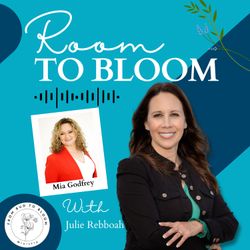
7. I Didn't Believe in Therapy, But It Saved My Life
33:17||Season 5, Ep. 7Growing up in communist Romania, Mia Godfrey experienced childhood trauma, poverty, domestic violence, addiction, and unimaginable loss. In this powerful conversation with Julie Rebboah, she shares how years of carrying shame and unresolved pain eventually led her to seek help—and how EMDR therapy, biblical truth, breathwork, and faith became instrumental in her healing journey.Mia vulnerably discusses breaking cultural and church stigmas around mental health, overcoming panic attacks and nightmares, and discovering that seeking professional help isn't a sign of weak faith—it's often a courageous step toward the healing God desires.Whether you're navigating childhood trauma, anxiety, grief, or supporting someone who is, this episode offers practical encouragement and lasting hope.Timestamps0:02 — Welcome to the episode and introduction to Mia Godfrey1:00 — Mia introduces herself as an author, Bible counselor, EMDR practitioner, and life coach1:29 — Growing up as the youngest of 10 children in Romania2:32 — Childhood poverty, long bread lines, and food restriction under communism3:29 — Exposure to hunger, bullying, and abuse3:59 — Witnessing domestic violence and living with an addicted father4:59 — Learning to believe women were lesser than and had to endure abuse5:56 — Fear of male authority and abusive relationships7:24 — Alcohol abuse as a normalized part of the culture8:27 — Her father's moonshine operation and early exposure to drinking9:21 — Carrying shame and self-blame after drinking as a child11:11 — Grief, overdose, and leaving home at 1813:05 — Losing her first husband and replacing alcohol with overworking14:33 — Caring for her sister during cancer and reaching a breaking point15:29 — Her first therapy session and beginning to let her guard down17:10 — Why she once believed therapy was a waste of time18:56 — Family and church culture around secrecy, shame, and silence21:24 — Why the right therapist can uncover the root of trauma23:19 — Connecting nightmares and night terrors to childhood trauma24:20 — Journaling and EMDR as key parts of healing26:24 — What EMDR is and how it helped her process painful memories28:53 — The butterfly hug and box breathing as grounding tools30:57 — How therapy changed her daily life and reduced panic attacksGet Mia's Book📖 Buried Not Broken by Mia GodfreyDiscover Mia's inspiring memoir about overcoming childhood trauma, grief, addiction, and finding hope through faith and healing.https://www.amazon.com/Buried-Not-Broken-Survival-Sisterhood/dp/B0G6Y12J29Biblical Breathwork™ for Anxiety & Stress ReliefIf anxiety, stress, or unresolved trauma have left your nervous system feeling overwhelmed, Julie Rebboah's Biblical Breathwork™ for Anxiety & Stress Relief Digital Album combines Scripture-centered meditation with guided breathing exercises to help calm your body, regulate your nervous system, and experience the peace of Christ.Get your digital album here: https://www.christiannervoussystemcoach.com/storeLearn more about EMDR therapy:https://emdria.org/Disclaimer: This podcast is provided for educational and informational purposes only and is not intended to replace professional medical, psychological, or mental health care. Always seek the guidance of a qualified healthcare professional regarding your individual needs.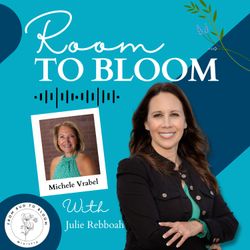
6. Generational Cycles Don't Have to Continue
27:07||Season 5, Ep. 6Breaking Generational Cycles | What Nobody Tells YouWhat does it take to stop surviving and start healing?In this episode of Room to Bloom, Julie Rebboah sits down with Michele Vrabel, author of Butterfly Stitches, to talk about healing from childhood trauma, overcoming shame, and discovering hope through faith in Jesus Christ.Michele shares how telling her story became part of her healing journey and encourages listeners to acknowledge their wounds without allowing them to define their future. Together, Julie and Michele discuss writing as a healing practice, breaking unhealthy family patterns, forgiveness, parenting differently, and trusting God through life's hardest questions.Whether you're walking through your own healing journey or supporting someone you love, this conversation offers compassionate encouragement rooted in grace, resilience, and hope.In This EpisodeMichele's journey from survivor to author and podcast hostWhy abuse is never a child's faultWriting your story as a safe step toward healingReleasing shame, guilt, and self-protectionBreaking cycles of anger and family dysfunctionFaith, forgiveness, and trusting God with difficult questionsWhy your past doesn't have to define your futureEpisode Chapters00:00 — Meet Michele Vrabel and the mission behind Butterfly Stitches01:05 — Sharing a survivor's story with care, faith, and purpose02:19 — Helping others find hope instead of sympathy03:44 — Why childhood abuse is never the child's fault04:47 — Protective walls, self-blame, and the healing God offers05:51 — Freedom from guilt and shame06:23 — Living out a calling, even when it feels frightening07:14 — The first step toward healing: acknowledging the wound08:19 — Writing your story without self-editing08:50 — The power of speaking and writing pain out loud09:53 — Letting God in when self-protection has become a wall10:27 — Looking back to recognize survival, hope, and healing12:05 — Wrestling with the question: "Why did God allow this?"13:49 — Forgiveness, human nature, and releasing judgment14:28 — Understanding and breaking generational cycles16:38 — Parenting differently: discipline without repeating abuse17:41 — The lasting harm of anger and destructive words18:11 — Prayer, self-awareness, and choosing a different response19:19 — Moving from victimhood toward healing and purpose21:09 — Your wounds deserve attention, but they do not define you22:16 — An invitation to consider faith and healing through Jesus23:18 — Michele's life verse: being quick to listen and slow to anger24:32 — Where to find Michele, her book, podcast, and retreatsConnect with MicheleVisit www.michelevrabel.com to learn more about Butterfly Stitches, Michele's podcast, speaking ministry, and retreats.Connect with JulieVisit www.ChristianNervousSystemCoach.com to learn more about freedom from anxiety, peaceful sleep or restoration after childhood wounds, or to get your copy of Biblical Breathwork™ for Anxiety & Stress ReliefDisclaimer: This episode contains discussions of adverse childhood experiences. Listener discretion is advised. The conversation reflects the personal experiences and faith perspectives of the host and guest and is not intended to replace professional medical, psychological, or legal advice. If you are navigating trauma, please seek support from a qualified professional.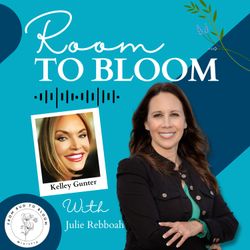
5. Weight Loss Couldn't Save Me From Addiction
35:45||Season 5, Ep. 5⚠️ Listener discretion is advised: this episode discusses abuse, trauma, and addiction.In this episode, Kelley Gunter shares her powerful story of surviving childhood trauma (S.A.), weight loss, and overcoming multiple cross addictions. Her journey highlights the importance of addressing trauma for true healing and embracing God's love through the process.We discuss:Kelley's early life and childhood traumaThe impact of trauma on brain development and survival skillsThe dangerous cycle of emotional eating and weight gain as coping mechanismsThe transformative power of weight loss surgery and its aftermathHow cross addictions like shopping, pain medication, and gambling took over her lifeThe importance of speaking out and seeking help through crisis resourcesThe distinction between trauma recovery and addiction recoveryPractical steps for survivors to begin healing todayScripture that reflects Kelley's trust in God's purpose for her lifeTimestamps:00:00 - Kelley Gunter's inspiring story of trauma, weight loss, and healing00:23 - Introduction to Kelley, author, life coach, and mental health advocate00:51 - Childhood trauma and its long-lasting effects on the brain01:47 - The cycle of shame and secrecy in childhood abuse survivors03:01 - The development of survival skills and their long-term impact03:50 - Recognizing harmful survival mechanisms and feelings of shame04:26 - The false belief that achievement equals self-worth08:32 - How food became a comfort and a coping mechanism09:32 - The devastating effects of weight gain and the social impact of obesity11:29 - The connection between emotional health and overeating12:36 - The power of treatment and healing from emotional trauma13:25 - Weight loss surgery and its role in living a healthier life16:48 - Cross addictions: shopping, pain meds, gambling19:01 - The toll of addictive behaviors and losing everything20:15 - The importance of facing trauma to find true healing22:16 - Grounding techniques for flashbacks and night terrors23:04 - The significance of speaking out and sharing your story24:55 - Practical steps for survivors: hotlines, journaling, prayer28:36 - The importance of both trauma and addiction recovery31:35 - The statistics on survivor silence and the power of speaking out32:18 - Kelley's favorite scripture: Isaiah 6:8, "Here I am, send me"33:19 - Connecting with Kelley and her resources for trauma healingResources & Links:RAINN - Rape, Abuse & Incest National Network988 Suicide & Crisis LifelineConnect with Kelley:Kelley Gunter's WebsiteSave your Seat:Julie's free Anxiety Breakthrough: P.E.A.C.E. Blueprint Masterclass hereRemember, healing is possible, no matter how deep the wounds. If you're ready to seek help, take the first step today by reaching out to a trusted resource or loved one. You're not alone.Disclaimer:This episode is for informational and encouragement purposes only and is not a substitute for professional medical or mental health care.
4. Jesus Took Time Away From People: Self-Care Guilt-Free
27:18||Season 5, Ep. 4Do you feel guilty every time you try to rest? On this episode of Room to Bloom, we're breaking free from guilt around self-care and rediscovering what it means to care for yourself without apology.Dr. Rosemarie Downer joins the podcast to unpack self-care from a Christian perspective, blending psychological insight with biblical truth. Dr. Downer shares her background and mission, and why she believes self-care is not selfish but a spiritual obligation woven into how God designed us to live and serve.In this conversation, you'll discover:What self-care truly means across the physical, mental, spiritual, emotional, and social domainsWhere negative beliefs about self-care come from, and how to challenge themPractical self-care strategies rooted in faith, including spiritual practices, quality time, and community supportHow childhood trauma shapes self-worth, and steps to reframe your identity in ChristWhy consistent self-care actually increases your capacity to serve in the KingdomIf this conversation stirs something in you, this is exactly the work Julie walks alongside people in every day. Join Julie for the Anxiety Breakthrough Masterclass to go deeper into breaking free from anxiety and guilt and stepping into the peace God has for you.Timestamps:00:00 - Introduction to guilt and self-care in a faith context00:24 - Dr. Downer's background and mission01:27 - Defining self-care: Beyond superficial acts02:55 - Why self-care is essential and not selfish - the analogy of the jar04:10 - Biblical example of Jesus practicing self-care through solitude05:37 - The five domains of self-care and creative ways to nurture them06:49 - Prioritizing self-care amidst busy schedules and responsibilities08:26 - Listening to your body and maintaining relationships and spiritual connection09:32 - Effect of childhood trauma on self-worth and strategies for healing11:16 - Rewiring self-perception through understanding God's view of us13:15 - First steps to embracing your identity and worth in Christ15:21 - Benefits of daily routines like prayer and exercise for mental and physical well-being16:58 - The wider impact of regular self-care on kingdom work17:28 - Overcoming feelings of guilt and starting small18:44 - Practical tools: Self-awareness, self-worth, and self-care decks of cards21:46 - Interactive example of self-reflection questions for groups23:09 - Final encouragement: Knowing your worth according to God's Word24:36 - A favorite Bible verse on God's ongoing work in you25:20 - How to connect with Rosemarie's resources, books, and speaking engagementsResources & Links:Books by Dr. Rosemarie Downer on Amazon: https://amazon.com/BooksbyRosemarieConnect with Dr. Rosemarie Downer: https://booksbastyrosemarie.com/Free Anxiety Breakthrough: P.E.A.C.E. Blueprint Masterclass with Julie Rebboah, MS. Save your seat here: https://www.christiannervoussystemcoach.com/peace-blueprint-masterclass-registration-pageThis episode is for encouragement and education only and is not a replacement for professional medical or mental health care. If you are navigating trauma or a mental health concern, please seek support from a licensed provider.