Share
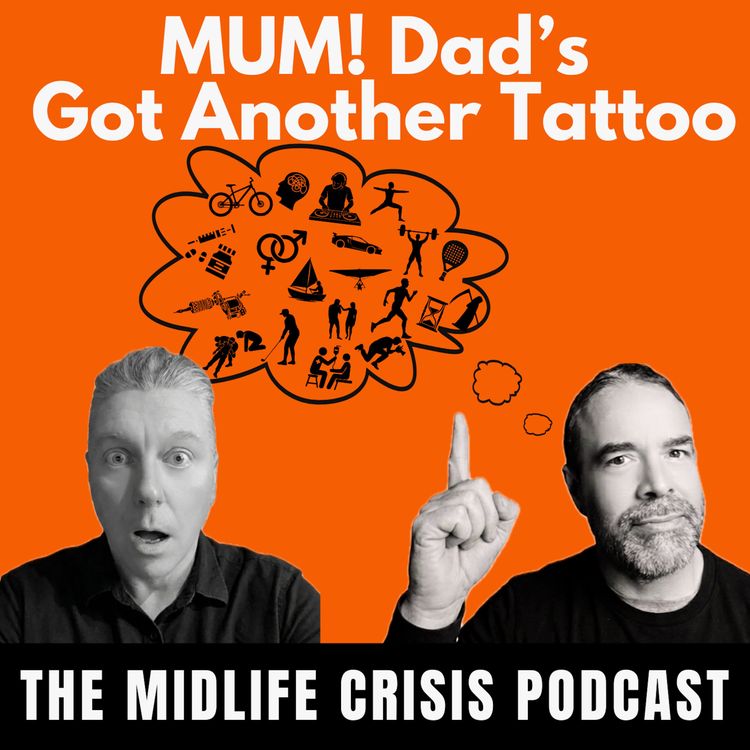
Mum! Dad’s Got Another Tattoo
How To Enter A Survival Race
This week it’s just Marc and Richard — reunited for the first proper two-hander of the year — and they’ve done something questionable: they’ve entered the Wolf Pack London-to-Hastings Survival Race.
No phones. No maps. No sleep. No dignity.
Just two men in their 40s trying very hard not to die in a field.
The boys talk gear, delusion, training, navigation, and whether it’s ethically acceptable to “accidentally” walk past Marc’s house halfway through the race for a hot shower and a bacon sandwich.
Plus: Richard has a fall (not to be confused with falling over, which young people do). Marc’s dad also “fell over” in spectacular fashion on the Tube. The difference matters.
They also recap their annual Sleepy Old Men Weekend, an NFL marathon that used to be easy and is now… not. Marc tests non-alcoholic social elixirs, Richard explains why buggies are “real golf,” and both accept they’re not who they were a decade ago.
It’s pure midlife chaos: survival races, injuries, gear chat, sobriety experiments, and two men over-preparing for a 30-mile walk like it’s SAS: Who Dares Wins.
Give £5, £10 or £20 now and help CALM in their fight against suicide: https://www.justgiving.com/page/podomedy-stay-tuned
More episodes
View all episodes
51. How To Get Hired
41:30||Season 1, Ep. 51Adventures in Midlife: Finding Balance, Resilience, and HumorJoin Marc and Richard as they navigate the ups and downs of midlife, sharing personal stories, practical advice, and a healthy dose of humor. This episode highlights the importance of staying connected, managing stress, and embracing the chaos with resilience.Main Topics Covered:The impact of recent life changes and job transitions on mental healthBuilding and maintaining social connections post-layoff or career shiftHow humor and creativity serve as tools for coping with midlife challengesPractical tips for managing technology, passwords, and digital security frustrationsThe humorous yet relatable stories of mishaps, trades, and everyday middle-aged strugglesThe significance of boundaries between work and personal life, especially when working from homeReflections on dealing with stress, domestic relations, and finding patience in the chaosPreparation and mental strategies for upcoming physical challenges like survival racesLight-hearted stories about quirky local characters and personal anecdotesTimestamps:(00:00) - Welcome and episode overview: embracing midlife challenges with humor(02:08) - The psychological effects of job loss and how openness helps(03:10) - Navigating interview nerves and oversharing during job hunting(04:18) - How networking and writing on LinkedIn aid mental health(05:20) - The pitfalls of AI-generated content and maintaining authenticity(06:11) - The importance of social standards on platforms like LinkedIn(06:41) - Creativity as a mental health tool: writing and content creation(07:04) - First impressions at work and easing into new roles(08:17) - Embracing confidence and establishing personal presence(09:16) - Finding satisfaction in the current job and managing expectations(10:07) - Common tech issues and the frustrations of digital security(11:13) - The benefits of disconnecting from work devices after hours(12:19) - The impact of isolation versus social engagement in entrepreneurship(13:17) - Strategies for balancing work-life boundaries and avoiding burnout(14:12) - Monitoring workload and setting boundaries with technology(15:35) - The importance of patience and discipline in digital detachment(16:33) - How differing perspectives on stress reveal personal growth(17:16) - Discussing resilience, domestic support, and shifting priorities(18:42) - Handling family stress and accepting the unpredictability of middle age(20:24) - The upcoming Wolf Pack survival race: training, preparation, and humor(22:13) - Packing for adventures and the fun of frivolous gear(23:38) - Watching "bad" films for entertainment — and loving it(25:13) - The challenge of gear and physical training for outdoor adventures(27:15) - Humorous injury stories and the importance of humor in mishaps(30:08) - Interacting with tradesmen and maintaining social tact(31:52) - Easing repaints and the relief of less chaos at home(32:15) - Family abroad and navigating geopolitical worries(34:25) - Navigating travel disruptions and the surreal experience of cruise life(36:16) - Coping with emergency alerts and the anxiety of modern technology(37:27) - The nostalgic craving for ringtones and classic TV heroes(38:06) - The frustrations of tech setup and password chaos(41:17) - The amusing obsession with misplaced items and digital security(42:11) - The blurred lines of security, social dynamics, and local characters(44:21) - Creating humorous rivalries with local characters(45:00) - Wrapping up with future plans: adventures, races, and upcoming guestsResources & Links:Connect with Marc & Richard:Email: dadsgotanothertattoo@gmail.comSpecial Note: Stay tuned for upcoming episodes featuring experts and fellow adventurers, plus the adventures of our Wolf Pack survival race. Whether navigating tech frustrations or tackling outdoor challenges, this podcast keeps it real with humor and resilience.50. How To Play Padel Like A Pro
38:02||Season 1, Ep. 50In this episode, Marc Cox interviews Ken Randlesome, also known as ThePadelDad73, who shares his journey into the world of paddle sports and how it has become a significant part of his life during midlife. They discuss Ken's competitive spirit, his athletic background, the rules and gameplay of paddle, and his ambition to become a top player. The conversation also touches on health awareness, the importance of recovery, navigating life changes, and the joy of finding time for oneself. Ken emphasizes the significance of setting goals and competing in tournaments while maintaining a humorous and relatable perspective on the challenges of midlife.Check out Ken on Insta https://www.instagram.com/thepadeldad73/Instagram came first, then paddle sports.Paddle offers year-round play for middle-aged men.Competitive spirit drives performance in sports.Paddle is a unique sport for those with racket backgrounds.Patience is key in paddle gameplay.Recovery is essential for maintaining health.High blood pressure can be a silent killer.Transitioning from a career to a passion can be liberating.Time off can lead to personal reflection and growth.Setting goals in sports provides motivation and direction.Chapters00:00 Introduction to Paddle and Midlife Adventures02:50 The Journey into Paddle Sports05:38 Competitive Spirit and Athletic Background08:28 Understanding Paddle: Rules and Setup11:25 The Ambition of Becoming a Top Player14:16 Training, Recovery, and Health Management17:12 The Importance of Listening to Your Body20:09 Understanding Blood Pressure and Health Monitoring23:10 Navigating Career Changes and Health Awareness25:14 The Impact of Burnout on Personal and Professional Life28:18 Transitioning from Career to Retirement30:48 Finding Purpose Beyond Work36:47 Pursuing Passion: The Journey in Padel49. How To Burn Out US Style
47:05||Season 1, Ep. 49In this episode, Marc Cox interviews Joseph Renola, a New York City detective and real estate broker, who shares his journey of balancing multiple roles, including family life and entrepreneurship. Joseph discusses the challenges of mental health in policing, the entrepreneurial spirit that drives him, and the importance of setting boundaries to avoid burnout. He reflects on his ambitions, the need for structure in his career, and the desire to create a sustainable work-life balance while nurturing his family. The conversation highlights the complexities of modern life and the pursuit of personal growth amidst various responsibilities.Joseph is a detective and a real estate broker.He is building his own real estate team.Mental health resources are available for police officers.Burnout can manifest unexpectedly in busy lives.Setting boundaries is crucial for work-life balance.Joseph's entrepreneurial spirit drives his career choices.Family commitments often conflict with professional opportunities.Structure and systems are essential for success.Recognizing the signs of burnout is important.Finding joy in building a business is fulfilling.titlesBalancing Act: The Life of a Detective and RealtorFrom Cop to Entrepreneur: Joseph Renola's JourneySound Bites"I want to be with the kids.""I have three young children.""I need to guard my boundaries."Chapters00:00Introduction to Joseph Renola02:57The Life of a Detective and Realtor05:37Balancing Work and Family Life08:30Mental Health in High-Stress Professions11:03The Entrepreneurial Spirit13:45Navigating Burnout and Stress Management16:45Building a Real Estate Team18:23Setting Boundaries and Work-Life Balance20:48Future Aspirations and Goals23:21Conclusion and Final Thoughts48. How To Join A Wolf Pack
41:17||Season 1, Ep. 48In this episode, the hosts Marc and Richard, along with guest George, discuss their upcoming participation in the Wolf Pack Survival Race. They delve into the excitement and challenges of the race, including preparation, gear, nutrition, and mental strategies. The conversation highlights the camaraderie among the team and the importance of teamwork in overcoming obstacles during the race. They also share personal anecdotes and insights about the journey leading up to the event, emphasizing the adventure and personal growth that comes with such challenges.TakeawaysGeorge is excited about the upcoming Wolf Pack Survival Race.The race involves navigating through nature without modern technology.Preparation includes selecting the right gear and equipment.Nutrition planning is crucial for endurance during the race.Mental preparation is as important as physical training.Team dynamics will play a significant role in their success.The route may include historical landmarks and challenging terrains.Trial runs help build confidence and assess gear effectiveness.The importance of camaraderie and shared experiences is emphasized.They plan to document their journey and share updates with listeners.TitlesSurviving the Wolf Pack Challenge: A Midlife AdventureNavigating Nature: The Wolf Pack Survival Race sound bites"I'm dangerously excited!""We need to chat food!""It's a bonding experience!"Chapters00:00 Introduction to the Wolf Pack Survival Race02:59 Excitement and Anticipation for the Race05:48 The Challenge of Navigation and Survival Skills08:32 Gear and Preparation for the Adventure11:26 The Importance of Team Dynamics14:05 Mental Preparation and Reflection16:41 Reconnaissance and Route Planning22:46 The Journey Begins: Team Dynamics and Motivation25:14 Documenting the Adventure: Technology vs. Nature29:18 Preparation and Gear: Getting Ready for the Challenge33:50 Nutrition on the Trail: Fueling the Adventure36:22 Leadership and Group Dynamics: Who's in Charge?39:48 Final Thoughts: Anticipation and Planning Ahead47. How To Be Better At Everything
43:39||Season 1, Ep. 47In this episode, health and lifestyle coach Brian Parana discusses the transformative power of health coaching for high-performing professionals. He emphasizes the importance of leaving clients in a better situation, addressing common challenges in health and lifestyle, and the societal pressures that contribute to overwhelm. The conversation explores strategies for work-life balance, time management, identity shifts, and nutrition for busy individuals. Brian shares insights from his experiences and offers practical advice for creating lasting change in health and lifestyle.Check out Brian's socials here:InstagramYoutubewww.thecalltorise.comThe overarching philosophy of health coaching is to leave clients in a better situation.Life experiences are unique to each individual, but common challenges exist.Many people feel overwhelmed and overburdened by societal pressures.Work-life balance is often misunderstood and requires active management.Time management strategies can help prioritize health and wellness.Identity and self-talk play crucial roles in health transformation.Overcoming barriers to change involves understanding personal motivations.Nutrition strategies should be simple and manageable for busy professionals.Traveling with family creates lasting memories and strengthens bonds.Humans desire to live happy, joy-filled lives, free from excessive burdens.TitlesTransformative Health Coaching for ProfessionalsOvercoming Life's Challenges with Health Coaching sound bites"It's not a good trade off.""Plan, prepare, act.""I eat what I pack."46. How To Hike Through Middelesence
47:41||Season 1, Ep. 46In this episode, Marc interviews Belinda Coker, an Australian hiker, writer, and educator, who shares her journey of reclaiming confidence and freedom through hiking. Belinda discusses her experiences with multi-day hikes, the impact of COVID-19 on lifestyle choices, and the importance of community and connection in the hiking world. She emphasizes the psychological and physical benefits of hiking, the significance of new experiences, and how nature can enhance mental health. Additionally, Belinda talks about her initiatives to support women in midlife and her insights on house sitting as a unique travel option.You can reach Belinda here https://soultreader.com/Or you can download Belinda's book, Hike it RightHiking can help reclaim confidence and freedom.COVID-19 prompted many to reassess their lifestyles.Age should not deter anyone from hiking.Multi-day hikes are gaining popularity as travel options.Hiking offers both physical and psychological benefits.Experiencing new things can enhance life satisfaction.The hiking community is welcoming and supportive.Nature provides a unique perspective on life's challenges.House sitting allows for immersive travel experiences.Understanding health issues like lipedema is crucial for women's health.TitlesReclaiming Confidence Through HikingThe Journey of a Midlife Hiker sound bites"Hiking is an endurance sport.""It's a journey of firsts.""Nature gives us perspective."Chapters00:00 Introduction to Hiking and Midlife Adventures02:22 The Journey of Self-Discovery through Hiking09:34 The Rise of Multi-Day Hiking Holidays11:37 The Psychological and Physical Benefits of Hiking17:38 Creating a Community for Women in Hiking23:21 The Creative Connection between Nature and Writing25:06 The Benefits of Disconnecting in Nature27:03 Community and Camaraderie in Hiking28:42 House Sitting: A Unique Way to Travel31:16 The Importance of Community Engagement34:04 Facing Challenges in Nature37:47 Perspective Gained from Nature43:59 Health Awareness and Personal Challenges45:38 Final Thoughts and Resources44. How To Get Past Dry January
45:42||Season 1, Ep. 44🦋 FROM CRISIS TO CHRYSALIS: Navigating Life After Dry JanuarySpecial Guests: Steve Smith (Soberilliant) & James Lloyd (Alcohol Free Coach) Co-hosts of the Alcohol Free Revolution PodcastIt’s January 30th. Dry January is ending, and the "First of February" fever is hitting. In this episode, Marc is joined by sobriety coaches James Lloyd and Steve Smith to discuss why a 31-day "white-knuckle" break is often just the beginning, and why the real "superpower" of sobriety only starts to bloom after 90 days.📍 Connect with the Alcohol Free RevolutionSteve Smith: SoberilliantJames Lloyd: AlcoholFreeCoach.comPodcast: The Alcohol Free Revolution Podcast (Available on all major platforms)🧗 The "Second Mountain" and the Midlife ShiftThe Chrysalis Metaphor: James discusses the concept of "Middle-escence"—shifting from a midlife crisis to a "midlife chrysalis" where removing alcohol acts as the trigger for a total life transformation.Keystone Habits: Why alcohol isn't just about the drink; it’s a "keystone habit" that, when removed, regulates sleep, diet, exercise, and mental health in a compounding way.The "Grey Area" Spectrom: Moving away from the binary "alcoholic vs. normal" labels toward Alcohol Use Disorder (AUD)—recognizing that many "middle-lane" drinkers are being held back from their full potential.🛡️ Challenging Limiting BeliefsThe "Saudi vs. Edinburgh" Paradox: Marc and the guests debate whether sobriety "free-rides" on the social energy of drinkers. James and Steve challenge the belief that alcohol is the sole source of "convivial" atmosphere, attributing much of it to unfamiliarity and habit.The Holiday Trade-Off: Marc shares the raw reality of his first alcohol-free Christmas—feeling the loss of "getting sozzled" on a sunbed with his wife. The coaches reframe this: Marc traded a tipsy afternoon for four hours of core memories playing in the freezing Atlantic with his daughter.Walking the Path: Steve uses the powerful analogy of stepping off a well-trodden grass path into the long grass to build a "new norm".🚀 Tips for the "Adventure" AheadData over Failure: If you had a drink during Dry January, you haven't failed. You’ve successfully completed 95% of the experiment. Use it as data to understand your triggers.Why Wait to Feel Great?: Don't wait for a gap in your social diary. There will always be a wedding, a birthday, or a rugby dinner. The best time to start is immediately.Compound Benefits: James notes that the "compounding train" of restorative sleep and mental clarity often hits a new peak around 18 months into the adventure.Follow us on Instagram: @dadsgotanothertattoo Email the show: mumdadsgotanothertattoo@gmail.comThis podcast supports the Campaign Against Living Miserably (CALM). If you are struggling with your relationship with alcohol or your mental health, please reach out for help.Hi Peter!43. How To Find A Buzz Without The Booze
44:45||Season 1, Ep. 43In this episode of the Mum Dad's Got Another Tattoo podcast, Marc and Richard are joined by Dash Lilley, the "Chief Alchemist" and co-founder of Three Spirit. Find Three SpiritOnline: threespiritdrinks.com Retailers: Ocado, Majestic, Selfridges.The Pub: Available in many Young's pubs across the UK.Follow the journey on Instagram: @dadsgotanothertattooThey dive into the world of botanical elixirs, functional drinking, and how to find the "pleasure without the pain" in a midlife crisis.🧪 Alchemy and Adaptogens: The Science of Three SpiritGuest: Dash Lilley (Co-Founder, Three Spirit)Marc, having recently celebrated a year of sobriety, is on the hunt for a sophisticated alternative to alcohol that doesn't involve "pond water" or sugary soft drinks. Dash explains how Three Spirit uses active plant compounds and innovative extraction methods to create drinks that prioritize function and feeling over simple imitation.🚀 From Film Sets to "Plant Potions"The Accidental Entrepreneur: Dash recounts his transition from the camera department on feature films to founding a coconut water business after noticing film crews’ obsession with functional health boosts like Berocca.The "Chief Alchemist" Role: Dash embraces his title, explaining the experimental early days of "guinea-pigging" friends and family to find botanical blends that actually trigger pleasure receptors like GABA, dopamine, and serotonin.Texture Over Taste: Why Three Spirit avoids the "watery" feel of many non-alcoholic spirits, opting for "swamp juice" richness and complex, earthy profiles that overwhelm the senses.🍹 The Three Stages of the Social RitualThree Spirit is designed not to mimic gin or whiskey, but to replicate the occasions and feelings associated with drinking.Elixir Occasion Functional Highlights LivenerThe "Uplifting" StarterStimulating, vibrant, and caffeinated with green tea (L-theanine) and ginseng.Social The "Social Lubricant"Designed to be floaty and buzzy; Marc describes the flavor as earthy, complex, and un-downable. NightcapThe "Mellow" FinisherRelaxing botanicals like Valerian, Ashwagandha to aid sleep quality.🛡️ The "Zebra Striping" StrategyChoice Over Abstinence: Dash explains that most customers aren't teetotalers; they are "zebra striping"—alternating between alcoholic and non-alcoholic drinks to find a sustainable balance.The "Gentleman's Retreat": Richard and Marc prepare for an NFL-heavy weekend, planning to use the Livener for the 4:00 AM championship games and the Social for the day-long "rituals".Sipping vs. Consuming: Marc highlights the "MasterChef wanky" complexity of the Social elixir, noting that it provides the slow-sip ritual he missed from boozing without the "borrowed happiness" of a hangover.📍