
Latest episode
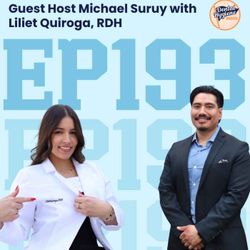
193. 193: Guest Host Michael Suruy with Liliet Quiroga
19:53||Season 1, Ep. 193Current dental hygiene student and special guest host Michael Suruy from @DHY_Boys sits down with Liliet Quiroga @sparklingsmileslge, RDH, for a conversation about the realities of dental hygiene school and the transition into clinical practice. Liliet's inspiring story of moving to the States at 20 years old without speaking English shows that dental hygiene is a career path possible for anyone willing to put in the effort! Michael and Liliet also explore what it means to be teachable, how to separate feedback from self-worth, and why organization, rest, and choosing an office that values the standard of care matter just as much as your clinical skills.🟠Start here: Get dental hygiene school tips, free resources, and access to upcoming student events → https://dentalhygienebasics.mykajabi.com/newsletter🟠 When you're ready for boards: Become a StudentRDH VIP member → https://www.studentrdh.com/national-dental-hygiene-board-review-nbdhe-studentrdh-vip-club?utm_source=Referral%60&utm_medium=Podcast&utm_campaign=DHBasics&utm_content=DVIP3🟠Want extra support + events? Get your free CloudU student membership (monthly events + giveaways) → http://clouddentistry.com/r/vxn1
More episodes
View all episodes
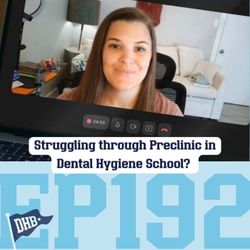
192. 192: Struggling through Preclinic in Dental Hygiene School?
24:27||Season 1, Ep. 192Preclinic is typically the most intimidating class for dental hygiene students in their first semester, but it's also where the habits that shape your clinical career begin. In this episode, Dana talks about practical strategies to approach instrumentation, competencies, and hand skills with realistic expectations, rather than perfectionism. Whether you're struggling in preclinic, preparing for a practical exam, or trying to build confidence with instrumentation, this episode offers practical guidance to help you focus on steady improvement, strong fundamentals, and the clinical habits that will support both your patients and your long-term career as a dental hygienist. Looking for more help with instrumentation? We offer tutoring! Sign up here: https://form.jotform.com/243303954248054🟠Start here: Get dental hygiene school tips, free resources, and access to upcoming student events → https://dentalhygienebasics.mykajabi.com/newsletter🟠 When you're ready for boards: Become a StudentRDH VIP member → https://www.studentrdh.com/national-dental-hygiene-board-review-nbdhe-studentrdh-vip-club?utm_source=Referral%60&utm_medium=Podcast&utm_campaign=DHBasics&utm_content=DVIP3🟠Want extra support + events? Get your free CloudU student membership (monthly events + giveaways) → http://clouddentistry.com/r/vxn1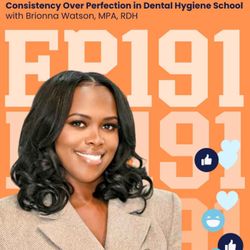
191. 191: Consistency Over Perfection in Dental Hygiene School with Brionna Watson, MPA, RDH
55:48||Season 1, Ep. 191Dana sits down with dental hygiene program director Brionna Watson @brionnawatson_, MPA, RDH, Director of the Dental Hygiene Program at the Community College of Baltimore County, to discuss what it really takes to thrive in dental hygiene school, from trusting the learning process and developing resilient study habits to understanding why true competence comes from comprehension—not memorization. They also explore career growth beyond clinical practice, the importance of mentorship, financial and lifestyle preparation for school, and how emerging innovations like virtual reality are expanding dental hygiene education. 🟠Start here: Get dental hygiene school tips, free resources, and access to upcoming student events → https://dentalhygienebasics.mykajabi.com/newsletter🟠 When you're ready for boards: Become a StudentRDH VIP member → https://www.studentrdh.com/national-dental-hygiene-board-review-nbdhe-studentrdh-vip-club?utm_source=Referral%60&utm_medium=Podcast&utm_campaign=DHBasics&utm_content=DVIP3🟠Want extra support + events? Get your free CloudU student membership (monthly events + giveaways) → http://clouddentistry.com/r/vxn1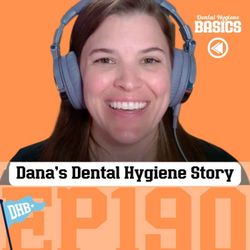
190. 190: Dana's Dental Hygiene Story
30:19||Season 1, Ep. 190Dana's path into dental hygiene is more winding than most, with several rejections, moments of self-reflection, and unexpected turns. In this episode, Dana shares her personal journey—from college rejections, career uncertainty, and questioning whether she was pursuing the right profession, to ultimately finding her place in dental hygiene and education. Tune in for practical advice she learned along the way, including why medical terminology matters, how previous dental and medical experience can boost your success, and why protecting your mental health is just as important as preparing academically.🟠Start here: Get dental hygiene school tips, free resources, and access to upcoming student events → https://dentalhygienebasics.mykajabi.com/newsletter🟠 When you're ready for boards: Become a StudentRDH VIP member → https://www.studentrdh.com/national-dental-hygiene-board-review-nbdhe-studentrdh-vip-club?utm_source=Referral%60&utm_medium=Podcast&utm_campaign=DHBasics&utm_content=DVIP3🟠Want extra support + events? Get your free CloudU student membership (monthly events + giveaways) → http://clouddentistry.com/r/vxn1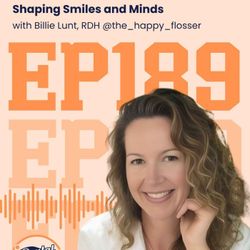
189. 189: Shaping Smiles and Minds with Billie Lunt, RDH
49:20||Season 1, Ep. 189Bringing back one of our fav episodes with guest Billie Lunt in case you missed it! Dental hygiene educator and podcast host Billie shares what admissions committees are really looking for, along with practical advice for navigating the transition into dental hygiene school. Billie also shares her #RDHoriginstory and the experience that inspired her career in dentistry. This episode offers thoughtful, practical insight for any future dental hygiene student preparing for the next step, and we're happy to share it again!🟠Start here: Get dental hygiene school tips, free resources, and access to upcoming student events → https://dentalhygienebasics.mykajabi.com/newsletter🟠 When you're ready for boards: Become a StudentRDH VIP member → https://www.studentrdh.com/national-dental-hygiene-board-review-nbdhe-studentrdh-vip-club?utm_source=Referral%60&utm_medium=Podcast&utm_campaign=DHBasics&utm_content=DVIP3🟠Want extra support + events? Get your free CloudU student membership (monthly events + giveaways) → http://clouddentistry.com/r/vxn1
188. 188: How to Find Dental Hygiene Scholarships
14:27||Season 1, Ep. 188Applying for scholarships in dental hygiene school sounds like a great way for students to make some quick cash, but it's knowing where to get started that holds them back. In this episode, you'll learn practical strategies for finding dental hygiene scholarships at the national, state, local, and school levels, along with simple ways to organize applications and make the most of your personal statement. You'll also hear why smaller scholarships are worth pursuing, how consistency increases your chances of success, and where many students overlook funding opportunities.🟠Start here: Get dental hygiene school tips, free resources, and access to upcoming student events → https://dentalhygienebasics.mykajabi.com/newsletter🟠 When you're ready for boards: Become a StudentRDH VIP member → https://www.studentrdh.com/national-dental-hygiene-board-review-nbdhe-studentrdh-vip-club?utm_source=Referral%60&utm_medium=Podcast&utm_campaign=DHBasics&utm_content=DVIP3🟠Want extra support + events? Get your free CloudU student membership (monthly events + giveaways) → http://clouddentistry.com/r/vxn1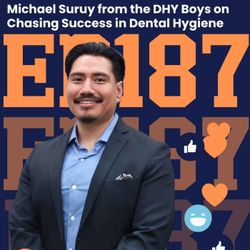
187. 187: Michael Suruy from the DHY Boys on Chasing Success in Dental Hygiene
38:39||Season 1, Ep. 187Michael Suruy, current dental hygiene student and co-host of the DHY Boys podcast, joins Dana to discuss his unconventional path into dental hygiene. With a background in manufacturing and no prior experience in dentistry, Michael shares how he utilized intentional preparation, evidence-based study strategies, and a willingness to adapt to help him be accepted into a competitive dental hygiene program. This episode is full of practical topics for current or future DH students, including time management, active recall, clinical preparation, financial planning for dental hygiene school, and the mindset shifts that support long-term success.🟠Start here: Get dental hygiene school tips, free resources, and access to upcoming student events → https://dentalhygienebasics.mykajabi.com/newsletter🟠 When you're ready for boards: Become a StudentRDH VIP member → https://www.studentrdh.com/national-dental-hygiene-board-review-nbdhe-studentrdh-vip-club?utm_source=Referral%60&utm_medium=Podcast&utm_campaign=DHBasics&utm_content=DVIP3🟠Want extra support + events? Get your free CloudU student membership (monthly events + giveaways) → http://clouddentistry.com/r/vxn1