Latest episode

3. S11: E3. Replacing single use plastic and achieving global scale ft. Linus Larsson Green (PulPac)
41:09||Season 11, Ep. 3Linus Larsson Green is the co-founder and CEO of PulPac, a Swedish deep-tech company pioneering dry moulded fibre, a breakthrough manufacturing technology that turns cellulose pulp into packaging and single-use products that can fully replace plastic.Every year, we produce more than 400 million tons of plastic, with a huge chunk of that used just once but PulPac are tackling that problem head on… PulPac’s unique process uses 90% less water than traditional methods and slashes carbon emissions, while still retaining the ability to mass-product fibre cups, trays and lids at global scale.Over the last 7 years, PulPas has raised major funding, built a network of international licensees and partnered with some of the world’s biggest packaging players. I’m very much looking forward to hearing about this journey in more detail
More episodes
View all episodes
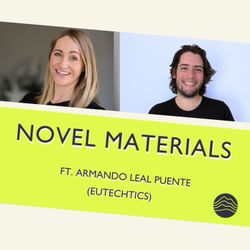
2. S11: E2. Decarbonising the chemical supply chain ft. Armando Leal Puente (Eutechtics)
55:44||Season 11, Ep. 2Today, I’m speaking with Armando Leal Puente, co-founder and managing director of Eutechtics, a deep-tech startup based in Sheffield, that’s taking on one of the biggest challenges in climate and industry - decarbonising the chemical supply chain.Eutechtics has built a platform called EvoCarbon, which turns captured CO₂ into valuable chemical building blocks - things like carboxylic acids that go into everyday products such as cosmetics, food ingredients, pharmaceuticals and even plastics which are currently made using fossil fuels.Armando and his team are reimagining how we make the molecules that power modern life, proving that sustainability and profitability don’t have to be at odds. In just a few years, they’ve secured national innovation funding, won major cleantech awards, and attracted the attention of investors and industry alike.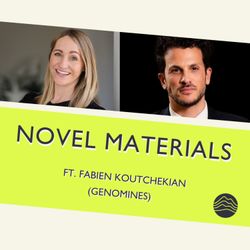
1. S11: E1. Closing a $45m series A ft. Fabien Koutchekian (Genomines)
50:32||Season 11, Ep. 1Fabien Koutchekian is the co-founder and CEO of Genomines, a start-up pioneering the extraction of nickel from the ground. Instead of bulldozers and explosives, Genomines uses genetically enhanced plants, called hyperaccumulators, to pull nickel out of the soil. The result is a process that could deliver battery-grade metal with a fraction of the environmental footprint of traditional mining. With such transformational potential, it’s not a surprise that they successfully closed an incredible $45m Series A raise in September 2025.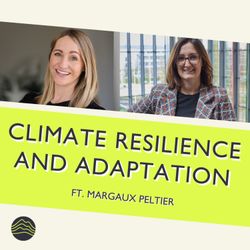
6. S10: E6. Game-changing geothermal power from car parks ft. Margaux Peltier (Enerdrape)
53:04||Season 10, Ep. 6Margaux Peltier is the co-founder and CEO of Enerdrape, a Swiss startup turning underground infrastructure into renewable energy sources. From parking garages to metro tunnels, Enerdrape’s modular geothermal panels harness untapped subterranean heat to provide sustainable heating and cooling for buildings without disruptive drilling or invasive construction.Margaux’s background in HVAC design and engineering was followed by a Masters in Civil Engineering in Lausanne where her thesis formed the basis of Enerdrape’s technology. Since then, she has led Enerdrape through award-winning pilot projects in Switzerland and ambitious expansions into the US, including Chicago’s largest underground parking complex.2:08 - Margaux’s journey from her Master’s thesis to co-founding Enerdrape 3:30 - The scale of the problem Enerdrape is solving 4:45 - How Enerdrape’s geothermal product is unique in not needing invasive drilling and is good for retrofit 6:46 - How are existing spaces being heated and cooled? 8:52 - How did you commercialise the product and what support did you get from your university? 13:13 - Enerdrape’s first commercial project in Lausanne 14:19 - As academic co-founders, how did you handle not having previous sales experience and what advice would you have for others trying to win their first pilots? 17:11 - How has the way you sell your product changed as you’ve learnt more about what your clients are looking for? 22:23 - At what point did you make the decision to go into international markets and how have you found it breaking into the US market? 28:17 - At what point did you need to raise institutional funding outside the university and what was that process like? 30:51 - Lessons from raising a seed round 33:02 - As a young, first-time, female founder, did you feel you faced any challenges or faced any bias during fundraising? 36:19 - How has your team changed and grown since inception? 40:12 - What have been your biggest learnings as you’ve grown the team and as you’ve developed as a manager? 45:40 - What are you excited about for Enerdrape in the next 12-18 months? 47:30 - Margaux’s advice and resources for other founders
5. S10: E5. Looking beyond the coast to predict flooding ft. Avi Baruch (Previsico)
45:26||Season 10, Ep. 5Dr. Avi Baruch is co-founder and Chief Product Officer of Previsico. Spun out of almost 20 years of groundbreaking research at Loughborough University, the team has developed the Flood Intel Platform - the world’s first real-time, surface-water flood forecasting system. Their mission is to save millions of lives, whilst also helping governments and businesses to save billions on the cost of flooding. Avi and the founding team have taken Previsico from academic research to securing over 200+ customers, operating in multiple geographies, closing over £10 million in funding and scaling the team to over 50 people.2:02 - Intro to Previsico from academic research to spun-out commercial prospect 3:52 - What moment made you realise you had a unique solution to a big problem? 5:12 - What is the scale of the problem around surface flooding? 6:25 - What were some of the benefits of starting out being incubated in an academic environment? 7:53 - What challenges did you face moving from academia into being a first-time founder? 9:58 - How did you find your CEO? 11:45 - How did you commercialise what you’re doing, and what markets did you go after first? 15:33 - When did you know the time was right to branch out into international markets? 17:18 - What frameworks do you have in place to keep you focussed as a company and avoid distractions? 19:27 - What are the main tensions in building a product that is deeply technical but also has to have clear commercial outcomes? 22:00 - How was Previsico initially funded after spinout and how has fundraising progressed? 24:21 - What do you think made you successful in your fundraising? 26:05 - How do you feel the risk resilience market has changed in the seven years since Previsico started? 28:32 - How has the team grown, and what have you done well in that process? 30:34 - What have you learnt along the way about recruiting and retaining a team? 32:05 - At what point did you feel it was the right time to bring in your People and Culture Manager? 33:48 - How has the company culture developed? 36:09 - What practical things do you do with your team to allow for feedback and to help them feel safe enough to question and give feedback? 39:32 - What’s coming up for Previsico over the next year to 18 months? 41:54 - Avi’s advice for other founders
4. S10: E4. Protecting people and assets from natural disasters ft. Rozalie Ryclova-Pribadi (MaxInfo)
43:23||Season 11, Ep. 4Rozalie Ryclova-Pribadi is Chief Strategy Officer and a driving force at MaxInfo. The company uses advanced analytics to help their customers move from reacting to disasters to anticipating them. The Financial Times has said, ‘Extreme weather and climate change caused more financial damage in Europe between 2020 and 2023 than it did in the whole preceding decade', so we’re entering a new era where predicting, anticipating and managing this increasingly common events is more important than ever - and MaxInfo are building the tools to help organisations do exactly that.1:58 - Intro to MaxInfo and the problem they are solving 5:03 - How did the MaxInfo team come up with the initial idea? 7:35 - How much of education gap is there between what you offer and the customers you work with? 10:47 - What markets or customers are you aiming for in the future? 12:59 - The geographical applications and focus for MaxInfo 14:44 - Rozalie’s journey to joining MaxInfo 16:13 - How has Rozalie’s background helped in this role? 18:07 - MaxInfo’s experience with Innovate UK 23:31 - How con companies combine angel investment alongside grant funding? 26:26 - What has it been like going for a VC round recently? What challenges did you face? 29:10 - How have you seen things change since you did VC fundraising in previous roles? 31:34 - How have you built the team at MaxInfo? 34:42 - How did you decide whether to be hybrid or remote? 36:16 - Do you foresee any challenges with building the team in the future in terms of finding deep expertise or being totally invested in your mission? 38:48 - What are key milestones for MaxInfo in the coming months? 40:06 - Rozalie’s advice for other founders
3. S10: E3. Predicting extreme weather to protect lives and businesses ft. Fredrik Borgström (Skyfora)
42:41||Season 10, Ep. 3Fredrik Borgström is the CEO of Skyfora, a Finnish startup reinventing weather intelligence. Skyfora’s technology transforms cell towers into a dense network of atmospheric sensors, generating up to a thousand times more weather data than traditional systems. Combined with advanced AI models and ultra-light radiosondes, this approach promises faster, sharper forecasts for everything from disaster response to renewable energy planning.1:30 - Fredrik’s career to-date.3:45 - How did you come to build Skyfora and what solution are you developing?8:17 - What was your GTM plan for Skyfora?11:40 - How did you decide which customers to go for first?13:49 - Are there certain markets that work better for what you do or any that are more challenging?17:09 - How much opposition or fear are you met with from telecoms providers when trying to get access to their infrastructure?19:56 - What was your funding journey like and what was the appetite like from investors?24:24 - What has your recent fundraise unlocked for you?27:06 - What has gone well or been difficult when building out the team?28:03 - What has enabled you to attract such strong talent?28:39 - How has your role developed from originally being VP of Sale to now being CEO?31:33 - How early in the journey of the company did you build your board of advisors and how did you find them?32:56- What lessons did you learn from previously taking a business through to exit, that you bring with you to Skyfora?35:41 - What is the culture like at Skyfora?37:27 - How do you ensure that team members have the resilience required to work in a startup?39:05 - What are the Skyfora team focusing on for the next couple of years?41:06 - What advice would you give to fellow founders?