Share
Checks and Balance from The Economist
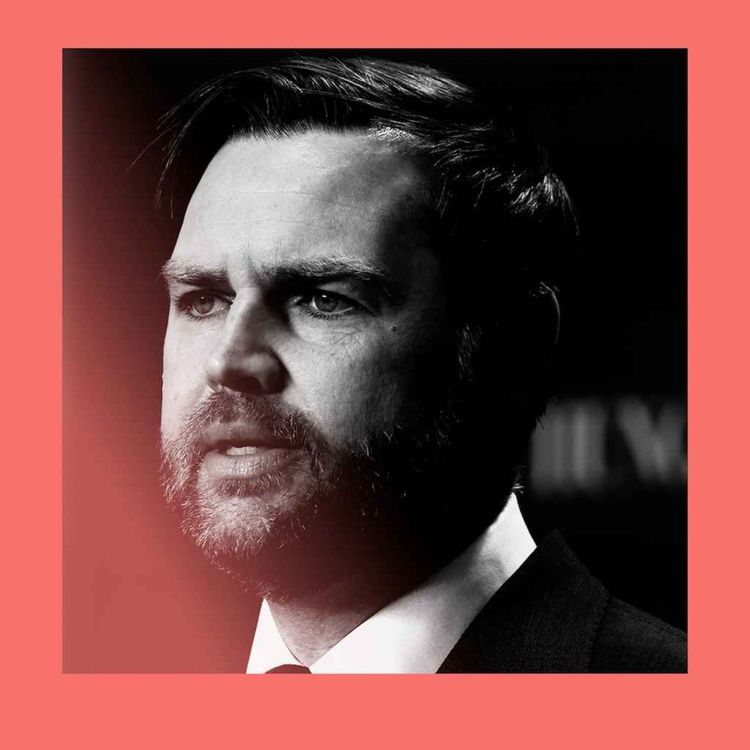
How J.D. Vance thinks
•
“America doesn’t have to constantly police every region of the world,” J.D. Vance said on the 2024 campaign trail. A war with Iran seemed to him a particularly bad idea. Donald Trump attacked Tehran anyway. How much influence does J.D. Vance, and his ideas, have over Donald Trump’s presidency?
Guests and hosts:
- John Prideaux, US editor
- Charlotte Howard, New York bureau chief
- James Bennet, Lexington columnist
- Oren Cass, founder of American Compass
- Joel K.Goldstein, scholar of the vice presidency
Topics covered:
- J.D. Vance’s ideology
- The history of the vice presidency
Transcripts of our podcasts are available via economist.com/podcasts
Listen to what matters most, from global politics and business to science and technology—subscribe to Economist Podcasts+
For more information about how to access Economist Podcasts+, please visit our FAQs page or watch our video explaining how to link your account.
More episodes
View all episodes

The other Democrat insurgency
44:27|The Democratic party’s left wing has been on the rise. But there’s another breed of candidate worth watching. Moderates are showing how Democrats might win in more competitive states like North Carolina, Alaska and Iowa. What can be learned from their campaigns? Guests and hosts:Charlotte Howard, US editor James Bennet, Lexington columnistShashank Joshi, Washington bureau chiefAryn Braun, West Coast correspondentKennett Werner, Washington correspondentTopics covered:Moderate Senate candidatesDemocratic governors of red statesThe future of the partyTranscripts of our podcasts are available via economist.com/podcastsListen to what matters most, from global politics and business to science and technology—subscribe to Economist Podcasts+
How Ron DeSantis transformed Florida
48:40|It’s all change in the Sunshine State. The term-limited governor Ron DeSantis won’t be on the ballot in next week’s primary. During his tenure, the former quintessential swing state has become a bastion of Republican power and centre of MAGA-land. How did a purple state turn so deeply red?Guests and hosts:Charlotte Howard, US editor Rebecca Jackson, Southern correspondentRobert Guest, deputy editor Peter Schorsch, publisher of Florida PoliticsByron Donalds, congressman who is running to be Florida’s next governorTopics covered:Demographic shifts in FloridaThe state as a policy labChallenges for the next governorTranscripts of our podcasts are available via economist.com/podcastsListen to what matters most, from global politics and business to science and technology—subscribe to The Economist.
How to prepare American workers for AI
42:14|AI could destroy millions of American jobs. Politicians have sometimes struggled to deal with previous eras of workplace upheaval: can America retrain workers before AI leaves them behind? Guests and hosts:John Prideaux, executive editorCharlotte Howard, US editor Alex Domash, economics correspondentMaria Flynn, CEO of Jobs for the FutureTopics covered:Industries threatened by AIPast eras of technological changeNew efforts to retrain workersTranscripts of our podcasts are available via economist.com/podcastsListen to what matters most, from global politics and business to science and technology—subscribe to The Economist.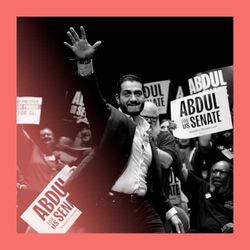
Michigan’s messy primary
45:34|An establishment politician faces an energetic upstart. It’s a familiar story– but, in Michigan, the stakes couldn’t be higher. Democrats need to win this seat to take control of the Senate. Who will Michiganders trust? And what does it mean for the future of the Democratic party? Guests and hosts:Charlotte Howard, US editor James Bennet, Lexington columnistJeff Timmer, former Executive Director of the Michigan Republican Party Topics covered:Michigan Senate race Democratic socialism AIPAC
The Endgame in Iran
47:10|Net approval for President Trump's decision to attack Iran now stands at -30% among Americans. Meanwhile, the administration’s attempts to broker peace are stalling, and the Strait of Hormuz remains closed. What will this ongoing war cost America?Guests and hosts:Charlotte Howard, US editor James Bennet, Lexington columnistShashank Joshi, Washington bureau chiefRobert Guest, deputy editorMatthew Kroenig, Georgetown University political scientistTopics covered:Military spendingThe Korean War’s legacyRepublican goals in IranTranscripts of our podcasts are available via economist.com/podcastsListen to what matters most, from global politics and business to science and technology—subscribe to The Economist.
The degradation of the Department of Justice
48:50|In his second term, Donald Trump has transformed the justice department. Todd Blanche, America’s acting attorney-general, has done as much as anyone to aid this shift. This week Mr Blanche is facing confirmation hearings to stay in the job. What’s going on at the DoJ, and why does it matter?Guests and hosts:John Prideaux, executive editor and host of “Checks and Balance”Charlotte Howard, US editor James Bennet, Lexington columnistKennett Werner, Washington correspondentAziz Huq, University of Chicago law professorTopics covered:Trump v SlaughterThe role of the attorney-generalDoJ staff attritionTranscripts of our podcasts are available via economist.com/podcastsListen to what matters most, from global politics and business to science and technology—subscribe to The Economist.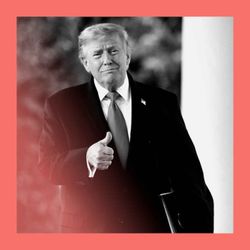
How Donald Trump makes money
39:14|Donald Trump earned at least $2.2bn in outside income in 2025. The president says his extraordinary windfall, revealed in financial disclosures last week, was thanks to a booming stock market. The White House has denied any conflicts of interest. How did the president amass all this wealth? Guests and hosts:John Prideaux, executive editor and host of “Checks and Balance”Charlotte Howard, US editor Shashank Joshi, incoming Washington bureau chiefRichard Painter, former chief White House ethics lawyerTopics covered:Trump’s financial disclosuresThe Emoluments ClauseDemocrats’ responseTranscripts of our podcasts are available via economist.com/podcastsListen to what matters most, from global politics and business to science and technology—subscribe to The Economist.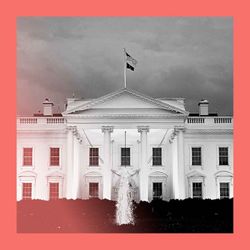
250 years of America
53:51|America is celebrating its semiquincentennial. The Founding Fathers had an idea for a system of government: three separate branches, with checks and balances so each could make sure the others didn’t overreach. As America marks its big birthday, how is that holding up? Guests and hosts:John Prideaux, executive editor and host of “Checks and Balance”Charlotte Howard, US editor James Bennet, Lexington columnistCharles Birnbaum, president of the Cultural Landscape FoundationLindsay Chervinsky, executive director of the George Washington Presidential Library Topics covered:The Roberts CourtThe power of the executive branchCongressional dysfunctionListen to what matters most, from global politics and business to science and technology—subscribe to The Economist.
J.D. Vance’s Catholicism
50:13|J.D. Vance rose to fame off the back of a book. Now, a decade after “Hillbilly Elegy”, he’s written another. “Communion: Finding My Way Back to Faith” charts his conversion to Catholicism. How does the way Vance writes about his faith help us understand America’s vice president? And what is Catholicism’s influence on the right of American politics? Guests and hosts:John Prideaux, executive editor and host of “Checks and Balance”Charlotte Howard, US editor James Bennet, Lexington columnistCatherine Nixey, Britain correspondentRyan Burge, political scientist at Washington UniversityTopics covered:J.D. Vance’s new bookThe history of Catholicism in US politicsReligious trends in AmericaListen to what matters most, from global politics and business to science and technology—subscribe to Economist Podcasts+ For more information about how to access Economist Podcasts+, please visit our FAQs page or watch our video explaining how to link your account.