Share
Best of the Spectator
The Edition: America's Iran gamble – why the Royals could be Britain's Trump card
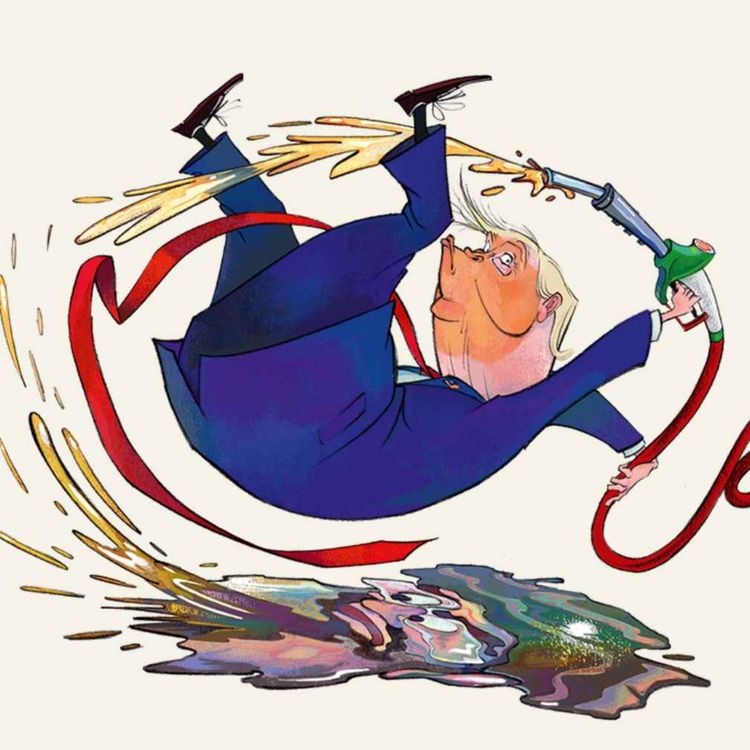
As oil prices rise, the Spectator’s cover story this week – written by deputy editor Freddy Gray – wonders if Trump’s gamble has backfired, and Operation Epic Fury could end up more like Operation Epic Fail. What does it mean to describe Trump’s plan as ‘failing’? And can we judge him by the same metrics that we have judged other presidents?
For this week’s Edition, host William Moore is joined by political editor Tim Shipman, Bloomberg Opinion columnist Adrian Wooldrodge and actress and campaigner Sophie Winkleman. Adrian, author of Centrists of the Worlds Unite!, explains why comparisons with the 1930s might not be as hyperbolic as they seem – while Sophie sees logic in using the diplomatic power of Britain’s monarchy. Could the King be Britain’s ’Trump’ card?
As well as the ongoing crisis in the Middle East, they discuss: if Starmer’s inexperience has hindered Britain’s defence policy; why the decline of the textbook spells trouble for Britain’s students – and the prevailing sense that smartphones should be banned for children; and that, while boasting might be human nature – it’s much harder for those of with left-wing sensibilities.
Produced by Patrick Gibbons.
More episodes
View all episodes
Book Club: Matthew Sweet – The Great Dictator
44:50|In this week’s Book Club podcast, Sam Leith is joined by author Matthew Sweet to discuss his new biography, The Great Dictator, about the bestselling novelist Barbara Cartland.They explore the extraordinary life behind Barbara Cartland’s instantly recognisable image – from her beginnings in the aftermath of the First World War to her career as one of the bestselling authors of all time.They discuss why Cartland was so often dismissed as a joke by literary critics, and how her novels offered generations of women stories of romance, aspiration and consolation. They delve into the political side of her life, including her opposition to appeasement, her campaigning on behalf of Romani travellers and her close relationship with her brother, MP Ronald Cartland.
Quite right! LIVE: Are the Tories back?
30:07|Kemi Badenoch has opened Conservative party conference 2026 with statement on her political philosophy, and Michael and Maddie are in Birmingham to go through it. Michael is struck by how much of it disavows the government that he served in, from net zero to the Liz Truss mini-Budget, while Maddie welcomes a leader prepared to argue for incentives over optics. Will backing higher earners revive the 'nasty party' charge – and can Kemi see off Reform's pitch to highly productive workers?They also put the triple lock to a show of hands, with surprising results, and ask whether Shabana Mahmood has been left exposed by Andy Burnham in cabinet.Also: the Greens have voted to describe Zionism as racism. What does that mean for the voters who backed them over rivers and recycling?News clip credit: X.com / Sky NewsProduced by Oscar Edmondson and Henry Lloyd
Spectator Out Loud: James Heale, Angus Colwell, Lisa Haseldine & Chas Newkey-Burden
18:59|On this week’s Spectator Out Loud: James Heale reflects on Labour party conference; Angus Colwell goes on the hunt for Britain’s wokest bar; Lisa Haseldine reveals what she has been stockpiling; and Chas Newkey-Burden provides his notes on pickled onions.Produced and presented by Patrick Gibbons.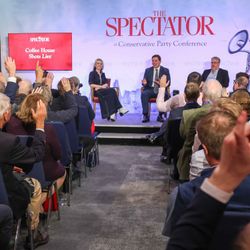
Coffee House Shots LIVE: Antisemitism, Man City & abolishing the Triple Lock
33:51|James Heale, Tim Shipman and Tali Fraser record live from Conservative Party conference in Birmingham. As we pass the two year mark of Kemi Badenoch's leadership of the Tory Party, the panel discuss whether she has done enough to win voters over and whether the party is ready for an early general election. Did Kemi miss a trick in not pressuring new Prime Minister Andy Burnham for one – and could Kemi survive an election defeat?Plus, the panel answer a variety of audience questions including: how to make Conservatism more attractive to younger people, how much the Manchester City scandal could tarnish Brand Burnham – and whether the pensions triple lock should be abolished.Produced by Patrick Gibbons and Oscar Edmondson.
Quite right!: Jeffrey Archer on his extraordinary life – and his biggest regrets
47:22|Michael Gove is joined by novelist and former Conservative Party deputy chairman Jeffrey Archer to discuss his final novel, Adam and Eve, and a life spent close to the centre of British politics.Jeffrey explains how the book was inspired by September 1940, when Hitler changed his mind three times about invading Britain. They also discuss class, snobbery in the House of Lords, Diana, and his advice for Harry and Meghan.Plus: Jeffrey reflects on Margaret Thatcher, reveals the prime minister he believes is the most underrated, and considers whether Kemi Badenoch and Nigel Farage could ever reach an electoral agreement.Jeffrey Archer’s final book, Adam and Eve, published by HarperCollins is out on the 6th of October 2026, pre-order here…Produced by Oscar Edmondson and Henry Lloyd.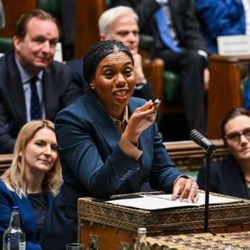
Coffee House Shots: can Kemi win the battle for the right?
20:19|James Heale is joined by Tim Shipman and Liam Halligan, Telegraph columnist and the new director of the Centre for Policy Studies (CPS), to look ahead to Conservative party conference, which kicks off today. Kemi Badenoch’s latest attempt to draw clear dividing lines with Andy Burnham was through a tougher welfare offer aimed at the under-25s – as exclusively revealed by Tim in the Spectator this week. Will this, alongside tougher fiscal restraint and general plain speaking, appeal to the wider public?Plus: how do the Conservatives outflank Reform while seeking to appeal to those in the centre-ground who may have turned to Labour at the next election? The panel also discuss the state of public finances, the role of think-tanks such as the CPS and what to watch for in Birmingham – from party donors and business representatives, to the mood of younger activists.Produced by Patrick Gibbons.
Reality Check LIVE: TUC boss Paul Nowak on taxpayers subsidising 'crappy jobs'
24:03|Michael Simmons is joined live at Labour conference by TUC general secretary Paul Nowak to discuss the state of Britain’s labour market. Are higher wages and stronger employment rights making it harder to hire, or are taxpayers subsidising too many low-paid, insecure jobs? They also discuss energy costs, social care, taxing wealth and banks, and Labour’s biggest mistakes in government.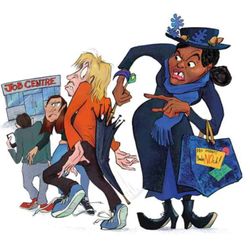
The Edition: how Badenoch plans to follow Burnham – with Poppy Coburn
39:43|For this week’s Edition, Lara Prendergast is joined by the Spectator’s political editor Tim Shipman, restaurant critic Angus Colwell and Telegraph associate editor Poppy Coburn.This week: does the country want Kemi Badenoch’s tough love? Ahead of Tory party conference, Tim speaks to the Tory leader about her plans to get Britain working again. She argues that if you can work, you should; young people without a work history could be put onto a six-month ‘get to work’ scheme rather than Universal Credit. Badenoch says the Tories have spent too long worrying about being called the ‘nasty party’ and now need to plant their flag on welfare, the economy and conservative values. But while her personal fortunes have improved, has the Tory brand recovered with her?Also: has Andy Burnham handed the Conservatives an opportunity? Badenoch believes the Prime Minister is moving Labour decisively to the left, while Burnham’s conference speech revived arguments about public ownership, devolution and Britain’s relationship with Europe. Is his attack on, what he sees as the economic consensus of the past 40 years, bold – or an opportunity for the Conservatives to open up ideological fault lines? And how realistic are Burnham’s ambitions to move Britain closer to the EU?Plus: is AI ruining literature or just exposing bad writing? The panel discuss whether machines can produce genuinely great art, and Tim reveals how he uses AI to sift interview transcripts. And finally: are some people nostalgic for lockdown? Following a controversy over a Boston lesbian bar, Angus looks at the persistence of mask culture, while the panel reveal what they would stockpile for the apocalypse.Produced by Patrick Gibbons.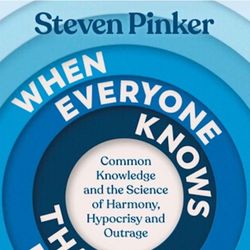
The Book Club: Steven Pinker
37:09|In this week’s Book Club podcast, Sam Leith is joined by psychologist and linguist Steven Pinker to discuss his new book, When Everyone Knows That Everyone Knows…Pinker explores the powerful idea of ‘common knowledge’ - not simply what we know, but what we know that other people know, and what we know they know we know.From the story of the Emperor’s New Clothes to revolutions, financial markets and international relations, he argues that our ability to coordinate with one another depends on making certain things publicly understood.Sam and Steven also discuss why language may have evolved partly to help us coordinate, why wars can be driven by honour and status as much as resources, and why blushing, laughter and eye contact can all be understood as ways of generating common knowledge.