Share
Iran: The Latest
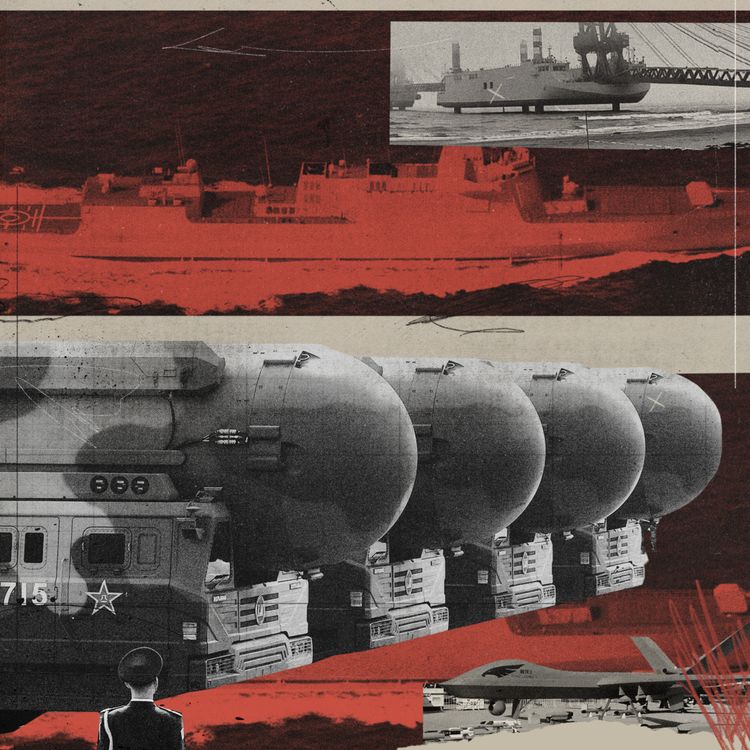
China's military (1/3): How it went from obsolete to world-class
Dive into the strengths and weaknesses of China’s military and its remarkable transformation over the last few decades from obsolete to world-class in a new special series on Battle Lines.
How significant is China’s military buildup? What does Xi Jinping’s ongoing purge mean for the People’s Liberation Army? And how likely is an invasion of Taiwan in the next few years? As the US pivots to the Indo-Pacific and the threat of a truly global war looms, understanding the evolving role of China’s military on the world stage has never been more important.
In episode one of this three-part series, Venetia Rainey uncovers the strengths that define the PLA today, from its vastly modernised Navy, now the largest globally, to its Air Force equipped with stealth fighters and advanced drones.
Plus, a look at China’s potent non-conventional forces, such as its highly sophisticated cyber warfare units, its independent aerospace and counter-space capabilities, and the secretive Rocket Force, responsible for a fast-expanding nuclear arsenal.
With thanks to Dr Phillip Saunders and Joel Wuthnow from the Center for the Study of Chinese Military Affairs at the Institute for National Strategic Studies, and Oriana Skylar Mastro from the Freeman Spogli Institute for International Studies at Stanford University.
Archive used: WION, SBS News, PBS News Hour, Channel 4, NATO, DRM News, CGTN, Getty
Contact us with feedback or ideas: battlelines@telegraph.co.uk
@venetiarainey
@RolandOliphant
More episodes
View all episodes

Trump’s Lebanon dilemma: Why Israel can't win this war
25:00|Lebanese President Joseph Aoun met US President Donald Trump in Washington this week with a historic proposal: end the war between Lebanon and Israel, force an Israeli withdrawal from the south, and disarm Iran’s proxy group Hezbollah. Could it work? On today’s bonus episode of Iran: the Latest, Venetia Rainey speaks to Lama Amine, arts director at local charity Seenaryo, about the reality for civilians caught up in the conflict in Lebanon, how people are worried the latest escalation in Iran will spillover, and why Hezbollah would just be replaced by a similar group if it was disarmed. Plus, first-person accounts of what it’s like to live under the shadow of war. Excerpts from pieces written for Seenaryo by Syrian refugee Eman Fisal Almodhi, read by Irish actor Jessie Buckley, and a WhatsApp conversation between Lebanese women displaced in south Lebanon, read by British-Lebanese-Palestinian actor Sirine Saba. HighlightsTrump’s Lebanon dilemma: Why Israel can't win this warVoices from Lebanon on life under the shadow of warCONTRIBUTORS:Venetia Rainey, co-host and executive producer @venetiaraineyLama Amine, director of arts at SeenaryoWATCH US ON YOUTUBE: https://www.youtube.com/playlist?list=PLJnf_DDTfIVAif-vifC6F2aoPB8GIw6dkCONTENT REFERENCED:Lebanon’s leader seeks Trump’s help to end occupation and insurrectionhttps://www.telegraph.co.uk/world-news/2026/07/21/lebanons-leader-seeks-trumps-help-end-occupation/ITL Best News and Analysis Podcast - Publisher Podcast Awards 2026The Telegraph Podcast Publisher of the Year 2026 - Publisher Podcast Awards 2026ITL Nominated Podcast of the Year - Society of Editors News Podcasts Awards 2026Producer: Max BowerVideo Producer: Peter ShevlinResearcher and Social Producer: Anna HindmarshStudio Operator: Andy WatsonExecutive Producer: Venetia Rainey ► Sign up to our most popular newsletter, From the Editor. Look forward to receiving free-thinking comment and the day's biggest stories, every morning. telegraph.co.uk/fromtheeditor► EMAIL US: Contact the team on battlelines@telegraph.co.uk► GET THE LATEST HEADLINES: Find all our latest Iran coverage here: https://www.telegraph.co.uk/iran-war/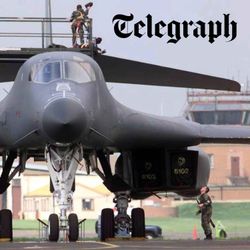
Trump weighs 'massive attack' as Iran threatens UK bases
36:05|As this new round of war enters its 13th day, US President Donald Trump has signalled he is close to deciding whether to launch a "massive attack" on Iran. The IRGC has declared that UK bases including RAF Fairford are legitimate targets, accusing new Prime Minister Andy Burnham of aiding US heavy B-1 bomber strikes.On today's episode of Iran: the Latest, Venetia Rainey is joined by chief Washington correspondent Connor Stringer and acting US news editor Lottie Tiplady-Bishop to break down the White House's military strategy, the political rift tearing through the Republican’s MAGA base, and how the war has led to dwindling missile stockpiles, war cash, and strategic oil reserves. Plus, Trump linking Israeli normalisation to the US-Saudi nuclear deal, why new British foreign secretary Ed Miliband is not popular in the White House, and the news of fresh US tariffs on the UK, Europe and other countries. HighlightsTrump weighs 'bigger than ever, massive attack' against Iran IRGC calls UK bases including RAF Fairford ‘legitimate targets’CONTRIBUTORS:Venetia Rainey, co-host and executive producer @venetiaraineyConnor Stringer, chief Washington correspondent @connorstringerLottie Tiplady-Bishop, acting US news editor @lottietipbishopWATCH US ON YOUTUBE: https://www.youtube.com/playlist?list=PLJnf_DDTfIVAif-vifC6F2aoPB8GIw6dkCONTENT REFERENCED:Short of missiles and cash for war, now Trump is running out of oilhttps://www.telegraph.co.uk/world-news/2026/07/23/short-of-missiles-cash-for-war-now-trump-running-out-oil/UK ‘ready to defend itself’ after Iran threatens to strike RAF basehttps://www.telegraph.co.uk/world-news/2026/07/23/iran-threatens-to-attack-raf-fairford/White House concerned over Miliband as Foreign Secretaryhttps://www.telegraph.co.uk/politics/2026/07/21/white-house-deeply-concerned-miliband-foreign-secretary/Trump punishes Britain for China ties with 10pc tariffhttps://www.telegraph.co.uk/us/news/2026/07/23/trump-punishes-britain-for-china-ties-with-10pc-tariff/Trump tells Saudi: No nuclear deal unless you recognise Israelhttps://www.telegraph.co.uk/us/news/2026/07/23/trump-tells-saudi-no-nuclear-deal-unless-recognise-israel/ITL Best News and Analysis Podcast - Publisher Podcast Awards 2026The Telegraph Podcast Publisher of the Year 2026 - Publisher Podcast Awards 2026ITL Nominated Podcast of the Year - Society of Editors News Podcasts Awards 2026Producer: Peter ShevlinVideo Producer: Max BowerResearcher and Social Producer: Anna HindmarshStudio Operator: Chris JanuaryExecutive Producer: Venetia Rainey ► Sign up to our most popular newsletter, From the Editor. Look forward to receiving free-thinking comment and the day's biggest stories, every morning. telegraph.co.uk/fromtheeditor► EMAIL US: Contact the team on battlelines@telegraph.co.uk► GET THE LATEST HEADLINES: Find all our latest Iran coverage here: https://www.telegraph.co.uk/iran-war/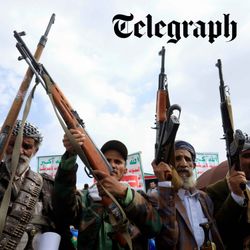
US strikes Iran with B-1 Bomber as Houthis attack Saudi tankers in Red Sea
37:03|Donald Trump has escalated the US’s war against Iran, deploying a heavy B-1 long-range bomber directly from RAF Fairford to strike IRGC targets. Meanwhile, Yemen’s Iranian proxy group the Houthis have launched missile attacks against Saudi oil tankers in the Red Sea as part of their blockade.In today’s episode of Iran: the Latest, Venetia Rainey and Jerusalem Correspondent Henry Bodkin discuss how the Bab al-Mandeb waterway could become the next Strait of Hormuz, how Iranian missiles are becoming deadlier, and why Israel is furious about a new US-Saudi civil nuclear agreement. Plus, former US Assistant Secretary of State in the Middle East David Schenker on why a maritime blockade is the most effective tool Trump has against Iran, and his one piece of advice to the president as the conflict threatens to spiral out of control. HighlightsUS deploys heavy B-1 Bomber to Iran as strikes escalateHouthis attack Saudi oil tankers in Red Sea as part of blockadeCONTRIBUTORS:Venetia Rainey, co-host and executive producer @venetiaraineyHenry Bodkin, Jerusalem Correspondent @HenryBodkinDavid Schenker, The Washington Institute and former US Assistant Secretary of State for Near Eastern Affairs @davidschenker1WATCH US ON YOUTUBE: https://www.youtube.com/playlist?list=PLJnf_DDTfIVAif-vifC6F2aoPB8GIw6dkCONTENT REFERENCED:US bombs Iran from UK air base for first time under Burnhamhttps://www.telegraph.co.uk/world-news/2026/07/23/us-bombs-iran-from-uk-air-base-for-first-time-under-burnham/Trump: For every ship Iran attacks we will blow up a power planthttps://www.telegraph.co.uk/world-news/2026/07/22/donald-trump-iran-ships-power-plant-strait-hormuz/How Iran’s missiles became more lethalhttps://www.telegraph.co.uk/world-news/2026/07/23/how-irans-missiles-became-more-lethalAmbrose Evans-Pritchard: Beware the rising energy dangers of Trump’s Gulf warhttps://www.telegraph.co.uk/business/2026/07/22/beware-the-rising-energy-dangers-of-trumps-gulf-war/ITL Best News and Analysis Podcast - Publisher Podcast Awards 2026The Telegraph Podcast Publisher of the Year 2026 - Publisher Podcast Awards 2026ITL Nominated Podcast of the Year - Society of Editors News Podcasts Awards 2026Producer: Peter ShevlinVideo Producer: Max BowerResearcher and Social Producer: Anna HindmarshStudio Operator: Chris JanuaryExecutive Producer: Venetia Rainey ► Sign up to our most popular newsletter, From the Editor. Look forward to receiving free-thinking comment and the day's biggest stories, every morning. telegraph.co.uk/fromtheeditor► EMAIL US: Contact the team on battlelines@telegraph.co.uk► GET THE LATEST HEADLINES: Find all our latest Iran coverage here: https://www.telegraph.co.uk/iran-war/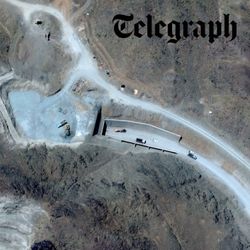
Trump vows to target Pickaxe Mountain & infiltration, executions and fear inside Iran
47:31|As the latest round of the war enters its 11th day, US President Donald Trump has signalled the US could strike Iran's hardened Pickaxe Mountain underground nuclear facility where Israel claims centrifuges are being hidden. On today’s episode of Iran: the Latest, Venetia Rainey and Telegraph journalist Sophie O’Sullivan look at the news that Defense Secretary Pete Hegseth has admitted US war costs have reached $37bn, a landmark US nuclear deal with Saudi Arabia, and the Houthis’ blockade on Saudi Arabia claiming its first victims. Is this the new Strait of Hormuz?Plus, Iranian journalist Tara Kangarlou on an explosive interview by Iranian Foreign Minister Abbas Araghchi that revealed critical internal security breaches and deep US and Israeli intelligence infiltration inside the regime. They discuss how Trump’s strikes are smashing critical civilian infrastructure, why a brutal wave of political executions could accelerate, and how the economy is in meltdown. HighlightsTrump vows to target Pickaxe Mountain nuclear underground fortInside Iran: regime infiltration, executions and fearCONTRIBUTORS:Venetia Rainey, co-host and executive producer @venetiaraineySophie O’Sullivan, journalist and Ukraine: the Latest producer Tara Kangarlou, journalist and author @tarakangarlouWATCH US ON YOUTUBE: https://www.youtube.com/playlist?list=PLJnf_DDTfIVAif-vifC6F2aoPB8GIw6dkCONTENT REFERENCED:Trump’s nuclear deal with Saudi Arabia will only embolden Iranhttps://www.telegraph.co.uk/world-news/2026/07/22/trump-saudi-arabia-nuclear-deal-will-only-embolden-iran/Pentagon is running out of money in Iran war, Hegseth admitshttps://www.telegraph.co.uk/us/news/2026/07/22/pentagon-running-out-of-money-iran-war-hegseth-admits/Iran: the Latest’s episode on the Minab school attackhttps://www.telegraph.co.uk/world-news/2026/03/18/iran-the-latest-trump-biggest-mistake-iran-war-so-far/Sky News documentary on the Minab school attackhttps://www.youtube.com/watch?v=siRuobaj7IEFor more on Ukraine news, listen to/watch Ukraine: the Latesthttps://linktr.ee/UkraineTheLatestITL Best News and Analysis Podcast - Publisher Podcast Awards 2026The Telegraph Podcast Publisher of the Year 2026 - Publisher Podcast Awards 2026ITL Nominated Podcast of the Year - Society of Editors News Podcasts Awards 2026Producer: Peter ShevlinVideo Producer: Max BowerResearcher and Social Producer: Anna HindmarshStudio Operator: Chris JanuaryExecutive Producer: Venetia Rainey ► Sign up to our most popular newsletter, From the Editor. Look forward to receiving free-thinking comment and the day's biggest stories, every morning. telegraph.co.uk/fromtheeditor► EMAIL US: Contact the team on battlelines@telegraph.co.uk► GET THE LATEST HEADLINES: Find all our latest Iran coverage here: https://www.telegraph.co.uk/iran-war/
Trump weighs major escalation as Iran hammers Kuwait’s power and water
35:47|Donald Trump is weighing up a massive expansion of the war with Iran after Tehran launched fresh strikes against US military sites across the Gulf, including Amazon services in Bahrain and vital power and water infrastructure in Kuwait.Nearly 100 US service members have been injured in recent weeks, according to the Pentagon, as the latest round of fighting enters its tenth day. On today’s episode of Iran: the Latest, Venetia Rainey and Arthur Scott-Geddes look at the news that Pakistan, Qatar and Egypt are trying to broker a mini 10-day ceasefire even as Iran has hit two more tankers in Strait of Hormuz. Will anyone come to the negotiating table?Plus, the Houthis have declared a Red Sea maritime blockade against Saudi Arabia, Iran admits its ailing economy is now the “main battlefield”, and Britain’s new Prime Minister Andy Burnham and his Cabinet face an early diplomatic test over the Iran war. HighlightsTrump weighs escalation as Iran injures hundreds of US troopsIran hammers Kuwait’s power and water infrastructureCONTRIBUTORS:Venetia Rainey, co-host and executive producer @venetiaraineyArthur Scott-Geddes, deputy editor Global Health Security @ascottgeddesWATCH US ON YOUTUBE: https://www.youtube.com/playlist?list=PLJnf_DDTfIVAif-vifC6F2aoPB8GIw6dkCONTENT REFERENCED:Trump expects Burnham to let US strike Iran from British baseshttps://www.telegraph.co.uk/us/politics/2026/07/21/trump-expects-burnham-to-let-america-use-uk-bases-iran/White House ‘deeply concerned’ over Miliband as Foreign Secretaryhttps://www.telegraph.co.uk/politics/2026/07/21/white-house-deeply-concerned-miliband-foreign-secretary/Foreign brief for Miliband risks Trump’s wrathhttps://www.telegraph.co.uk/politics/2026/07/20/burnham-risks-trump-wrath-foreign-brief-ed-miliband/Pentagon hiding missile shortage from White House, insiders fearhttps://www.telegraph.co.uk/us/news/2026/07/21/pentagon-hiding-missile-shortage-white-house/Lebanon’s leader seeks Trump’s help to end occupation and insurrectionhttps://www.telegraph.co.uk/world-news/2026/07/21/lebanons-leader-seeks-trumps-help-end-occupation/ITL Best News and Analysis Podcast - Publisher Podcast Awards 2026The Telegraph Podcast Publisher of the Year 2026 - Publisher Podcast Awards 2026ITL Nominated Podcast of the Year - Society of Editors News Podcasts Awards 2026Producer: Max BowerVideo Producer: Peter ShevlinResearcher and Social Producer: Anna HindmarshStudio Operator: Andy WatsonExecutive Producer: Venetia Rainey ► Sign up to our most popular newsletter, From the Editor. Look forward to receiving free-thinking comment and the day's biggest stories, every morning. telegraph.co.uk/fromtheeditor► EMAIL US: Contact the team on battlelines@telegraph.co.uk► GET THE LATEST HEADLINES: Find all our latest Iran coverage here: https://www.telegraph.co.uk/iran-war/
Trump hits Iran hard after US troops killed by ‘Chinese-guided’ strikes
34:02|The war between Donald Trump and Iran has escalated dramatically following the first direct US combat deaths since the start of the war and rare strikes against Saudi Arabia’s oil assets. In today’s episode of Iran: The Latest, Venetia Rainey and chief foreign affairs commentator David Blair unpack the most violent weekend of the conflict since the ceasefire. Following deadly Iranian precision attacks on the Muwaffaq Salti airbase in Jordan - potentially with Chinese help - Trump has ordered strikes across the country and sought to cut off the crucial port city of Bandar Abbas. Iran has furiously hit back by targeting Saudi Arabia’s key Yanbu oil infrastructure, alongside successful strikes on critical water infrastructure in Kuwait. Plus, they discuss reports of dwindling US interceptor missile stockpiles and whether the US is sliding into a forever war.HighlightsTrump hits Iran hard after US troops killed by ‘Chinese-guided’ missilesIran targets Saudi Arabia’s key Yanbu oil infrastructureCONTRIBUTORS:Venetia Rainey, co-host and executive producer @venetiaraineyDavid Blair, chief foreign affairs commentator @davidblairdtWATCH US ON YOUTUBE: https://www.youtube.com/playlist?list=PLJnf_DDTfIVAif-vifC6F2aoPB8GIw6dkCONTENT REFERENCED:Trump’s bridge strikes cut off city that keeps Iran alivehttps://www.telegraph.co.uk/us/news/2026/07/18/trump-iran-strikes-bridge-bandar-abbas/‘Controlled detonation’ of Iranian drone kills US soldierhttps://www.telegraph.co.uk/world-news/2026/07/19/us-punishes-iran-for-soldier-deaths-with-fresh-strikes/US doesn’t have enough missiles to return to all-out war with Iranhttps://www.telegraph.co.uk/world-news/2026/07/20/us-prepares-all-out-war-iran-sending-more-jets-middle-east/Tom Sharpe: Iranian missiles are defeating US soft-kill defences using Chinese guidancehttps://www.telegraph.co.uk/news/2026/07/15/iran-hormuz-missile-strikes-us-china-beidou-satnav/ITL Best News and Analysis Podcast - Publisher Podcast Awards 2026The Telegraph Podcast Publisher of the Year 2026 - Publisher Podcast Awards 2026ITL Nominated Podcast of the Year - Society of Editors News Podcasts Awards 2026Producer: Max BowerVideo Producer: Peter ShevlinResearcher and Social Producer: Anna HindmarshStudio Operator: Andy WatsonExecutive Producer: Venetia Rainey ► Sign up to our most popular newsletter, From the Editor. Look forward to receiving free-thinking comment and the day's biggest stories, every morning. telegraph.co.uk/fromtheeditor► EMAIL US: Contact the team on battlelines@telegraph.co.uk► GET THE LATEST HEADLINES: Find all our latest Iran coverage here: https://www.telegraph.co.uk/iran-war/
Trump bombs key ports and bridges as China upgrades Iranian missiles
43:04|Donald Trump has ordered the heaviest escalation in the US-Iran war so far this week, striking critical Iranian bridges, airports, and infrastructure surrounding the critical Strait of Hormuz chokepoint. Iran has hit back with attacks on the UAE, Qatar and other Gulf states, as well as allegedly targeting US Special Forces outposts in Syria.In today’s episode of Iran: The Latest, Sophia Yan and Roland Oliphant break down the overnight news of more kinetic strikes. Plus, Reuters global defence commentator Peter Apps joins the show to analyze how Iranian missiles are leveraging China’s encrypted BeiDou-3 satellite system to bypass Western air defenses, why the UAE is secretly bombing Iran, and whether the House of Saud is ready to ditch Washington for Beijing.HighlightsTrump destroys key ports and bridges in sweeping strikesHow China is upgrading Iranian missiles to make them harder to stopCONTRIBUTORS:Roland Oliphant, co-host and chief foreign affairs analyst @RolandOliphantSophia Yan, co-host and senior foreign correspondent @sophia_yanWATCH US ON YOUTUBE: https://www.youtube.com/playlist?list=PLJnf_DDTfIVAif-vifC6F2aoPB8GIw6dkCONTENT REFERENCED:Burnham plans to sanction Israel set to anger White Househttps://www.telegraph.co.uk/politics/2026/07/15/white-house-warns-burnham-do-not-sanction-israel/Alleged spy charged with helping Iran’s secret servicehttps://www.telegraph.co.uk/news/2026/07/17/counter-terror-police-charge-spying-iran/Iran’s war faces a dangerous new threathttps://www.telegraph.co.uk/world-news/2026/07/15/houthis-plot-to-open-new-front-in-iran-war/ITL Best News and Analysis Podcast - Publisher Podcast Awards 2026The Telegraph Podcast Publisher of the Year 2026 - Publisher Podcast Awards 2026ITL Nominated Podcast of the Year - Society of Editors News Podcasts Awards 2026Producer: Max BowerVideo Producer: Peter ShevlinResearcher and Social Producer: Anna HindmarshStudio Operator: Andy WatsonExecutive Producer: Venetia Rainey ► Sign up to our most popular newsletter, From the Editor. Look forward to receiving free-thinking comment and the day's biggest stories, every morning. telegraph.co.uk/fromtheeditor► EMAIL US: Contact the team on battlelines@telegraph.co.uk► GET THE LATEST HEADLINES: Find all our latest Iran coverage here: https://www.telegraph.co.uk/iran-war/
US blasts tanker with Hellfire missiles & why an Iran ground war is a trap
30:30|The US has dramatically expanded its strike campaign into northern Iran for the first time in this latest stage of the war, targeting critical ballistic missile and space facilities near Tehran. With Donald Trump warning Tehran that they "better behave," the US Navy has unleashed Hellfire missiles to disable an oil tanker attempting to run the blockade. Iran has responded with drone and missile strikes targeting US bases in Kuwait, Bahrain, and Jordan. On today’s episode of Iran: the Latest, Venetia Rainey and Roland Oliphant break down the overnight strikes, the high-stakes naval blockade in the Strait of Hormuz, and whether the US is preparing for an imminent ground campaign.Plus: is Donald Trump marching into a trap? Leaked reports suggest Washington is again considering an amphibious ground offensive to Iranian coastal territory. Former US Marine Colonel Andy Milburn breaks down why an amphibious landing along the Iranian coastline is a tactical dead-end and how Tehran’s decentralized "Mosaic Doctrine" is designed to survive Western airstrikes.HighlightsTrump launches hellfire missiles at tanker as American blockade escalatesUS Marine colonel: A ground war in Iran is a trap with no purposeCONTRIBUTORS:Venetia Rainey, co-host and executive producer @venetiaraineyRoland Oliphant, co-host and chief foreign affairs analyst @RolandOliphantAndy Milburn, former US Marine colonel @andymilburn8WATCH US ON YOUTUBE: https://www.youtube.com/playlist?list=PLJnf_DDTfIVAif-vifC6F2aoPWATCH PART TWO - ROLAND’S INTERVIEW WITH ANDY MILBURN: https://www.youtube.com/playlist?list=PLJnf_DDTfIVAif-vifC6F2aoPB8GIw6dkCONTENT REFERENCED:The hidden messages behind Trump’s latest wave of Iran strikeshttps://www.telegraph.co.uk/world-news/2026/07/16/hidden-messages-behind-trumps-new-wave-of-iran-strikes/Andy Milburn: Outgunned, But Not Outplayed: Iran’s Theory of Victoryhttps://warontherocks.com/outgunned-but-not-outplayed-irans-theory-of-victory/ITL Best News and Analysis Podcast - Publisher Podcast Awards 2026The Telegraph Podcast Publisher of the Year 2026 - Publisher Podcast Awards 2026ITL Nominated Podcast of the Year - Society of Editors News Podcasts Awards 2026Producer: Peter ShevlinVideo Producer: Max BowerResearcher and Social Producer: Anna HindmarshStudio Operator: Andy WatsonExecutive Producer: Venetia Rainey ► Sign up to our most popular newsletter, From the Editor. Look forward to receiving free-thinking comment and the day's biggest stories, every morning. telegraph.co.uk/fromtheeditor► EMAIL US: Contact the team on battlelines@telegraph.co.uk► GET THE LATEST HEADLINES: Find all our latest Iran coverage here: https://www.telegraph.co.uk/iran-war/
US strikes Iran twice in 24 hours after Shahed attacks hit Gulf states
35:43|The military stand-off between the US and Iran has escalated again after Donald Trump ordered a seven-hour bombing campaign targeting Iranian missile barracks, coastal radar sites, and naval bases. The inevitable Iranian response targeting its Gulf neighbours was met with rare daytime strikes by American forces. On today’s episode of Iran: the Latest, Roland Oliphant sits down with Tim Mak and Jacqueline Cole from the Iran War Dispatches Substack to discuss the significance of what each side is hitting and how the Pentagon is adapting its tactics against asymmetric Iranian warfare. They also discuss whether Trump’s brutal threat to destroy Iran's power plants and bridges will bring Tehran to the negotiating table.Plus, worrying signs that Iran is becoming more militarised and why Jackie and Tim went to Armenia to find out what ordinary Iranians think of the war. HighlightsUS strikes Iran twice in 24 hours after Shahed attacks hit Gulf statesTrump’s ultimatum to Iran: ‘Negotiate or we destroy your infrastructure’CONTRIBUTORS:Roland Oliphant, co-host and chief foreign affairs analyst @RolandOliphantTim Mak, founder Iran War Dispatches @timkmakJacqueline Cole, journalist Iran War Dispatches @jacmcoleWATCH US ON YOUTUBE: https://www.youtube.com/playlist?list=PLJnf_DDTfIVAif-vifC6F2aoPB8GIw6dkCONTENT REFERENCED:Trump’s three options to solve his Iran problemhttps://www.telegraph.co.uk/us/news/2026/07/09/trump-three-options-return-warTrump U-turns on Hormuz toll after one dayhttps://www.telegraph.co.uk/us/news/2026/07/14/trump-hormuz-toll-uturn-one-day/Even Iran’s children’s authors are losing hopehttps://www.iranwar.news/p/even-irans-childrens-authors-areIran War Dispatches: https://www.iranwar.news/The Telegraph Podcast Publisher of the Year 2026 - Publisher Podcast Awards 2026ITL Nominated Podcast of the Year - Society of Editors News Podcasts Awards 2026Producer: Peter ShevlinVideo Producer: Max BowerResearcher and Social Producer: Anna HindmarshStudio Operator: Andy WatsonExecutive Producer: Venetia Rainey ► Sign up to our most popular newsletter, From the Editor. Look forward to receiving free-thinking comment and the day's biggest stories, every morning. telegraph.co.uk/fromtheeditor► EMAIL US: Contact the team on battlelines@telegraph.co.uk► GET THE LATEST HEADLINES: Find all our latest Iran coverage here: https://www.telegraph.co.uk/iran-war/