Share
Australian Military History
Sandakan
Ep. 86
•
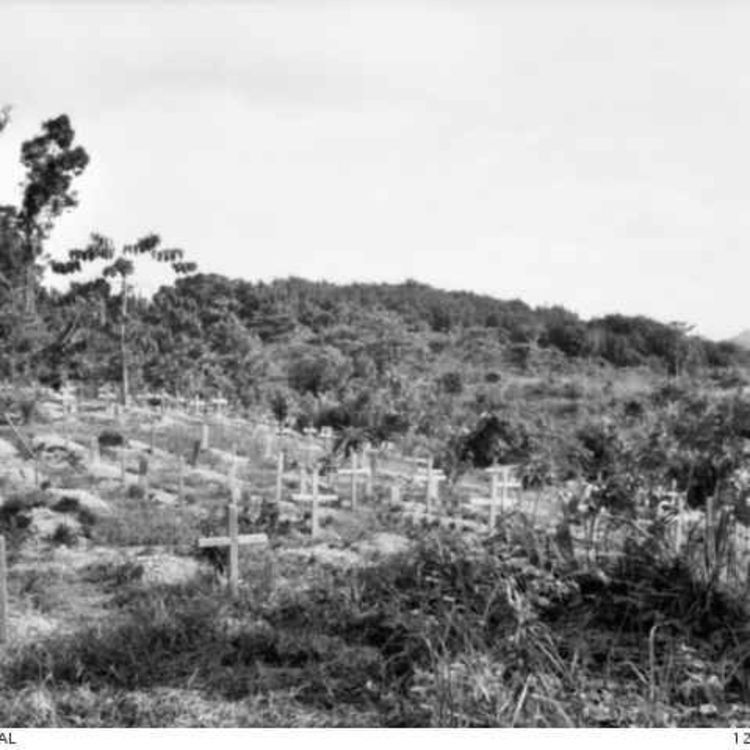
After the fall of Singapore 80 000 British, Indian and Australian troops became prisoners of the Japanese Imperial Army. Many of these men would be subjected to the horrors of the Thai Burma railway, but around 2 500 were to suffer and even worse fate. They would be sent to Borneo to build an airstrip for the Japanese near the village of Sandakan. After years of brutality, with the fear of an Allied landing somewhere on Borneo, the Japanese authorities decided to move the prisoners over 250 km to the village of Renau, signaling a new level of suffering for the POWs.
https://www.australianmilitaryhistorypodcast.com/
https://www.patreon.com/c/u46029761?view_as=patron&vanity=u46029761
More episodes
View all episodes
92. Pozieres - Holding the Heights Part 3
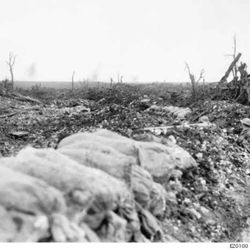
29:00||Ep. 92Having failed in their initial attempt to seize the German positions, the Australian 2nd Division made preparations for another attempt. However the date for this attempt was to be determined by the rate of preparation. As numbers of engineers went forward to prepare the jumping off and approach trenches, the casualty toll continued to rise. Some Brigade commanders chaffed at the delay, but General Brudenell White would not commit the Division until all efforts were made to ensure success. https://australianmilitaryhistorypodcast.com/https://www.patreon.com/c/u46029761?view_as=patron
Author Interview - Bram Connolly
44:07|Bram Connolly is a former infantry and Special Forces soldier, joining the Australian Army in 1991. In his new book 100 Ways I Almost Died, Bram covers the sometimes amusing, often terrifying ways his life was held in the balance both in training and on operations. https://youtu.be/m8TB96Jrz04https://www.patreon.com/c/u46029761?view_as=patron&vanity=u46029761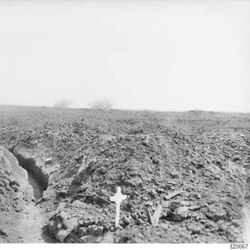
Pozieres - Holding the Heights Part 2
28:58|Last episode we briefly covered the fate of the 2nd Division's attack on the 28th July 1916, based upon the information which trickled back to Brigade HQ. This time, we look in depth to examine the front line solider perspective and see what went wrong. https://australianmilitaryhistorypodcast.com/https://www.patreon.com/c/u46029761?view_as=patron&vanity=u46029761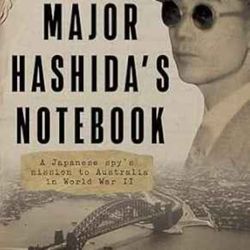
Author Interview - Craig Collie
22:19|Major Hashida's Notebook tells the story of a newly trained Japanese intelligence officer's time in Australia prior to the outbreak of the Pacific War.
Apologies
00:41|G'day everyone. Just a quick one to apologies for the lack of episode this month. Got snowed under with other stuff and then got crook. Back on deck next month. Cheers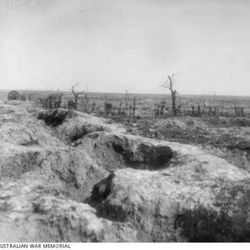
90. Pozieres - Holding the Heights Part 1
36:48||Ep. 90With the 1st Division exhausted after capturing Pozieres village, the 2nd Division took over the line and prepared for the next phase of the attack - taking and holding the heights. General Legge was charged with setting the time for this next attempt, but even before he could begin working on the plan, his 17th Battalion was dragged into the fighting in support of a British attempt to seize OG1. Over the next two days, plans were formulated, despite suffering serious losses from German artillery. But by dusk of the 28th July 1916, all was in place.https://www.australianmilitaryhistorypodcast.com/https://www.patreon.com/c/u46029761?view_as=patron&vanity=u46029761
89. Doc Vernon
39:50||Ep. 89One of the defining features of the Kokoda Campaign was undoubtedly the native carriers who carried supplies forward and wounded men back. Much is made of their contribution, and rightly so, but without the efforts of Doc Vernon to improve conditions and care of the carrier force it is debatable whether they could or would have carried on their efforts. Not only did Doc take care of the carriers, but when he became aware that the 39th Militia Battalion would be facing the Japanese onslaught at Kokoda Village, he immediately went forward and offered his services to the Commander of the 39th, a man he would soon be operating on under lamplight while under Japanese fire.https://www.australianmilitaryhistorypodcast.com/https://www.patreon.com/c/u46029761?view_as=patron&vanity=u46029761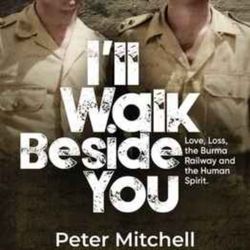
Author Interview - Peter Mitchell
35:39|In this interview Peter Mitchell gives a detailed account of a little known event in Australia's military history - the fighting on Java in the opening weeks of the Pacific War. He also provides an insight into the benefits of creative non-fiction as a means of providing factual details about an event while also providing a good story for the readers.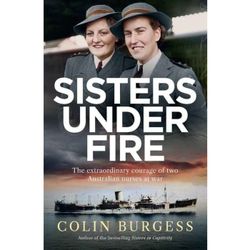
Author Interview
35:55|With the fall of Singapore imminent, all nursing staff were given orders to evacuate. Despite the protests of the nurses they boarded the evacuation ships. Those who boarded the Vyner Brook would suffering murder and imprisonment at the hands of the Japanese, but those aboard the other two ships, the Wasui and Empire Star were spared that horror. But that doesn't mean they got away safely. In this amazing book, Colin Burgess tells the story of two of the nurses onboard the Empire Star and their acts of heroism under Japanese air attack.patreon.com/u46029761