Share
Your Mind On Podcast
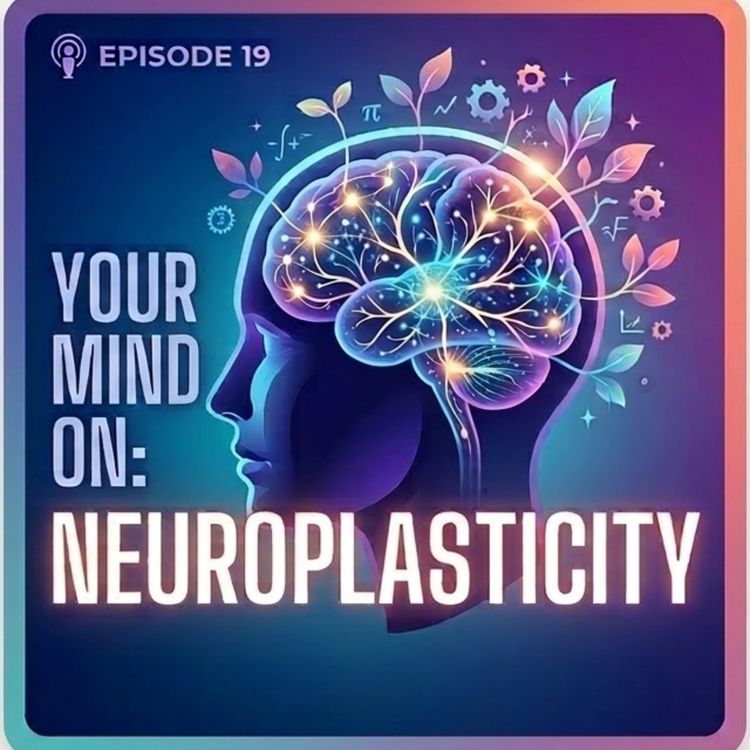
Neuroplasticity
For a long time, we were told the brain was like a concrete sculpture—once it dried in your twenties, that was it. Any cracks or chips were permanent. But what if that “old dogma” was completely wrong?
In this episode, we’re diving into the incredible world of Neuroplasticity. From the "Father of Neuroscience" to the singing brains of canaries, we explore how our minds are actually dynamic, living landscapes capable of growth at any age. We’ll break down the "Miracle-Gro" of the brain (BDNF), how stress acts as a molecular muzzle, and why learning a new skill is like installing high-speed fiber optics in your head.
Whether you’re looking to heal, grow, or just stay sharp, remember: your past is not your sentence. Your brain is a masterpiece that’s never actually finished.
In this episode, we discuss:
- The transition from "fixed" brain theory to a growth-based model.
- How cortisol and stress physically impact your neural connections.
- The "Miracle-Gro" protein (BDNF) and how to trigger it.
- The role of learning and exercise in building a resilient mind.
🎵 Music Credits:
- Song: More Now Than Ever
- Artist: North Sphere
📬 Connect with the Show:
- Email: hello@yourmindonpodcast.com
- Instagram: @yourmindonpodcast
- Website: yourmindonpodcast.com
I’m always open to corrections if I get a detail wrong or miss a specific vibe you’re going for! The best way to do this is to just tell me what I got wrong, or what I need to know.
More episodes
View all episodes

22. ADHD
33:08||Ep. 22"You are not a broken version of 'normal.' You are a high-performance version of 'different.'"In this episode, we peel back the layers of Attention-Deficit/Hyperactivity Disorder (ADHD) to move beyond the "moral defect" myths of the past. We explore the fascinating neurobiology of the "Dopamine Chase" and the evolutionary history of the nomadic hunter, reframing ADHD as a specialized operating system built for a high-intensity world.In This Episode, We Cover:The Evolution of the Explorer: How the DRD4 7R "Nomadic" allele provided a survival advantage 45,000 years ago.The Dopamine Harbor: Understanding Reward Deficiency Syndrome and why "boring" tasks feel like physical torture.Theta vs. Beta States: The science of why the ADHD brain "falls asleep" during meetings but "unlocks" during hyperfocus.The Volume Knob of Emotion: A deep dive into Emotional Dysregulation and Rejection Sensitive Dysphoria (RSD).The High Cost of Masking: Why "performing normal" leads to chronic burnout and how to stop wasting your battery.Hardware Hacks: Practical, evidence-based strategies for "Case Modding" your environment and your workflow.Connect with the ShowI love building this community of divergent thinkers. If you have a question, a story about your own "ADHD Hardware," or a topic suggestion, please reach out!Email: hello@yourmindonpodcast.comInstagram: @yourmindonpodcastWeb: yourmindonpodcast.com (Stream episodes, read show transcripts, and learn more about the show).Music CreditsTheme and background music provided by Epidemic Sound.Main Theme: More Now Than Ever by North SphereAmbient Underscore: Lost in Thought by Amaranth Cove
Mindfulness Monday 4
06:48|Welcome Mindfulness Monday! I will be releasing these short 5-10 minute episodes each Monday to help power you through your week. Some weeks it will be a motivational story, some will be mindfulness and relaxation exercises.Please feel free to reach out with questions, comments, or episode suggestions!Website: www.yourmindonpodcast.comEmail: hello@yourmindonpodcast.comInstagram: @yourmindonpodcastMusic for this episode:Spent a Whole Day in My Head by Rebecca MordalSow by Harbours & OceansFinetuned Fiesta by Dusty DecksDon't for get to like, comment, download, and share with friends and family!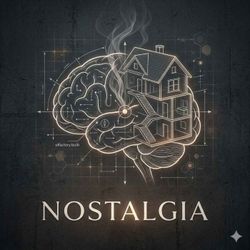
21. Nostalgia
32:24||Ep. 21In this episode of Your Mind On, host John Shaw explores the complex evolution of nostalgia—from its 17th-century roots as a fatal medical "plague" to its modern role as a vital psychological resource. We dive into the biological mechanisms behind the "Reminiscence Bump," the unique power of sensory triggers like scent, and the critical distinction between restorative and reflective nostalgia. Finally, we discuss how digital algorithms are reshaping our memories and provide a "Nostalgia Audit" tool to help you use your past as a foundation for a healthier present. Key Topics Covered:The History of "Sickness of the Heart": How early physicians treated nostalgia with leeches and public shaming. The Reminiscence Bump: Why our brains are hardwired to prioritize memories from ages 10 to 30. Restorative vs. Reflective Nostalgia: Learning to distinguish between the desire to rebuild the past and the ability to savor it with "aesthetic distance." The Olfactory "Fast-Pass": Why smell is the only sense that bypasses the brain’s traditional relay station to hit your emotions directly. Virtual Reconstruction: How we use digital tools and simulation to "export" our memories into virtual spaces. The Nostalgia Audit: A three-step process to identify your triggers, check your lens, and build a continuity bridge to your present self. Connect with the Show:Website: yourmindonpodcast.com Email: hello@yourmindonpodcast.com Instagram: @yourmindonpodcast Music & Sound Credits:Ashen by Luba HilmanHonorable Salute by Sage OurslerMore Now Than Ever by North Sphere The Light from Within by Howard Harper-BarnesNext Week: We shift our focus to the present as we explore the "Gift" of ADHD—reframing it from a deficit to a specialized "operating system" designed for a high-speed world. If you enjoyed this episode, please leave a rating or review on your favorite podcast platform to help us spread the word!
Mindfulness Monday 3
05:59|Welcome to Mindfulness Monday! I will be releasing these short 5-10 minute episodes each Monday to help power you through your week. Some weeks it will be a motivational story, some will be mindfulness and relaxation exercises.Please feel free to reach out with questions, comments, or episode suggestions!Website: www.yourmindonpodcast.comEmail: hello@yourmindonpodcast.comInstagram: @yourmindonpodcastMusic for this episode:Finetuned Fiesta by Dusty Deckslilja by BomullDon't for get to like, comment, download, and share with friends and family!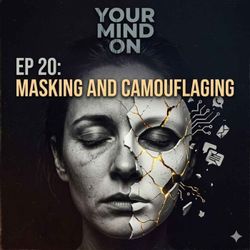
20. Masking and Camouflaging
49:42||Ep. 20Have you ever felt like you were operating on a different "social OS" than everyone else? In this episode of Your Mind On, we’re pulling back the curtain on Camouflaging and Masking. While we all adjust our behavior to fit in sometimes, for the neurodivergent community, this "social survival kit" often comes with a staggering biological bill.We dive deep into the clinical research behind the CAT-Q framework, exploring the three pillars of camouflaging: Masking, Compensation, and Assimilation. We’ll also discuss the Double Empathy Problem and the physiological reality of burnout—moving past "feeling tired" into the science of the HPA axis and hypocortisolism.Stick around for our closing segment, where we share a moving listener story in our "Safe Space" vent session, exploring the intersection of parenting, advocacy, and the beauty of Kintsugi.In this episode, we discuss:The difference between "fitting in" and clinical masking.Why camouflaging is often a "survival strategy" rather than a choice.The "Double Jeopardy" faced by BIPOC individuals in the healthcare system.How the "biological bill" of masking leads to physical and mental burnout.Connect with the Show: We want to hear your stories. If you have a "vent" you’d like to share anonymously, or if you have questions about a topic we've covered, reach out to us:Email: YourMindOnPodcast@gmail.comSocial Media: Follow us on Instagram and Facebook @YourMindOnPodcastWebsite: www.yourmindonpodcast.comMusic Credits:Band: North SphereSong: More Now Than EverDisclaimer: While this show explores psychological research and is hosted by a student of Clinical Mental Health Counseling, it is for educational and entertainment purposes only and does not constitute medical advice or a therapeutic relationship.
Mindfulness Monday 2
08:20|Welcome to Mindfulness Monday! I will be releasing these short 5-10 minute episodes each Monday to help power you through your week. Some weeks it will be a motivational story, some will be mindfulness and relaxation exercises.Please feel free to reach out with questions, comments, or episode suggestions!Website: www.yourmindonpodcast.comEmail: hello@yourmindonpodcast.comInstagram: @yourmindonpodcastMusic for this episode:Spent a Whole Day in My Head by Rebecca MordalEquanimity by 369Finetuned Fiesta by Dusty DecksDon't for get to like, comment, download, and share with friends and family!
Mindfulness Monday 1
05:11|Welcome to the first mini-episode of Mindfulness Monday! I will be releasing these short 5-10 minute episodes each Monday to help power you through your week. Some weeks it will be a motivational story, some will be mindfulness and relaxation exercises.Please feel free to reach out with questions, comments, or episode suggestions!Website: www.yourmindonpodcast.comEmail: hello@yourmindonpodcast.comInstagram: @yourmindonpodcastMusic for this episode is Fields by Shuta YasukochiDon't for get to like, comment, download, and share with friends and family!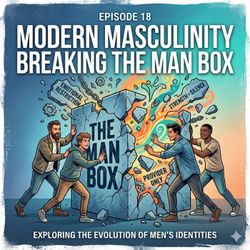
18. Modern Masculinity
52:23||Ep. 18What does it actually mean to "be a man" in today's world? In this episode, we step outside the traditional "Man Box" to explore how societal expectations impact men’s mental health, relationships, and self-worth.We dive deep into the history of hegemonic masculinity, the psychological "pillars" that often keep men isolated, and why the bravest thing a man can do is dismantle the idea that vulnerability is a weakness. Whether you are a man navigating these pressures or someone supporting a man in your life, this conversation offers a roadmap toward a more authentic, emotionally healthy way of living.In this episode, we discuss:The transition from the "Protector/Provider" role to the "Emotional Guardian."The origins and consequences of the "Man Box."Why the "Man Up" culture is failing our boys.Actionable steps for reclaiming emotional freedom.Connect With UsI’d love to hear your thoughts on this episode. Reach out and join the conversation!Website: www.yourmindonpodcast.comInstagram: @yourmindonpodcastEmail: hello@yourmindonpodcast.comMusic CreditsIntro and outro music graciously provided by North Sphere.Song: More Now Than EverArtist: North Sphere