Share
Yogaland Podcast
Yoga, Birth, and Business with Rachel Yellin
Yoga offers us so much more than creating a healthy body and mind--it also helps us to get to know ourselves on a deep, intimate level. That deep knowing can help us make better decisions about every aspect of our lives, which is especially true during the childbirth process, says this week's guest Rachel Yellin.
Rachel is a prenatal yoga teacher, childbirth educator, hypnotherapist, and a dear friend of mine. All of her work is centered around the idea of using mindfulness to help people tap into their own wisdom. It's transformational. And it's all yoga.
This episode isn't just for pregnant moms (or even parents). It's for anyone who wants to learn to tune out external criticisms, judgments, and expectations so you can be guided by your own authentic, inner voice.
Here's are some things we cover:
* Finding the balance between the tradition of yoga, where students are guided through every pose by a teacher, and learning to allow your your own body and intuition lead the way
* How Rachel's different businesses are based on yoga and being present, knowing yourself + the creative way she grew her yoga business without depleting herself through marketing efforts, constant travel, etc.
* Ideas for parenting with more presence. Hint: it's not about reading parenting books, but reading your individual child and responding to her needs
* Advice for yoga teachers who feel pressured to build a following on social media
Show notes: http://www.jasonyoga.com/podcast/episode106
SHOUT-OUT TO OUR SPONSORS
1. I love cooking but even I get tired of the grind day after day. One thing that’s helped me immensely is Sunbasket meal delivery service -- they offer organic produce and clean ingredients and many different types of meal plans. Their food is so delicious and I LOVE how creative they are! Go to sunbasket.com/yogaland to get $35 off your first order.
2. To my women listeners out there – have you tried Lola yet? LOLA is a female-founded company offering organic cotton tampons, pads, and liners. For 40% off your first order, visit mylola.com and enter the code YOGALAND40 when you subscribe.
3. HelloFresh is a meal kit delivery service that shops, plans, and delivers step-by-step recipes and pre-measured ingredients. They have three plans to choose from -- Classic, Veggie, and Family and every week there’s a 20 minute meal on the classic menu if you really don’t have even 30 minutes! Which let’s face it, happens! For $30 off your first week of HelloFresh, visit hellofresh.com and enter YOGALAND30 at checkout.
More episodes
View all episodes
Why Strength Matters
11:25|This is our second in a series of solocasts (you might remember that Andrea did one recently, Why Mindfulness is Still Important). In this week's episode, I explain why strength matters for yoga practitioners and teachers — not as a performance goal, but as a foundational quality that supports stability, protects joints, improves proprioception, and ultimately helps us practice for a lifetime. 💡 In this episode, you’ll learn: • Why strength protects joints and connective tissue • How strength improves stability and supports mobility • Why flexibility without strength can become a liability • How resistance training enhances proprioception and body awareness • Why yoga practitioners especially benefit from developing strength • How strength supports longevity in yoga practiceAs yoga practitioners, we’re already very good at creating flexibility and range of motion. But strength gives us the ability to control that range. It creates tone, stability, and resilience.If you’re a yoga teacher, this perspective may completely change how you think about programming, sequencing, and long-term student development.
Why The Old Model of Yoga Sequencing Doesn’t Work Anymore
42:57|On this week's podcast, Jason outlines why the old models of yoga sequencing are no longer effective in today's landscape. To name a few: More people cross-train. Fewer students are walking into studios. ClassPass has changed loyalty. Online platforms have shifted expectations. If you want better student retention, stronger engagement, and a more sustainable yoga teaching career, this conversation is essential.⸻⏱ Highlights2:23 Sequencing 2.0 — What’s New6:00 The Two Traditional Sequencing Models6:57 The Problem with Fixed Sequences8:07 The Problem with Random Classes13:29 Why Student Retention Is Harder Now20:39 Online Teaching & Retention29:50 ClassPass & (the lack of) Loyalty35:19 The Solution: Monthly Progressions35:33 How to Build Skill Over Time⸻Jason shares why consistency and novelty must coexist, how to use month-long progressions, how to think like an educator, and how we can help students build skills, helping to build student retention. to maintain retention. If you’re serious about becoming a more effective and modern yoga teacher, it's a must-listen!
The Most Important Skill Missing from Yoga Teacher Trainings
34:28|Most yoga teacher trainings prepare you to teach one class at a time.They don’t teach you how to build real student progress.Chapters:0:00 Introduction4:04 The hidden gap in yoga teacher training5:50 Why “random” classes stall student progress8:40 The burnout cycle for yoga teachers13:24 The curriculum mindset explained14:40 Monthly arcs, series & workshops27:58 Expanding your teaching careerIn this episode, Jason breaks down the most overlooked skill in modern yoga teacher training: learning how to think like an educator instead of teaching one-off classes.Most 200-hour yoga teacher trainings focus on sequencing individual classes. But students don’t learn in 60-minute increments. They need repetition, structure, continuity, and progressive overload to make real progress.You’ll learn:• Why random yoga sequencing leads to student plateaus• How lack of curriculum causes teacher burnout• The difference between novelty and skill development• How to design month-long class arcs• How to create yoga workshops and special series• Why this shift improves student retention and career sustainabilityIf you’re a yoga teacher who wants better student results, stronger retention, and a more sustainable teaching career, this conversation will change how you think about sequencing.Learn more about Yoga Sequencing 2.0 here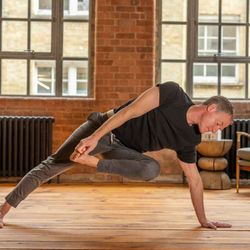
Power, Boundaries & Red Flags in Yoga: A Needed Conversation
46:30|In this Yogaland episode, Jason Crandell and I talk candidly about power dynamics in yoga, the potential for abuse of authority, and how students and teachers can protect what’s most important: trust, safety, consent, and healthy boundaries.We’re not psychologists or legal experts — but we’ve been in the yoga world for decades, and we’ve seen how quickly a “teacher-student relationship” can become unhealthy when authority, charisma, and vulnerability collide. The goal of this conversation is simple: help more people recognize warning signs early, keep their autonomy intact, and stay connected to yoga in a way that’s grounded, mature, and safe.You’ll hear us cover: • The most common red flags in teacher-student dynamics • Why critical thinking belongs in yoga spaces • How “one true way” teaching can become coercive • Charisma, attachment, and love-bombing in wellness culture • Why discouraging cross-training or other teachers is a problem • How “inner circles” and status tiers can create vulnerability • Consent and hands-on adjustments: what students can ask for, and what teachers must respectIf you’ve ever felt uncomfortable in a class, confused by a teacher’s intensity, or pressured to stay loyal to one method or community — this episode is for you.
Why Mindfulness Still Matters: Holding Space in Uncertain Times
34:17|In this solo episode, Andrea explores why mindfulness remains a vital practice—especially during times of collective stress, uncertainty, and moral overwhelm.Drawing from Buddhist foundations of mindfulness, personal experience, and years of teaching yoga and meditation, Andrea reframes mindfulness not as passivity or “everything’s fine” thinking, but as the practice of witnessing—with non-judgment and loving awareness—what is actually here.She reflects on:Why mindfulness helps us sit with difficult emotions without becoming overwhelmed by themThe difference between non-judgment and disengagementHow loving awareness transforms mindfulness from a cold observation into an act of careWhy yoga teachers’ ability to “hold space” is both invisible and essentialHow short, accessible mindfulness practices can support nervous system regulation and clarityAndrea also shares three practical ways to integrate mindfulness into daily life, including mindfulness walks, working skillfully with unpleasant moments, and using declarative language as a nervous-system-friendly form of presence and connection.This episode is an invitation to return to the basics—not as an escape from reality, but as a way to meet it with steadiness, compassion, and care.-----------------You can find shownotes here: yogalandpodcast.com/episode376
How to Demonstrate Yoga Poses Effectively (In-Person & Online)
40:50|Most yoga teachers undervalue how powerful good demonstrations really are. In this episode, we break down how, when, and why to demonstrate yoga poses so students actually learn.Demonstration is one of the most overlooked—and misunderstood—skills in yoga teaching.In this episode of Yogaland, Jason shares how to demonstrate yoga poses effectively in both in-person and online classes, and why visual communication plays such a crucial role in student learning.You’ll learn: • When yoga teachers should and should not demonstrate • The pros and cons of practicing with the group vs. observing • How demonstration impacts student comprehension and retention • The biggest mistakes teachers make when demonstrating poses • Why orientation and timing matter more than flexibility or strength • How to demonstrate safely without risking injury • Smart strategies for Zoom classes, recorded classes, and live online teaching • How beginner teachers can use demonstration to build confidence and pacingWhether you teach vinyasa, flow, alignment-based yoga, or online classes, this conversation will help you teach more clearly, communicate more effectively, and support student learning without over-explaining or over-demonstrating.This episode is especially helpful for: • Yoga teachers in 200-hour or 300-hour teacher training • New teachers learning pacing and classroom management • Experienced teachers refining their communication skills • Anyone teaching yoga online or on Zoom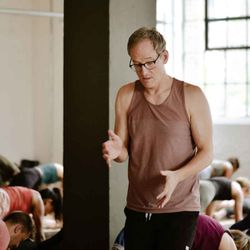
6 Anchors Every Yoga Teacher Needs for the Year Ahead
27:16|The start of a new year can feel exciting and overwhelming for yoga teachers. New students, new expectations, new pressure. In this episode of Yogaland, Jason shares six foundational anchors to help you ground your teaching, reconnect with your students, and create classes that are sustainable—for you and for them.Rather than chasing trends or social media metrics, this conversation focuses on what actually builds strong classes and long-term teaching careers: consistency, kindness, real connection, movement quality, stillness and regeneration, and empowering students to make informed choices in their practice.Whether you’re teaching full classes, building a schedule in the new year, or simply wanting to feel more rooted and confident as a teacher, this episode offers practical perspective you can apply immediately—without adding more to your plate.⸻Highlights00:00 – Why teachers feel overwhelmed at the start of the year01:29 – Anchor #1: Consistency in tone, sequencing & expectations04:40 – Anchor #2: Kindness, presence & being a good host08:20 – Anchor #3: Real connection vs social media distraction14:49 – Anchor #4: Quality of movement over range of motion21:26 – Anchor #5: Stillness, pranayama & regeneration25:19 – Anchor #6: Empowering students to make educated choices⸻Train to become a yoga teacher with Jason! Our next cohort begins next week, January 13th. Get all the details here: jasonyoga.com/200
Yoga(ish): Holiday rituals, neurodivergent needs & letting people have their feelings
38:25|The holidays can be joyful… and also a lot—especially if you’re introverted, neurodivergent, parenting a neurodivergent kid, or trying to manage family expectations without burning out.In this episode, we share the holiday traditions that actually work for their family—and the boundaries that make those traditions possible. We talk about front-loading expectations, time boundaries, demand avoidance, and why it’s okay to let other people have their feelings when you don’t meet their expectations. You’ll also hear practical strategies for navigating social events (without forcing yourself or your child to “perform”), plus a few favorite holiday rituals—from cookie baking to Christmas Eve dinner to a Christmas Day zoo trip.If you’ve ever felt overwhelmed by holiday gatherings, unsure how to set boundaries with family, or stuck between “being flexible” and “protecting your nervous system,” this conversation will help.In this episode: • Holiday boundaries for introverts and neurodivergent families • Why time limits reduce anxiety (and increase participation) • Setting expectations with relatives ahead of gatherings • Demand avoidance, sensory overwhelm, and holiday rituals • How to navigate parties with roles, structure, and exit plans • Letting people be disappointed (without taking it on)
Unexpected Lessons From Yoga in 2025
41:27|As the year winds down, we’re reflecting on the real gifts yoga has given us—beyond poses and flexibility. In this conversation, we talk about pranayama and nervous-system regulation (including HRV), learning acceptance as our bodies age, how yoga builds discernment around recovery, and what we’re grateful for (including health, community, and the unexpected growth that comes from changing course as parents and professionals).If you’re navigating stress, pain, aging, burnout, or a shifting relationship with practice, this episode is an honest look at what yoga can offer for the long haul—and what we’re ready to let go of as we head into a new year.