Share
Yogaland Podcast
Learning, Growing, Thriving After Injury with Laura Burkhart
When your body hurts, it can feel like your soul hurts. And when you sustain an injury from yoga, it can be even more rattling. When an injury threatened Laura Burkhart's yoga practice—and her livelihood—she was forced to dig deep, be creative, and step into a new role as a yoga teacher, too. In this episode, she explains how she survived with humility and humor. (PS: Don't forget to read Laura's most recent Yoga Journal blog post!)
We talk about:
* Laura's experience sustaining a hip injury during her yoga practice, how it was diagnosed (when she didn't have health insurance), and the path she took to begin to heal
* How she coped with the fear, shame, and frustration that came up
* The process she used that allowed her to shift from a negative mindset to one that help her completely reprioritize her life and work
* The biggest insight she learned from the ordeal: Don't get your identity from your physical abilities or your career, but in something deeper and more meaningful
* How she approaches her practice and her teaching these days
* The advice she has for yoga teachers or practitioners who hope to work smarter, not harder
SHOUT-OUT TO OUR SPONSORS
1. Careof is a monthly vitamin subscription service that's tailored to your exact needs. Their recommendations are based on clinical research with input from doctors and nutritionists. Vegan and veg supplement options are available! For 25% off your first month of personalized vitamins, visit takecareof.com and enter YOGALAND.
2. I love cooking but even I get tired of the grind day after day. One thing that’s helped me immensely is Sunbasket meal delivery service -- they offer organic produce and clean ingredients and many different types of meal plans. Their food is so delicious and I LOVE how creative they are! Go to sunbasket.com/yogaland to get $35 off your first order.
3. Molekule is a new air purification experience -- unobtrusive, portable, and 100% effective. Molekule’s PECO technology goes beyond HEPA filtration to not just capture, but completely destroy the full spectrum of indoor air pollutants, including those 1000x smaller than a HEPA filter can trap. For $75 off your first order, visit MOLEKULE.com and enter code YOGALAND at checkout.
4. To my women listeners out there – have you tried Lola yet? LOLA is a female-founded company offering organic cotton tampons, pads, and liners. For 40% off your first order, visit mylola.com and enter the code YOGALAND40 when you subscribe.
More episodes
View all episodes
Why Flexibility & Mobility Matter
18:31|The yoga world has done important work questioning its obsession with extreme range of motion — and rightly so. But the pendulum has swung too far. Flexibility and mobility aren't relics of an outdated paradigm. They're essential physical qualities with real implications for how well you move, how long you stay independent, and how good you feel in your body.In this podcast, Jason makes the case for why flexibility and mobility still matter — not as performance goals, not as aesthetic pursuits, but as foundational components of a healthy, functional body.We cover:-Why flexibility and mobility are longevity qualities, not just fitness qualities- How restricted range of motion leads to fibrosis, compensation patterns, and decreased independence over time.-Why flexibility actually contributes to strength — and why the idea that they're opposites is a false premise.-The length-tension relationship and what it means for how muscles generate force.-Why a body with usable, controlled range of motion is more resilient and less injury-prone.-Why feeling good in your body — moving freely, moving fully — is a legitimate and important goalThis isn't a rejection of everything the yoga community has learned about the importance of strength and stability. It's a reclamation of the full picture: a healthy body is strong, stable, mobile, and free. These qualities complement each other. Intelligent practice develops all of them.
Why Yoga Philosophy Matters
19:09|Yoga philosophy gives context to the physical practices many of us experience first — postures, breathwork, and meditation. It connects modern yoga to its historical roots and helps us understand the deeper purpose of the tradition.In this conversation, I explore several reasons yoga philosophy still matters today. It provides a framework for values, offers existential perspective, and strengthens the mind in the same way that asana strengthens the body. Philosophy also helps protect yoga from becoming overly performative or purely consumer-driven, reminding us that yoga is ultimately about self-understanding and transformation.Whether you’re a yoga teacher, longtime practitioner, or simply curious about yoga beyond the poses, philosophy can add depth, clarity, and meaning to your practice.
5 Sequencing Myths That Keep Yoga Teachers Stuck
37:49|Most yoga teachers are taught that sequencing should be creative, complex, and always different. But these common beliefs often making teaching harder -- and keep both teachers and students stuck.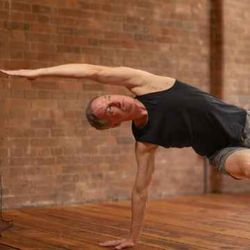
Why Strength Matters
11:25|This is our second in a series of solocasts (you might remember that Andrea did one recently, Why Mindfulness is Still Important). In this week's episode, I explain why strength matters for yoga practitioners and teachers — not as a performance goal, but as a foundational quality that supports stability, protects joints, improves proprioception, and ultimately helps us practice for a lifetime. 💡 In this episode, you’ll learn: • Why strength protects joints and connective tissue • How strength improves stability and supports mobility • Why flexibility without strength can become a liability • How resistance training enhances proprioception and body awareness • Why yoga practitioners especially benefit from developing strength • How strength supports longevity in yoga practiceAs yoga practitioners, we’re already very good at creating flexibility and range of motion. But strength gives us the ability to control that range. It creates tone, stability, and resilience.If you’re a yoga teacher, this perspective may completely change how you think about programming, sequencing, and long-term student development.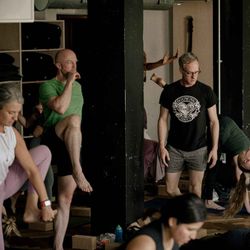
Why The Old Model of Yoga Sequencing Doesn’t Work Anymore
42:57|On this week's podcast, Jason outlines why the old models of yoga sequencing are no longer effective in today's landscape. To name a few: More people cross-train. Fewer students are walking into studios. ClassPass has changed loyalty. Online platforms have shifted expectations. If you want better student retention, stronger engagement, and a more sustainable yoga teaching career, this conversation is essential.⸻⏱ Highlights2:23 Sequencing 2.0 — What’s New6:00 The Two Traditional Sequencing Models6:57 The Problem with Fixed Sequences8:07 The Problem with Random Classes13:29 Why Student Retention Is Harder Now20:39 Online Teaching & Retention29:50 ClassPass & (the lack of) Loyalty35:19 The Solution: Monthly Progressions35:33 How to Build Skill Over Time⸻Jason shares why consistency and novelty must coexist, how to use month-long progressions, how to think like an educator, and how we can help students build skills, helping to build student retention. to maintain retention. If you’re serious about becoming a more effective and modern yoga teacher, it's a must-listen!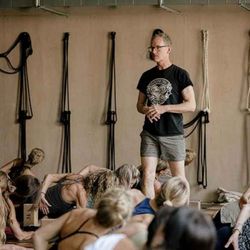
The Most Important Skill Missing from Yoga Teacher Trainings
34:28|Most yoga teacher trainings prepare you to teach one class at a time.They don’t teach you how to build real student progress.Chapters:0:00 Introduction4:04 The hidden gap in yoga teacher training5:50 Why “random” classes stall student progress8:40 The burnout cycle for yoga teachers13:24 The curriculum mindset explained14:40 Monthly arcs, series & workshops27:58 Expanding your teaching careerIn this episode, Jason breaks down the most overlooked skill in modern yoga teacher training: learning how to think like an educator instead of teaching one-off classes.Most 200-hour yoga teacher trainings focus on sequencing individual classes. But students don’t learn in 60-minute increments. They need repetition, structure, continuity, and progressive overload to make real progress.You’ll learn:• Why random yoga sequencing leads to student plateaus• How lack of curriculum causes teacher burnout• The difference between novelty and skill development• How to design month-long class arcs• How to create yoga workshops and special series• Why this shift improves student retention and career sustainabilityIf you’re a yoga teacher who wants better student results, stronger retention, and a more sustainable teaching career, this conversation will change how you think about sequencing.Learn more about Yoga Sequencing 2.0 here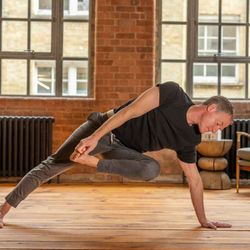
Power, Boundaries & Red Flags in Yoga: A Needed Conversation
46:30|In this Yogaland episode, Jason Crandell and I talk candidly about power dynamics in yoga, the potential for abuse of authority, and how students and teachers can protect what’s most important: trust, safety, consent, and healthy boundaries.We’re not psychologists or legal experts — but we’ve been in the yoga world for decades, and we’ve seen how quickly a “teacher-student relationship” can become unhealthy when authority, charisma, and vulnerability collide. The goal of this conversation is simple: help more people recognize warning signs early, keep their autonomy intact, and stay connected to yoga in a way that’s grounded, mature, and safe.You’ll hear us cover: • The most common red flags in teacher-student dynamics • Why critical thinking belongs in yoga spaces • How “one true way” teaching can become coercive • Charisma, attachment, and love-bombing in wellness culture • Why discouraging cross-training or other teachers is a problem • How “inner circles” and status tiers can create vulnerability • Consent and hands-on adjustments: what students can ask for, and what teachers must respectIf you’ve ever felt uncomfortable in a class, confused by a teacher’s intensity, or pressured to stay loyal to one method or community — this episode is for you.
Why Mindfulness Still Matters: Holding Space in Uncertain Times
34:17|In this solo episode, Andrea explores why mindfulness remains a vital practice—especially during times of collective stress, uncertainty, and moral overwhelm.Drawing from Buddhist foundations of mindfulness, personal experience, and years of teaching yoga and meditation, Andrea reframes mindfulness not as passivity or “everything’s fine” thinking, but as the practice of witnessing—with non-judgment and loving awareness—what is actually here.She reflects on:Why mindfulness helps us sit with difficult emotions without becoming overwhelmed by themThe difference between non-judgment and disengagementHow loving awareness transforms mindfulness from a cold observation into an act of careWhy yoga teachers’ ability to “hold space” is both invisible and essentialHow short, accessible mindfulness practices can support nervous system regulation and clarityAndrea also shares three practical ways to integrate mindfulness into daily life, including mindfulness walks, working skillfully with unpleasant moments, and using declarative language as a nervous-system-friendly form of presence and connection.This episode is an invitation to return to the basics—not as an escape from reality, but as a way to meet it with steadiness, compassion, and care.-----------------You can find shownotes here: yogalandpodcast.com/episode376
How to Demonstrate Yoga Poses Effectively (In-Person & Online)
40:50|Most yoga teachers undervalue how powerful good demonstrations really are. In this episode, we break down how, when, and why to demonstrate yoga poses so students actually learn.Demonstration is one of the most overlooked—and misunderstood—skills in yoga teaching.In this episode of Yogaland, Jason shares how to demonstrate yoga poses effectively in both in-person and online classes, and why visual communication plays such a crucial role in student learning.You’ll learn: • When yoga teachers should and should not demonstrate • The pros and cons of practicing with the group vs. observing • How demonstration impacts student comprehension and retention • The biggest mistakes teachers make when demonstrating poses • Why orientation and timing matter more than flexibility or strength • How to demonstrate safely without risking injury • Smart strategies for Zoom classes, recorded classes, and live online teaching • How beginner teachers can use demonstration to build confidence and pacingWhether you teach vinyasa, flow, alignment-based yoga, or online classes, this conversation will help you teach more clearly, communicate more effectively, and support student learning without over-explaining or over-demonstrating.This episode is especially helpful for: • Yoga teachers in 200-hour or 300-hour teacher training • New teachers learning pacing and classroom management • Experienced teachers refining their communication skills • Anyone teaching yoga online or on Zoom