Latest episode
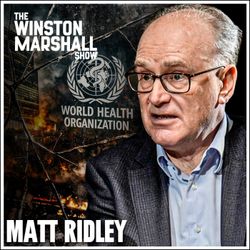
158. Matt Ridley - The COLLAPSE Of The Post-War Institutions
01:09:51||Season 1, Ep. 158In this episode of The Winston Marshall Show, I sit down with science writer Matt Ridley for a wide ranging conversation on the collapse of the post war consensus, the crisis of expertise, and the growing distrust in global institutions.We examine the failure of international organisations, from the WHO to the United Nations, and why the rules based order is now being challenged across the world. Ridley explains how technocratic systems, built after 1945, have become detached from reality, and why top down control has repeatedly failed to account for how complex systems actually work.The conversation explores the politicisation of science, from Covid origins to climate change, and how institutional incentives, funding pressures, and groupthink can distort the pursuit of truth. We discuss the suppression of debate, the lab leak theory, and the growing perception that scientific authority is being used to defend power rather than question it.We also debate Net Zero, energy policy, and why Britain’s economic stagnation is increasingly tied to high energy costs, overregulation, and political decision making that prioritises ideology over growth. Ridley outlines how innovation, markets, and technological breakthroughs are transforming the United States, and why the UK risks being left behind.A deep and challenging conversation about science, power, and whether the institutions that shaped the modern world are now losing the trust of the people they were built to serve.-----------------------------------------------------------------------------------------------------------------------To see more exclusive content and interviews consider subscribing to my substack here: https://www.winstonmarshall.co.uk/-----------------------------------------------------------------------------------------------------------------------FOLLOW ME ON SOCIAL MEDIA:Substack: https://www.winstonmarshall.co.uk/X: https://twitter.com/mrwinmarshallInsta: https://www.instagram.com/winstonmarshallLinktree: https://linktr.ee/winstonmarshall----------------------------------------------------------------------------------------------------------------------Chapters00:00 Introduction01:31 The Collapse of the Post-War Consensus03:01 The Rise of the “Expert Class” and Technocracy05:00 Bottom-Up vs Top-Down Systems Explained07:49 Covid Origins: The Lab Leak Cover-Up10:00 When Science Became Political11:09 Protecting Institutions Over Truth13:18 Climate Science and the Incentive to Exaggerate15:00 The WHO, China and the Failure of Accountability18:05 Why Covid Attribution Matters20:00 Biological Risk and the Failure of Global Oversight23:05 Bureaucracy, Incentives and Institutional Self-Preservation25:46 Net Zero and the Climate “Consensus”29:36 The Hockey Stick Scandal and Scientific Groupthink31:43 Why Dissent Is Shut Down in Science33:36 Climate as Religion and Moral Dogma37:02 The Threat to Enlightenment Values43:13 Are We Witnessing the End of the Enlightenment?48:06 Britain’s Economic Stagnation and Energy Crisis49:40 Why Energy Policy Determines Prosperity52:46 How Britain “Designed a Stupid Energy System”55:00 America’s Energy Revolution: Shale and Fracking56:59 The Nuclear Bottleneck and Regulatory Failure59:19 A New Era of Innovation and Growth1:01:21 Why Britain Is Falling Behind1:02:25 Overregulation and the Collapse of UK Industry1:04:10 What Would It Take to Fix Britain?1:07:10 Can Britain Recover or Face Long-Term Decline?1:08:09 Final Thoughts
More episodes
View all episodes
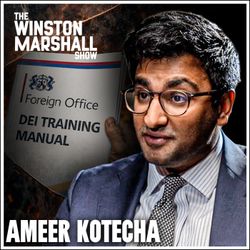
157. Government Insider - ‘The British Deep State Is Completely Woke’
01:04:35||Season 1, Ep. 157In this episode of The Winston Marshall Show, I sit down with former Foreign Office official Ameer Kotecha, who spent more than a decade inside the British government before walking away and speaking out about what he describes as the ideological capture of our institutions.After eleven years in the Foreign Office, Kotecha explains why he chose to leave, and why he believes a new political orthodoxy has taken hold across the civil service. He describes how diversity, equity, and inclusion policies, identity politics, and what critics call the “woke mind virus” have increasingly shaped the culture inside government departments.The conversation explores how internal training programmes, bureaucratic incentives, and institutional groupthink can influence policy-making, and why dissenting voices inside the system often feel unable to speak openly. We discuss the growing divide between political leadership and the permanent civil service, and whether the British state has become resistant to democratic change.We also debate the future of Britain’s institutions, the role of the civil service in a democracy, and whether meaningful reform is possible once an ideology becomes embedded inside government.A revealing conversation about power, bureaucracy, and what happens when political ideology begins to reshape the machinery of the state.-----------------------------------------------------------------------------------------------------------------------WATCH EXTENDED CONVERSATION HERE: https://www.winstonmarshall.co.uk/publish/post/191279464?r=18lfab&utm_campaign=post&utm_medium=web&showWelcomeOnShare=true-----------------------------------------------------------------------------------------------------------------------FOLLOW ME ON SOCIAL MEDIA:Substack: https://www.winstonmarshall.co.uk/X: https://twitter.com/mrwinmarshallInsta: https://www.instagram.com/winstonmarshallLinktree: https://linktr.ee/winstonmarshall----------------------------------------------------------------------------------------------------------------------Chapters 00:00 Introduction 02:25 Inside the Civil Service: Bureaucracy and “Corporate” Culture04:22 Kabul Falls — While Officials Celebrate “World Afro Day”06:47 The Rise of DEI and Identity Politics Inside the Foreign Office10:00 The Hidden Cost of Diversity Bureaucracy13:01 Ethnic Minority Programmes and Institutional Patronising15:00 Net Zero Ideology Inside British Foreign Policy18:28 The FCDO Merger and How Aid Reshaped the Foreign Office23:40 Global Aid vs “Britain First” Diplomacy27:44 Is There a Silent Majority in the Civil Service?30:36 The Civil Service “Blob” and Perverse Incentives34:06 Recruitment Without Expertise: How the System Works37:17 Why Foreign Office Experts Get Replaced Every Two Years38:55 Starmer Government Changes Inside the Foreign Office44:40 Britain, Israel and the Collapse of Diplomacy51:12 Aid to Gaza and the Risk of Hamas Diversion54:28 The Israeli Psyche After October 757:19 Russia, Ukraine and the Reality of British Military Power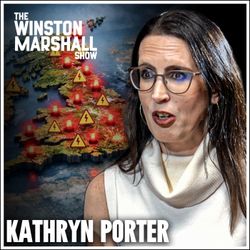
156. Kathryn Porter - ‘We Have Been Sold A LIE!’ The REAL cost of Net Zero They Won’t Admit
01:22:12||Season 1, Ep. 156In this episode of The Winston Marshall Show, I sit down with energy analyst and commentator Kathryn Porter for a wide-ranging conversation on Britain’s energy crisis, the true cost of Net Zero, and the growing risk of blackouts.We examine the rapid transformation of Britain’s energy system, the push towards renewables, and the unintended consequences of dismantling reliable baseload power. Porter explains why the UK grid has become increasingly fragile, why electricity prices remain among the highest in the developed world, and how energy policy is now colliding with economic reality.The conversation explores the technical limits of wind and solar, the challenges of storage and grid stability, and the risks created by over-reliance on intermittent power sources. We also discuss nuclear energy, gas, and the geopolitical pressures shaping energy markets, from supply shocks to global competition for resources.Finally, we debate the political incentives driving Net Zero policy, the widening gap between rhetoric and engineering reality, and whether Britain is sleepwalking into an energy crisis that could carry serious economic and social consequences.A hard-headed conversation about energy, economics, and whether Britain’s climate ambitions are colliding with the physical limits of the grid.-----------------------------------------------------------------------------------------------------------------------WATCH THE EXTENDED CONVERSATION HERE: https://open.substack.com/pub/winstonmarshall/p/the-dark-truth-utility-companies?r=18lfab&utm_campaign=post&utm_medium=web&showWelcomeOnShare=true-----------------------------------------------------------------------------------------------------------------------FOLLOW ME ON SOCIAL MEDIA:Substack: https://www.winstonmarshall.co.uk/X: https://twitter.com/mrwinmarshallInsta: https://www.instagram.com/winstonmarshallLinktree: https://linktr.ee/winstonmarshall----------------------------------------------------------------------------------------------------------------------Chapters00:00 Introduction 01:06 What Net Zero Actually Means02:50 Deindustrialisation and Offshoring Emissions05:00 Why Politicians Treat Net Zero as Dogma07:27 Are Renewables Really Cheap?10:48 Why Wind and Solar Need Gas Backup14:12 The Hidden Risks to the Power Grid17:30 Nuclear Power: The Energy Britain Should Be Building21:15 How Energy Policy Is Destroying UK Industry27:08 The Myth of Cheap Green Energy33:44 Blackouts, Rationing and Grid Fragility40:16 Why Britain Is Losing Energy Security48:06 Global Emissions vs Britain’s Tiny Contribution55:10 Why China and Others Aren’t Following Net Zero1:10:59 Electrification: Can the Grid Actually Cope?1:13:05 AI Data Centres and Future Electricity Demand1:15:00 Britain’s Ageing Gas Fleet and Closure Risk1:20:34 Final Reflections on Britain’s Energy Future
155. Matt Goodwin - ‘What I witnessed should shock everyone in Britain’ The alarming state of Britain’s democracy
01:05:08||Season 1, Ep. 155In this episode of The Winston Marshall Show, I sit down with political scientist, commentator, and by-election candidate Matt Goodwin for a wide-ranging conversation on immigration, political realignment, and the growing revolt against Britain’s political establishment.We begin with Goodwin’s decision to stand in the Gorton and Denton by-election, and what his candidacy reveals about the shifting mood of the country. We discuss why millions of voters feel ignored by Westminster, and how the rise of insurgent movements reflects a deeper crisis of trust in Britain’s political institutions.The conversation explores mass immigration, cultural change, and the widening divide between political elites and the electorate. Goodwin explains why traditional party loyalties are collapsing, why issues like borders, identity, and national sovereignty are reshaping British politics, and why establishment parties have struggled to respond.We also debate the future of the Conservative Party, the rise of Reform UK, and whether the British political system is prepared for a populist surge at the next general election.A serious conversation about democracy, immigration, and the political forces now reshaping Britain.Get Matt's new book HERE: https://www.waterstones.com/book/suicide-of-a-nation/matt-goodwin//9781919401409Or get the Limited Edition signed copies HERE: https://suicideofanation.myshopify.com/products/suicide-of-a-nation-----------------------------------------------------------------------------------------------------------------------WATCH EXTENDED CONVERSATION HERE: https://open.substack.com/pub/winstonmarshall/p/what-i-witnessed-should-shock-everyone?r=18lfab&utm_campaign=post&utm_medium=web&showWelcomeOnShare=true-----------------------------------------------------------------------------------------------------------------------FOLLOW ME ON SOCIAL MEDIA:Substack: https://www.winstonmarshall.co.uk/X: https://twitter.com/mrwinmarshallInsta: https://www.instagram.com/winstonmarshallLinktree: https://linktr.ee/winstonmarshall----------------------------------------------------------------------------------------------------------------------Chapters00:00 Introduction01:16 Matt Goodwin on the Gorton & Denton By-Election03:35 The Collapse of Britain’s Two-Party System04:14 Sectarian Campaigning and Mosque Politics06:36 Family Voting and Allegations of Electoral Corruption07:06 Postal Votes and the Risk of Coercion09:27 Clan Networks and Block Voting in British Politics12:01 The Democracy Volunteers Report Explained14:18 The Green Party’s Strategy in the By-Election16:11 Media Hypocrisy and Claims of Electoral Interference18:34 Labour, Clan Politics and the Grooming Gangs Scandal20:18 Commonwealth Voting and Calls for Electoral Reform23:02 Reform UK’s Strategy in the Red Wall26:05 Reform’s Coalition Beyond the White Working Class29:02 The Greens as a “Trojan Horse” for Sectarian Politics31:41 Reform’s Multi-Ethnic Support Base40:12 Demographic Change and the Future of Britain51:04 Immigration, Integration and the Case for Assimilation1:00:39 Could Britain Become Like Lebanon?1:03:44 Final Reflections on Britain’s Political Future
154. Air Marshal Edward Stringer - Britain’s Defence Crisis Is Worse Than You Think
01:18:47||Season 1, Ep. 154In this episode of The Winston Marshall Show, I sit down with Former Air Marshal Edward Stringer for a stark conversation about the state of Britain’s armed forces, and whether the country is prepared for modern war.We examine the shrinking size of the British military, the decline in combat readiness, and the strategic risks facing the United Kingdom in an increasingly unstable world. Stringer explains how decades of defence cuts, procurement failures, and political complacency have left Britain struggling to maintain credible military power.The conversation explores the future of the RAF, the importance of air superiority, and how modern warfare is being transformed by drones, missiles, cyber operations, and space-based intelligence. We discuss NATO, Britain’s role alongside the United States, and whether the West still has the industrial capacity to sustain high-intensity conflict.We also debate the political reluctance to confront growing global threats, from Russia and Iran to China, and whether Britain’s leaders fully grasp the consequences of allowing military capability to erode.A sobering conversation about defence, deterrence, and whether Britain still has the will and capacity to defend itself.Edward’s full report HERE: https://policyexchange.org.uk/publication/the-say-do-gaps-in-defence/-----------------------------------------------------------------------------------------------------------------------WATCH EXTENDED INTERVIEW HERE: https://www.winstonmarshall.co.uk/-----------------------------------------------------------------------------------------------------------------------FOLLOW ME ON SOCIAL MEDIA:Substack: https://www.winstonmarshall.co.uk/X: https://twitter.com/mrwinmarshallInsta: https://www.instagram.com/winstonmarshallLinktree: https://linktr.ee/winstonmarshall----------------------------------------------------------------------------------------------------------------------Chapters00:00 Introduction01:23 Cyprus Attack and Britain’s Military Readiness03:06 Why Britain’s Military Is in “Managed Decline”06:51 The Shrinking Royal Navy Fleet11:06 Britain vs Israel: Why Spending Doesn’t Equal Strength12:02 The Reality of Britain’s Army, Navy and RAF15:00 Procurement Failures and the Ajax Scandal17:49 Britain’s “Bonsai Military” Problem21:49 Britain’s Artillery Crisis and Weapon Shortages22:27 Drone Warfare and the Lessons from Ukraine26:51 Britain’s Manufacturing and Industrial Weakness30:56 The Economics of Modern Warfare31:24 Britain’s Missing Air Defence Systems32:30 How Europe Relied on America for Defence37:49 Russia, China and the New War of Production41:50 The State of Britain’s Submarine Fleet47:00 Could Britain Sustain a Real War?52:00 Finland, Israel and What Real Defence Readiness Looks Like58:40 Why Britain Can’t Defend Multiple Commitments
153. Allister Heath - How The Iran War Will Impact You
57:43||Season 1, Ep. 153In this episode of The Winston Marshall Show, I sit down with journalist and commentator Allister Heath for a wide-ranging conversation on the Iran war, oil markets, and the economic shockwaves now hitting the global economy.We begin with the sudden surge in oil prices following the conflict with Iran, and examine why the Strait of Hormuz has become the most dangerous economic chokepoint in the world. Heath explains how disruptions to shipping lanes, energy markets, and supply chains could rapidly drive inflation higher, push up energy bills, and place enormous pressure on Western economies.The conversation explores how war in the Middle East affects ordinary households, from petrol prices to food costs, and why energy shocks have historically triggered recessions. We discuss the fragility of the global financial system, the volatility of oil markets, and why geopolitical conflict can cascade quickly into economic crisis.We also debate Britain’s economic resilience, the policy failures that have left Western countries exposed to energy shocks, and whether governments are prepared for the consequences of prolonged instability in the Middle East.A sobering and wide-ranging discussion about war, energy, markets, and how geopolitical conflict can rapidly reshape the global economy.-----------------------------------------------------------------------------------------------------------------------Watch the ad-free and extended conversation here: https://open.substack.com/pub/winstonmarshall/p/the-real-danger-is-economic-could?r=18lfab&utm_campaign=post&utm_medium=web&showWelcomeOnShare=true----------------------------------------------------------------------------------------------------------------------Chapters 00:00 Introduction02:06 Why Iran Targeted the Strait of Hormuz05:04 Energy Wars and the Cost of Conflict07:00 Russia, China and the Global Oil Market09:15 Can the US Reopen the Strait of Hormuz?12:56 Drones, Mines and Iran’s Asymmetric Strategy14:07 America’s Military Supply Chain Problem16:39 Britain’s Military Weakness Exposed19:05 Britain’s Long-Term Economic Decline21:47 What Victory Over Iran Actually Looks Like26:54 Boots on the Ground vs Special Forces28:23 The Economic War: Sanctions and Global Pressure31:09 China’s Role in Supporting Iran33:55 The Coming Oil Shock for Britain and Europe36:39 Debt Markets, Mortgages and the Risk to the UK Economy40:22 Why America Is More Protected Than Europe44:42 Could the War Trigger a Recession?49:12 AI, Markets and the Risk of a Financial Crisis52:26 Britain’s Welfare State and the Road to Decline
152. Haviv Rettig Gur - The Secret Plan Behind Trump’s Iran War
01:05:58||Season 1, Ep. 152In this episode of The Winston Marshall Show, I sit down with Israeli journalist and geopolitical analyst Haviv Rettig Gur to unpack the deeper forces behind the Iran war, the growing confrontation between the United States and China, and the shifting alliances across the Middle East.We begin by addressing a claim circulating in American politics: that Israel “dragged” the United States into the conflict with Iran. Haviv explains why that narrative misunderstands the strategic reality, arguing that Iran had become a key component of China’s long-term geopolitical strategy against American power.Our conversation explores how Iranian negotiations over its nuclear programme may have been used to buy time while missile capabilities and military infrastructure were expanded underground with Chinese assistance. We examine the intelligence operation that allegedly led to the attempted strike on Ali Khamenei, the strategic timing of American forces entering the region, and why the conflict escalated when it did.From there, we widen the lens to the global chessboard: China’s dependence on Middle Eastern oil, the strategic importance of the Strait of Hormuz, and how Iran’s partnership with Beijing may have given China leverage over global energy routes in the event of a confrontation over Taiwan.We also examine the unexpected alignment emerging across the Arab world, where several Gulf states increasingly view Iran as a destabilising revolutionary power rather than a partner against Israel. The discussion turns to what the Middle East might look like if the Iranian regime weakens or collapses, and whether regional power could shift toward countries like Turkey or Saudi Arabia.Finally, we discuss the role of international law, the limits of global institutions, and whether the world is entering a new era of great-power politics defined less by legal frameworks and more by raw strategic power.A wide-ranging conversation about war, geopolitics, and the emerging global order.-----------------------------------------------------------------------------------------------------------------------WATCH THE EXTENDED CONVERSATION HERE: https://open.substack.com/pub/winstonmarshall/p/the-secret-plan-behind-trumps-iran?r=18lfab&utm_campaign=post&utm_medium=web&showWelcomeOnShare=true-----------------------------------------------------------------------------------------------------------------------FOLLOW ME ON SOCIAL MEDIA:Substack: https://www.winstonmarshall.co.uk/X: https://twitter.com/mrwinmarshallInsta: https://www.instagram.com/winstonmarshallLinktree: https://linktr.ee/winstonmarshall----------------------------------------------------------------------------------------------------------------------Chapters00:00 Introduction01:51 The “America First” Conservative Split on Israel05:00 Why This War Is Bigger Than Israel06:25 Iran as a Strategic Asset for China07:32 How the War Actually Began09:18 The Strike on Khamenei and the Start of the War11:10 Why Iran Was Never Negotiating in Good Faith13:09 Iran’s Nuclear Program: Weapons, Not Energy15:00 How Obama’s Deal Changed Iran’s Calculus18:16 The Lessons of the 12-Day War20:08 Why This Is America’s War Too23:18 The China–Iran Strategic Alliance25:39 Oil, Sea Lanes and Global Power27:30 Why Iran Became a Target in America’s China Strategy34:15 China, Trade Routes and Global Hegemony37:11 The Arab World’s Quiet Alignment Against Iran43:09 Who Fills the Power Vacuum if Iran Falls?48:57 The West, China and the Future Global Order54:12 Is International Law a Mirage?