Share
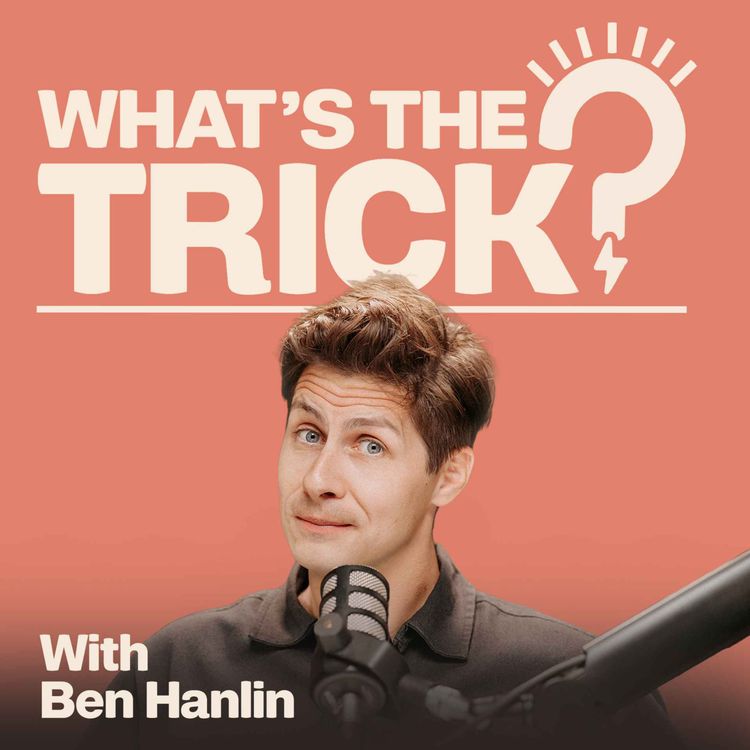
What's The Trick?
Matt Edmondson: How to Create a Global Board Game
Season 1, Ep. 5
•
Have you ever wondered how to create a global board game?
Ben Hanlin is joined by radio presenter and board game creator Matt Edmondson, discussing the tricks to becoming a successful board game creator.
He discusses the creative process behind developing board games, the importance of collaboration, the challenges of launching a game, and the excitement of expanding into global markets.
Matt also delves into the importance of format in creativity and the joy of pursuing diverse interests.
More episodes
View all episodes
37. Rob Law (Trunki): How a Dragons Den Failure made Millions
55:36||Season 1, Ep. 37Dragon’s Den told Rob Law his business was worthless. What happened next turned Trunki into a global success story.Ben Hanlin sits down with Trunki creator Rob Law to uncover how a university design idea became a product sold around the world, what really happened after his infamous Dragon’s Den rejection, and why the public response changed everything.Rob also breaks down how to take a product from idea to market, why rejection doesn’t always mean you have a bad idea, the importance of listening to customers, and how he’s applying everything he learned from Trunki to his next business.This episode is for:- Creatives (writers, performers, content creators)- Business owners and entrepreneurs- Speakers and presenters- Anyone looking to improve communication and idea generation---About Ben Hanlin:Ben is a magician, presenter, and keynote speaker who helps companies create engagement, connection, and memorable experiences. He hosts corporate events and interviews world-class creatives on this podcast.About the podcast:"What’s The Trick?" explores how creative people think, create, and turn ideas into reality.Topics covered include creativity, communication, storytelling, content creation, performance, and building creative careers.🎧 Listen / Watch:YouTube: https://www.youtube.com/@BenHanlinApple Podcasts: https://linktr.ee/benhanlinSpotify: https://linktr.ee/benhanlin📩 Work with Ben:https://www.benhanlin.com/---FOLLOW BEN:YouTube: https://www.youtube.com/channel/UCM0oXTRP-zWlJ_IiNykTLagInstagram: http://instagram.com/benhanlinFacebook: https://www.facebook.com/benhanlinTikTok: https://www.tiktok.com/@benhanlin---Check out http://www.zeepy.co/ Podcast - Zeepy Sleep: Calming Bedtime Stories for Kidshttps://podcasts.apple.com/us/podcast/zeepy-sleep-calming-bedtime-stories-for-kids/id1732709328Zeepy appMore calming audio for each phase of the bedtime routine:https://apps.apple.com/gb/app/zeepy-bedtime-sleep-routine/id6763519115Our Zeepy Bedtime Clock is also now available at John Lewis, Currys and Amazon.How do creative people turn ideas into reality?Ben Hanlin breaks down the mindset, process, and decisions behind it.36. Simon Painter: How a Violinist Created Now You See Me Live
01:03:08||Season 1, Ep. 36Simon Painter went from an unemployed classical violinist to creating and producing some of the biggest live entertainment shows in the world, including The Illusionists and Now You See Me Live.He joins Ben Hanlin to reveal how he built a global theatre career, sold 42,000 tickets at the Sydney Opera House in just eight days, why he creates the poster before the show, the disastrous opening night of The Illusionists, and the lessons he’s learned about risk, creativity and giving audiences what they actually want.This episode is for:- Creatives (writers, performers, content creators)- Business owners and entrepreneurs- Speakers and presenters- Anyone looking to improve communication and idea generation---About Ben Hanlin:Ben is a magician, presenter, and keynote speaker who helps companies create engagement, connection, and memorable experiences. He hosts corporate events and interviews world-class creatives on this podcast.About the podcast:"What’s The Trick?" explores how creative people think, create, and turn ideas into reality.Topics covered include creativity, communication, storytelling, content creation, performance, and building creative careers.🎧 Listen / Watch:YouTube: https://www.youtube.com/@BenHanlinApple Podcasts: https://linktr.ee/benhanlinSpotify: https://linktr.ee/benhanlin📩 Work with Ben:https://www.benhanlin.com/---FOLLOW BEN:YouTube: https://www.youtube.com/channel/UCM0oXTRP-zWlJ_IiNykTLagInstagram: http://instagram.com/benhanlinFacebook: https://www.facebook.com/benhanlinTikTok: https://www.tiktok.com/@benhanlinCheck out Now You See Me Live: https://londoncoliseum.org/events/now-you-see-me-live/How do creative people turn ideas into reality?Ben Hanlin breaks down the mindset, process, and decisions behind it.35. Summer Special #5
36:03||Season 1, Ep. 35The Summer Social 5 brings together highlights from three incredible guests: America’s Got Talent winner Paul Zerdin, Mischief Theatre co-founder Henry Lewis and The Simpsons & The Office writer Brant Forrester. Discover the stories, creative processes and career lessons behind three of the biggest names in comedy and entertainment.This episode is for:- Creatives (writers, performers, content creators)- Business owners and entrepreneurs- Speakers and presenters- Anyone looking to improve communication and idea generationAbout Ben Hanlin:Ben is a magician, presenter, and keynote speaker who helps companies create engagement, connection, and memorable experiences. He hosts corporate events and interviews world-class creatives on this podcast.About the podcast:"What’s The Trick?" explores how creative people think, create, and turn ideas into reality.Topics covered include creativity, communication, storytelling, content creation, performance, and building creative careers.🎧 Listen / Watch:YouTube: https://www.youtube.com/@BenHanlinApple Podcasts: https://linktr.ee/benhanlinSpotify: https://linktr.ee/benhanlin📩 Work with Ben:https://www.benhanlin.com/---FOLLOW BEN:YouTube: https://www.youtube.com/channel/UCM0oXTRP-zWlJ_IiNykTLagInstagram: http://instagram.com/benhanlinFacebook: https://www.facebook.com/benhanlinTikTok: https://www.tiktok.com/@benhanlinHow do creative people turn ideas into reality?Ben Hanlin breaks down the mindset, process, and decisions behind it.34. Summer Special #4
29:02||Season 1, Ep. 34Join Ben Hanlin for a special episode of What’s the Trick? as he looks back over the first 30 episodes and revisits three of his personal highlights. Featuring Andy Nyman on creativity and performance, Callie Hart on self-publishing and the power of BookTok, and Dominic McGregor on building Social Chain and understanding what makes content go viral.This episode is for:- Creatives (writers, performers, content creators)- Business owners and entrepreneurs- Speakers and presenters- Anyone looking to improve communication and idea generationAbout Ben Hanlin:Ben is a magician, presenter, and keynote speaker who helps companies create engagement, connection, and memorable experiences. He hosts corporate events and interviews world-class creatives on this podcast.33. Summer Special #3
25:04||Season 1, Ep. 33Join Ben for his summer specials series of What’s the Trick? as he looks back on the first 30 conversations. We explore three more of his personal highlights and the unforgettable insights from some of the show’s most inspiring guests.This episode is for:- Creatives (writers, performers, content creators)- Business owners and entrepreneurs- Speakers and presenters- Anyone looking to improve communication and idea generationAbout Ben Hanlin:Ben is a magician, presenter, and keynote speaker who helps companies create engagement, connection, and memorable experiences. He hosts corporate events and interviews world-class creatives on this podcast.About the podcast:"What’s The Trick?" explores how creative people think, create, and turn ideas into reality.Topics covered include creativity, communication, storytelling, content creation, performance, and building creative careers.🎧 Listen / Watch:YouTube: https://www.youtube.com/@BenHanlinApple Podcasts: https://linktr.ee/benhanlinSpotify: https://linktr.ee/benhanlin📩 Work with Ben:https://www.benhanlin.com/---FOLLOW BEN:YouTube: https://www.youtube.com/channel/UCM0oXTRP-zWlJ_IiNykTLagInstagram: http://instagram.com/benhanlinFacebook: https://www.facebook.com/benhanlinTikTok: https://www.tiktok.com/@benhanlinHow do creative people turn ideas into reality?Ben Hanlin breaks down the mindset, process, and decisions behind it.32. Summer Special #2
29:14||Season 1, Ep. 32Ben is back for the summer specials of What’s the Trick? as he looks back on the first 30 conversations. Revisit three more of his personal highlights and the unforgettable insights shared by some of the show’s most inspiring guests.This episode is for:- Creatives (writers, performers, content creators)- Business owners and entrepreneurs- Speakers and presenters- Anyone looking to improve communication and idea generationAbout Ben Hanlin:Ben is a magician, presenter, and keynote speaker who helps companies create engagement, connection, and memorable experiences. He hosts corporate events and interviews world-class creatives on this podcast.About the podcast:"What’s The Trick?" explores how creative people think, create, and turn ideas into reality.Topics covered include creativity, communication, storytelling, content creation, performance, and building creative careers.🎧 Listen / Watch:YouTube: https://www.youtube.com/@BenHanlinApple Podcasts: https://linktr.ee/benhanlinSpotify: https://linktr.ee/benhanlin📩 Work with Ben:https://www.benhanlin.com/---FOLLOW BEN:YouTube: https://www.youtube.com/channel/UCM0oXTRP-zWlJ_IiNykTLagInstagram: http://instagram.com/benhanlinFacebook: https://www.facebook.com/benhanlinTikTok: https://www.tiktok.com/@benhanlinHow do creative people turn ideas into reality?Ben Hanlin breaks down the mindset, process, and decisions behind it.31. Summer Special #1
33:34||Season 1, Ep. 31Join Ben Hanlin for a special episode of What’s the Trick? as he looks back on the first 30 conversations. Revisit three of his personal highlights and the unforgettable insights shared by some of the show’s most inspiring guests.This episode is for:- Creatives (writers, performers, content creators)- Business owners and entrepreneurs- Speakers and presenters- Anyone looking to improve communication and idea generationAbout Ben Hanlin:Ben is a magician, presenter, and keynote speaker who helps companies create engagement, connection, and memorable experiences. He hosts corporate events and interviews world-class creatives on this podcast.About the podcast:"What’s The Trick?" explores how creative people think, create, and turn ideas into reality.Topics covered include creativity, communication, storytelling, content creation, performance, and building creative careers.🎧 Listen / Watch:YouTube: https://www.youtube.com/@BenHanlinApple Podcasts: https://linktr.ee/benhanlinSpotify: https://linktr.ee/benhanlin📩 Work with Ben:https://www.benhanlin.com/---FOLLOW BEN:YouTube: https://www.youtube.com/channel/UCM0oXTRP-zWlJ_IiNykTLagInstagram: http://instagram.com/benhanlinFacebook: https://www.facebook.com/benhanlinTikTok: https://www.tiktok.com/@benhanlinHow do creative people turn ideas into reality?Ben Hanlin breaks down the mindset, process, and decisions behind it.30. Cally Beaton: From MTV Exec to Stand-up Comedian
01:04:27||Season 1, Ep. 30How a dinner with Joan Rivers led to Cally quitting her big boardroom job and pursuing her passion as a standup comedian, as a single Mum in late forties.She reveals the mindset behind taking big risks, the lessons she learned from turning down South Park, and why being willing to fail is the key to building a more fulfilling creative life.We also cover how to write comedy - how to get a book deal - and how to then write it!It’s such an honest conversation and really inspiring for anyone who wants to take a leap and go for it!This episode is for:- Creatives (writers, performers, content creators)- Business owners and entrepreneurs- Speakers and presenters- Anyone looking to improve communication and idea generationAbout Ben Hanlin:Ben is a magician, presenter, and keynote speaker who helps companies create engagement, connection, and memorable experiences. He hosts corporate events and interviews world-class creatives on this podcast.About the podcast:"What’s The Trick?" explores how creative people think, create, and turn ideas into reality.Topics covered include creativity, communication, storytelling, content creation, performance, and building creative careers.🎧 Listen / Watch:YouTube: https://www.youtube.com/@BenHanlinApple Podcasts: https://linktr.ee/benhanlinSpotify: https://linktr.ee/benhanlin📩 Work with Ben:https://www.benhanlin.com/---FOLLOW BEN:YouTube: https://www.youtube.com/channel/UCM0oXTRP-zWlJ_IiNykTLagInstagram: http://instagram.com/benhanlinFacebook: https://www.facebook.com/benhanlinTikTok: https://www.tiktok.com/@benhanlin---🎤 FOLLOW CALLY:Instagram: https://www.instagram.com/callybeatoncomedianWebsite: https://callybeaton.com/How do creative people turn ideas into reality?Ben Hanlin breaks down the mindset, process, and decisions behind it.29. Brian Conley: How He Became Saturday Night TV’s Biggest Star
55:18||Season 1, Ep. 29Brian Conley reveals how he went from performing in clubs and warming up television audiences to becoming one of Britain’s biggest Saturday night entertainers, regularly reaching 15 million viewers. He shares the lessons behind his longevity, including how to handle nerves, make every opportunity count, reinvent your career and truly connect with a live audience.If you want to being a long lasting career in television, this episode breaks down what actually works.This episode is for:- Creatives (writers, performers, content creators)- Business owners and entrepreneurs- Speakers and presenters- Anyone looking to improve communication and idea generation---About Ben Hanlin:Ben is a magician, presenter, and keynote speaker who helps companies create engagement, connection, and memorable experiences. He hosts corporate events and interviews world-class creatives on this podcast.About the podcast:"What’s The Trick?" explores how creative people think, create, and turn ideas into reality.Topics covered include creativity, communication, storytelling, content creation, performance, and building creative careers.🎧 Listen / Watch:YouTube: https://www.youtube.com/@BenHanlinApple Podcasts: https://linktr.ee/benhanlinSpotify: https://linktr.ee/benhanlin📩 Work with Ben:https://www.benhanlin.com/---FOLLOW BEN:YouTube: https://www.youtube.com/channel/UCM0oXTRP-zWlJ_IiNykTLagInstagram: http://instagram.com/benhanlinFacebook: https://www.facebook.com/benhanlinTikTok: https://www.tiktok.com/@benhanlin---🎤 FOLLOW BRIAN:Instagram: https://www.instagram.com/realbrianconley/---How do creative people turn ideas into reality?Ben Hanlin breaks down the mindset, process, and decisions behind it.