Share
What’s the DEIL?
Beyond Bubble Baths: Real Wellness Strategies for Real-World Employees
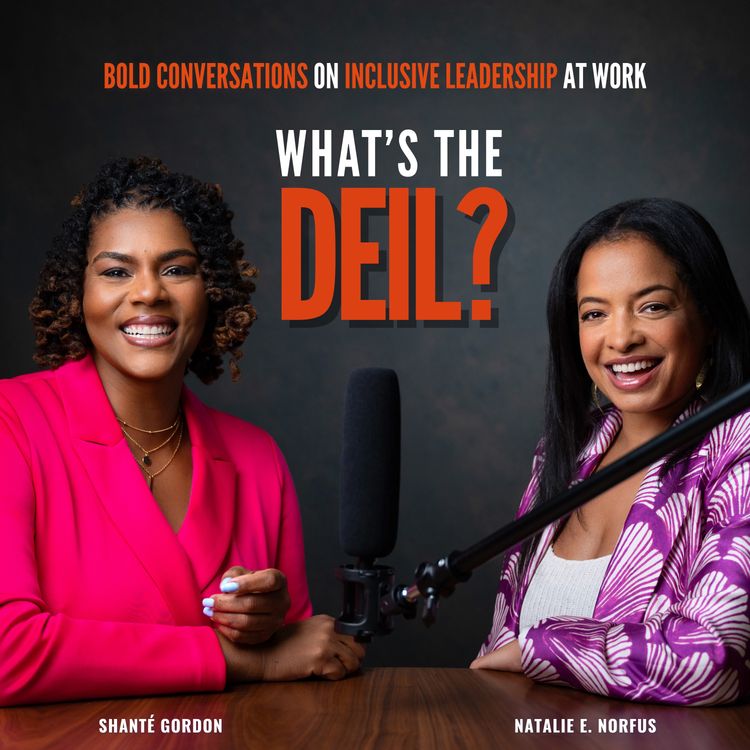
In this episode, Natalie and Shanté take a hard look at what wellness in the workplace really means in 2025. Spoiler: it’s not bubble baths, yoga sessions, or sporadic wellness emails. It’s about addressing the real stressors employees face daily and rethinking what effective workplace wellness looks like — beyond surface-level perks.
Episode Highlights:
Wellness Fatigue is Real: Employers rushed to implement wellness programs post-2020, but many initiatives felt like one-off tactics rather than part of a meaningful strategy. Yoga sessions and mobile barbers are great, but are they actually meeting employee needs? Natalie and Shanté break down why so many wellness programs missed the mark.
35% Productivity Drop from Chronic Stress: Shanté shares a striking stat: workers dealing with chronic stress or trauma can experience up to a 35% decrease in productivity. In today’s world of non-stop news cycles, layoffs, and global uncertainty, understanding the link between wellbeing and performance is non-negotiable.
The Employer’s Real Role in Employee Wellbeing: Let’s be clear: employers are not responsible for fixing every employee’s life. But they are responsible for creating psychologically safe workplaces and realistic workloads. If people feel overwhelmed, unsupported, or uncertain about expectations, productivity and morale will plummet.
Stop Playing Wellness Darts: Throwing random perks at employees and hoping they stick is not a strategy. Wellness needs to be operationalized and integrated into the flow of work itself — not treated as an add-on or afterthought.
Key Takeaways:
- Focus your wellness strategy on what employees need to be well at work, not outside of it.
- Prioritize psychological safety and manageable workloads as your main contributions to employee wellbeing.
- Be honest and transparent about workplace realities. Trust is foundational.
- Check in with your people regularly and act on their feedback — not just for engagement scores, but for real improvement.
- Skip the fluff and build meaningful, sustainable practices reflecting your workplace culture.
Favorite Quote of the Episode:
“If you don’t consider people’s humanity, we’ll keep getting headlines of people getting laid off. And if you think your people aren’t enough to drive your business goals, you’ve already lost.” — Natalie Norfus
Follow & Connect with us:
- Follow Natalie Norfus on LinkedIn: https://www.linkedin.com/in/natalienorfus/.
- Follow Shante Gordon on LinkedIn: https://www.linkedin.com/in/shantegordon/.
- Book a consultation with The Norfus Firm: https://thenorfusfirm.com/.
- Follow What’s the DEIL on Instagram: https://www.instagram.com/whatsthedeil/.
- Follow What’s the DEIL on TikTok: https://www.tiktok.com/@whatsthedeil.
If you enjoyed this episode, don’t forget to subscribe, rate, and leave a review!
More episodes
View all episodes
How Bias Sneaks Into Workplaces (And What To Do About It)
29:41|Bias happens everywhere, especially at work. And often, it shows up long before anyone realizes there’s a problem.In this episode of What’s the DEIL?, Shanté and Natalie dig into how bias, particularly unconscious or implicit bias, quietly shapes the workplace experience. Whether it’s small assumptions about who takes notes in meetings, who gets certain assignments, or how people’s communication styles are perceived, these “little” moments can snowball into big workplace issues, complaints, and even legal risk.Here’s What You’ll Learn in This Episode:✔️ What bias really is (hint: everyone has it—yes, even you)✔️ The difference between conscious and unconscious bias✔️ Why our brains build shortcuts and how they can reinforce stereotypes✔️ How everyday behaviors, like questioning someone’s expertise or making assumptions based on appearance, can erode trust and fuel resentment✔️ Real-life examples from investigations where unchecked bias created workplace conflict✔️ The connection between mindfulness and inclusive leadership✔️ Why curiosity (not defensiveness) is the antidote to bias✔️ Simple, practical steps for leaders to disrupt bias before it leads to complaints or deeper organizational issuesWorkplace Bias: More Than Just Hurt FeelingsBias isn’t always about blatant discrimination; it often shows up as:Who gets visible, high-value projectsHow feedback is given (and to whom)Who feels included versus who feels otheredLeft unchecked, these moments chip away at morale, damage psychological safety, and, in some cases, open the door to formal complaints or investigations.The Leadership Wake-Up CallThe hosts break down how mindful leaders can spot bias patterns early by:✔️ Paying attention to who speaks, who gets overlooked, and who takes on invisible labor✔️ Switching up routines to ensure equity in meetings and assignments✔️ Avoiding lazy connections based on personal identity—build rapport in meaningful waysThe Bottom Line?Bias is normal, but ignoring it is where workplaces fall apart. Leaders can’t afford to operate on autopilot. It takes self-awareness, curiosity, and intentional action to prevent small biases from becoming big problems. Whether you’re a new manager, seasoned executive, or DEI champion, this episode offers practical tools to create a more inclusive, equitable workplace before it escalates to formal complaints or investigations.Follow & Connect with us:Follow Natalie Norfus on LinkedIn: https://www.linkedin.com/in/natalienorfus/. Follow Shante Gordon on LinkedIn: https://www.linkedin.com/in/shantegordon/. We’ve led hundreds of audits, assessments, and people strategy engagements, and we’d love to help your organization. Book a consultation with The Norfus Firm: https://thenorfusfirm.com/. Follow What’s the DEIL on Instagram: https://www.instagram.com/whatsthedeil/. Follow What’s the DEIL on TikTok: https://www.tiktok.com/@whatsthedeil. If you enjoyed this episode, don’t forget to subscribe, rate, and leave a review!Why a Neutral, Trauma-Informed Investigator Can Save Your Workplace
29:24|In this episode of What’s the DEIL?, Shanté and Natalie explore the often-overlooked aspects of internal investigations, highlighting why a neutral, trauma-informed third party can significantly impact the process, particularly in cases involving workplace culture, conflict, or DEI concerns.Employee complaints are rarely as simple as they seem on the surface. Behind every formal investigation is often a tangled web of long-standing frustrations, cultural tensions, and unresolved bias. And yet, too many organizations fumble by either keeping investigations in-house when they shouldn’t or by bringing in external investigators who don’t have the skills or sensitivity to navigate complex people dynamics.Natalie breaks down exactly when leaders should call in outside support, the risks of mishandling investigations, and why neutrality isn’t just about legal compliance; it’s about trust, safety, and protecting your culture. You’ll also hear how trauma-informed approaches can reduce harm, improve participation, and ultimately lead to better outcomes for everyone involved.What You’ll Learn in This Episode:✔️ When to keep an investigation internal and when to bring in a neutral third party✔️ The biggest red flags in workplace complaints that signal it’s time for outside help✔️ How bias, culture, and leadership dynamics complicate modern investigations✔️ Why trauma-informed approaches are essential for fair, respectful processes✔️ The link between sloppy investigations and employee distrust, turnover, lawsuits, or social media blow-ups✔️ How proper investigations can actually improve your workplace culture long-termWhether you’re an HR leader, executive, DEI practitioner, or people manager, this episode offers real-world insight into getting investigations right before your culture, reputation, or bottom line pay the price.Key Topics:How investigations intersect with workplace culture and DEICommon investigation missteps that lead to bigger problemsWhat neutrality really looks like in practiceHow trauma, identity, and bias show up in complaintsBuilding trust through transparent, fair investigation processesThe business case for proactive culture assessments before issues escalateNeed Help with Workplace Culture or Internal Investigations?The Norfus Firm supports organizations through high-stakes investigations, DEI strategy, and culture audits. Whether you’re in crisis or building preventative systems, our trauma-informed, legally sound approach can help. Reach out to learn more.Follow & Connect with us:Follow Natalie Norfus on LinkedIn: https://www.linkedin.com/in/natalienorfus/. Follow Shante Gordon on LinkedIn: https://www.linkedin.com/in/shantegordon/. We’ve led hundreds of audits, assessments, and people strategy engagements, and we’d love to help your organization. Book a consultation with The Norfus Firm: https://thenorfusfirm.com/. Follow What’s the DEIL on Instagram: https://www.instagram.com/whatsthedeil/. Follow What’s the DEIL on TikTok: https://www.tiktok.com/@whatsthedeil. If you enjoyed this episode, don’t forget to subscribe, rate, and leave a review!Culture Isn’t Just a Buzzword; It’s an Investigation Trigger
28:59|In this episode of What’s the DEIL?, Shanté and Natalie dig into the real reason culture can’t just live on your company’s “About Us” page.Yes, “culture” is often used as a feel-good concept. But when conflict erupts, or worse, formal complaints arise, what’s beneath the surface usually reveals a pattern, not a one-time issue. And that pattern? It’s shaped by culture.From favoritism to retaliation to unchecked leadership behaviors, the hosts explore how your day-to-day practices, or lack thereof, are either reinforcing accountability or brewing your next workplace investigation.In this episode, you’ll learn:Why most formal workplace complaints aren’t about just one thingHow perceived favoritism, bias, and leader friendships lead to culture decayWhy investigations can’t fix culture, but audits can prevent investigationsWhat retaliation looks like (and how to avoid the legal and ethical fallout)How leaders signal what’s “okay” through their everyday choices and why that matters more than your official policyWhy a culture audit is proactive, not performative, and how it saves money, time, and moraleWhether you lead a team or guide organizational strategy, this episode is a wake-up call: if you’re not looking at how your culture actually works, you’re probably not leading as well as you think.Follow & Connect with us:Follow Natalie Norfus on LinkedIn: https://www.linkedin.com/in/natalienorfus/. Follow Shante Gordon on LinkedIn: https://www.linkedin.com/in/shantegordon/. We’ve led hundreds of audits, assessments, and people strategy engagements, and we’d love to help your organization. Book a consultation with The Norfus Firm: https://thenorfusfirm.com/. Follow What’s the DEIL on Instagram: https://www.instagram.com/whatsthedeil/. Follow What’s the DEIL on TikTok: https://www.tiktok.com/@whatsthedeil. If you enjoyed this episode, don’t forget to subscribe, rate, and leave a review!Leadership in the Middle: Coaching for Culture Keepers
18:14|Middle managers are the unsung heroes of the modern workplace. They’re the bridge between vision and execution, strategy and people, senior leadership and front-line teams. But they’re also the most overlooked when it comes to meaningful development and support. In this episode of What’s the DEIL? Shanté and Natalie delve into why middle managers are the culture keepers and why investing in them is crucial to an organization's health, retention, and long-term performance.From the unique challenges middle managers face to the pressure they absorb from both directions, we explore the importance of coaching, training, and development in making these roles sustainable. We also offer practical solutions, scalable coaching models, and a call for HR and executive leaders to stop thrusting people into leadership without providing them with the tools to succeed.What You’ll Learn in This Episode:Why middle managers are the “pressure cookers” of your organizationHow senior leaders often misunderstand the lived experience of mid-level leadershipWhat happens when you promote people into management without equipping themHow coaching (not just training) is the key to unlocking leadership at scaleThe ROI of supporting middle managers, not just in morale, but in outcomesWhy culture assessments should include a deep look at manager feedbackTools like Cloverleaf that scale coaching organization-wideThe difference between leadership theory and actual day-to-day executionKey Takeaways:Middle managers carry more than task lists; they carry culture. And if they don’t feel supported or trained, you’ll feel it in engagement, productivity, and turnover.Leadership development can’t be a one-time workshop. It must be continuous, embedded, and responsive to the evolving demands of the workplace.Coaching is scalable. From one-on-one executive support to digital tools and group coaching sessions, there are ways to bring coaching into every level of the business.Stop confusing technical excellence with managerial readiness. Just because someone is great at their job doesn’t mean they know how to lead people. Invest in that transition.Avoid the “nasty nice” culture. If people aren’t telling the truth or sharing challenges, your culture will never grow and your middle managers will drown silently.Follow & Connect with us:Follow Natalie Norfus on LinkedIn: https://www.linkedin.com/in/natalienorfus/. Follow Shante Gordon on LinkedIn: https://www.linkedin.com/in/shantegordon/. We’ve led hundreds of audits, assessments, and people strategy engagements and we’d love to help your organization. Book a consultation with The Norfus Firm: https://thenorfusfirm.com/. Follow What’s the DEIL on Instagram: https://www.instagram.com/whatsthedeil/. Follow What’s the DEIL on TikTok: https://www.tiktok.com/@whatsthedeil. If you enjoyed this episode, don’t forget to subscribe, rate, and leave a review!Preventing Conflict Before It Starts
26:42|Preventing Conflict Before It StartsConflict at work isn’t the enemy—avoiding it is.In this episode of What’s the DEIL?, Shanté and Natalie tackle one of the most misunderstood dynamics in leadership and workplace culture: conflict. Not the explosive kind we all dread but the slow-simmering tension that starts with a side-eye in a Slack message or a disengaged team member and ends in resignation letters, HR investigations, or boardroom complaints.This conversation challenges the notion that all conflict is inherently bad and instead reframes it as inevitable and manageable if identified and addressed early. The goal? Spot issues before they erupt and build a workplace where healthy disagreement drives performance, not dysfunction.What You’ll Learn:Why conflict isn’t inherently negative and how judgment makes it worseWhat it really costs your organization when conflict is left unchecked (hint: it’s more than money)The early warning signs that tension is brewing under the surfaceWhy disengagement is a red flag, not just a phaseSelf-awareness is the leadership skill that unlocks conflict preventionWhat toxic management styles actually do to workplace culture (with real examples)Practical tools for inclusive leaders to lead and lean into conflict before it’s too lateThe underrated power of community agreements like “assume good intent”This episode also explores what happens when leaders aren’t equipped to manage feedback and how their blind spots create ripple effects across an entire team. If your people don’t feel safe speaking up, your culture is already in trouble, and you might be the last to know.Related Topics:Psychological safety and its absence in the workplaceWhy “I’m just direct” isn’t a leadership strategyHow to spot disengagement before it turns into attritionWhat inclusive leadership actually looks like in tense momentsWhether you’re an HR leader, executive, team manager, or just trying to navigate tough work dynamics, this episode will challenge you to stop seeing conflict as a fire to put out and instead as a signal to lead better.Follow & Connect with us:Follow Natalie Norfus on LinkedIn: https://www.linkedin.com/in/natalienorfus/. Follow Shante Gordon on LinkedIn: https://www.linkedin.com/in/shantegordon/. We’ve led hundreds of audits, assessments, and people strategy engagements, and we’d love to help your organization. Book a consultation with The Norfus Firm: https://thenorfusfirm.com/. Follow What’s the DEIL on Instagram: https://www.instagram.com/whatsthedeil/. Follow What’s the DEIL on TikTok: https://www.tiktok.com/@whatsthedeil. If you enjoyed this episode, don’t forget to subscribe, rate, and leave a review!The Real ROI of Coaching-Centered Leadership
33:23|In this episode of What’s the DEIL? Natalie and Shanté dive deep into the true power and misunderstood value of coaching in the workplace. Not performance management coaching. Not “fix your attitude or lose your job” coaching. We’re talking about real, development-focused, coaching-centered leadership that can transform your entire culture from the inside out.Too often, coaching is treated as an executive luxury or a last-ditch effort to salvage problematic leaders. But what if coaching wasn’t just for the C-suite or crisis? What if it was a foundational leadership tool applied across all levels of your organization?In this episode, we explore:The real definition of coaching and how it’s distinct from advising, managing, or “correcting.”Why coaching should not be reserved only for executives and how restricting it actually reinforces inequity.The pitfalls of punitive coaching: why bringing in a coach post-investigation (as damage control) is often too little, too late.Why culture matters: without a feedback-friendly workplace, coaching initiatives can fail before they start.What it really means to be coachable and how organizations can assess if someone’s truly ready for growth.How coaching directly ties into inclusion, belonging, and DEI strategy, not as a checkbox, but as a relationship-driven catalyst for real change.The measurable ROI of coaching from reduced turnover and improved engagement to fewer conflicts and better decision-making.The steps to build a coaching culture that doesn’t rely on hierarchy, perks, or performance reviews to unlock someone’s potential.Whether you’re a CEO, a people leader, or someone leading quietly in the background (we see you, Stephanie!), this episode will challenge your assumptions about who gets to grow—and why coaching might be one of the most underutilized tools in your culture toolbox.Key Takeaways:Leadership is not a title. It’s behavior and it exists at every level of your org.Coaching is a mirror. It’s about helping people see themselves, own their choices, and lead with clarity.The ROI is real. Reduced attrition, more trust, better collaboration, and a culture where people actually want to stay.DEI is embedded. True coaching acknowledges identity, background, and belonging.Ready to rethink how leadership is developed in your org? Want to create a coaching culture that’s inclusive, strategic, and scalable? Reach out to us below.Follow & Connect with us:Follow Natalie Norfus on LinkedIn: https://www.linkedin.com/in/natalienorfus/. Follow Shante Gordon on LinkedIn: https://www.linkedin.com/in/shantegordon/. We’ve led hundreds of audits, assessments, and people strategy engagements and we’d love to help your organization. Book a consultation with The Norfus Firm: https://thenorfusfirm.com/. Follow What’s the DEIL on Instagram: https://www.instagram.com/whatsthedeil/. Follow What’s the DEIL on TikTok: https://www.tiktok.com/@whatsthedeil. If you enjoyed this episode, don’t forget to subscribe, rate, and leave a review!Audit the Work, Not Just the Words: When DEI is Optics-Only
29:42|In this episode of What’s the DEIL? Shanté and Natalie break down the difference between performative DEI and actual, lawful, impactful action. With anti-DEI rhetoric making headlines and fear running high across corporate America, this episode offers a practical, clear-eyed path forward for organizations who are feeling the pressure to “do something” but aren’t quite sure what.Rather than reacting to political panic or folding to fear-based headlines, the hosts advocate for a proactive approach: a comprehensive workplace audit to ensure your people practices are legally compliant, inclusive in reality (not just in branding), and truly aligned with your company’s values.Here’s what we cover:Why so many DEI efforts have been reduced to performative gesturesThe difference between assessments (proactive) and audits (reactive) and why both matterWhat’s really behind today’s culture of fear around DEI programsThe legal framework you should be focused on. Hint: Title VII still mattersWhy some leaders are unknowingly putting themselves at legal riskHow to build workplace culture initiatives that are inclusive, strategic, and sustainableWhat your audit should include, from pay equity to promotion pathways to trainingWhy internal messaging needs to match external narrative (and how misalignment can backfire)Plus, we unpack:Why your DEI statements shouldn’t say more than your actions can proveThe number one workplace culture issue that everyone (yes, everyone) facesHow fear leads organizations to make decisions that aren’t in their own best interestWhat success looks like when DEI is embedded, not bolted onWhether you’re a CHRO, DEI lead, general counsel, or senior executive just trying to do the right thing, this episode is your blueprint for how to move from optics to integrity.Bottom line: Your DEI work shouldn’t just sound good. It should be good and legal. Auditing your practices is how you find out if you’re walking the talk.Follow & Connect with us:Follow Natalie Norfus on LinkedIn: https://www.linkedin.com/in/natalienorfus/. Follow Shante Gordon on LinkedIn: https://www.linkedin.com/in/shantegordon/. We’ve led hundreds of audits, assessments, and people strategy engagements and we’d love to help your organization. Book a consultation with The Norfus Firm: https://thenorfusfirm.com/. Follow What’s the DEIL on Instagram: https://www.instagram.com/whatsthedeil/. Follow What’s the DEIL on TikTok: https://www.tiktok.com/@whatsthedeil. If you enjoyed this episode, don’t forget to subscribe, rate, and leave a review!Assessments Aren’t Optional. They’re a Leadership Discipline.
29:42|In this episode of What’s the DEIL?, Natalie and Shanté are pulling back the curtain on one of the most overlooked but essential tools in your leadership toolbox: the workplace culture assessment.Think employee engagement surveys are enough? Think again. The workplace and the world have shifted dramatically. What worked in 2019 won’t cut it in 2025. Your culture assessment can’t just be a box you check; it has to be a mirror reflecting your employees’ lived realities, otherwise, what’s the point?In this episode, we cover:What a workplace culture assessment actually is and what it’s notWhy getting a “score” isn’t nearly as useful as you think (hint: context matters more than a number)How to stop comparing yourself to competitors and start competing with your own progressWhy assessments are only as valuable as your action especially if you haven’t followed up on the last oneWhat leaders need to ask themselves before even launching a surveyThe ego check every executive needs to hear when interpreting feedbackHow to read the room, ask the right questions, and connect better with your peoplePlus: A sealed envelope story you won’t believe, the dangers of survey overload, and what makes someone truly qualified to lead people.Natalie and Shanté also walk through a clear, practical assessment process, from design to analysis to (you guessed it) actually doing something with the data, and why most companies fall short in the final stretch.Key takeaway? If your employees don’t feel heard, valued, or supported, you’re not just missing the mark on DEI, you’re leaving real business outcomes on the table. And no, you can’t fix it with a gold star or a ranking badge.Want to know where your culture really stands? Start by asking and be ready to listen, learn, and lead differently.Follow & Connect with us:Follow Natalie Norfus on LinkedIn: https://www.linkedin.com/in/natalienorfus/. Follow Shante Gordon on LinkedIn: https://www.linkedin.com/in/shantegordon/. Book a consultation with The Norfus Firm: https://thenorfusfirm.com/. Follow What’s the DEIL on Instagram: https://www.instagram.com/whatsthedeil/. Follow What’s the DEIL on TikTok: https://www.tiktok.com/@whatsthedeil. If you enjoyed this episode, don’t forget to subscribe, rate, and leave a review!