Latest episode

Poorna Bell: Why turning 40 changed everything
47:26|What if the life you thought you wanted was never really yours to begin with?This week on Well Enough, journalist, author and broadcaster Poorna Bell joins Emilie Lavinia for a conversation about mid-life, relationships, ageing and the pressure women face to follow a script - fall in love, get married, have children and stay desirable.Poorna opens up about why turning 40 felt unexpectedly powerful, the anti-ageing narratives designed to keep women feeling small, how losing her husband reshaped her understanding of love, and why she ultimately chose not to have children. Together, they discuss midlife reinvention, modern dating, emotional resilience and what it really means to “want more” from life.Poorna’s latest book She Wanted More is out now.
More episodes
View all episodes
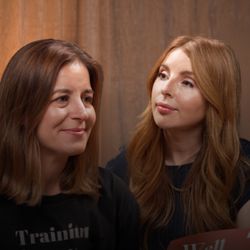
Elizabeth Davies: Why women should stop exercising to get smaller
45:59|For decades, women have been sold the idea that exercise is about shrinking themselves — flattening stomachs, toning arms, and chasing the elusive “beach body.” But personal trainer and author Elizabeth Davies thinks it’s time for a rethink.In this episode, Elizabeth joins Emilie Lavinia to unpack why strength training matters so much as we age, how women can protect their muscles and bones in midlife, and why fitness culture still often repackages body shame as empowerment. We discuss menopause, gym confidence, cardio as punishment, the problem with arbitrary strength standards, and why one workout a week really can be enough.Elizabeth is the founder of This Woman Lifts and author of Training For Your Old Lady Body, a practical guide to building strength, resilience and confidence for the long game.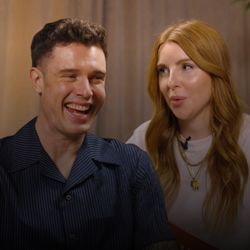
Ed Gamble: "Type 1 diabetes is like having another job"
46:19|Comedian, presenter and Off Menu co-host Ed Gamble has spent more than 25 years living with Type 1 diabetes. Diagnosed at just 13 years old, he describes managing the condition as "like having another job" - a constant balancing act of food, insulin, exercise, stress and everyday life.In this episode, Ed opens up about growing up as a self-described "fat kid", the complicated relationship with food that inspired his memoir Glutton, and how living with a chronic condition has shaped his understanding of health, control and wellbeing. We discuss the mental load of diabetes management, male body image, perfectionism, social media wellness trends, and why trying to optimise every aspect of your life can sometimes make you feel worse, not better.Ed also shares how technology has transformed diabetes care, the realities of performing stand-up while managing blood sugar levels, his experiences with weight loss and fitness, and why finding balance matters more than chasing perfection.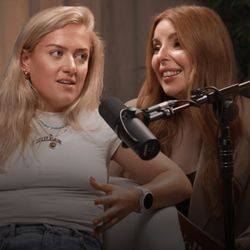
Elite marathoner Anya Culling: "I lost my period and thought it was normal"
32:38|Elite marathon runner Anya Culling's story will inspire you but maybe not in the way you expect. She shaved nearly two hours off her marathon time and now competes at the highest level, representing her country.In this episode, Anya opens up about teenage health crises that shaped her mentality, the ironic moment she realized elite runners do still have periods, and why her coach refused to train her until she got her health sorted. We discuss wellness overwhelm, how to spot the difference between training hard and overtraining, why women's health issues in sport often go unaddressed, and the recovery principle that changed everything for her.Anya is backing iron supplement brand Active Iron’s campaign to encourage open conversations around women’s health in sport. For more information visit https://activeiron.com/en-gb
Psychologist Dr Julie Smith on how to handle anything life throws at you
45:03|This week, clinical psychologist, bestselling author, and content creator Dr. Julie Smith joins us to dismantle the myth of constant happiness and offer practical tools for navigating life's inevitable storms.With over 10 million followers and two Sunday Times bestsellers (Why Has Nobody Told Me This Before? and Open When), Julie has made it her mission to make high-quality mental health education accessible to everyone.In this conversation, we explore why young people are struggling despite having "the best it's ever been," the crucial difference between self-compassion and self-indulgence, and how our modern obsession with optimization is setting us up for failure. Julie shares the powerful "predator mindset" that helped her through her own health crisis, explains why feelings are information rather than problems to fix, and introduces the "solid back five" concept - fundamental pillars of mental wellbeing that we constantly underestimate.
16. Happiness vs Joy: Kate Bowler reveals the true difference
43:27||Season 2, Ep. 16In a world of aggressive optimization, morning routines, and relentless pressure to manifest a perfect reality, how do we experience actual joy when life falls apart?This week on Well Enough, we sit down with Kate Bowler - Duke University professor, religion scholar, and author - to explore the profound differences between happiness and joy. At 35, Kate was diagnosed with stage 4 colon cancer, an event that completely shattered her reality and forced her to confront the agonizing platitude that "everything happens for a reason."Kate dismantles toxic positivity and wellness capitalism, explaining why you don't always need to find a silver lining. Get Kate’s book “Joyful, Anyway” here https://www.bloomsbury.com/uk/joyful-anyway-9781037202582/Follow Well Enough on Instagram here https://www.instagram.com/wellenoughTimecodes:00:00 Why Joy Isn't What You Think03:10 Happiness vs. Joy: What’s the Psychological Difference?06:25 Navigating Rage and Finding Joy After a Stage 4 Cancer Diagnosis08:00 "Emotional Appropriateness" & The Myth of Constant Optimization10:45 The Danger of Toxic Positivity and "Everything Happens for a Reason"13:10 The Hidden History (and Harm) of Manifesting17:30 What is "The Ache"? Embracing the Bittersweet Longing of Being Human20:20 Wellness Capitalism and the Absurdity of the 24/7 Morning Routine23:30 Navigating the Seasons of Wanting & Opening Your "Vault of Jewels"29:10 How to Practice Joy: Service, Love, and Hope33:30 How to Experience Joy During a "Light Apocalypse"37:00 Absurdism: Why You Should Lean Into Your Weird Delights39:20 The Surprising Limits of Gratitude Journaling
15. Julia Bradbury on the healing power of nature and walking for recovery
38:44||Season 2, Ep. 15What if the most powerful medicine was right outside your front door? In this episode, we explore the transformative role nature plays in healing, recovery and everyday wellness. Our guest is Julia Bradbury - TV presenter, Sunday Times bestselling author and one of the UK's most passionate advocates for the healing power of the outdoors. After a breast cancer diagnosis in 2021 and a subsequent mastectomy, Julia rebuilt her health from the ground up and nature was at the heart of it.She joins Emilie to talk about her diagnosis journey, the science behind nature snacks, resistance training, morning light, walking backwards, and why the single most important wellness habit starts with what you say to yourself.Get Julia’s book Hack Yourself HealthyJulia Bradbury is supporting Vista Health’s Signs of Clarity campaign. Visit www.vista-health.co.uk00:00 The Healing Power of Nature & Movement02:07 Functional Medicine: Finding the Root Cause04:50 How Walking Calms Your Nervous System06:40 Breast Cancer Diagnosis & The Promise of Nature08:15 How to Take Daily "Nature Snacks"10:00 The Emotional Toll of Surgery 12:35 Finding Comfort & Life Lessons from Trees15:00 Redefining Health vs. Toxic Resilience17:36 How to Make Time for Your Wellbeing19:31 Strength Training for Women & Hope Molecules22:21 Building Non-Negotiable Healthy Habits24:35 Overcoming Vulnerability After a Health Scare27:15 An Emotional Expedition to Antarctica29:18 Healthy Travel Hacks & Plane Snacks32:19 The Ultimate Slow Morning Routine34:27 The Power of Positive Affirmations & Self-Talk36:01 Why You Should Start Walking Backwards