Latest episode

Rik Emmett Interview: Triumph, Poetry, and the Art of ‘Leaning Into It’
44:48|In this episode of Welcome To The Music, Karim Kanji sits down with legendary Canadian musician Rik Emmett of Triumph for a wide-ranging and deeply thoughtful conversation.Emmett reflects on his return to the stage with Triumph, sharing how preparing for the upcoming tour has renewed his sense of purpose, discipline, and creativity. He opens up about aging, managing physical limitations, and what it means to keep moving forward—both as an artist and as a person.The conversation also explores his latest work as a poet, including the themes behind his new book and the idea of “leaning into it”—embracing challenge, uncertainty, and the creative process itself. Emmett offers candid insights on technology, the modern digital world, and the tension between innovation and humanity.Plus, he looks back on Toronto’s storied live music scene, sharing vivid memories of venues like the Gasworks and the early days of building Triumph into a band that aimed far beyond the bar stage.A reflective, honest, and inspiring discussion with one of Canada’s most iconic voices in music.
More episodes
View all episodes

Marc Jordan Returns!
21:41|Marc Jordan discussed his biography, "Rhythm of My Heart," with Karim Kanji, highlighting the collaborative process with author Don Breithaupt and reflecting on his personal experiences, including challenges with dyslexia and substance use that shaped his artistic journey. He shared stories from his early performances at The Gasworks, emphasizing its significance in his career and expressing concerns about the current viability of music venues. Jordan reminisced about Toronto's vibrant music scene, particularly the role of Yonge Street in making live music accessible, while acknowledging the changes in artist support and promotion over the years. He underscored the importance of authenticity in his songwriting, a principle recognized by his publishers, and noted that the biography serves as a way to share his life stories with his children, with the book available for purchase online and in local bookstores.Insights on Biography and Music Industry DynamicsIn a conversation with Karim Kanji, Marc Jordan shared insights about his biography, which was written by Don Breithaupt. He recounted how revisiting his past, including his struggles with dyslexia and substance use, provided him with a new understanding of his life. Marc emphasized the importance of authenticity in art and mentioned that he offers advice to his son only when asked, acknowledging the generational differences in the music industry.Memories of The GasworksIn a discussion about The Gasworks, Marc Jordan recounted his early performances there, describing the fear he felt as a new musician. He noted that it was one of the first significant venues he played, which contributed to his growth as an artist. Karim Kanji and Marc also discussed the changes that have occurred at other venues.The Evolution of Toronto's Music SceneMarc Jordan reflected on the historical importance of The Gasworks, noting it was a top venue where many great bands performed. He described the Yonge Street Strip as the heart of Toronto's music scene, where clubs thrived due to their central location. Jordan shared personal memories of discovering music as a teenager, emphasizing the excitement of hearing live performances from artists like Ronnie Hawkins and David Clayton Thomas.Insights on Biography and Music CareerMarc Jordan reflected on the writing of his biography, "Rhythm of My Heart," emphasizing the joy of sharing his story with his family. He noted that his approach to songwriting has always been driven by personal meaning rather than commercial considerations, which his publishers recognized early on. Jordan appreciated the freedom he was given to create music authentically.
Rik Emmett: Ten Telecaster Tales
21:58|Welcome to the podcast a returning guest, Rik Emmett. Rik recently wrote a book called, Ten Telecaster Tales (published by ECW Press).The discussion focused on Rik Emmett's creative journey, technical challenges, and insights into his latest projects. Emmett shared a humorous anecdote about a past miscommunication with a journalist. He elaborated on the artistic collaboration behind the cover of his book, highlighting the artist's steampunk design and his own contributions. The conversation also touched on Emmett's new Telecaster guitar, named "Babs," emphasizing its ergonomic features designed for aging musicians, and his plans to develop a prototype.Emmett discussed his recent live performances aimed at promoting his book, expressing enjoyment in the creative process despite the pressures of the music industry. He reflected on his decision to step away from teaching due to stress and the changing landscape of the music business. Emmett emphasized the importance of family in his life and shared his unconventional approach to music notation.For more information on Ten Telecaster Tales visit ECW Press.
Rewind with Kim Mitchell
01:05:33|From August 3rd 2020: Kim Mitchell is a Canadian rock icon. This year he was inducted into the Canadian Songwriters Hall of Fame. He was the lead singer with the influential rock band Max Webster and has had an outstanding solo career which has seen him earn numerous awards and accolades. His newest single, Wishes, is the first release on his latest album The Big Fantasize.
UK punk band, Leatherface
41:38|Gregg Tilston and Karim Kanji welcome to the show author Chris MacDonald!The hosts welcomed Chris MacDonald, who introduced his book "Days and Days," which combines personal travel narratives with the story of the punk band Leatherface. The discussion covered themes of nostalgia, friendship, and the significance of lost music venues, with a focus on the Duchess in Leeds. Chris concluded by mentioning he is working on a ghost story for his next book.
Hip Hop Icon Saukrates
24:27|Karim Kanji and Saukrates engaged in a discussion that covered various aspects of Saukrates' career, including his album "Bad Addiction" and the significance of lost performance venues. Saukrates shared insights into his stage name, which he chose at 15, inspired by the Brazilian soccer player Sócrates. He acknowledged the philosophical undertones often associated with hip-hop artists, agreeing that they can serve as modern-day philosophers. The conversation also touched on his early work, including his Juno-nominated single "Still Caught Up," which helped establish his presence in the music industry.The journey of Saukrates' album was a focal point, detailing the recording process from 2004 to 2009 while signed to Def Jam. He explained the challenges he faced with delays due to label priorities and how he ultimately took control of the release to align with his artistic vision. Additionally, he recounted a recent collaboration with the Washington Capitals for Black History Month, which led to an Emmy nomination, emphasizing the importance of networking and being in the right place at the right time in the music industry.Saukrates shared anecdotes about performing at notable venues in Toronto, such as the Opera House, reflecting on their historical significance. He expressed excitement about returning to the El Mocambo after many years and discussed the importance of artistic freedom in music appreciation, advocating for listeners to enjoy a variety of artists without feeling pressured to choose sides. The conversation concluded with details about his upcoming album release strategy, including availability on digital platforms and physical formats, as well as the collaborative efforts behind the album's production and artwork.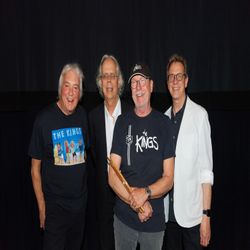
The Kings
49:22|Summary:Karim Kanji and Gregg Tilston initiated a discussion centered around U2's "Unforgettable Fire" and its role in the band's evolution. They welcomed guests David Diamond and Zero from The Kings, who shared their experiences in the music industry. The conversation covered topics such as new music releases, touring experiences, and challenges faced in venues that have since closed.The dialogue shifted to the Heat Wave Festival, with Gregg discussing its legendary status and the performances, particularly by Teenage Head. The discussion highlighted Teenage Head's influence on other Canadian bands and the historical significance of the festival.Karim engaged the guests in a conversation about their iconic song "This Beat Goes On/Switching to Glide," discussing its creation, structure, success on radio, and performance on American Bandstand. The conversation also touched on the humorous anecdote involving a dog named Sadie and her image on their album cover.The episode concluded with discussions about the new single "There's nowhere to go but gone," the collaboration with producers for their new album "The Longest Story Ever Told," and plans for future projects. The conversation explored the evolving landscape of radio music formats, the blending of genres, and the challenges facing modern rock and alternative stations. The episode was marked by a spirit of collaboration, nostalgia, and enthusiasm for the future of music.