Share
Wavelength Plus: A podcast by TradeWinds
A call for a human-centric approach to ammonia-fuelled shipping
•
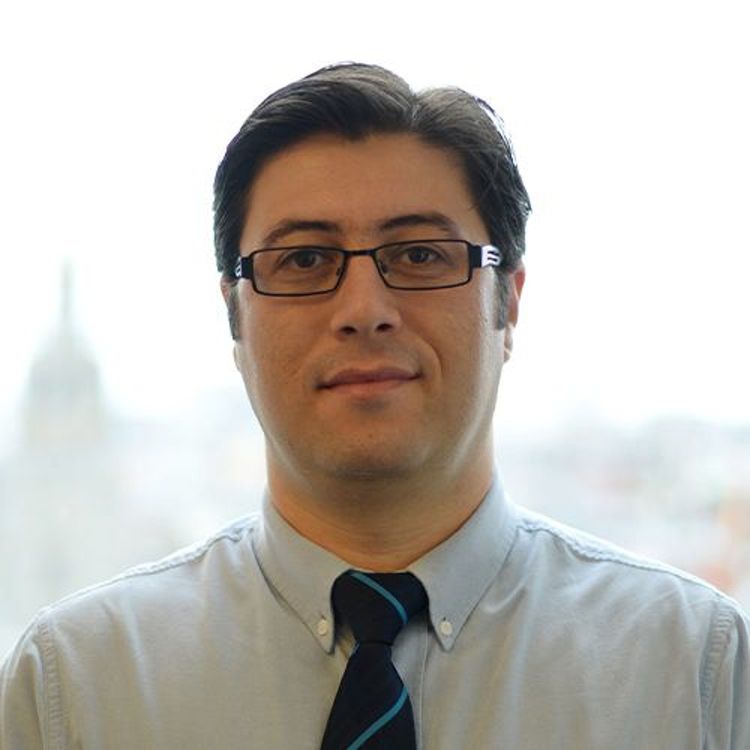
TradeWinds’ Sandra Boga interviews professor Rafet Emek Kurt, director of the Maritime Human Factors Centre at the University of Strathclyde, who warns that accidents could happen in ammonia-fuelled shipping and suggests more needs to be done consider seafarers’ cognitive load.
Photo: WiseStella
More episodes
View all episodes
The demands of top tier ship management
27:18|V.Group is one of a handful of ship management firms that have been spearheading a significant revamp of the shipping industry.Ship managers are the companies hired by shipowners to operate and manage their vessels and fleets while they focus onother things - like making money.While it is an incredibly fragmented industry, the trend for shipowners to sell off or outsource their ship management divisions to third party managers is a growing trend.Meanwhile acquisitions, mergers, and an expansion of service offerings are common. Third party ship managers are also hugely in favour of digitalisation and the use of AI in operations.And this is why TradeWinds Craig Eason spoke to V.Group CEO Rene Kofod-Olsen.V.Group just bought a technology consultancy, Njord, off or Maersk Tankers that helps shipowners make decarbonisation investment decisions. V.Group has also built its own AI and digitalisation tools.Kofod-Olsen is also outspoken about modern ship management getting more value for its role, and the opportunity to enhance seafarers by empowering them with technology, not replacing them with it.It's a fascinating interview. A TradeWinds/DN Media Podcast.
Marine investigation 5: More safety issues on the Dali
19:38|While marine casualty investigations tend to narrow down their conclusions to a single probable cause, the depth of the probe into the shipping accident that destroyed Baltimore’s Francis Scott Key Bridge also uncovered a variety of other safety issues that. And while many weren’t causal, some impacted the container ship Dali’s ability to prevent a catastrophe after its power outage just four minutes from the bridge, while others made investigators’ jobs harder. We explore three safety issues in the final episode of our series investigating the incident.
Marine investigation 4: Finding the Dali’s loose wire
16:15|Investigators responding to the shipping accident that destroyed the Francis Scott Key Bridge in Baltimore faced a needle-in-a-haystack search. An electrical failure had caused the 9,971-teu Dali (built 2015) to lose power just three ship lengths from the bridge.But the ship’s thousands of wires stretch for miles. Which one caused the problem? In the fourth episode of our Marine Investigation series about the deadly incident, Wavelenth Plus explores the hunt for this fault, which National Transportation Safety Board chair Jenifer Homendy compared to searching for a loose bolt on the Eiffel Tower.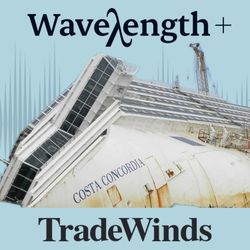
Wrecked
12:47|Removing wrecks is an expensive business. And the bill continues to rise as governments and the public demand cleaner, clearer oceans. TradeWinds counts the costs of retrieving stricken ships.by Paul Peacheya TradeWinds/DN Media podcast
In depth with John Rowley, chief executive, Wallem
22:48|In this episode TradeWinds's Asia correspondent Huaqing Ma talks to John Rowley, chief executive of Hong Kong-based Wallem.Wallem is one of the leading ship managers in the maritime sector. Huaqing and John talk about the challenges of being a modern ship manager in a competitive world and why the company is so closely bonded with Hong Kong.Read Huaqing's full articles here: From combat zones to ship decks: The making of Wallem’s CEO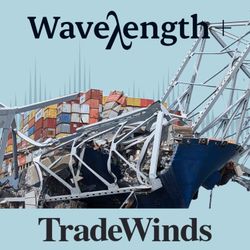
Marine investigation 3: ‘Tiny but mighty’ tugs
12:29|When the Dali slammed into the Francis Scott Key Bridge in Baltimore, its pilot had already dismissed the tugs that had been tethered to the ship when it left the docks. When he called for a tug’s help just minutes before the collision, the powerful vessel was too far away to help. In the third episode in our series on the accident, we explore why the container ship was going it alone without a “tiny but mighty” tug.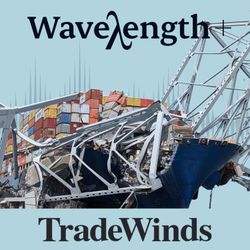
Marine investigation 2: Risky bridges
14:35|In the second episode of our detailed look at the shipping accident that destroyed Baltimore’s Francis Scott Key Bridge, we look at why this structure was not able to withstand a strike by the container ship Dali. Engineering experts explain that recommendations to conduct risk assessments were not applied to many bridges built before those standards were created, and they describe the steps that US agencies will need to take to prevent another deadly casualty.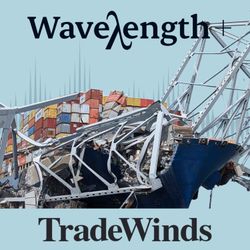
Marine investigation 1: ‘The bridge is down’
15:39|In March 2024, the Dali slammed into the Francis Scott Key Bridge in Baltimore, killing six, injuring two and shutting down maritime traffic for weeks. In the first episode of an investigative series, TradeWinds looks at the events of that tragic day with the help of a naval architect and an experienced captain.
'We haven't stopped'
29:32|Secretary general of the International Maritime Organization Arsenio Dominguez spoke to Holly Birkett on the sidelines of the Women's International Shipping & Trading Association (WISTA) conference, just days after IMO delegations delayed an all-important vote on emissions regulations. He was reflective on the way that the talks played out and said there are lessons to be learned, but emphasised that decarbonisation work will not stop at the IMO or within the industry.Seeing as it was the WISTA conference, the time was also right to ask Dominguez about what the IMO is doing to support women in maritime industry and create equitable workplaces for all. Host and producer: Holly Birkett, TradeWinds reporter.