Share
TMC Presents: The Marketing Clubhouse
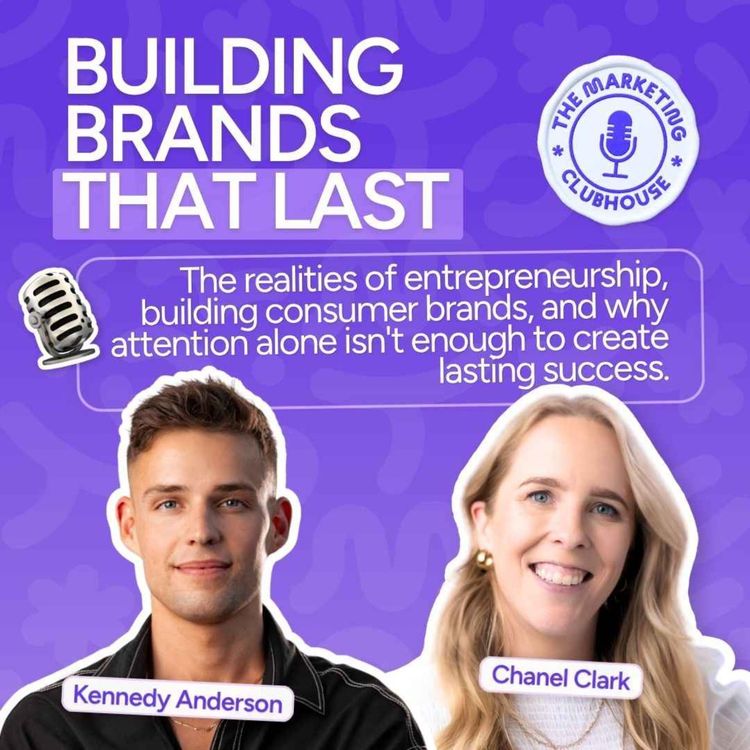
Building Brands That Last with Kennedy Anderson
In this episode of The Marketing Clubhouse, we're joined by Kennedy Anderson, entrepreneur, founder of The Whitening Co, and one of New Zealand's most recognised consumer brand builders.
From launching his first business at just 15 years old to growing The Whitening Co into a household name, Kennedy has spent years turning ideas into businesses. But beyond the viral content and social media success, he's also become known for sharing the realities of entrepreneurship - from cash flow challenges and supplier negotiations to borrowing money and navigating the pressures of building a physical product business.
Together, we unpack the difference between building an audience and building a business, why brand has become a founder's greatest competitive advantage, and what it really takes to create a company that lasts beyond the hype.
This is an honest conversation for marketers, founders, and aspiring entrepreneurs looking to build sustainable brands in an increasingly competitive world.
- The difference between building attention and building a real business
- Why Kennedy shifted from being "the influencer" to becoming "the operator"
- How The Whitening Co became one of New Zealand's leading challenger brands
- The financial realities of entrepreneurship that few founders talk about
- Lessons from building and scaling a physical product business
- Why community has become one of the strongest competitive advantages for modern brands
- How AI is increasing the importance of authentic branding
- Marketing beliefs Kennedy has changed throughout his entrepreneurial journey
- The biggest mistakes that became his greatest business lessons
- What founders should focus on during the first 90 days of launching a business
- You're building or launching a consumer brand
- You're an entrepreneur navigating the realities of business ownership
- You want to better understand the difference between audience growth and business growth
- You're interested in brand building, community, and entrepreneurship
- You want practical advice from someone who's built a nationally recognised product brand
This episode offers an honest look behind the scenes of entrepreneurship, challenges the myths surrounding founder success, and shares practical lessons for building brands that customers trust, communities support, and businesses that stand the test of time.
Become part of a community built for career progression, industry connections, real-world learning and all the marketing vibes!
Our members get access to educational events, social networking events, dinner club events, webinars, exclusive perks, and a private Slack network of marketers across Australia & New Zealand.
Follow us on Linkedin: https://www.linkedin.com/company/the-marketing-club-au-nz
Follow us on Instagram: @themarketingclub_aunz
Find your membership options and subscribe to our newsletter at www.themarketingclub.com or get in touch at contact@themarketingclub.org
More episodes
View all episodes
32. The Art of Earning Attention with Mark Kelliher
44:58||Season 1, Ep. 32In this episode of The Marketing Clubhouse, we're joined by Mark Kelliher, an experienced media, content and brand leader who has spent nearly two decades helping brands capture attention and connect with audiences.Having worked across New Zealand, the UK and the US, with senior roles at MediaWorks, PHD, The Spinoff and Live Nation, Mark has experienced the changing media landscape from both sides - the brands trying to reach people and the platforms competing for their attention.Together, we unpack what it really takes to earn attention in an increasingly crowded world, whether attention spans are actually shrinking, and why producing more content doesn't necessarily mean creating more impact.We also explore the role of storytelling, creativity and cultural relevance in modern marketing, how AI is changing content creation, and what separates brands people simply notice from those they genuinely remember.This is a thought-provoking conversation for marketers, brand builders and content creators looking to cut through the noise and create work that actually resonates.What we cover in this episodeThe biggest shifts in how brands capture and earn attentionWhether attention spans are really shrinking or marketers are misunderstanding audience behaviourWhat separates content people consume from content they actually rememberWhat brands and media platforms misunderstand about each otherWhy creating more content doesn't necessarily lead to better marketingWhat New Zealand's most effective brands are doing differentlyWhy cultural relevance matters and whether brands can manufacture itThe role of creativity in an increasingly data-driven and AI-powered industryWhat makes great campaigns memorable long after they've finishedHow AI is changing content creation and the value of authentic storytellingThe skills marketers should be developing to stay relevantWhat earning attention and trust will look like over the next five yearsYou should listen if...You're creating content but struggling to cut through the noiseYou work in brand, media, content, creative or marketing strategyYou want to understand what genuinely captures audience attentionYou're interested in the intersection of creativity, culture and commercial impactYou're thinking about how AI will change the future of content and storytellingThis episode will challenge the way you think about attention, help you understand why more content isn't always better content, and explore how creativity, cultural relevance and great storytelling can help brands become not just more visible - but more memorable.
31. What Happens After The Click with Gavan Stilgoe
52:17||Season 1, Ep. 31In this episode of The Marketing Clubhouse, we're joined by Gavan Stilgoe, Head of Customer Strategy at R6 Digital, to explore a part of marketing that doesn't always get enough attention: what happens after you've successfully got someone's attention.Marketers spend enormous amounts of time and money generating traffic, clicks, leads and enquiries. But if the website is difficult to navigate, the form asks too many questions, the checkout is painful or nobody responds quickly enough, all that great marketing can quickly go to waste.Together, we unpack why businesses often mistake customer journey problems for marketing problems, where the biggest points of friction tend to hide, and why marketers need to become just as obsessed with conversion and customer experience as they are with acquisition.We also explore the role of technology, automation and AI, when businesses should remove humans from the journey and when human interaction becomes even more valuable.This is a practical conversation for marketers who want to stop automatically reaching for another campaign and start looking at whether the experience they've already built is actually making it easy for customers to buy.What we cover in this episodeWhy some "marketing problems" are actually customer journey problemsWhat happens when businesses prioritise traffic without fixing conversionWhere the biggest points of friction typically appear in customer journeysWhy marketers need to pay more attention to what happens after the clickHow to balance collecting useful customer data with creating a frictionless experienceWhy speed is becoming an increasingly important competitive advantageWhere automation can improve the customer journey and where humans still matterHow AI could create better customer experiences — or simply automate bad onesWhy marketers should get better at removing things instead of constantly adding moreWhat customer behaviour can reveal that assumptions can'tWhat to investigate before spending another dollar on acquisitionThe question marketers should ask at every touchpoint in the customer journeyYou should listen if...You're generating traffic and leads but they're not translating into enough customersYou're responsible for digital marketing, websites, eCommerce or customer experienceYou're considering spending more on acquisition before fixing what happens afterwardsYou want to use automation and AI without making the customer experience worseYou want to improve conversion by making it easier for people to actually do business with youThis episode will help you look beyond clicks, leads and acquisition metrics and start seeing your marketing through the eyes of the customer — because sometimes the biggest growth opportunity isn't getting more people through the door. It's making it much easier for the people already there to buy.
30. How Going Local Can Be A Strategy with Clive Antony
22:20||Season 1, Ep. 30In this episode of The Marketing Clubhouse, we're joined by Clive Antony, founder of Christchurch-based creative agency Antony & Mates, to make the case for one of marketing's most overlooked tactics.While marketers are constantly encouraged to think bigger, reach wider audiences and chase national or global growth, Clive has taken a different approach. He's built an agency deeply connected to Christchurch, working with organisations including the Crusaders, Ngāi Tahu and the University of Canterbury while becoming actively involved in the creative and cultural community around him.Together, we explore what happens when businesses stop trying to market to everyone and instead focus on becoming genuinely relevant to the people, places and communities closest to them.From the pursuit of reach on social media to local identity, community involvement and knowing when it actually is time to go wider, this conversation challenges the assumption that bigger audiences automatically mean better marketing.This is a practical conversation for marketers, founders and local businesses looking to build stronger brands by understanding where they operate and the people they actually need to reach.What we cover in this episodeWhy Clive chose to build his agency deeply within ChristchurchWhy place deserves a bigger role in modern marketing strategyWhether chasing social media reach is distracting businesses from customers already around themHow deeply local campaigns can achieve things national campaigns can'tWhy local marketing can be about identity and belonging, not just geographyThe difference between genuinely understanding a community and performing "local marketing"What separates businesses that dominate locally from those that simply advertise locallyWhen a business should stop focusing locally and start going widerWhy community involvement can create a stronger understanding of your customersWhat it means to market from inside a communityYou should listen if...You're marketing a local or regional businessYou're constantly chasing reach but aren't sure it's translating into revenueYou work with brands where location, culture or community are importantYou're trying to build stronger relevance and loyalty with the people around youYou want to think differently about what "growth" actually needs to look likeThis episode will challenge the instinct that growth always means going bigger and show why sometimes the smartest marketing strategy is to go smaller, deeper and become impossible to ignore in the place that matters most.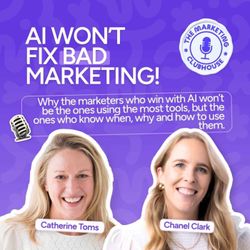
29. AI Won't Fix Bad Marketing With Catherine Toms
42:47||Season 1, Ep. 29In this episode of The Marketing Clubhouse, we're joined by Catherine Toms, founder of AI Growth Academy and a leader in helping marketers and organisations build the skills they need to navigate an AI-powered world.Catherine has spent her career helping marketers embrace change, from leading digital transformation to now working with thousands of marketers to build genuine AI capability. But her approach isn't about chasing every new tool or automating everything possible. Her belief is simple: AI won't fix bad marketing.Together, we explore what AI fluency actually means, why knowing how to use ChatGPT or Claude is only the beginning, and how marketers can use AI intentionally without outsourcing the critical thinking, creativity and judgement that make great marketing work.We also unpack the mistakes organisations are making when rolling out AI, how to separate genuine best practice from hype, and what the highest-performing marketing teams will be doing differently as AI becomes embedded in everyday work.This is a practical conversation for marketers who want to get genuinely good at AI without losing sight of what makes them good marketers in the first place.What we cover in this episodeWhy AI can't fix bad marketing, strategy or decision-makingWhat AI fluency actually means beyond knowing how to use AI toolsThe biggest mistakes businesses are making when adopting AIHow marketers can avoid chasing every new tool and shiny objectHow to separate genuine AI expertise from hype and bad adviceThe human skills becoming more valuable as AI gets more capableHow to recognise when AI is improving your work versus making it worseWhether AI has actually changed what "good marketing" looks likeWhere CMOs should be investing their AI budgets over the next 12 monthsWhat high-performing, AI-enabled marketing teams will do differentlyWhy critical thinking and human judgement are becoming competitive advantagesHow marketers can prepare themselves for what's coming nextYou should listen if...You're using AI but aren't sure you're getting real value from itYou're overwhelmed by the constant stream of new AI tools and updatesYou're responsible for introducing AI into a marketing team or organisationYou want to build genuine AI capability rather than simply learn more promptsYou're thinking about which marketing skills will matter most in an AI-powered futureThis episode will help you cut through the AI noise, become more intentional about where technology fits into your marketing, and build the combination of AI fluency, strategic thinking and human judgement that will matter far more than simply knowing how to write a good prompt.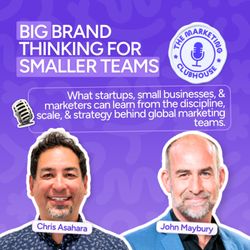
28. Big Brand Thinking For Smaller Teams with Chris Asahara
32:42||Season 1, Ep. 28In this episode of The Marketing Clubhouse, we're joined by Chris Asahara, founder of The Postmasters and an experienced global marketing leader who has spent more than 20 years working across agencies and major brands including Adidas Japan and Les Mills.From building a 13-person newsroom from scratch in Tokyo to leading global social and crisis communications and driving more than USD $2 million in revenue through virtual reality campaigns, Chris has experienced what marketing looks like when the stakes, teams, and complexity get much bigger.Together, we unpack what enterprise marketing actually teaches you. We explore how large organisations align global teams, connect social and content to commercial outcomes, manage brand reputation, and build the processes that allow marketing to perform at scale.But we also flip the conversation. Now running The Postmasters and working with startups and SMBs, Chris shares which enterprise disciplines he's taken with him, which corporate habits he's had to leave behind, and how smaller businesses can bring strategic rigour to their marketing without creating unnecessary bureaucracy.This is a practical conversation about discipline, alignment, credibility, speed, and what marketers at both ends of the business spectrum can learn from each other.What we cover in this episodeWhy enterprise marketing isn't necessarily as slow as people thinkThe operational decisions behind high-performing global social teamsHow to connect social media and content metrics to revenue and commercial outcomesWhy social media should play a bigger role in corporate and crisis communicationsWhat real stakeholder alignment looks like inside global organisationsHow governance, community, content, and measurement work together at enterprise scaleThe enterprise disciplines startups and small businesses should adoptThe corporate habits founders and lean marketing teams are better off leaving behindHow to maintain strategic rigour without creating unnecessary bureaucracyWhat Australian and New Zealand startups can teach enterprise marketing teams about speed and agilityThe structural and cultural changes that can help large marketing teams move fasterAgency vs in-house experience for marketers aspiring to global leadership rolesYou should listen if...You work in a large organisation and want to move faster without sacrificing brand trustYou're a founder or marketer in a smaller business looking to bring more structure to your marketingYou manage social media, content, corporate communications, or brand reputationYou're navigating complex stakeholders and struggling to connect marketing activity to commercial outcomesYou want to understand what enterprise and startup marketers can learn from each otherThis episode will help you take the best of enterprise marketing - its discipline, strategic rigour, alignment, and accountability - without taking on the bureaucracy, and apply those lessons to build marketing that can move quickly, prove its value, and scale.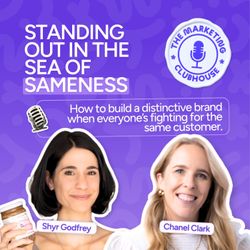
27. Standing Out In The Sea Of Sameness with Shyr Godfrey
50:49||Season 1, Ep. 27In this episode of The Marketing Clubhouse, we're joined by Shyr Godfrey, co-founder of Forty Thieves, to explore what it really takes to build a distinctive brand in a category where consumers already have plenty of choice.From turning a premium peanut butter into a nationally recognised brand to navigating retailers, competitors, and changing customer expectations, Shyr shares the lessons she's learned about building a product people notice, choose, and ultimately become loyal to.Together, we explore why differentiation needs to go deeper than marketing, the role packaging and design play in influencing purchasing decisions, and what happens when competitors begin adopting the positioning you've worked hard to own.We also dive into the psychology behind how people shop, why customer identity matters, and the subtle cues that can make the difference between a product being picked up or passed over on shelf.This is a practical conversation for marketers, founders, and brand builders looking to create stronger, more distinctive brands in competitive markets.What we cover in this episodeWhy genuine differentiation starts with the product—not just the marketingHow challenger brands can break through established categoriesThe realities of winning shelf space and building relationships with retailersWhat happens when competitors start copying your positioning and messagingHow packaging and product design influence attention, trust, and purchasing decisionsThe psychology behind how consumers make decisions in-storeWhy customer identity and emotional connection matter when building a brandHow brands can turn products into something customers genuinely identify withBalancing founder intuition with customer feedback and dataThe consumer behaviour shifts marketers should be paying attention toYou should listen if...You're building or growing a brand in a competitive categoryYou work in FMCG, retail, eCommerce, or product marketingYou're launching a new product and need to create genuine differentiationYou want to better understand consumer psychology and buying behaviourYou're responsible for branding, packaging, positioning, or customer experienceThis episode will help you think beyond campaigns and understand the product, design, positioning, and psychological factors that make customers choose one brand over another - and keep coming back.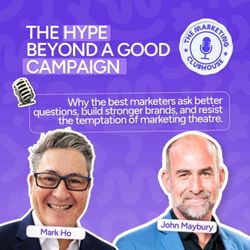
26. The Hype Beyond A Good Campaign With Mark Ho
32:02||Season 1, Ep. 26In this episode of The Marketing Clubhouse, we're joined by Mark Ho, founder of BrightGrain and one of Australia's most respected strategic marketers.After building his career across major consumer brands, Mark has become known for challenging conventional marketing thinking. Rather than jumping straight to campaigns and tactics, he encourages businesses to slow down, ask better questions, and focus on solving the right problems before spending another marketing dollar.Together, we unpack his philosophy of "Transformation Marketing," explore why long-term brand building still matters in a world obsessed with short-term growth, and discuss how marketers can balance commercial pressure without getting distracted by the latest trends or buzzwords.This is a thought-provoking conversation for marketers who want to move beyond execution and become more strategic, commercially minded leaders.What we cover in this episodeWhat Transformation Marketing actually means and why it mattersWhy the best marketing starts with better questions—not better campaignsRecognising when the old marketing playbook is no longer workingHow to identify the real business problem before jumping into executionThe difference between genuine brand building and "brand theatre"Why established brands still need to invest in long-term brand growthHow to balance brand investment with short-term commercial outcomesPractical ways to push back when organisations demand instant resultsWhat a realistic 90-day plan looks like when balancing brand and activationThe habits every marketer can build to become a stronger strategic thinkerYou should listen if...You're responsible for both brand and commercial performanceYou're tired of chasing marketing trends without seeing long-term resultsYou want to become a more strategic marketer and business partnerYou're working in a fast-growing business where the old playbook isn't working anymoreYou want to better balance long-term brand building with short-term growth targetsThis episode will help you think more strategically, ask better questions before jumping into execution, and build marketing that creates lasting business impact - not just another campaign.P.S If anyone remembers the Chicken Tonight ads from the 90's... this man was responsible!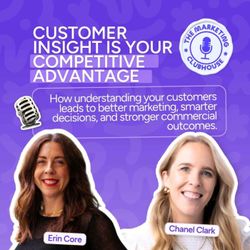
25. Customer Insight Is Your Competitive Advantage with Erin Core
40:33||Season 1, Ep. 25In this episode of The Marketing Clubhouse, we're joined by Erin Core, customer insight specialist and marketing leader who has spent her career helping organisations make better business decisions by truly understanding their customers.Through her work at Veracity and across senior marketing leadership roles, Erin has helped businesses move beyond assumptions and surface the insights that drive better products, stronger campaigns, and more meaningful customer experiences. In a world overflowing with data, she believes the real competitive advantage isn't collecting more information - it's asking better questions.Together, we explore what customer-centricity actually looks like in practice, why research should be the starting point of every marketing strategy, and how businesses can turn customer understanding into measurable commercial results.This is a must-listen for marketers, business leaders, and founders who want to make smarter decisions, build stronger brands, and create marketing that genuinely resonates with customers.What we cover in this episodeThe biggest misconceptions marketers have about customer insightWhy collecting data isn't the same as understanding customersWhat genuinely customer-centric organisations do differentlyHow customer research can completely change a marketing strategyThe risks of skipping research in fast-paced marketing environmentsThe questions every marketer should be asking their customersWhy more data doesn't always lead to better decisionsHow AI is changing customer research—and where marketers need to be carefulPractical ways small businesses can better understand their customersHow customer insight is evolving and what marketers should prepare for nextYou should listen if...You want to create more customer-focused marketingYou're making marketing decisions based on assumptions rather than evidenceYou want to improve your research and customer discovery skillsYou're leading marketing strategy or product developmentYou believe better customer understanding leads to better business outcomesThis episode will challenge the way you think about customer research, help you move beyond surface-level data, and show you why the best marketing always starts with understanding the people you're trying to serve.