Share
Think Better, Feel Better
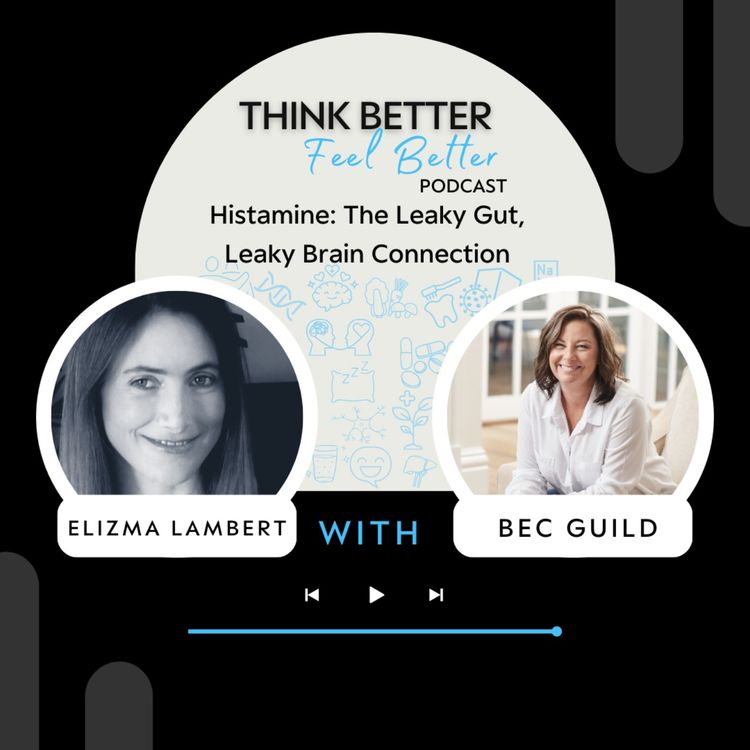
Histamine: The Leaky Gut, Leaky Brain Connection
Although histamine is most often associated with allergies and immune responses, it plays a much more multifaceted role in the body as a hormone, neurotransmitter, and immune system mediator.
In this episode, Bec is joined by chronic disease expert naturopath, Elizma Lambert to discuss the fascinating topics of mast cell activation syndrome, histamine, and their role in a leaky gut and leaky brain.
Tune in to learn about the connections between mast cell stabilisation, gut health, and neurotransmitter regulation and explore the interplay between histamine, and glutamate, and how they influence the way you think and feel.
- Histamine acts as a multifunctional compound in the body, playing roles in neurotransmission, immune response, and hormonal regulation.
- Mast cell activation syndrome can result from dysregulated mast cells that release excessive histamine, leading to chronic inflammatory responses.
- Histamine's impact on the brain can contribute to neurological symptoms like anxiety, insomnia, and brain fog.
- Understanding the interplay between histamine, glutamate, and other neurotransmitters is crucial in addressing histamine-related issues.
- What are the natural support options for mast cell stabilisation, gut histamine, glutamate and mood?
[00:00] Welcoming Elizma Lambert
[01:53] Histamine's Multifaceted Role in Health and Disease
[11:49] Post Viral Fatigue and Long-Covid Symptoms
[13:16] Understanding Histamine's Role in Immune Response and Mast Cell Activation
[17:38] Histamine Pathways and Their Impact on Gut and Systemic Health
[26:04] Testing and Identifying Histamine Issues and Mast Cell Activation
[31:41] Histamine's Impact on Brain Receptors and Neurotransmitter Balance
[39:25] The Evolution of Information Access and AI in Healthcare
]42:05] Managing Histamine Issues Through Gut Health and Nutrient Support
More episodes
View all episodes
The Real Impacts of Stress on Women's Health - with Georgia Marrion
48:54|How big of a role is stress playing in women's health? In today's episode we're talking to expert women's hormonal health naturopath, Georgia Marrion.Together, Bec & Georgia dive into the physiological, hormonal and wellbeing impacts stress is playing on women's health. They dive into how to identify when stress may be to blame for ongoing health issues, the testing that can provide clues to the impact of stress and the cascade of body systems that stress can influence. Georgia also shares what she recommends clinically to support women get back on top of their wellbeing.
Getting Unstuck: Turning Setbacks into Strengths - with Loz Antonenko
43:47|It would be easy enough to let a single diagnosis dictate the trajectory of your life. Let alone multiple chronic illnesses. Today’s guest is Loz Antonenko, an inspiring fitness instructor, life coach and published author of a book titled, “Get the F** Unstuck”. Throughout this episode, Loz shares how her personal health struggles became the catalyst for deep transformation—both mentally and physically and how it culminated in her current path as a wellbeing advocate and public speaker. From being diagnosed with a laundry list of chronic health conditions including ADHD, ulcerative colitis, fibromyagia, chronic fatigue syndrome, PCOS and PMDD (to name a few), to becoming a passionate advocate for mental and physical wellbeing, Loz shares how she turned life’s setbacks into stepping stones.Learn about Loz’s simple, yet transformative concepts of tweaking “handbrake habits.” Daily practices, accessible to anyone around eating, breathing, sleeping, moving, and hydrating. With a compelling story, and her signature mix of infectious enthusiasm and grounded advice, Loz will have you thinking outside the box about how you’re approaching your wellbeing. Key Take AwaysLoz emphasises that life often happens for you rather than to you, and personal struggles can serve as powerful catalysts for transformation.Loz’s unique wellness approach: Focusing on five essential "handbrake habits" that can significantly enhance overall health and wellness.Aligning actions with personal values a crucial step towards achieving life goals and maintaining physical and emotional health.Loz’s Insights For Navigating ADHD and Neurodivergence: Customised strategies can effectively manage ADHD symptoms without relying solely on traditional medication.Health is not about perfection but about consistent, sustainable practices that enhance life quality.Episode Chapters00:00 Loz Antonenko's Journey From Illness to Inspirational Speaker02:37 Navigating Health Challenges and Medical System Complexities07:35 Transformative Life Events and Personal Growth11:24 Discovering Personal Growth Through Unexpected Gym Conversations14:04 From Bodybuilding Extremes to Personal Transformation and Growth19:28 Unlocking Health by Addressing Five Key Habits23:58 Optimising Health Through Basic Habits for Better Productivity27:33 Aligning Actions with Values for Personal Transformation34:38 Empowering Neurodivergent Men and Women Over 40 Through Fitness39:33 The Importance of Being In Tune With Your Body41:52 Loz Antonenko Discusses Her Book and Online PresenceConnect with Loz: https://lozlife.com/ Find Loz on Instagram: @lozantonenko
Brain Fog and Fatigue: Signs of Vagus Nerve Dysfunction with Emrys Goldsworthy
01:00:23|In this episode Bec is joined once again by Emrys Goldsworthy to explore the critical role of the vagus nerve in brain function, focusing on symptoms like brain fog, concentration issues, and memory. Emrys explains how the autonomic nervous system influences these cognitive aspects, highlighting factors like toxin exposures, diet, and lifestyle impacts. He emphasises the importance of the vagus nerve in body detoxification and suggests strategies for optimising its function, including outdoor activities, balanced nutrition, and light exposure. Discover how our modern lifestyles can disrupt vagal health, what signs to look for, and what steps can be taken to bring more balance to this vital nerve.Emrys and Bec discuss;The vagus nerve plays a critical role in brain health by regulating neurotransmitters, the glymphatic system, and toxin elimination.Lifestyle factors, including exposure to toxins like microplastics and metal contaminants, significantly affect vagus nerve function.Natural interventions such as sun exposure, outdoor activities, and specific dietary choices can improve vagal tone and brain health.Hyperactive and underactive vagus nerve conditions are both indicative of nerve damage but manifest differently in symptoms.The autonomic nervous system, linked intensely with survival and repair functions, is crucial in understanding and managing brain fog and cognitive issues.Covered in this discussion:[00:00] The Vagus Nerve's Role in Brain Fog and Concentration[05:01] The Hidden Dangers of Microplastics and Toxins in Everyday Life[08:38] The Vagus Nerve's Impact on Brain Health and Delusions[17:58] Understanding Hypervagatonia and Its Impact on Fatigue and Health[22:33] The Impact of Sunlight and Outdoor Time on Brain Health[27:42] Enhancing Brain Health Through Nature and Vagus Nerve Stimulation[32:47] The Impact of Diet on Vagus Nerve Health and Function[38:38] The Vagus Nerve's Impact on Hormones and Circadian Rhythms[46:22] The Role of Autonomic Systems in Inflammation and Healing[50:51] Exploring Vagus Nerve Health and Lifestyle Interventions
Overcoming Mould Illness Through Biohacking, with Camilla Thompson
44:52|Mould illness is a chronic, systemic inflammatory attack on wellbeing. Yet, there is no accepted medical consensus for the diagnosis and treatment of mould illness, which forces many sufferers to take their wellbeing into their own hands. In this episode, we speak to Camilla Thompson, a prominent Australian biohacking and wellness advocate. Camilla shares her personal journey through the challenges of postnatal depression, mould illness, and chronic inflammatory response syndrome (CIRS), explaining how these experiences transformed her approach to health and led her to launch multiple businesses aimed at helping others optimise their wellness. Gain insights into Camilla’s unique perspectives on biohacking fundamentals, her personal strategies for overcoming severe health issues, and her commitment to empowering individuals to take control of their health. Bec and Camilla dive into her holistic approach to addressing chronic illness, focusing on practices such as gut health optimisation, innovative techniques like cryotherapy and NAD supplementation as well as the critical role of adopting a hope mindset. As she reflects on her journey, Camilla provides practical advice on lifestyle changes that contribute to long-term wellness.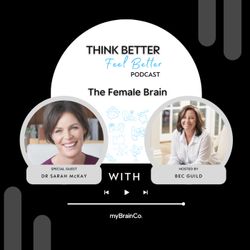
The Female Brain, with Neuroscientist Dr Sarah McKay
59:42|It may shock you to learn that it’s only been within the last decade that scientists have been exploring the changes the female brain undergoes through puberty, pregnancy, parenthood and menopause. In today’s episode, we are joined by Dr Sarah McKay, a renowned neuroscientist, author and educator who specialises in women's brain health. In this fascinating discussion, we explore the intricate nuances of female neuro-physiology, and how brain development is shaped or even remodelled during periods of significant hormonal change, such as adolescence, motherhood, and menopause. Bec and Sarah also discuss what separates a male brain, from a female brain and how our life experiences shape and change women’s brain health. Dr McKay also shares her perspectives on the importance of friendships and connection and what the data reveals about the impacts of oral contraceptives as well as the quantifiable risks for women for dementia and post-natal depression.Key Takeaways: Experiences across a woman's lifespan, including education, socioeconomic status, and parenting, significantly impact brain development, often more than biology alone.Pregnancy brings forth notable changes in a woman's brain structure that prepare her for motherhood, often misunderstood as maternal instinct.Adolescence and pregnancy are pivotal biological events with comparable brain changes, signified by neural pruning and adaptation.Social support plays a crucial role in mitigating postpartum depression, superseding solely biological factors.Real-life experiences, varying by culture and socioeconomic conditions, crucially shape individual brain trajectories and health outcomes.Covered in this episode: [00:00] Exploring Women's Brain Health Across Life Stages[04:39] Gender Equality's Impact on Brain Development Differences[11:54] Understanding Gender Differences in Dementia Incidence Globally[15:29] Exploring Menopause, Brain Fog, and Evolving Conversations[18:59] The Impact of Early Childhood on Lifelong Brain Health[25:38] The Impact of Oral Contraceptives on Adolescent Brain Development[32:57] Hormonal Changes and Brain Adaptation During Pregnancy and Adolescence[39:56] Postnatal Anxiety and Intrusive Thoughts in New Mothers[42:48] Hormonal Changes and Stress Reactivity in Pregnancy and Lactation[47:11] The Emotional Challenges and Transformative Journey of Motherhood[52:01] Key Factors for Maintaining Brain Health and Reducing Dementia[55:22] Embracing Ageing, Female Friendships, and Upcoming Book Releases
The Truth About How Our Diet Impacts Our Brain with Nutritionist, Sonya Reynolds
37:22|What we eat can have a profound impact on our present and future brain wellbeing. There are foods and food choices that complement our brain health and longevity and conversely, there are certain food groups that have strong evidence for compromising brain health. In this episode, Bec speaks with expert neurological health nutritionist Sonya Reynolds about the dietary approaches we can employ that can positively benefit our neurological wellbeing. Key Takeaways:~ The significant impact of diet on neurological health, particularly the role of gluten and dairy in inducing an immune reaction that can increase brain permeability.~ The benefits of an anti-inflammatory diet rich in vegetables, fruits, good quality proteins, and antioxidants for supporting brain function.~ The potential advantages of a low glycemic or modified Atkins diet as an alternative to traditional high-fat ketogenic diets for cognitive and neurological health.~ The importance of personalized dietary approaches in managing neurological conditions and improving overall wellbeing.COVERED IN THIS EPISODE: [0:00:00] Welcoming back nutritionist, Sonya Reynolds[0:01:20] Does diet really influence neurological health?[0:02:53] The two biggest dietary triggers for neuroinflammation[0:05:45] Coeliac disease vs. non-Coeliac gluten sensitivity (NCGS)[0:08:07] Anti-inflammatory eating[0:10:43] Sugar and brain health[0:14:17] Mythbusting the keto diet for brain health[0:18:32] Traditional keto vs. modified Atkins diet[0:19:20] Do we need to track ketones?[0:25:15] Resources for adopting keto styles of eating?[0:27:58] Addictive foods[0:36:28] Final summaryFull Episode Transcript Here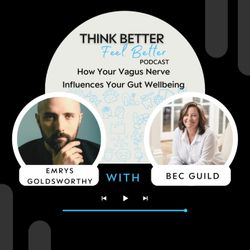
How Your Vagus Nerve Influences Your Gut Wellbeing with Emrys Goldsworthy
57:00|Would it surprise you to learn that your vagus nerve can influence things like your gut motility, your stomach acid levels, your enzyme production and your heart rate?In this episode, we are joined by Emrys Goldworthy. Emrys is a musculoskeletal expert clinician, with a special interest in the therapeutic potential of the vagus nerve. He’s is also a published author, having recently released his first book “The Vagus Nerve: Unleashing the Body’s Secret Weapon Against Disease”.In this episode, Emrys joins Bec to discuss the profound impact of the vagus nerve on our health and wellbeing. He explains the role of the vagus nerve in various bodily functions, including heart rate, digestion, inflammation, and mental health. Emrys shares insights on how low and high vagal tone can affect our overall health and provides strategies for improving vagal tone. He also highlights the connection between the vagus nerve and gut health, discussing the role of the microbiome and enzyme function. Emrys also offers practical tips for optimising vagus nerve function, such as breathwork, cold water immersion, and strengthening the neck muscles.Key Takeaways-- The vagus nerve plays a crucial role in regulating various bodily functions, including heart rate, digestion, inflammation, and mental health.-- Low vagal tone can lead to symptoms such as elevated heart rate, digestive issues, and increased inflammation, while high vagal tone can cause problems like excessive acid secretion and constipation.-- The vagus nerve is closely connected to gut health, influencing gut motility, enzyme function, and the microbiome.-- Strategies for improving vagal tone include breathwork exercises, cold water immersion, and strengthening the neck muscles.-- The vagus nerve can be affected by factors such as compression, weak neck muscles, and environmental toxins.COVERED IN THIS EPISODE[00:00] Introducing Emrys Goldsworthy[01:50] How Emrys became interested in using vagus nerve interventions in therapy[06:05] Vagus nerve physiology 101[08:28] Vagal tone and the gut-brain connection[15:40] Clues your vagus nerve isn’t functioning optimally[16:45] Vagus nerve relationship with allergies and histamine response[19:07] The link between asthma and vagus nerve[21:36] The role of vagus nerve in cortisol regulation[26:19] The vagus nerve influences your gut and microbiome[30:49] The role of the vagus nerve in toxin elimination[37:25] How we breathe influences the vagus nerve[40:27] Balancing the sympathetic and parasympathetic nervous system response[44:56] Compressions on the vagus nerve[51:52] Learn more: Emrys’ book: The Vagus Nerve - Unleashing the Body’s Secret Weapon Against Disease[53:53] The top three things everyone can do to care for their vagus nerveFull Episode Transcript Here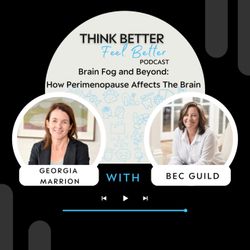
Brain Fog and Beyond: How Perimenopause Affects The Brain with Georgia Marrion
42:05|The hormonal fluctuations of perimenopause can impact our brain and nervous system, leading to brain fog, mood swings, insomnia and other cognitive changes.In this episode, we are joined by women’s health expert, naturopath and nutritionist, Georgia Marion to shed light on why perimenopause can impact our brain health.Perimenopause is the phase leading up to menopause, and this transitionary period can last up to a decade for some women. During this time, many women will report issues with brain fog, mood, memory and concentration changes, and difficulty sleeping. Whilst hormonal fluctuations play a significant role in these symptoms, as you will discover there are many other elements at play, including diet, lifestyle, nutritional deficiencies and liver function.COVERED IN THIS EPISODE:[00:00] Introducing Georgia Marrion[01:38] Defining perimenopause[03:58] How perimenopause influences our brain and neurological function[06:43] The cognitive and mood changes experienced in perimenopause[11:25] The oestrogen - brain interplay[15:11] The stress, progesterone and brain overlap[18:02] How nutrient status influences perimenopause[22:21] The importance of liver and gut health in perimenopause[26:03] You feel rubbish, but your blood tests are ‘normal’[31:58] How we can naturally support the perimenopausal womanFull Episode Transcript Here