Share
The Techne Connect
Anshuman Kumar, Head of Hardware at Matic Robots
In this episode of The Techne Connect, Anshuman Kumar, Head of Hardware at Matic Robots, unpacks how consumer robotics is moving from flashy demos to real, in-home utility. He shares how Matic built a genuinely effective floor-cleaning robot, picking up dirty water rather than spreading it, while driving down noise and filing multiple patents across mechanics, electronics and perception.
He traces his path from IIT Delhi and Carnegie Mellon to Tesla’s power electronics team, where he helped take Model 3 inverters from yield pain to stable production. Along the way, he explains why reliability engineering is the unsung hero, why integration is a team sport, and why “build painkillers, not vitamins” should guide every product decision. He argues that breakthroughs in AI and compute are finally removing software bottlenecks, opening the door for robots that deliver full solutions to real problems.
Anshuman also talks candidly about scaling from lab to factory, supplier calls across time zones, recruiting for growth, and designing the machine that makes the machines. For students and engineers, he shares career advice on failing fast, hiring for attitude, and the overlooked opportunities in motors, actuators and reliability.
Thank you for listening to The Techne Connect Podcast - where we go behind the tech and ahead of the curve.
But we don’t just share stories, we help build them. At Techne Talent, we connect ambitious people with opportunities across the very industries we feature. If you’re inspired by what you hear, speak to us today about where your skills could take you.
👉 Don’t miss an episode: Follow and subscribe wherever you get your podcasts.
📸 For behind-the-scenes content, follow us on Instagram: @techne_talent
💼 Explore opportunities and connect with us on LinkedIn: Techne Talent
Inspire your future. Plug into what’s next.
More episodes
View all episodes
John Quinn, CEO at Exos Aerospace
41:32|In this episode of Behind the Vision, we speak with John Quinn, Founder and CEO of Exos Aerospace, about his journey from nuclear submarines and power systems into reusable rocket technology.John shares how his background in high-risk engineering environments shaped his data-driven approach to building and scaling aerospace systems. The conversation explores reusable rockets, launch licensing, carbon composite structures, advanced propulsion, cislunar infrastructure, and why small, agile teams will play a major role in the future space economy.The episode also covers entrepreneurship, technical leadership, rapid prototyping, defence applications, and the skills needed to build reliable systems for space.
The Techne Connect Special: Twin Track Ventures, Behind the Capital, with Nicola Sinclair.
01:17:01|In this episode of Behind the Capital, Nicola Sinclair discusses venture capital, defence tech, and deep tech innovation across Europe. She shares insights on startup growth, founder resilience, fundraising challenges, and why clear communication and adaptability are critical for technical founders building in sectors like AI, aerospace, and defence.
Christine Matthews, Technology Programme Director at GKN Aerospace
30:56|In this episode we speak with Christine Matthews, Technology Programme Director at GKN Aerospace, about her journey from the Royal Air Force into sustainable aviation and aerospace innovation.Christine shares insights from her 22-year military career, the future of hydrogen and electrical propulsion systems, and why adaptability, diversity, and purpose-driven engineering will shape the future of the aerospace industry.
The Techne Connect Special: Kraken Technology Group Behind the Mission
45:10|In this episode of Behind the Mission, Alec Lynn Rogers, Development Design Director at Kraken Technology group, shares how the company is transforming autonomous maritime defence.From scaling Kraken from 7 to 170+ employees to building deployable autonomous vessels at unprecedented speed, Alec discusses engineering innovation, scalable manufacturing, defence modernisation, and the future of unmanned maritime systems.
Ido Genosar, CEO & Co-founder at Verobotics
21:43|In this episode of Behind the Robot, we are joined by Ido Genosar, CEO and Co-Founder of Verobotics, to discuss how autonomous robotics is transforming high-rise building maintenance. Ido shares the story behind building a robotics company from scratch, scaling globally, and tackling one of the construction industry's most dangerous jobs.The conversation explores the future of physical AI, the growing demand for automation, and the lessons learned from commercialising hardware technology in real-world environments. A must-listen for anyone interested in robotics, innovation, start-ups and the future of work.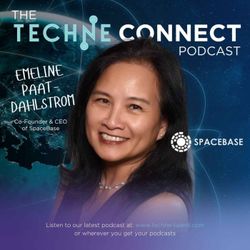
Emeline Paat-Dahlstrom, Co-Founder & CEO of SpaceBase
34:38|In this episode we speak with Emeline Paat-Dahlstrom, CEO and Co-Founder of SpaceBase, about her journey through the global space industry and her mission to democratize access to space.Emeline shares insights from working in space education, space tourism, and startup ecosystems, while discussing the future of the industry, the importance of diversity, and the growing opportunities emerging across the space sector.
James Cooper, COO at Anatra
49:55|In this episode we speak with James Cooper, Chief Operating Officer at Anatra, about his journey from the US Marine Corps into defence technology and autonomous aviation.James shares lessons from 22 years as a Marine officer and F-18 pilot, before moving into software, telecommunications, and now startup leadership.The conversation explores military transition, leadership, networking, defence innovation, autonomous cargo aircraft, and why logistics will play a critical role in the future of contested operations.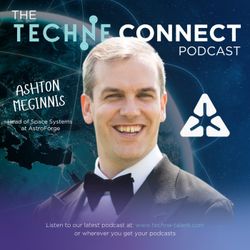
Ashton Meginnis, Head of Space Systems at AstroForge
41:45|In this episode we speak with Ashton Meginnis, Head of Space Systems at AstroForge, about building the first commercially funded deep space vehicle and the future of asteroid mining.Ashton shares his journey from childhood dreams of exploring the cosmos to leading rapid spacecraft development at AstroForge, including how the team designed, built, and launched a deep space mission in just four months. We discuss the challenges of creating affordable and reliable access to deep space, the growing opportunity around asteroid resources like platinum, and why in-house engineering is critical for accelerating innovation in the space industry.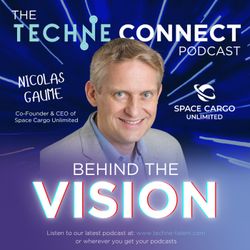
Nicolas Gaume, Co-Founder & CEO of Space Cargo Unlimited
35:56|In this episode we speak with Nicolas Gaume, Co-Founder and CEO of Space Cargo Unlimited, about building the infrastructure for in-space manufacturing.Nicolas shares how Space Cargo Unlimited is using microgravity to create new opportunities across agriculture, pharmaceuticals, materials, electronics, and biotechnology. The conversation explores space manufacturing, commercial space infrastructure, microgravity research, reusable space systems, and the company’s upcoming flight with Atmos Space Cargo.The episode also covers Nicolas’ entrepreneurial journey, the story behind Space Cargo’s wine mission, and why Europe has a major role to play in the next phase of the space economy.