Share
The Techne Connect
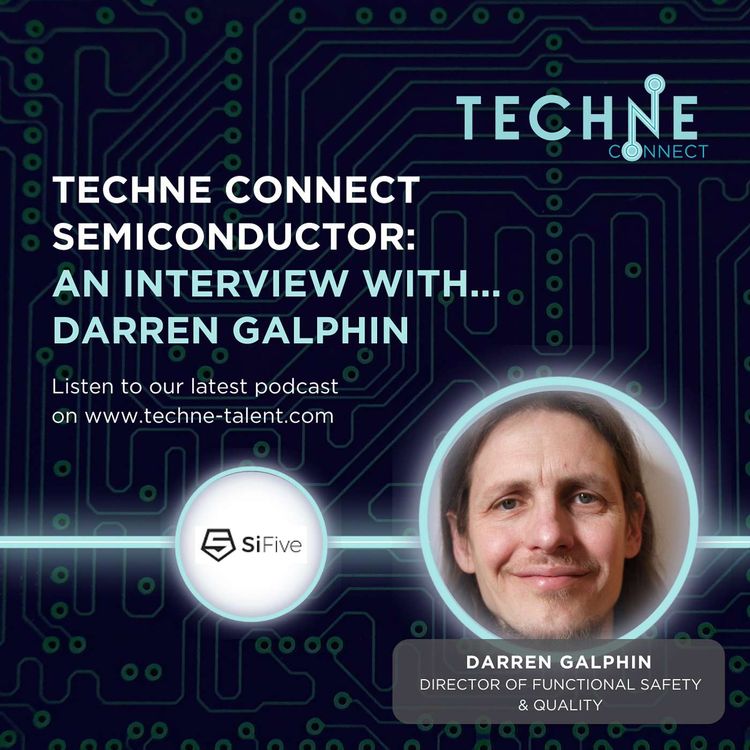
Behind the Chip: Darren Galpin, SiFive
Welcome to our new series, Behind the Chip, where we explore the fascinating world of the Semiconductor industry.
Today, we introduce Darren Galpin in our first-ever episode of our Behind the Chip series.
With a career spanning over 25 years, Darren currently holds the position of Director of Functional Safety and Quality at SiFive. Throughout his professional journey, he has also held positions at other esteemed organizations such as Renesas Electronics and Infineon Technologies.
Darren's extensive career has enabled him to gain invaluable experience within the industry, including team leadership, patent acquisition, and even chairing an industry advisory group.
In this episode, we delve into Darren's perspectives on the current semiconductor market, explore the trends set to shape the industry's future, and explore his guidance for newcomers entering this dynamic field.
www.techne-talent.com
*View Darren's motorsport website here: www.silhouet.com/motorsport
The Techne Connect Podcast 🎧
Thank you for listening to Techne Connect! This podcast takes you inside the companies and conversations shaping the future of engineering.
From space and defence to robotics, AI, clean energy, advanced manufacturing and next-generation mobility, each episode features the founders, engineers and technology leaders building tomorrow's world.
Through candid discussions on innovation, leadership, product development and career journeys, the podcast uncovers the ideas, challenges and breakthroughs driving the world's fastest-moving industries. Whether you're an engineer, founder, investor or simply fascinated by emerging technology.
Techne Connect offers a front-row seat to the people creating what's next.
More episodes
View all episodes
James Murphy: Founder and CEO at Setana Space
34:17|In this episode of TECHNE Connect to Visionaries, we are joined by James Murphy, CEO and Founder of Setanta Space, to discuss the future of onboard AI and satellite computing.James shares his journey from working on spacecraft systems and AI-enabled satellite projects to founding a company focused on bringing scalable computing platforms to space.They explore how reduced launch costs, growing satellite constellations and advances in hardware are creating new opportunities for autonomous space missions.The conversation covers the challenges of running AI onboard satellites, the engineering skills shaping the future of space technology, and why modular, scalable electronics will be critical as the industry continues to evolve.
Sanjay Vijendran, Co Founder and CTO at TerraSpark
44:52|In this episode of TECHNE Connect To Visionaries, we speak with Sanjay Vijendran, Co-Founder & CTO of TerraSpark, about his journey from Mars exploration to building the future of space-based energy.Sanjay shares his career journey, from working on NASA’s Phoenix Mars Mission, helping develop technology that explored the Martian surface, to spending over a decade at the European Space Agency developing future Mars exploration concepts.After recognising the potential of space-based solar power, Sanjay moved from ESA into entrepreneurship and founded TerraSpark, a company focused on delivering clean and reliable energy from space to Earth.In this episode, we discuss:Sanjay’s journey from NASA Mars missions to founding a space energy companyWhy space-based solar power could become a future source of clean energyHow advances in reusable rockets, satellite manufacturing and commercial space have changed what is possibleTerraSpark’s approach to proving the technology at smaller scale before building larger orbital energy systemsThe engineering skills needed for the next generation of space companiesHow startups are creating opportunities for engineers to work across multiple disciplinesSanjay also shares his vision for the future of space infrastructure, the growth of commercial applications in orbit, and what success looks like for TerraSpark over the next decade.A great conversation for engineers, founders and anyone interested in the future of space, energy and the companies building the next generation of orbital infrastructure.
Marina Hutter, Head of People at VÆRIDION
29:31|The future of aviation is changing, and the next generation of aircraft is being built today.In the latest episode of TECHNE Connect to Flight, we sit down with Marina Hutter, Head of People at VÆRIDION, to discuss the journey of building a fully electric regional aircraft and scaling a deep tech company from the ground up.Marina shares:How VÆRIDION is developing a fully electric nine-seater passenger aircraft for regional aviationWhy the transition from software-led health tech into deep tech hardware created a completely different experienceWhat it takes to build teams and culture inside an ambitious aerospace startupWhy electric aviation is moving from a question of “if” to “when”The challenges and opportunities of bringing a new aircraft through testing, industrialisation and certificationWhy joining an early-stage aerospace company offers a rare opportunity to help build an aircraft programme from day oneA fascinating conversation about electric aviation, company building and the people behind the technology shaping the future of flight.Watch the latest episode of TECHNE Connect to Flight with Marina Hutter, Head of People at VÆRIDION.
Matt Gjertsen, Founder at BUILT
41:00|What does it take to build and scale teams capable of solving the world’s hardest problems?In the latest episode of TECHNE Connect to Visionaries, we sit down with Matt Gjertsen, Founder of Built, to discuss his journey from US Air Force pilot to SpaceX training leader and now helping hard tech companies build the leadership capability needed to scale.Matt shares insights from his time at SpaceX, including the culture, mindset and operating principles that helped the company achieve some of its biggest milestones, from landing rockets to building a reusable launch system.We discuss:What it was like joining SpaceX during its early growth phaseThe importance of staying focused on the right problems, not just solutionsWhy many technical companies struggle when scaling from engineering-led teams into larger organisationsThe leadership gap that appears when great engineers become managersHow founders can build teams capable of executing at scaleWhere Matt sees the space industry heading over the next 3–5 yearsA conversation on leadership, entrepreneurship and the people needed to shape the next generation of aerospace and hard tech companies.Watch the latest episode of TECHNE Connect to Visionaries with Matt Gjertsen, Founder of Built.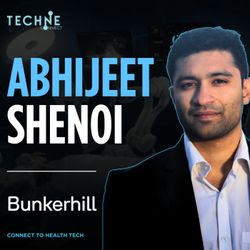
Abhijeet Shenoi, VP of Engineering at Bunker Hill Health
31:57|In this episode of TECHNE Connect to Health Tech, we speak with Abhi, VP of Engineering at Bunker Hill Health.Abhi shares his journey from studying computer vision and robotics at Stanford to building AI-powered healthcare technology. With a background shaped by both engineering and healthcare, Abhi discusses how his experiences led him to Bunker Hill Health and the mission of helping healthcare organisations bring ideas from concept to clinical impact.Bunker Hill Health is building CareBricks, a platform designed to help health systems use their data, workflows and AI capabilities to turn ideas into practical solutions that improve patient care.In this episode, we explore:Abhi’s journey from computer vision research to healthcare technologyWhy healthcare needs to move beyond a scarcity mindsetHow AI is changing what is possible within healthcare deliveryWhy fundamentals and adaptability are critical skills for engineersThe challenges of bringing healthcare ideas from research into real-world useHow CareBricks enables health systems to build and deploy AI-powered workflowsThe importance of ownership, initiative and technical excellence when building health tech teamsWhy now is one of the most exciting times to build in healthcareA conversation about AI, engineering leadership and the future of healthcare innovation.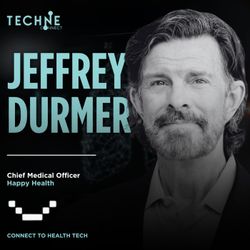
Jeffrey Durmer, Chief Medical Officer at Happy Health
48:57|In this episode of TECHNE Connect to HealthTech, we speak with Jeffrey Durmer Chief Medical Officer at Happy Health.Jeffrey discusses the importance of sleep health, the scale of sleep disorders, and why improving our understanding of sleep is critical for the future of healthcare.With a background in sleep medicine and neuroscience, Jeffrey shares his perspective on why sleep problems are so widespread and how technology is creating new opportunities to detect, understand and address these challenges.We explore:Why sleep disorders are more common than many people realiseThe impact sleep health has on overall human health and wellbeingWhy sleep apnea remains an under-recognised healthcare challengeHow technology is helping create better insights into sleep patternsThe opportunity to make sleep health more accessible and personalisedWhat the future of digital health could look like as we better understand the role of sleepA conversation about healthcare innovation, sleep science and building technology that helps people live healthier lives.
Abhijeet Shenoi, VP of Engineering at Bunker Hill Health
31:57|In this episode of TECHNE Connect to Health Tech, we speak with Abhi, VP of Engineering at Bunker Hill Health.Abhi shares his journey from studying computer vision and robotics at Stanford to building AI-powered healthcare technology. With a background shaped by both engineering and healthcare, Abhi discusses how his experiences led him to Bunker Hill Health and the mission of helping healthcare organisations bring ideas from concept to clinical impact.Bunker Hill Health is building CareBricks, a platform designed to help health systems use their data, workflows and AI capabilities to turn ideas into practical solutions that improve patient care.In this episode, we explore:Abhi’s journey from computer vision research to healthcare technologyWhy healthcare needs to move beyond a scarcity mindsetHow AI is changing what is possible within healthcare deliveryWhy fundamentals and adaptability are critical skills for engineersThe challenges of bringing healthcare ideas from research into real-world useHow CareBricks enables health systems to build and deploy AI-powered workflowsThe importance of ownership, initiative and technical excellence when building health tech teamsWhy now is one of the most exciting times to build in healthcareA conversation about AI, engineering leadership and the future of healthcare innovation.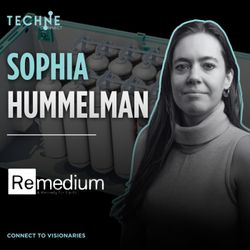
Sophia Hummelman, Co-Founder and CCO of Remedium Energy
29:34|In this episode of Connect to Visionaries, Harrison is joined by Sophia Hummelman, Co-Founder and CCO of Remedium Energy, to explore her journey from investment banking into climate tech entrepreneurship. Sophia shares how an early interest in entrepreneurship led her to co-found a direct air capture company before turning her attention to the energy sector.Sophia discusses Remedium Energy’s approach to decarbonising heavy industry through a heat battery that can deliver high-temperature heat while also capturing CO₂. She explores the challenges of bringing deep-tech innovations to market, the importance of validating ideas with customers early, and why AI fluency, technical expertise and strong human skills will be critical to the future of climate tech.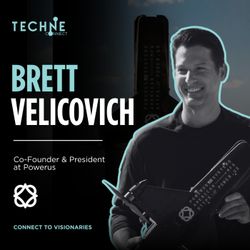
Brett Velicovich, Co-Founder and President of Powerus
31:36|In this episode of Connective Visionaries, Tom is joined by Brett Velicovich, Co-Founder and President of Powerus, to explore his journey from the military into entrepreneurship and defence technology. Brett shares how his experiences working with drone technology and humanitarian efforts in Ukraine exposed significant gaps in the US defence industry and ultimately inspired him to build PowerUs.Brett discusses PowerUs’ mission to rebuild American drone manufacturing and develop low-cost, scalable drone systems for modern warfare. He explores the rapid evolution of drone technology, the growing role of AI and automation in defence, and why manufacturing, engineering and supply chain expertise will be critical to the industry’s future. Brett also shares insights into building a high-performance company culture, raising investment, scaling a defence technology business and the mindset required to succeed as an entrepreneur.