Share

The Techne Connect
Listen to the conversations and discussions that are driving innovation in our sectors.
Latest episode

Sara Correyero Plaza, CEO and Co-Founder of IENAI Space
36:00|Six years of development. Starting with zero customers. One clear mission to make space more sustainable.In our latest episode of TECHNE Connect to Visionaries, we're joined by Sara Correyero Plaza, Co-CEO and Co-Founder of IENAI Space, to explore the journey of developing next-generation propulsion technology for satellites.From an initial university research project to seeing their technology reach orbit, Sara shares the challenges, milestones and lessons behind building IENAI Space.In this episode, we discuss:How IENAI Space evolved from a research idea into a growing space technology company.Why propulsion technology is becoming increasingly important for sustainable satellite operations.The challenges of developing new technology and bringing it to market.The engineering expertise needed to support the next generation of space missions.As more satellites enter orbit, the need for better mobility, manoeuvrability and responsible end-of-life management continues to grow.A great conversation about innovation, entrepreneurship and what it takes to build a company in the space industry.
More episodes
View all episodes
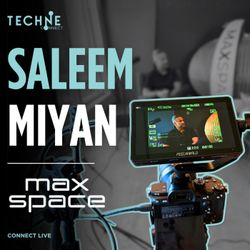
Saleem Miyan, Co-founder & CEO at Max Space
44:22|In this episode of Connect Live, Tom Sloan sits down with Saleem Miyan, Co-founder & CEO of Max Space, inside the company’s facility in Florida to explore the technology and ambition behind the next generation of space habitats.Saleem shares his journey from semiconductors and satellite technology to entrepreneurship and ultimately founding Max Space, discussing the lessons he’s learned from building technology businesses and why solving the customer’s problem should always come before over-engineering a solution.The conversation explores Max Space’s expandable habitat technology, designed to provide significantly more usable volume while reducing mass compared with traditional space structures. Saleem explains how this approach could support a range of applications, from lunar bases and manufacturing facilities to deeper space exploration.Tom and Saleem also discuss startup culture, building mission-driven teams, the importance of collaboration across the space industry and the different skills needed to build the future of space habitation.With Max Space working towards building a permanent habitat for the surface of the Moon, this episode offers a fascinating look at the technology, people and mindset behind the next chapter of human exploration beyond Earth.https://open.spotify.com/episode/3v71OtzgiEoH6GMp5lDVIH?si=PU_nHaAdSoGAUCJkdC_l2Q
James Murphy: Founder and CEO at Setana Space
34:17|In this episode of TECHNE Connect to Visionaries, we are joined by James Murphy, CEO and Founder of Setanta Space, to discuss the future of onboard AI and satellite computing.James shares his journey from working on spacecraft systems and AI-enabled satellite projects to founding a company focused on bringing scalable computing platforms to space.They explore how reduced launch costs, growing satellite constellations and advances in hardware are creating new opportunities for autonomous space missions.The conversation covers the challenges of running AI onboard satellites, the engineering skills shaping the future of space technology, and why modular, scalable electronics will be critical as the industry continues to evolve.
Sanjay Vijendran, Co Founder and CTO at TerraSpark
44:52|In this episode of TECHNE Connect To Visionaries, we speak with Sanjay Vijendran, Co-Founder & CTO of TerraSpark, about his journey from Mars exploration to building the future of space-based energy.Sanjay shares his career journey, from working on NASA’s Phoenix Mars Mission, helping develop technology that explored the Martian surface, to spending over a decade at the European Space Agency developing future Mars exploration concepts.After recognising the potential of space-based solar power, Sanjay moved from ESA into entrepreneurship and founded TerraSpark, a company focused on delivering clean and reliable energy from space to Earth.In this episode, we discuss:Sanjay’s journey from NASA Mars missions to founding a space energy companyWhy space-based solar power could become a future source of clean energyHow advances in reusable rockets, satellite manufacturing and commercial space have changed what is possibleTerraSpark’s approach to proving the technology at smaller scale before building larger orbital energy systemsThe engineering skills needed for the next generation of space companiesHow startups are creating opportunities for engineers to work across multiple disciplinesSanjay also shares his vision for the future of space infrastructure, the growth of commercial applications in orbit, and what success looks like for TerraSpark over the next decade.A great conversation for engineers, founders and anyone interested in the future of space, energy and the companies building the next generation of orbital infrastructure.
Marina Hutter, Head of People at VÆRIDION
29:31|The future of aviation is changing, and the next generation of aircraft is being built today.In the latest episode of TECHNE Connect to Flight, we sit down with Marina Hutter, Head of People at VÆRIDION, to discuss the journey of building a fully electric regional aircraft and scaling a deep tech company from the ground up.Marina shares:How VÆRIDION is developing a fully electric nine-seater passenger aircraft for regional aviationWhy the transition from software-led health tech into deep tech hardware created a completely different experienceWhat it takes to build teams and culture inside an ambitious aerospace startupWhy electric aviation is moving from a question of “if” to “when”The challenges and opportunities of bringing a new aircraft through testing, industrialisation and certificationWhy joining an early-stage aerospace company offers a rare opportunity to help build an aircraft programme from day oneA fascinating conversation about electric aviation, company building and the people behind the technology shaping the future of flight.Watch the latest episode of TECHNE Connect to Flight with Marina Hutter, Head of People at VÆRIDION.
Matt Gjertsen, Founder at BUILT
41:00|What does it take to build and scale teams capable of solving the world’s hardest problems?In the latest episode of TECHNE Connect to Visionaries, we sit down with Matt Gjertsen, Founder of Built, to discuss his journey from US Air Force pilot to SpaceX training leader and now helping hard tech companies build the leadership capability needed to scale.Matt shares insights from his time at SpaceX, including the culture, mindset and operating principles that helped the company achieve some of its biggest milestones, from landing rockets to building a reusable launch system.We discuss:What it was like joining SpaceX during its early growth phaseThe importance of staying focused on the right problems, not just solutionsWhy many technical companies struggle when scaling from engineering-led teams into larger organisationsThe leadership gap that appears when great engineers become managersHow founders can build teams capable of executing at scaleWhere Matt sees the space industry heading over the next 3–5 yearsA conversation on leadership, entrepreneurship and the people needed to shape the next generation of aerospace and hard tech companies.Watch the latest episode of TECHNE Connect to Visionaries with Matt Gjertsen, Founder of Built.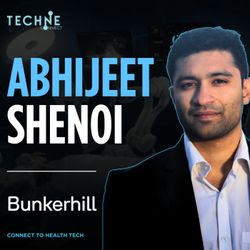
Abhijeet Shenoi, VP of Engineering at Bunker Hill Health
31:57|In this episode of TECHNE Connect to Health Tech, we speak with Abhi, VP of Engineering at Bunker Hill Health.Abhi shares his journey from studying computer vision and robotics at Stanford to building AI-powered healthcare technology. With a background shaped by both engineering and healthcare, Abhi discusses how his experiences led him to Bunker Hill Health and the mission of helping healthcare organisations bring ideas from concept to clinical impact.Bunker Hill Health is building CareBricks, a platform designed to help health systems use their data, workflows and AI capabilities to turn ideas into practical solutions that improve patient care.In this episode, we explore:Abhi’s journey from computer vision research to healthcare technologyWhy healthcare needs to move beyond a scarcity mindsetHow AI is changing what is possible within healthcare deliveryWhy fundamentals and adaptability are critical skills for engineersThe challenges of bringing healthcare ideas from research into real-world useHow CareBricks enables health systems to build and deploy AI-powered workflowsThe importance of ownership, initiative and technical excellence when building health tech teamsWhy now is one of the most exciting times to build in healthcareA conversation about AI, engineering leadership and the future of healthcare innovation.